Let's cut to the chase. Yes, you can absolutely make money as a gemologist. But the real question most people are asking is: how much, how consistently, and what's the catch? The romantic image of a lone expert uncovering priceless treasures in exotic locales is just that—an image. The reality is a diverse field with stable salaries, entrepreneurial hustle, and everything in between. Your income depends less on a magical eye and more on the specific career path you choose, the business skills you pair with your gemology knowledge, and frankly, your ability to manage client expectations in a world full of lab-grown stones and online misinformation.
What's Inside This Guide
How Much Money Do Gemologists Really Make?
Forget the vague "$40k to $80k" ranges you see everywhere. Let's get specific. Income in gemology isn't a single ladder; it's more like a series of parallel tracks.
If you go the employed route—working for a lab, a large jewelry retailer, or an auction house—you're looking at a predictable salary. Entry-level gemologists in a grading lab like GIA or IGI might start in the $45,000 to $55,000 range. With 5-10 years of experience, a senior gemologist or lab manager can earn $70,000 to $90,000. The stability is the main draw. You get benefits, paid time off, and you don't have to find your own clients.
The entrepreneurial path is where the numbers get wild, and also where most people stumble. An independent appraiser working part-time might clear $30,000 a year, while a full-timer with a strong reputation in a wealthy metro area can push past $100,000. A gem dealer? That's a high-risk, high-reward game. You could lose money on a bad buy or make a 50% profit on a single stone. Successful dealers I know treat it like a proper business, not a treasure hunt. Their annual income is often six figures, but it's volatile.
Here’s a quick snapshot of common roles and their typical income brackets to set realistic expectations:
>High| Career Path | Typ Income Range (Annual) | Primary Income Driver | Stability Factor |
|---|---|---|---|
| Lab Gemologist (Entry) | $40,000 - $55,000 | Salary | High |
| Jewelry Retail Gemologist | $50,000 - $70,000 + Commission | Salary + Sales | Medium-High |
| Independent Appraiser | $40,000 - $120,000+ | Fee-per-item | Medium (Client-dependent) |
| Auction House Specialist | $60,000 - $90,000+ | Salary + Bonus | |
| Gem Dealer / Broker | $30,000 - $250,000+ | Profit Margin on Sales | Low (Market-dependent) |
See that dealer range? It's huge for a reason. It's not for the faint of heart.
Top 5 Ways to Earn a Living in Gemology
You've got the diploma, now what? Here are the concrete paths people actually walk, ranked by how common they are.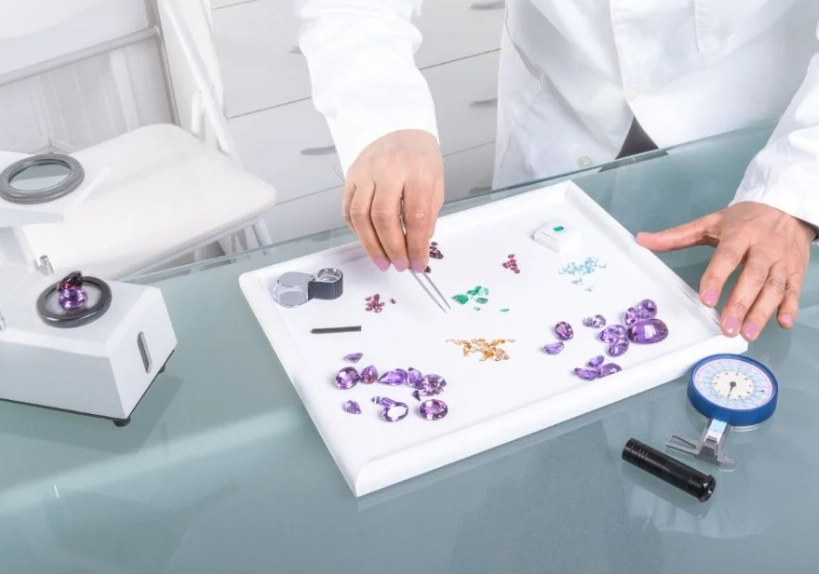
1. The Lab Scientist
This is the backbone of the industry. You'll work for organizations like the Gemological Institute of America (GIA), International Gemological Institute (IGI), or a national geological survey. Your day job is grading diamonds (color, clarity, cut, carat weight), identifying gemstones, and detecting treatments or synthetics. It's meticulous, repeatable work. The pay is steady, and you become incredibly sharp at identification under controlled conditions. The downside? It can feel repetitive, and you're often separated from the final client or the beautiful jewelry piece.
2. The Appraiser & Consultant
This is the most common path for independents. You value jewelry for insurance, estates, or divorce settlements. The money isn't in the two minutes it takes to identify a sapphire; it's in the detailed report you produce, your professional liability insurance, and your court-ready credentials. Most people overlook the sheer amount of report writing and client management involved. A key insight? Your biggest competition isn't other appraisers; it's the free "appraisals" offered by jewelry stores to make a sale. You compete on objectivity and credibility, not price.
3. The Jewelry Industry Insider
Every major jewelry retailer needs gemological expertise. You could be a buyer for a chain like Signet, sourcing stones globally. You could be the in-house expert for a high-end brand, ensuring quality and educating sales staff. Or you could work in quality control for a manufacturing facility. This path blends gemology with business, logistics, and retail. Income often includes a base salary plus bonuses or commissions.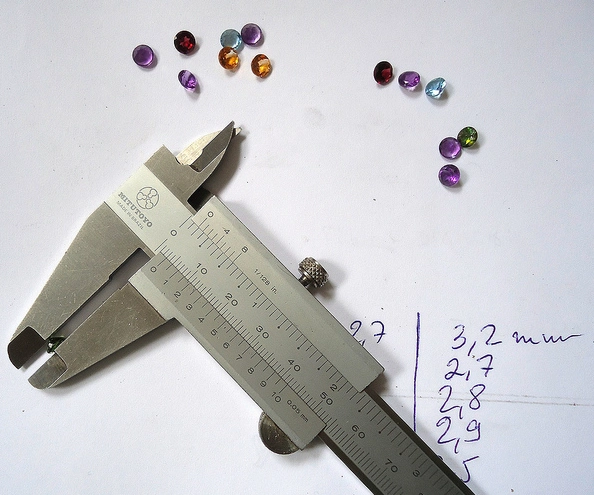
4. The Dealer and Broker
This is the trading floor. You buy rough or cut stones from miners or wholesalers and sell them to jewelers or collectors. Success here is 30% gemology and 70% business acumen—negotiation, networking, risk assessment, and cash flow management. You need a strong stomach for market fluctuations. One dealer friend spent two years building relationships in Sri Lanka before he got access to his first quality parcel of sapphires. It's a long game.
5. The Educator and Content Creator
A growing niche. With a solid gemology background, you can teach courses, write books, or run a blog/YouTube channel. Income comes from course fees, advertising, sponsorships, or affiliate marketing. It's less about identifying stones daily and more about communicating complex topics clearly. This path requires you to be both an expert and a entertainer.
A quick story from the field: I know a gemologist who started in a lab, hated the routine, and jumped into dealing. He lost a significant amount on his first few deals because he could identify a stone's authenticity but not its marketability. A slightly off-color ruby that's still "real" can be nearly impossible to sell at a profit. He learned the hard way that the certificate is just the entry ticket.
The Skills That Actually Pay the Bills
Gem identification is the basic ticket to enter the theater. To get a good seat, you need other skills.
Business and Marketing: If you're independent, you are a small business owner. Can you build a website, manage social media, do basic accounting, and network effectively? Most gemology programs teach zero about this. I've seen brilliant identifiers fail because they couldn't explain their value to a potential client.
Communication and Report Writing: An appraisal report is a legal document. Clarity and precision are non-negotiable. You also need to explain complex issues—like why a lab-grown diamond isn't "fake" but is worth 80% less—to a grieving heir or an excited fiancé. Empathy matters as much as expertise.
Instrument Proficiency & Tech Savviness: It's not just about using a microscope. Understanding advanced tools like FTIR spectrometers or Raman microscopes is crucial for detection of sophisticated treatments. Also, familiarity with digital report platforms and online marketplaces is a must.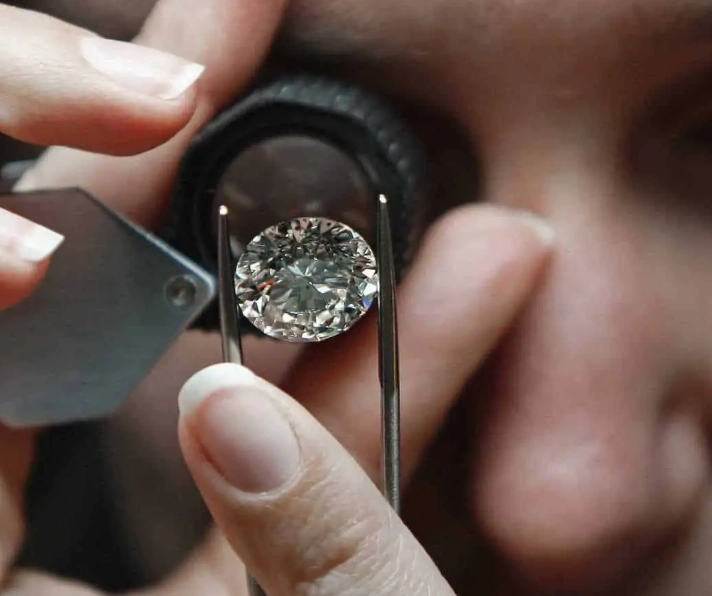
The Real Costs: Education, Tools, and Time
Let's talk about the investment before the return.
A Graduate Gemologist (GG) diploma from GIA can cost between $10,000 and $20,000, including tuition and travel for hands-on classes. Other institutes like IGI or Gem-A have different price points. This is your non-negotiable foundation.
Then come the tools. A decent student microscope will set you back $1,000-$3,000. A refractometer, spectroscope, loupes, and lighting—another $2,000 minimum. If you go independent, add liability insurance ($1,500-$3,000/year), business licensing, and marketing costs.
The biggest cost is time. Building a reputation takes years, not months. You'll spend countless hours studying, networking at trade shows (which cost money to attend), and doing low-paid work to build your portfolio.
Common Pitfalls New Gemologists Face
Here's where that "10-year experience" perspective comes in. These are mistakes I see repeatedly.
Pitfall 1: Overestimating demand for pure identification. Nobody pays you just to say "this is a ruby." They pay you for a valuation, a purchase guarantee, or a solution to a problem (like an insurance claim). Frame your services around the client's problem, not your technical skill.
Pitfall 2: Undercharging to get clients. Slashing your appraisal fees to beat competitors devalues the entire profession and attracts the worst, most price-sensitive clients. It's a race to the bottom. Charge what your expertise and time are worth, and communicate that value clearly.
Pitfall 3: Neglecting the legal side. An incorrect appraisal can lead to lawsuits. Do you have proper insurance? Are your disclaimers clear? Do you know the Uniform Standards of Professional Appraisal Practice (USPAP) if you're in the U.S.? This isn't optional homework.
Pitfall 4: Ignoring the synthetic revolution. The market for lab-grown diamonds and other synthetics is exploding. If you dismiss it or aren't expertly equipped to identify it, you're becoming obsolete. Embrace the technology and learn to advise clients on its pros and cons.