Birthstones have fascinated people for centuries, serving as personal talismans, fashion statements, and gifts filled with meaning. If you've ever wondered what the 12 month birthstones are, you're in the right place. This guide dives deep into each gemstone, from January's fiery garnet to December's serene turquoise, covering their histories, meanings, and practical tips. I've spent years in the gemstone industry, and I'll share insights you won't find in generic lists—like why some birthstones are overhyped and how to avoid common buying pitfalls.
Your Quick Guide to Birthstones
What Are Birthstones and Why Do They Matter?
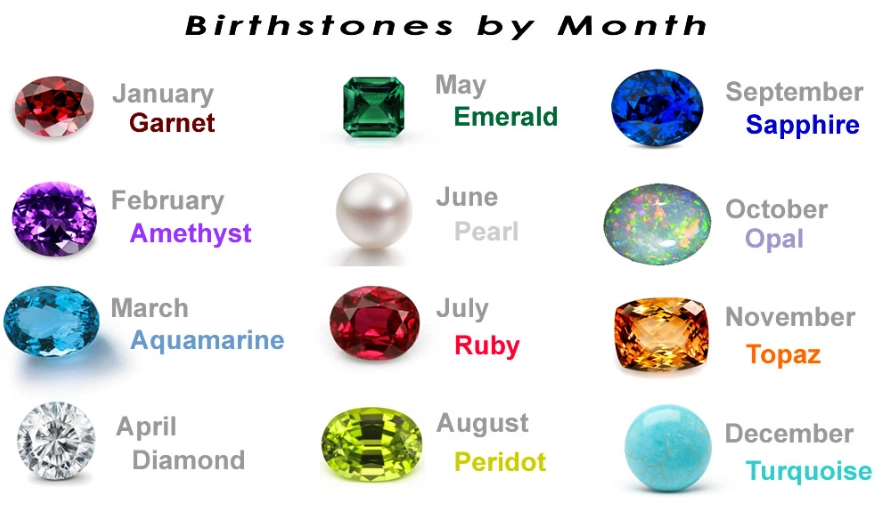 Birthstones are gemstones associated with each month of the year, often linked to astrology, folklore, and cultural traditions. The concept dates back to biblical times, with the Breastplate of Aaron described in Exodus, but the modern list was standardized by jewelers in the early 20th century. Why do they matter? For many, birthstones offer a sense of identity and connection—my grandmother always wore her April diamond, claiming it brought her luck. Beyond sentiment, they're a gateway into gemology, teaching us about mineral properties, colors, and care.
Most people think birthstones are just about beauty, but there's more. Each stone has unique metaphysical properties, though I take those with a grain of salt. For example, amethyst is said to promote calmness, but from a practical view, its purple hue simply complements many skin tones. The Gemological Institute of America provides authoritative resources on gem origins, which I often reference to debunk myths.
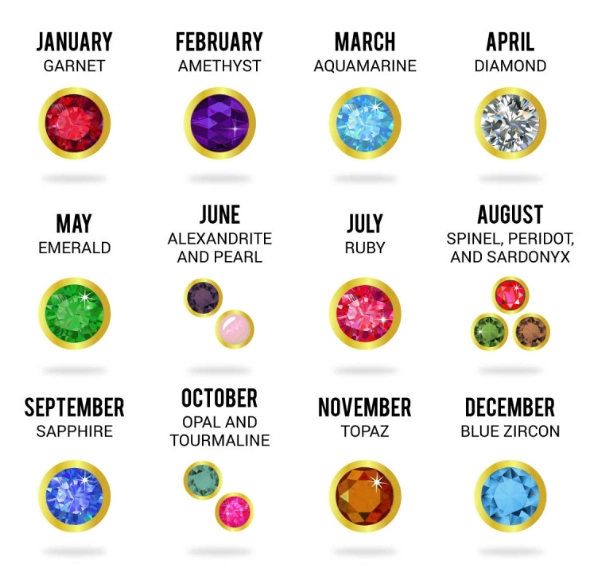
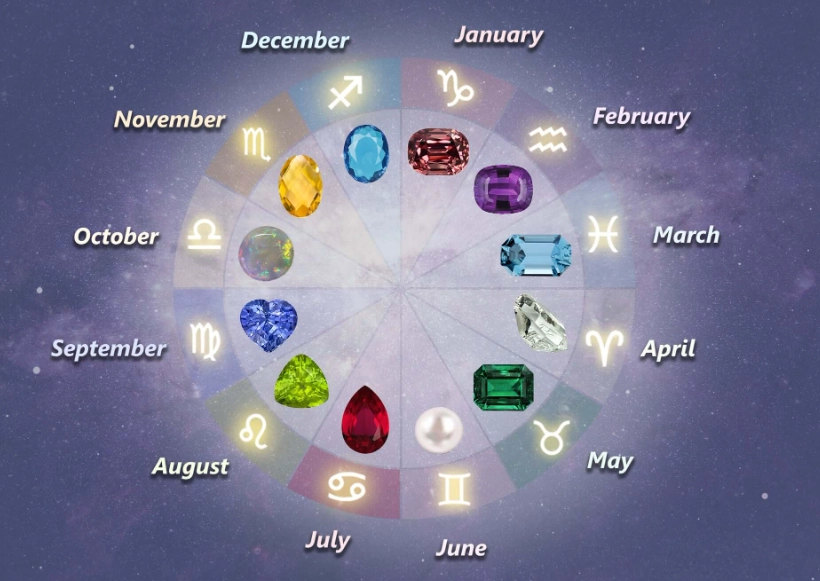
The Complete List of 12 Month Birthstones
Here's a table summarizing the 12 month birthstones. I've included key details like color and hardness (on the Mohs scale), which affects durability. This isn't just a list—it's a starting point for understanding each stone's character.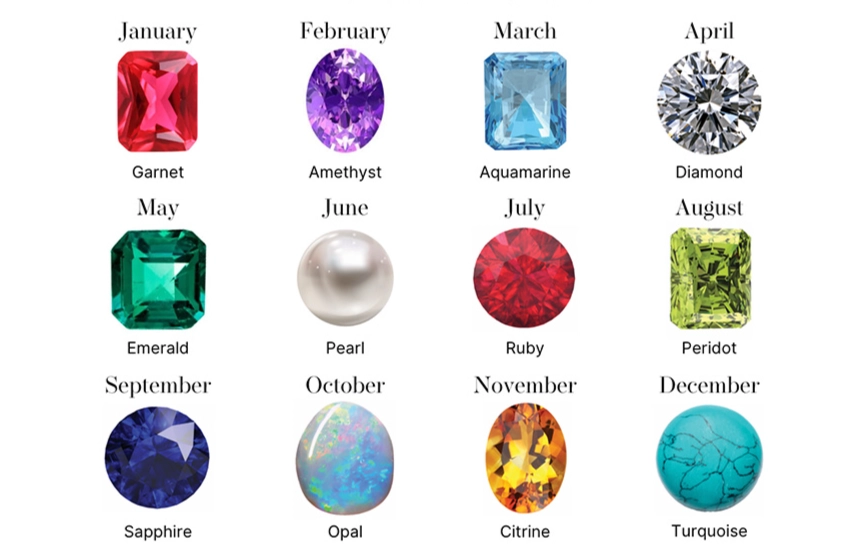
| Month | Primary Birthstone | Color | Hardness (Mohs) | Approx. Price Range per Carat |
|---|---|---|---|---|
| January | Garnet | Deep red | 6.5-7.5 | $50-$500 |
| February | Amethyst | Purple | 7 | $20-$200 |
| March | Aquamarine | Pale blue | 7.5-8 | $100-$800 |
| April | Diamond | Colorless/varies | 10 | $2000-$20,000+ |
| May | Emerald | Green | 7.5-8 | $500-$5000 |
| June | Pearl / Alexandrite | White, color-change | 2.5-8.5 | $100-$3000 |
| July | Ruby | Red | 9 | $1000-$10,000 |
| August | Peridot | Olive green | 6.5-7 | $50-$400 |
| September | Sapphire | Blue | 9 | $500-$5000 |
| October | Opal / Tourmaline | Multicolor, pink/green | 5.5-7.5 | $100-$2000 |
| November | Topaz / Citrine | Blue, yellow | 8 | $30-$300 |
| December | Turquoise / Zircon | Blue-green, varies | 5-7.5 | $20-$500 |
Now, let's break down each birthstone. I'll share personal anecdotes and expert tips—stuff I've learned from handling thousands of stones.
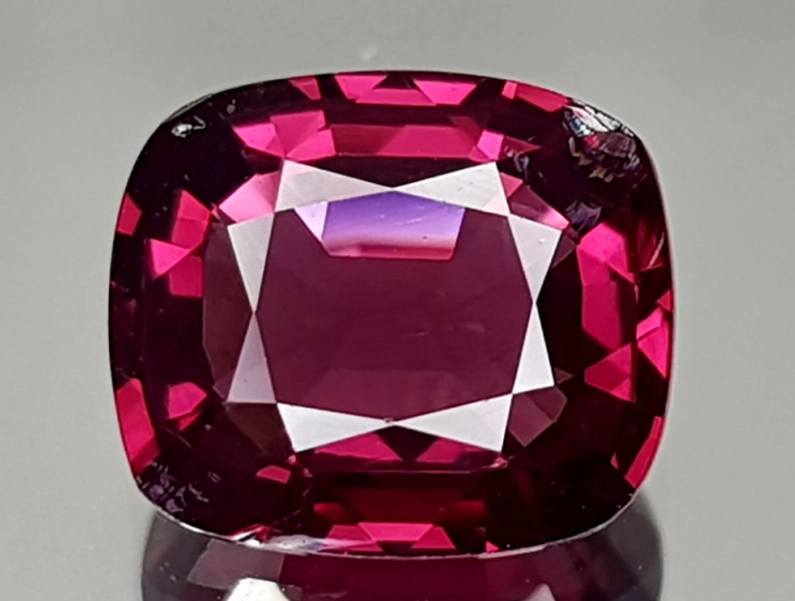
January: Garnet
Garnet isn't just red; it comes in greens and oranges too, but the deep red variety is classic. With a hardness of 6.5-7.5, it's decent for daily wear but can scratch if you're rough. I recall a client who bought a garnet ring for hiking—bad idea. It chipped after a few months. Price-wise, garnets are affordable, often $50-$500 per carat for good quality. They symbolize friendship and trust, making them popular for gifts.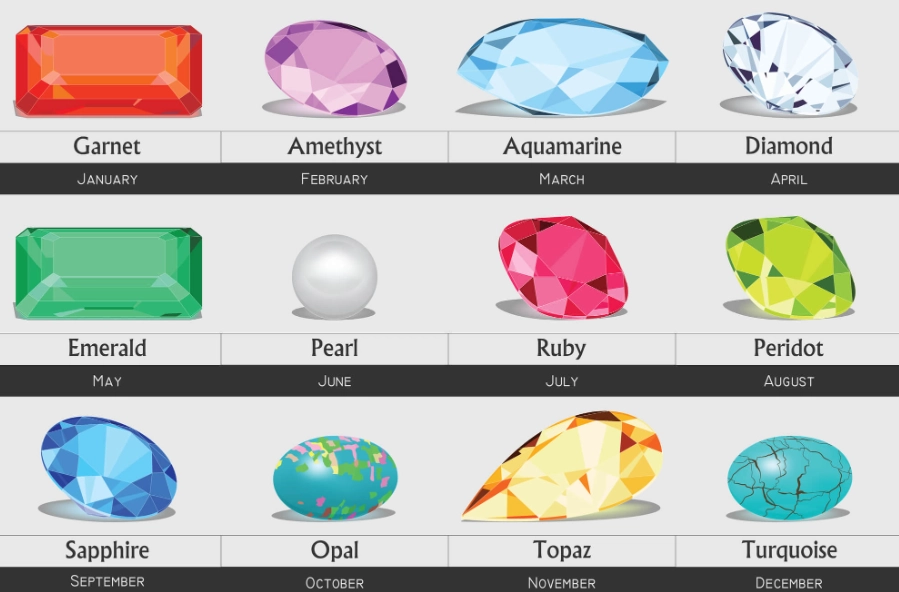
February: Amethyst
Amethyst's purple hue ranges from light lavender to deep violet. At Mohs 7, it's relatively durable, but prolonged sun exposure can fade its color—store it in a dark place. Amethyst is abundant, so prices are low ($20-$200 per carat), but beware of synthetic versions sold as natural. It's linked to calmness, though I think its real appeal is the versatility in jewelry designs.
March: Aquamarine
Aquamarine, meaning "water of the sea," has a soothing blue color. Hardness is 7.5-8, so it holds up well. Prices vary from $100-$800 per carat. A common misconception: aquamarine is always pale. High-quality stones have a richer blue, but they're rare. I once sourced an aquamarine for a wedding ring; the client loved it because it matched her beach theme.
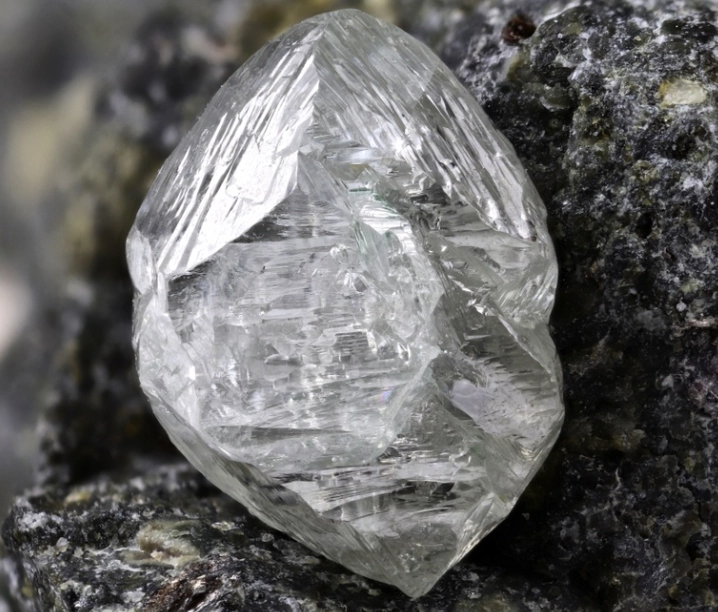
April: Diamond
Diamonds need no introduction—they're the hardest gem at Mohs 10. Prices skyrocket based on the 4Cs (cut, color, clarity, carat), often $2000-$20,000+ per carat. Many people overspend on flawless diamonds when slightly included stones look identical to the naked eye. Diamonds symbolize eternal love, but from a practical angle, they're investment pieces. Always get certification from GIA to avoid conflict diamonds.
May: Emerald
Emeralds are prized for their rich green color, but they're inclusion-heavy (jardins), making them fragile. Hardness is 7.5-8, but they chip easily. Prices range from $500-$5000 per carat. I've seen too many buyers get duped by synthetic emeralds marketed as natural—insist on a lab report. Emeralds represent rebirth, but their beauty is in the imperfections.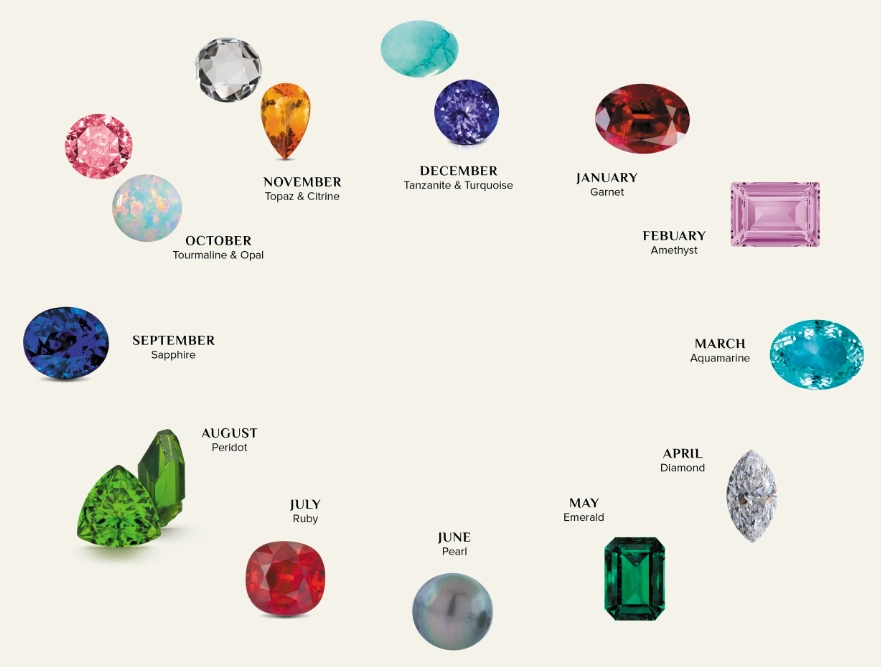
June: Pearl and Alexandrite
June has two birthstones: pearl (organic) and alexandrite (mineral). Pearls are soft (Mohs 2.5-4.5), requiring gentle care—avoid chemicals. Prices: $100-$1000 per strand. Alexandrite is a color-change stone, shifting from green to red, and is rarer, costing up to $3000 per carat. Pearls symbolize purity, but they're high-maintenance; alexandrite is for collectors who appreciate rarity.
July: Ruby
Rubies are red corundum, second in hardness only to diamonds at Mohs 9. They're expensive, $1000-$10,000 per carat, with Burmese rubies topping the charts. Rubies symbolize passion, but their heat treatments are common—ask about enhancements. I remember a client who bought an untreated ruby; it was stunning but required a hefty insurance premium.
August: Peridot
Peridot's olive green is unique, with a hardness of 6.5-7. It's affordable, $50-$400 per carat, but scratches easily. Peridot is formed in volcanoes, adding a cool backstory. It's said to ward off nightmares, though I've never tested that. For daily wear, set it in protective bezels.
September: Sapphire
Sapphires are blue corundum (Mohs 9), durable and versatile. Prices: $500-$5000 per carat. They come in other colors too—pink sapphires are trendy. Sapphires symbolize wisdom, but their value lies in saturation. A tip: Ceylon sapphires from Sri Lanka often have better clarity than others.
October: Opal and Tourmaline
Opal's play-of-color is mesmerizing, but it's soft (Mohs 5.5-6.5) and can crack if dehydrated. Tourmaline is harder (7-7.5) and comes in many colors, making it a practical alternative. Opals cost $100-$2000 per carat; tourmaline is cheaper. Opals are beautiful but finicky—I avoid recommending them for engagement rings.
November: Topaz and Citrine
Topaz is often blue-treated, while citrine is yellow quartz. Both have hardness around 8, so they're durable. Prices are low, $30-$300 per carat. Citrine is abundant and mistaken for topaz sometimes—real topaz is heavier. They symbolize joy, but their affordability makes them great for statement pieces.
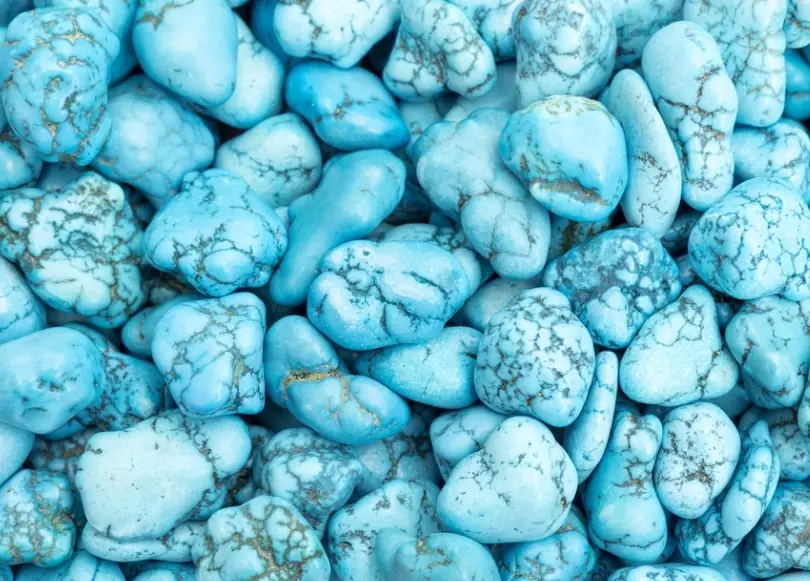
December: Turquoise and Zircon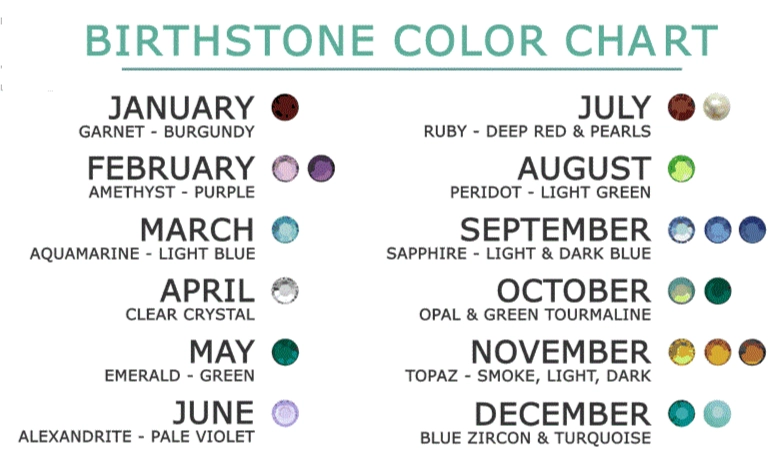
Turquoise is opaque and soft (Mohs 5-6), often stabilized for durability. Zircon is brighter and harder (6.5-7.5). Prices: $20-$500 per carat. Turquoise can fade with oils from skin, so clean it regularly. Zircon is undervalued—it's not cubic zirconia, but a natural gem with high dispersion.
Expert Insight: Many gemstones have enhanced treatments. For example, most blue topaz is irradiated to achieve its color, which is safe but should be disclosed. Always ask about treatments when buying birthstones—it affects value and care.
How to Choose the Right Birthstone Jewelry
Choosing birthstone jewelry isn't just about picking your month; it's about matching the stone to your lifestyle. Let's say you're active—go for harder stones like sapphire or diamond. If you're on a budget, garnet or amethyst offer beauty without breaking the bank.
Consider the setting. For soft stones like opal, a bezel setting protects the edges. For expensive stones like emerald, a secure prong setting showcases the color. I've helped clients design custom pieces; one wanted a March aquamarine pendant for her mother, and we added a diamond halo for sparkle—it cost around $800 total.
Color matters too. Cool skin tones suit blue stones like aquamarine, while warm tones pop with garnet or citrine. Don't be afraid to mix birthstones; a stack of rings with different months can tell a family story.
Where to buy? Reputable jewelers or online platforms with return policies. Check reviews and certifications. For instance, James Allen offers detailed images for online shopping, but I prefer local stores for hands-on inspection.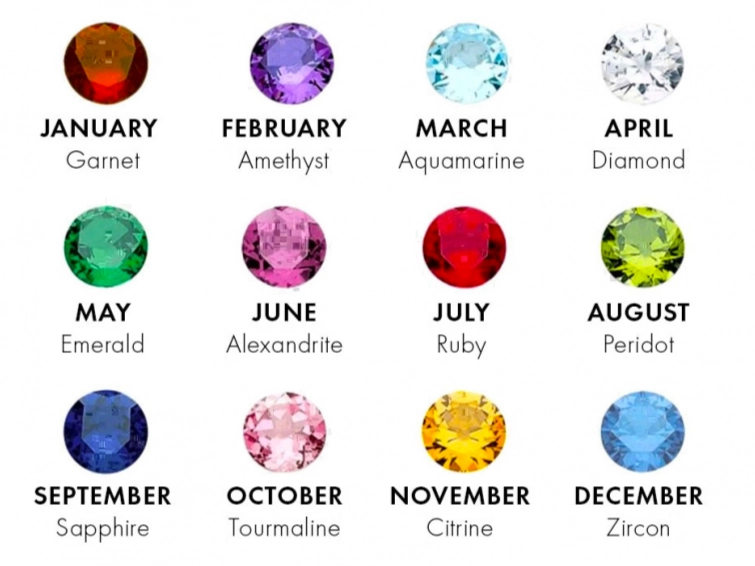
Common Myths and Misconceptions About Birthstones
There's a lot of misinformation out there. Myth 1: Birthstones have magical powers. While they're steeped in lore, there's no scientific proof—enjoy them for aesthetics and symbolism. Myth 2: All birthstones are expensive. Not true; stones like citrine and garnet are very affordable.
Myth 3: You must wear only your birth month stone. Nonsense—I often wear a September sapphire even though I'm a May baby, just because I love the color. Myth 4: Synthetic birthstones are inferior. Actually, lab-created stones like synthetic ruby are identical chemically and often more flawless, but they lack rarity. For ethical reasons, some prefer them.
A subtle mistake: people assume pearls are durable. They're not; they require careful storage away from humidity. Another one: thinking all diamonds are clear. Colored diamonds exist and can be birthstones too, but they're pricey.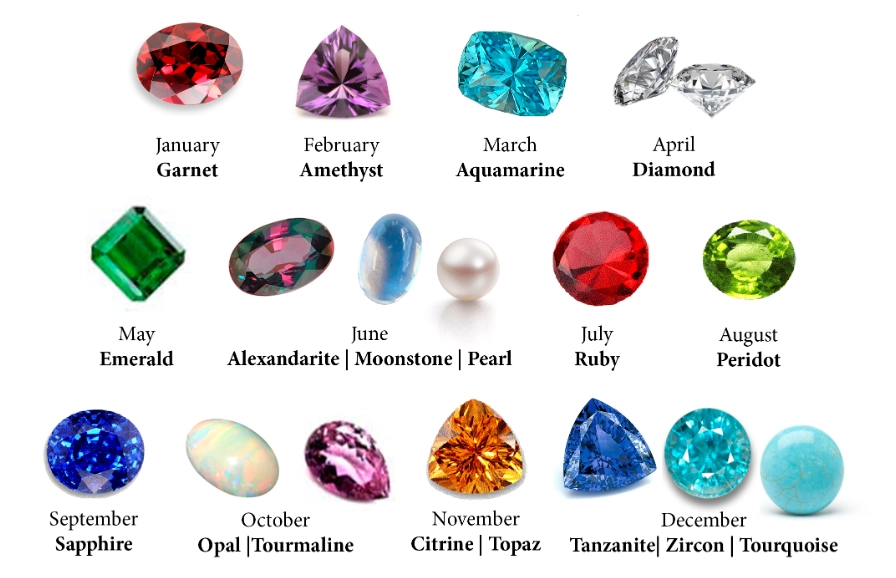
FAQ: Your Birthstone Questions Answered
 Birthstones are more than just pretty rocks—they're pieces of history and personal expression. Whether you're buying for yourself or as a gift, use this guide to make informed choices. Remember, the best birthstone is one that resonates with you, regardless of month or myth. Happy gem hunting!