Let's clear something up right away. The "official" list of birthstones we use today isn't some ancient, unchangeable law carved in stone (pun intended). It's actually a modern creation, largely standardized in 1912 by the National Association of Jewellers in the United States. The American Gem Society and other bodies like the Gemological Institute of America (GIA) have since adopted and occasionally updated it. This means the list has some flexibility—you might see garnet for January everywhere, but some lists offer alternative or modern stones. We'll stick to the most widely accepted, traditional list here, because that's what most people are looking for when they ask this question.
The idea of linking gems to months goes way back, though. Think Biblical times, with the twelve stones on the High Priest's breastplate. The modern system took that symbolism and made it personal. It's a beautiful tradition, giving everyone a personal connection to the mineral world.
Your Quick Guide to Birthstones
The Complete Month-by-Month List
Here’s the core of it. This table isn't just a list; it's your starting point. The color and Mohs hardness are crucial for understanding durability and appearance. A diamond (10) can handle daily wear far better than an opal (5.5-6.5).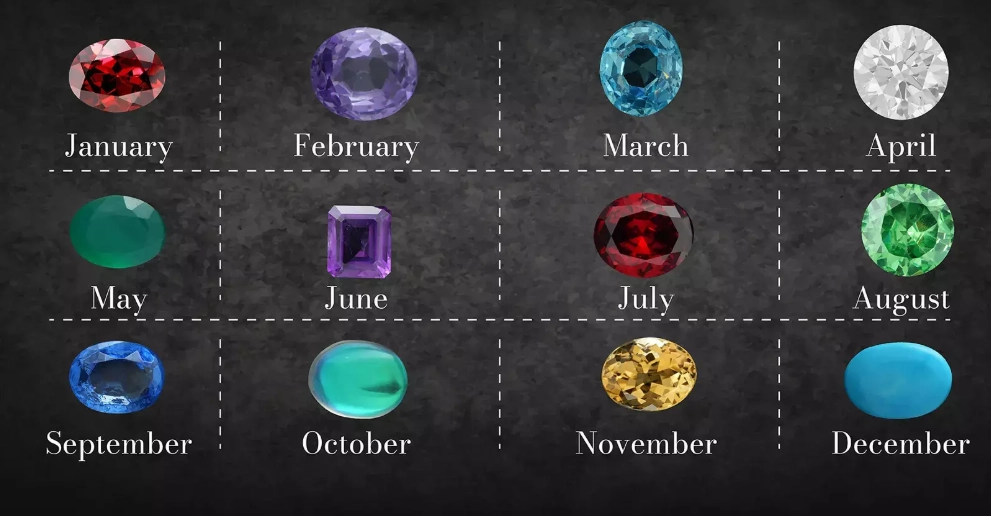
| Month | Birthstone | Color(s) | Mohs Hardness | Key Symbolism |
|---|---|---|---|---|
| January | Garnet | Deep Red (most common), also Green, Orange | 6.5 - 7.5 | Protection, friendship, trust |
| February | Amethyst | Purple, Violet | 7 | Peace, stability, courage |
| March | Aquamarine | Pale Blue to Blue-Green | 7.5 - 8 | Serenity, clarity, courage |
| April | Diamond | Colorless, also various hues | 10 | Strength, eternal love, innocence |
| May | Emerald | Rich Green | 7.5 - 8 | Rebirth, love, wisdom |
| June | Pearl / Alexandrite / Moonstone | White, Cream / Color-change (Green-Red) / Milky Sheen | 2.5-4.5 / 8.5 / 6-6.5 | Purity, luck, intuition |
| July | Ruby | Vivid Red | 9 | Passion, vitality, wealth |
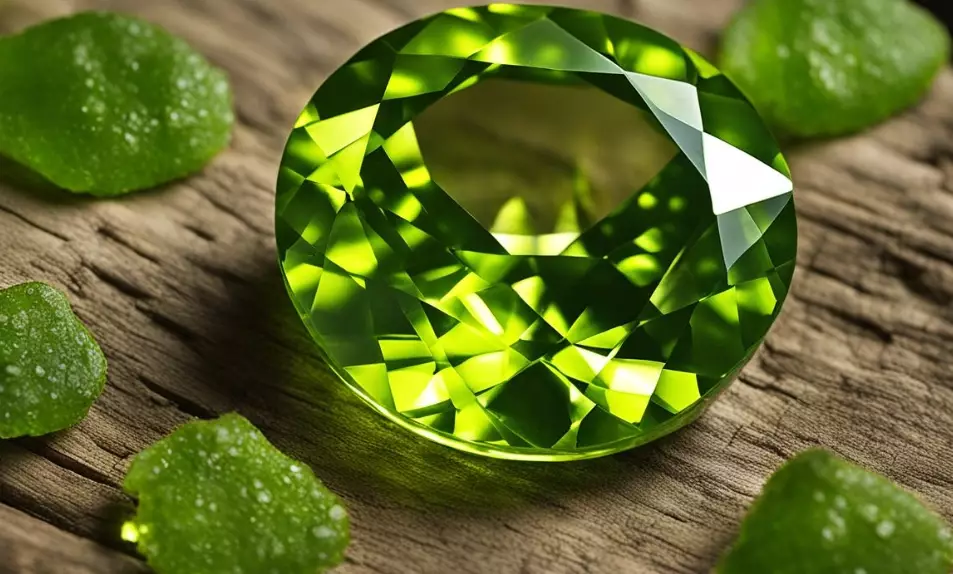
| August | Peridot / Spinel | Olive Green / Various (Red, Pink, Blue) | 6.5-7 / 8 | Strength, harmony, protection |
| September | Sapphire | Blue (classic), also Pink, Yellow, White | 9 | Wisdom, loyalty, nobility |
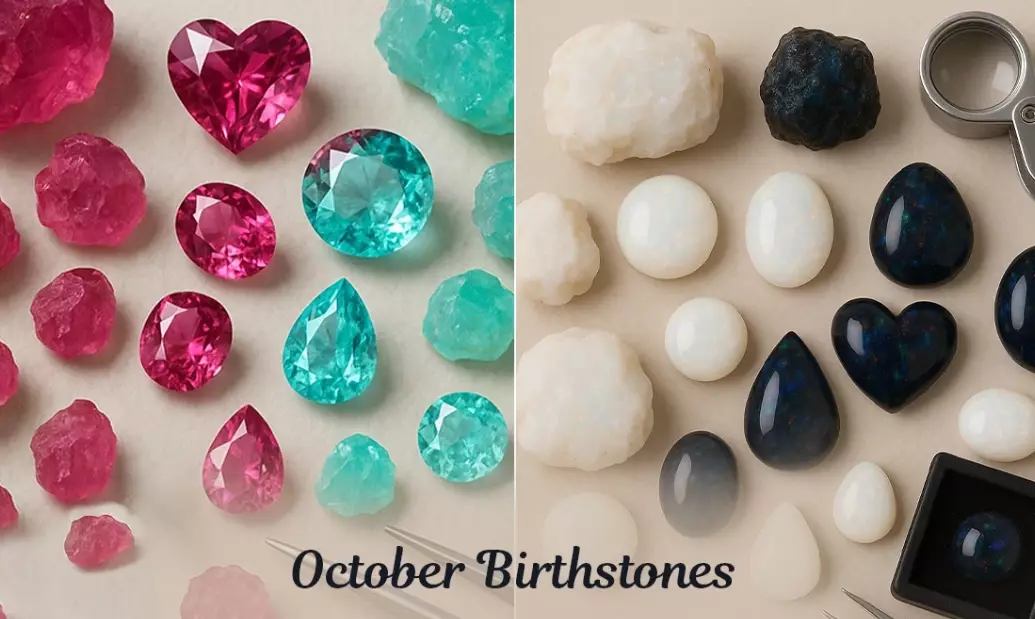
| October | Opal / Tourmaline | Play-of-Color / Virtually all colors | 5.5-6.5 / 7-7.5 | Hope, creativity, inspiration |
| November | Topaz / Citrine | Blue, Imperial Yellow / Yellow to Orange-Brown | 8 / 7 | Friendship, strength, joy |
| December | Tanzanite / Turquoise / Zircon | Blue-Violet / Blue-Green / Various (Blue common) | 6.5 / 5-6 / 6.5-7.5 | Transformation, success, prosperity |
A few things jump out from this list. June, October, November, and December have multiple stones. This often reflects updates to the list or regional preferences. For June, pearl is traditional, but alexandrite (rare and expensive) and moonstone are modern additions. My advice? Don't feel locked in. If you're a December baby who doesn't love blue, you have options within your month.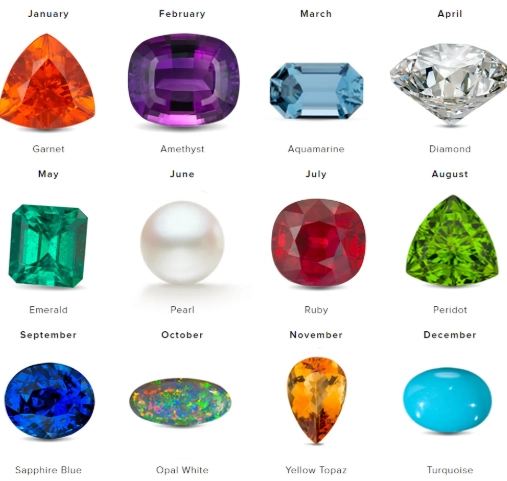
Beyond the Basics: What the List Doesn't Tell You
Most articles stop at the table. That's a mistake if you're actually thinking of buying something. Let's talk about the elephant in the room: durability versus beauty.
Look at October's opal. It's stunning, with its internal fire. But that hardness rating of 5.5-6.5? That means it's relatively soft and can be damaged by knocks, heat, and even sudden temperature changes. An opal ring for everyday wear is a risky choice. It's better suited for pendants or earrings. Similarly, pearls are delicate. They can be scratched easily and damaged by perfumes and acids (like vinegar or lemon juice).
Contrast that with September's sapphire. A hardness of 9 makes it second only to diamond. A sapphire can go in a ring, bracelet, or daily-wear necklace with minimal worry. This is the kind of practical info you need.
Another hidden detail: treatment. Many birthstones are routinely treated to enhance their color or clarity. This isn't necessarily bad—it makes beautiful gems affordable—but you should know about it.
- Almost all blue topaz on the market starts as colorless and is irradiated to get that sky-blue or London blue color. It's stable and accepted, but it's not "natural" color.
- Most tanzanite is heat-treated to bring out its beautiful violet-blue hue from a brownish base material. This treatment is permanent and expected.
- Many rubies and sapphires are heat-treated to improve color and clarity. An untreated, high-color ruby will cost a small fortune.
A reputable jeweller will disclose these treatments. If they don't, ask.
How to Choose Your Perfect Birthstone
So you know your stone. Now what? Buying birthstone jewelry can be overwhelming. Here's a framework I use after years in the trade.
First, decide on the purpose. Is this a daily-wear piece (like an engagement ring alternative or a signature ring)? Or is it for special occasions? Your answer immediately narrows the field. For daily wear, prioritize hardness (7.5 and above is safer). For occasional wear, you can consider the more delicate stones like opal, pearl, or emerald (which, despite its decent hardness, is often heavily included and can be brittle).
Second, be honest about your budget. Every stone has a range.
Pro Tip: You can often get a larger, more impressive-looking stone by opting for a less traditional color variety of your birthstone. A fancy yellow sapphire (still a September stone) will cost significantly less per carat than a fine blue sapphire. A green garnet (tsavorite or demantoid) for January is rarer than the common red almandine, but you might find a vibrant green stone more unique.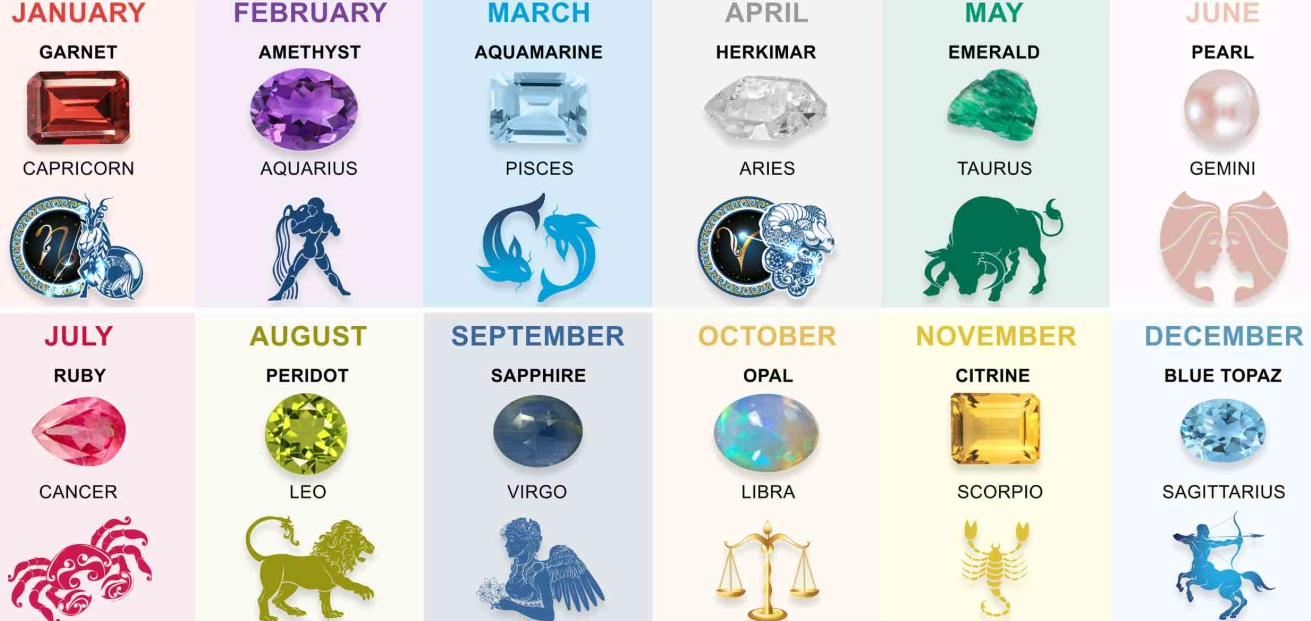
Third, consider the setting. This is where people mess up. A protective setting like a bezel or a halo is fantastic for a softer stone or for active lifestyles. A high-prong setting exposes more of the stone to light (great for sparkle) but also to potential damage. For a necklace or earrings, you have more flexibility since they encounter less wear and tear.
Don't forget metal choice. White metals (white gold, platinum) can make cool-colored stones like aquamarine, blue topaz, and tanzanite pop. Yellow gold warms up stones like citrine, peridot, and ruby beautifully. Rose gold is a stunning complement to morganite (not a birthstone, but popular) and some sapphires.
Caring for Your Birthstone Jewelry
Each gem family has its quirks. A one-size-fits-all cleaning method can ruin a piece.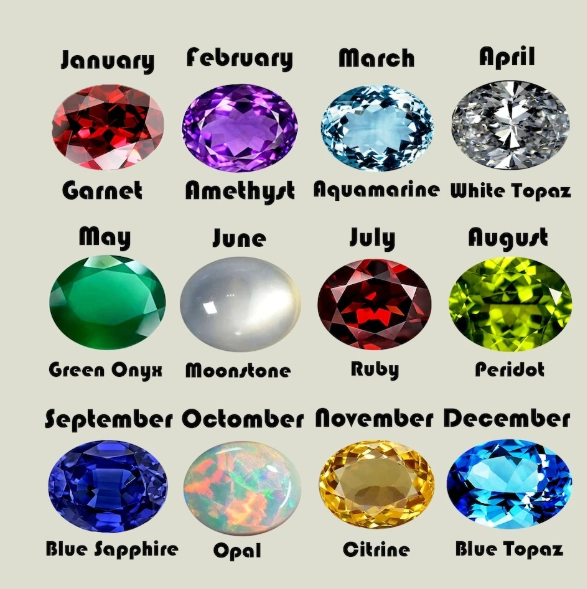
The Ultrasonic Cleaner Warning: This is the biggest pitfall. Never put the following in an ultrasonic cleaner: Emerald, Opal, Pearl, Tanzanite, Turquoise, Lapis Lazuli, or any fractured stone. The vibrations and heat can shatter them, remove treatments, or strip their luster. Stick to warm soapy water and a soft brush for these.
Stones that are generally ultrasonic-safe (but always check with your jeweller first): Diamond, Sapphire, Ruby, most garnets, quartz varieties (amethyst, citrine), and topaz.
Storage matters. Don't just toss everything in a box. Gems can scratch each other. Keep pieces separate in soft pouches or a fabric-lined box with compartments. Pearls especially need to breathe, so don't seal them in an airtight plastic bag.
Think about when you put jewelry on. Perfume, hairspray, and lotions can coat stones and damage some (like pearls and opals). Make jewelry the last thing you put on and the first thing you take off.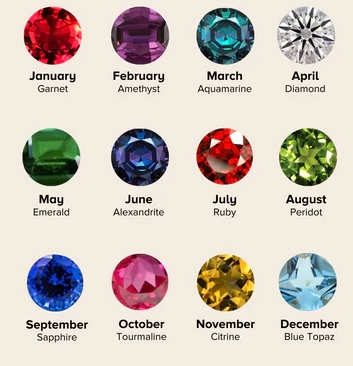
Birthstone Questions Answered
The world of birthstones is a blend of ancient history, modern marketing, geology, and personal taste. Use the official list as your map, but don't be afraid to wander off the path to find a gem that truly resonates with you. Whether it's the deep red of a garnet for January or the mysterious color-change of an alexandrite for June, the right stone is the one that you'll love wearing for years to come.
Remember, the most authoritative information on gemstones always comes from institutions like the Gemological Institute of America (GIA) or the Natural History Museum in London. Their resources are invaluable for deep dives into specific stones.