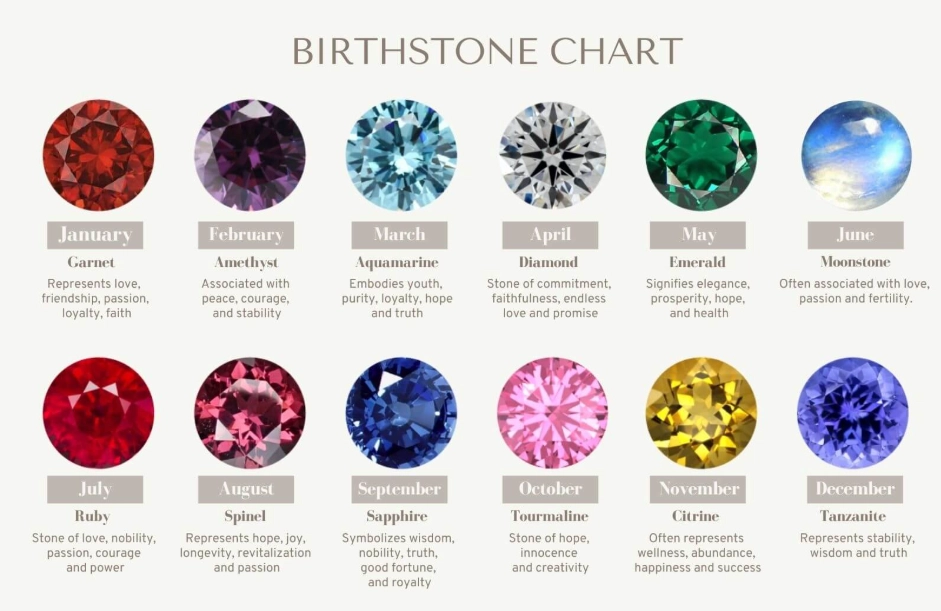
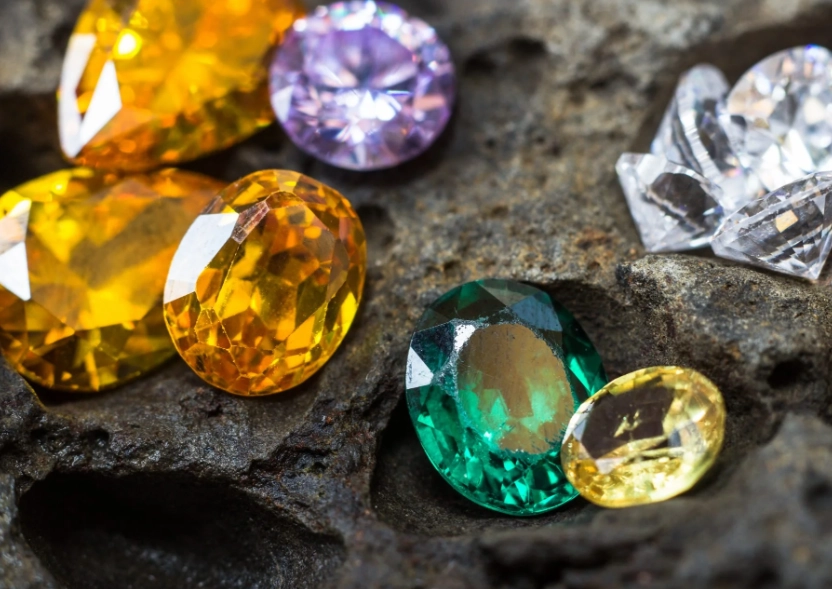
Let's be honest. You've seen those beautiful, colorful stones in shops, online, or on someone's wrist. You're curious. You hear names like "Amethyst" and "Citrine," but what about Carnelian? Or Labradorite? The world of semi precious stones is vast, and it's easy to feel lost between the poetic names and bold claims. This isn't about memorizing a dry list. It's a practical map to understanding what these stones actually are, how to spot the good ones, and how to use them without the fluff.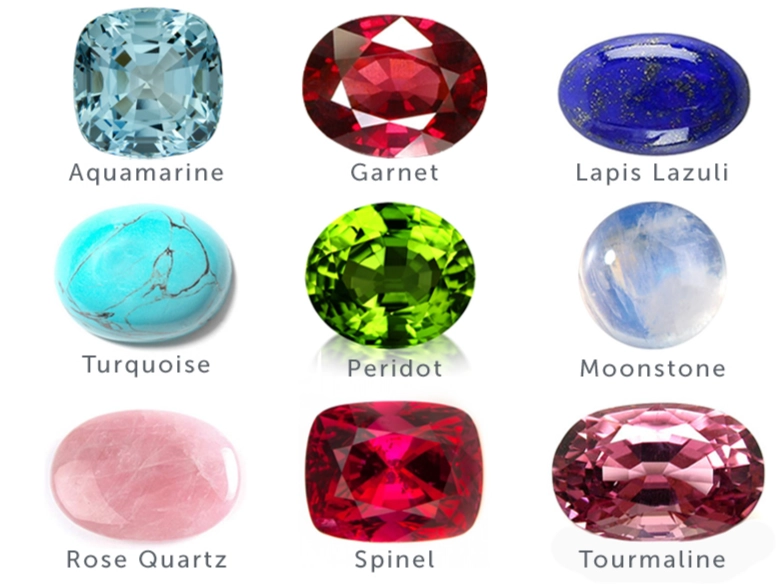
What's Inside This Guide
What Exactly Are Semi Precious Stones?
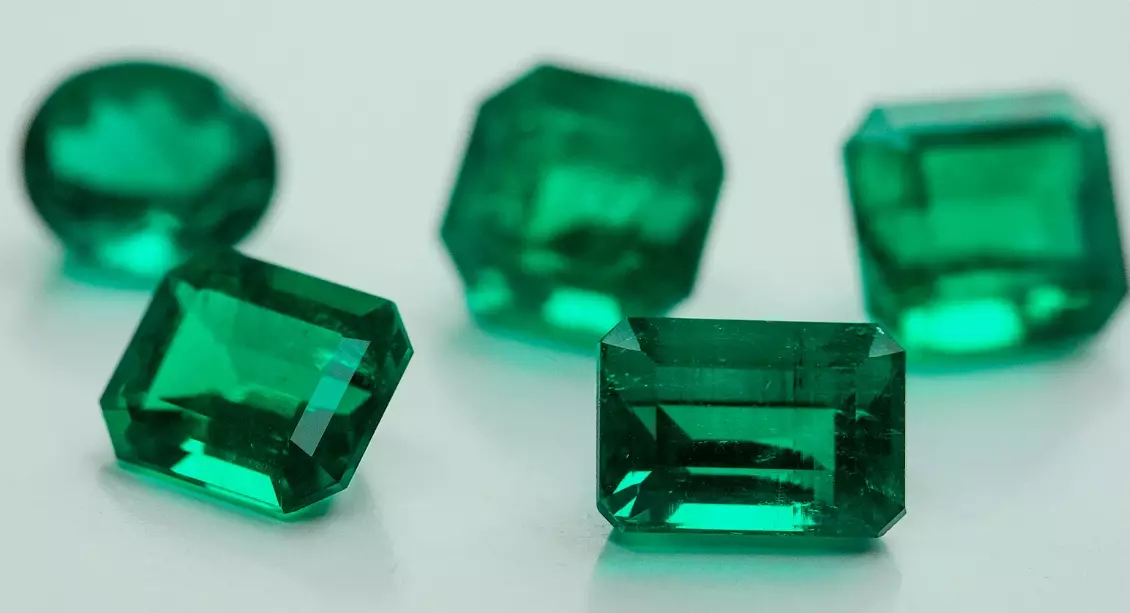
First, let's clear up the term. "Semi precious" is a traditional, somewhat outdated trade classification. It simply means any gemstone that isn't one of the "big four" precious stones: Diamond, Ruby, Emerald, and Sapphire. That's it. It doesn't mean they're less beautiful or valuable—many, like a fine Paraíba Tourmaline, can be far more expensive than a low-quality Emerald.
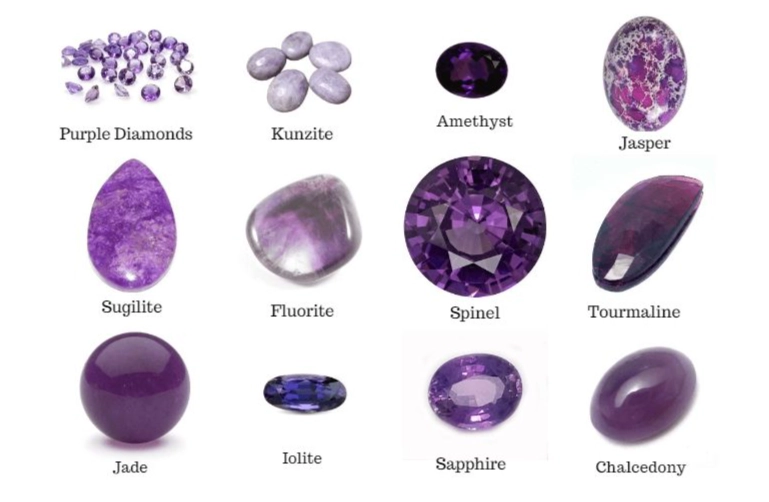
These stones are minerals, formed over millions of years. Their colors come from trace elements. Iron might give us Citrine's sunshine yellow, while manganese creates Amethyst's regal purple.
The appeal today goes beyond jewelry. Many people are drawn to their purported metaphysical properties. Whether you're a skeptic or a believer, understanding these associations helps you navigate the market. Resources like the Gemological Institute of America (GIA) provide the scientific backbone, while mineral databases like Mindat offer deep dives into geological data.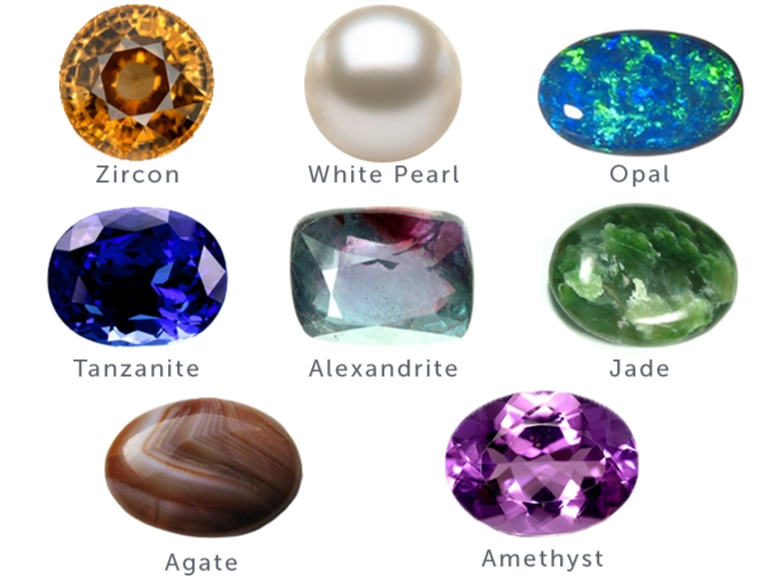
10 Must-Know Semi Precious Stone Names & What They Do
Here’s a rundown of stones you'll encounter constantly. Think of this as your core reference list.
| Stone Name | Key Color(s) | Mohs Hardness | Common Associations & Uses | Price Point (Tumbled) |
|---|---|---|---|---|
| Amethyst | Light to deep purple | 7 | Calm, intuition, stress relief. A classic for a reason. | $ - $$ |
| Rose Quartz | Pale pink | 7 | Unconditional love, self-care, emotional healing. | $ |
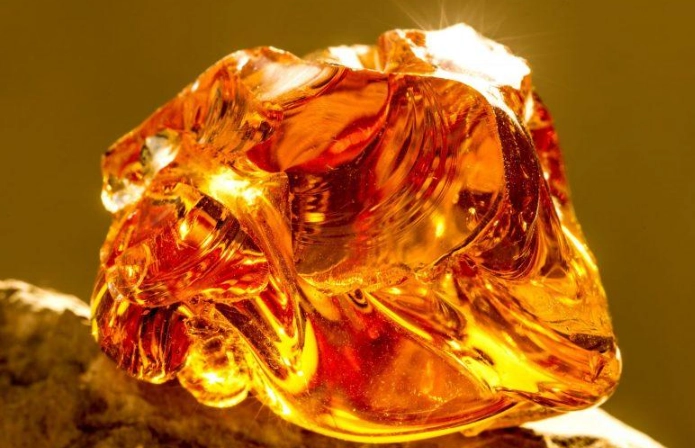
| Citrine | Yellow to orange-brown | 7 | Abundance, motivation, personal power. (Watch out for heat-treated Amethyst sold as Citrine). | $ - $$ |
| Clear Quartz | Transparent, white | 7 | The "master healer." Amplifies energy and intention. Perfect for beginners. | $ |
| Black Tourmaline | Opaque black | 7-7.5 | Grounding, protection, negative energy shielding. Often placed near doors or computers. | $ - $$ |
| Carnelian | Orange to reddish-brown | 7 | Courage, creativity, vitality. A great stone for motivation. | $ |
| Labradorite | Grey-base with colorful flash | 6-6.5 | Magic, intuition, transformation. The flash (labradorescence) is its signature. | $$ - $$$ |
| Sodalite | Deep blue with white veining | 5.5-6 | Logic, communication, inner peace. Looks a bit like Lapis Lazuli but is more affordable. | $ |
| Fluorite | Green, purple, blue, rainbow | 4 | Mental clarity, focus, learning. Beautiful but soft—not for everyday ring wear. | $ - $$ |
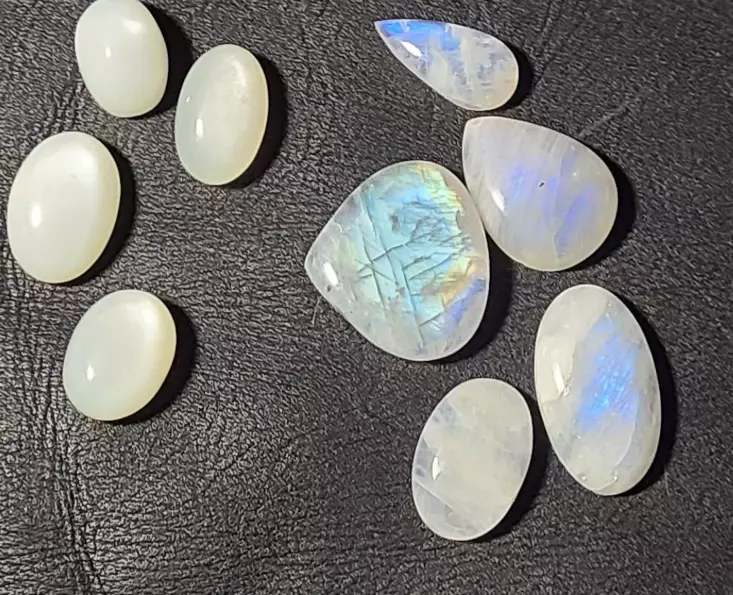
| Moonstone | Milky white with blue sheen | 6-6.5 | Feminine energy, intuition, new beginnings. The sheen (adularescence) is key. | $$ |
Hardness Note: The Mohs scale measures scratch resistance from 1 (talc) to 10 (diamond). Stones below 7 (like Fluorite, Selenite) are too soft for daily-wear rings but are fine for pendants or decorative pieces. Always consider hardness before buying jewelry.
How to Choose Your First Stone (Avoiding Common Pitfalls)
Don't just pick the prettiest one. That's how you end up with a fragile Selenite tower that chips when you look at it wrong. Here's a better approach.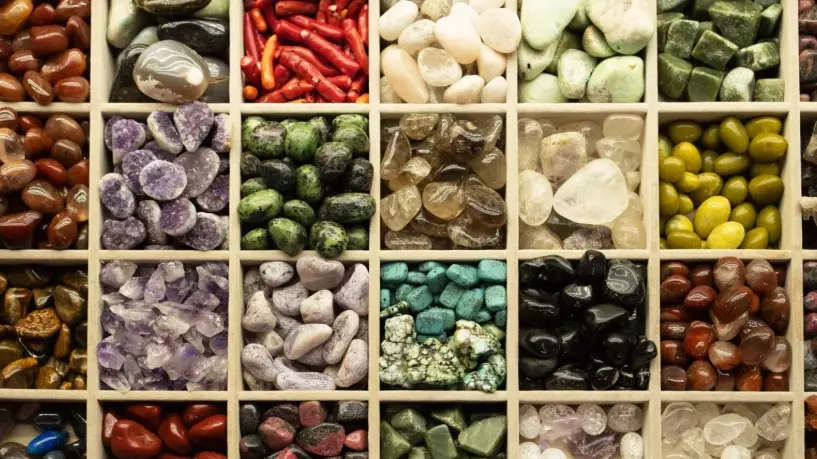
1. Identify Your 'Why'
Are you looking for jewelry? A meditation aid? A desk ornament? Your purpose dictates your choice.
For a ring you'll wear daily, prioritize hardness (7+). Quartz varieties (Amethyst, Citrine, Rose Quartz) are perfect. For a pocket stone you can fidget with, Carnelian or Aventurine are durable and affordable.
2. Buy With Your Eyes Open
The market is full of treated, dyed, and synthetic stones. There's nothing inherently wrong with that if you know what you're getting.
- Heat Treatment: Common for Citrine (often from Amethyst) and some Sapphires. It's stable and accepted.
- Dyeing: Howlite is often dyed blue to imitate Turquoise. It's usually obvious if you look at cracks where dye pools.
- Ask the seller. A reputable seller will disclose treatments. If they get defensive, walk away.
3. Start Small and Simple
Your first purchase shouldn't be a $500 specimen. Get a small, tumbled stone or a simple wire-wrapped pendant. See how it feels. Do you like carrying it? Does the color resonate with you? This low-stakes experiment is invaluable.
I made the mistake of buying a large, expensive Lemurian Quartz as my first piece because it was "powerful." It felt alien to me. I connected much more with a simple, inexpensive piece of Moss Agate I found later.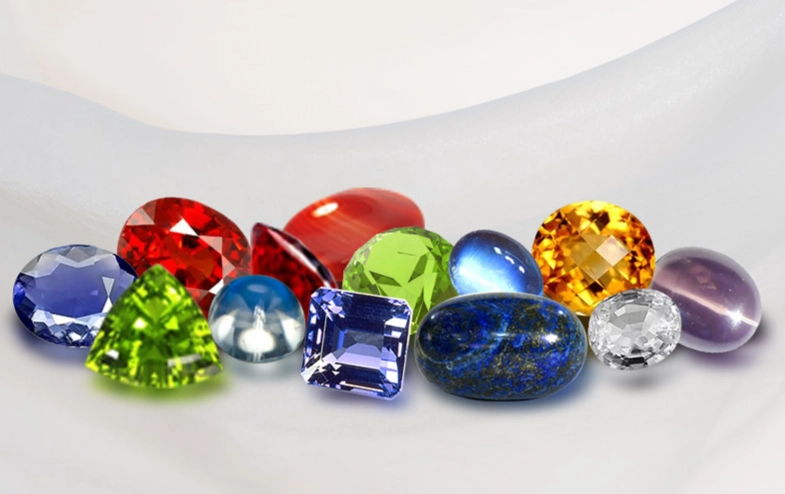
The Biggest Myth About Semi Precious Stones
Here's the expert take you won't hear from every crystal shop: They are not magic pills.
A Rose Quartz on your nightstand won't fix a toxic relationship. A Citrine in your wallet won't make money appear. Thinking this way sets you up for disappointment.
Instead, view them as tools for focus and reminder. Holding a Black Tourmaline during a stressful work call might ground you enough to take a deep breath. Placing a Carnelian on your desk can serve as a visual cue to start that creative project you've been avoiding. The power is in the intentionality you bring, not in the stone itself. This perspective turns them from passive trinkets into active tools for mindfulness.
A Necessary Reality Check: No credible scientific study validates the healing or metaphysical claims of crystals. Any benefits are considered anecdotal or placebo-based. Never use stones as a substitute for professional medical or psychological advice.
Simple Care and Cleansing Tips That Actually Work
You don't need elaborate rituals. Think basic maintenance.
- Cleansing (Resetting): If you use your stones with intention, it's good to clear that energy. Moonlight is safe for almost everything. Place them on a windowsill overnight. For a quick method, pass them through the smoke of sage or palo santo (smudge with care and respect).
- What to Avoid: Salt can damage porous stones (like Selenite, Malachite). Prolonged Sunlight can fade Amethyst, Rose Quartz, and Celestite. Water can damage stones with high iron content (like Pyrite or Hematite) or cause layers to separate (like Lapis Lazuli).
- Storage: Keep them separate in a soft cloth bag or a box with compartments. Harder stones can scratch softer ones.
Your Questions, Answered Honestly
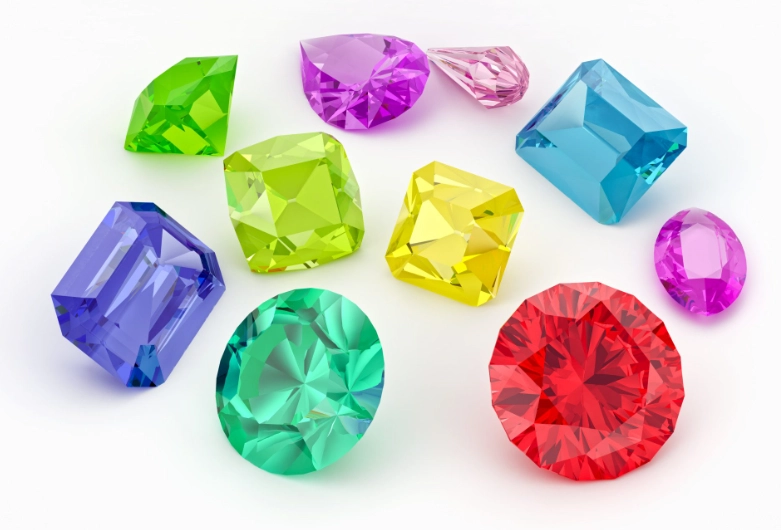 The world of semi precious stones is rich and fascinating. It blends geology, art, history, and personal belief. Start by learning the names and basic properties. Choose based on practicality as much as attraction. And remember, the most important connection is the one you form with the stone through your own intention and attention. Now you're equipped to explore beyond the sparkle.