Ask anyone to name a precious stone, and they'll likely say "diamond." Maybe "ruby" or "emerald." But if you press for a full list, most people stumble. The idea of "seven precious stones" is ancient, rooted in history, astrology, and sheer economics. Yet, the modern list isn't just about folklore—it's a specific club defined by extreme rarity, durability, beauty, and enduring value. So, what are the 7 precious stones? Let's cut through the confusion and look at the definitive list, why these gems made the cut, and what you really need to know if you're buying or admiring them.
Your Quick Guide to the 7 Precious Stones
How Are Precious Stones Defined?
First, let's ditch a common myth. The line between "precious" and "semi-precious" isn't a strict scientific rule. It's a classification born from the jewelry trade over centuries. According to authorities like the Gemological Institute of America (GIA), the traditional precious stones are distinguished by a brutal combination of factors: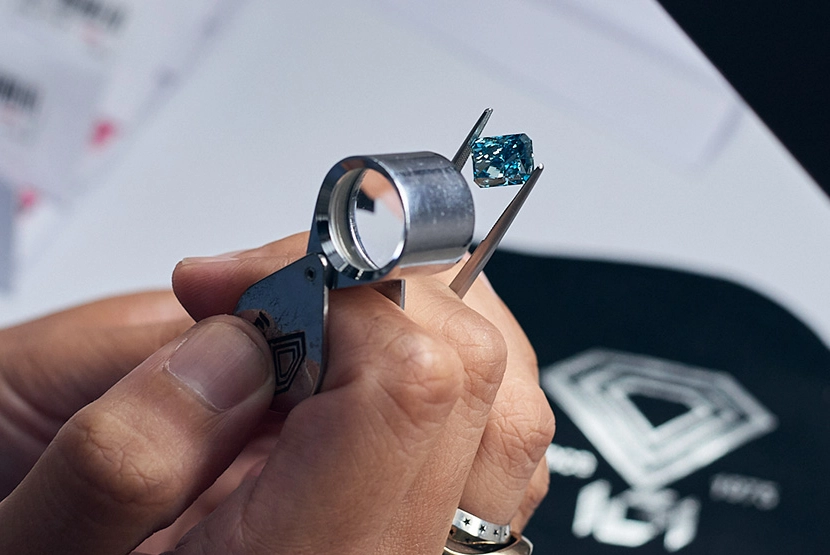
Rarity: This is the big one. They are found in very few locations, in limited quantities. A mine might yield tons of amethyst (semi-precious), but only a handful of carats of gem-quality ruby.
Hardness & Durability: They need to survive daily wear. The Mohs scale matters here. All precious stones are relatively hard (generally 7 and above), resisting scratches. Diamond is a 10, corundum (ruby/sapphire) is 9. Emerald is softer at 7.5-8, which is why it's often heavily included—those internal features can make it more prone to chipping if not set carefully.
Beauty (The "Wow" Factor): Color, clarity, brilliance, and fire. They possess an inherent, captivating beauty that has been coveted across cultures for millennia.
Historical Value & Tradition: They have a long, documented history of being used in royal regalia and high jewelry. This tradition cements their status and market demand.
Many gemologists now consider the "semi-precious" term outdated and misleading, as stones like tanzanite or fine paraíba tourmaline can be rarer and more valuable than a low-quality sapphire. But the "precious" label sticks for these seven for good reason.
The Definitive List of the 7 Precious Stones
Here they are. Don't just memorize the names—understand what makes each one special. I've thrown in rough price ranges for decent quality stones to give you a sense of scale, but remember, at the top end, prices go astronomical.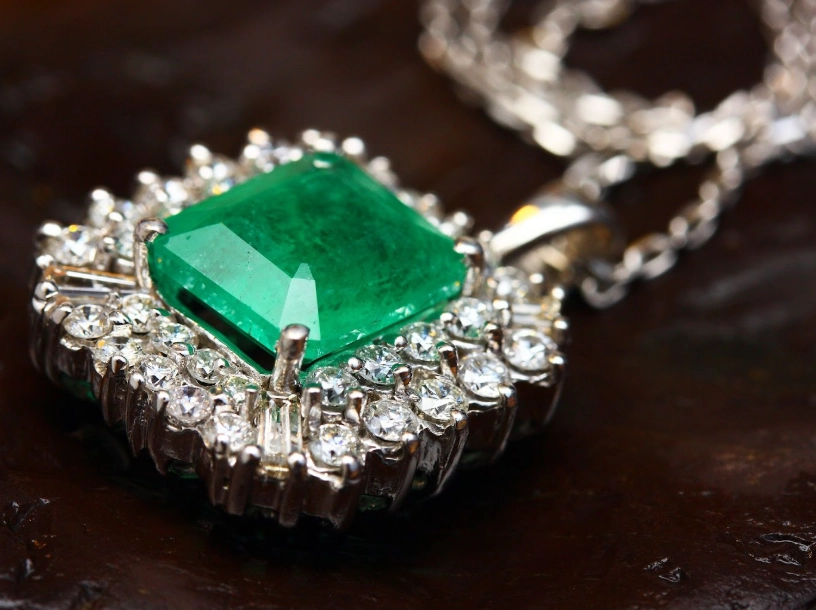
| Precious Stone | Key Mineral | Mohs Hardness | Iconic Color & Why It's Special | Notable Source (For the Best) | Price Range (Per Carat, Good Quality)* |
|---|---|---|---|---|---|
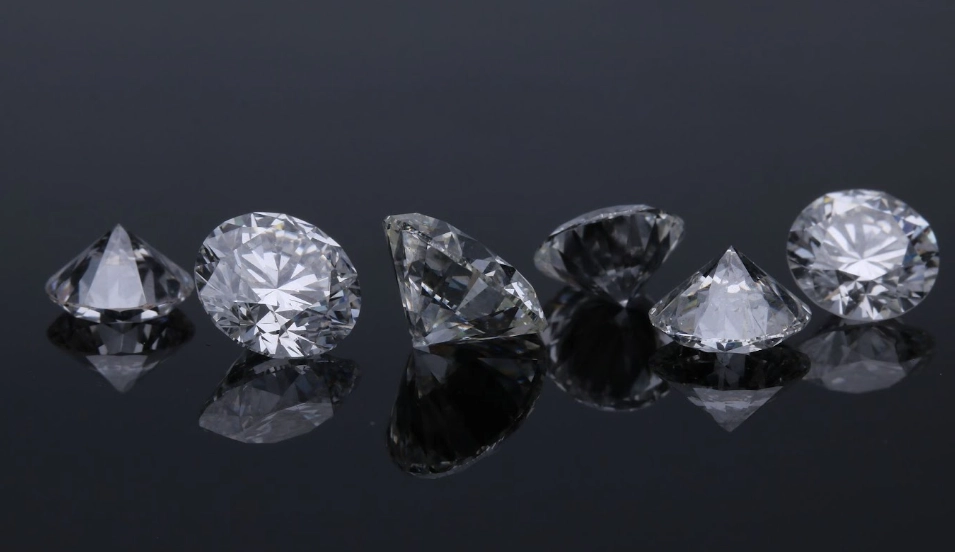
| 1. Diamond | Carbon | 10 | Colorless (but comes in many "fancy" colors). Unmatched brilliance and hardness. The ultimate symbol of durability. | Botswana, Russia, Canada, Australia | $5,000 - $50,000+ (Fancy colors like red or blue can exceed $1M/carat) |
| 2. Ruby | Corundum (Aluminum Oxide) | 9 | Vivid red (from chromium). The "king of gems." The finest color is "pigeon's blood" red. | Mogok, Myanmar (Burma); Mozambique | $3,000 - $30,000+ (Top Burmese can be $100,000+/carat) |
| 3. Sapphire | Corundum (Aluminum Oxide) | 9 | Blue (from iron/titanium), but all colors except red. Known for excellent durability and rich color. | Kashmir (India), Sri Lanka, Myanmar | $1,500 - $20,000+ (Kashmir cornflower blue is legendary) |
| 4. Emerald | Beryl (Beryllium Aluminum Silicate) | 7.5-8 | Vivid green (from chromium/vanadium). Almost always included (jardins). The inclusions are part of its identity. | Muzo, Colombia; Zambia | $2,000 - $25,000+ (Clean, vibrant Colombian stones command huge premiums) |
| 5. Alexandrite | Chrysoberyl | 8.5 | Color-change (green in daylight, red/purple in incandescent light). Incredibly rare, especially in larger sizes. | Russia (original), Brazil, Sri Lanka | $15,000 - $70,000+ (The price skyrockets with dramatic color change) |
| 6. Jadeite Jade | Jadeite (Sodium Aluminum Silicate) | 6.5-7 | "Imperial Green" – a translucent, vibrant emerald-green. Culturally immense in Asia. Valued for carving and texture. | Myanmar (Burma) | Varies wildly (Fine Imperial Green beads can be $50,000+/carat for a set) |
| 7. Pearl | Organic (Calcium Carbonate) | 2.5-4.5 | Lustrous white, cream, black, gold. The only organic gem. Value is in luster, surface, shape, size, and color. | South Sea (Australia/Philippines), Tahiti, Japan | $500 - $10,000+ (A strand of matched South Sea pearls can be $100,000+) |
*Prices are highly volatile and depend on the 4Cs (Color, Clarity, Cut, Carat), origin, treatment, and market trends. This is a rough guide, not a quote.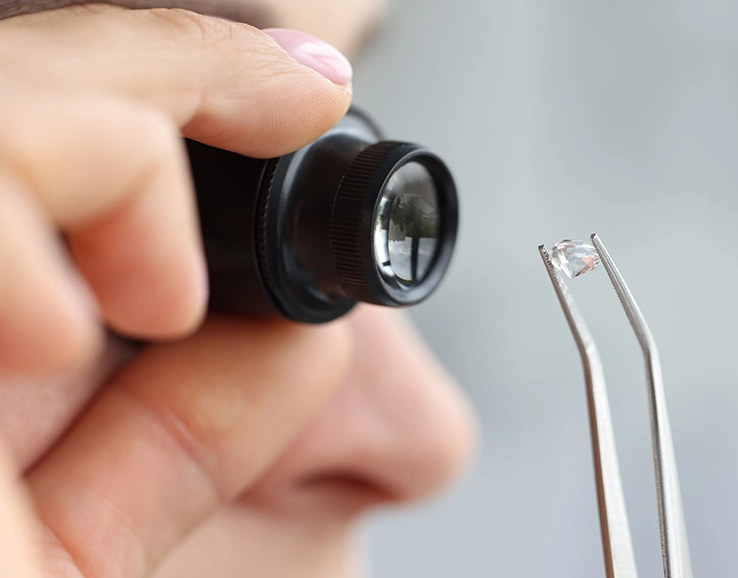
An Expert's Side Note on Alexandrite
Most people will never see a natural Alexandrite in their lives. The market is flooded with synthetic versions and simulants. A true, fine natural Alexandrite over 1 carat is a museum piece. If a dealer offers you a large, clean, color-change stone for a "good price," it's almost certainly synthetic corundum (sapphire) treated to mimic the effect. Always, always get a report from a major lab like GIA or AGL for any claimed Alexandrite.
Why These Seven? The Real Reasons Behind the Rarity
It's not random. Geology and chemistry conspired to make these specific combinations exceptionally difficult to form.
Take diamond. It needs carbon subjected to immense pressure and heat about 100 miles deep in the Earth's mantle, then shot to the surface via volcanic pipes in a very specific, rapid journey. Most diamonds that form never make it up.
Ruby and sapphire are corundum. Pure corundum is colorless (it's what makes a white sapphire). For a ruby, you need just the right amount of chromium impurity in exactly the right geological environment. Too much or too little, and you don't get that perfect red. The finest blue sapphires from Kashmir formed under unique conditions that created microscopic inclusions that scatter light, giving them a velvety, sleepy appearance—a trait nearly impossible to replicate.
Emerald is a nightmare to form cleanly. Beryl (its mineral) usually forms in conditions devoid of chromium. Emeralds need beryl-forming environments to collide with chromium-bearing rocks, often through violent tectonic activity. This chaotic process is why emeralds are almost always heavily included.
The color-change in Alexandrite is a freak of optical physics due to specific trace elements (chromium) and the crystal structure's interaction with different light wavelengths. Finding that perfect chemical balance in nature is staggeringly rare.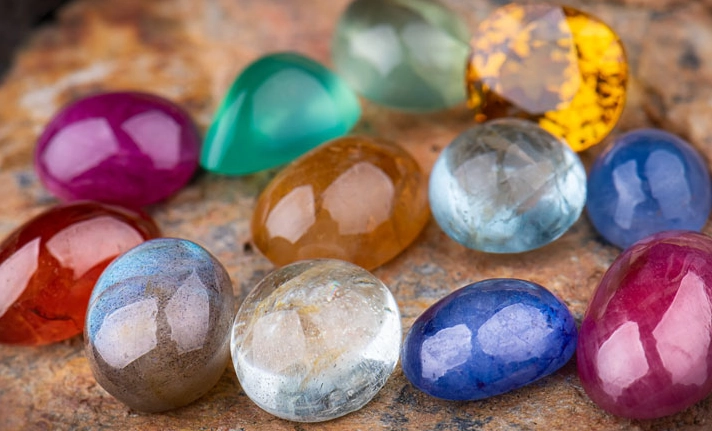
How to Identify and Value Precious Stones
You're not expected to be a gemologist. But you can be a smart buyer or enthusiast.
1. Certificates Are Your Best Friend. For any significant purchase, insist on a report from a reputable, independent gemological laboratory (GIA, AGS, Gübelin, SSEF). This isn't an "appraisal" for insurance—it's a scientific report identifying the stone, its measurements, and crucially, any treatments.
Here's the insider detail many miss: Most precious stones are treated. Almost all rubies and sapphires are heat-treated to improve color and clarity. This is accepted and expected, but it must be disclosed. Emeralds are routinely filled with oils or resins to hide fractures. A certificate tells you exactly what was done, which massively impacts value. An unheated, untreated Burmese ruby is worth 5-10x more than a heated one of similar appearance.
2. Understand the 4Cs, But Know Which "C" Rules. For diamonds, cut is king. For colored stones, color is everything. A slightly included, vibrant, well-saturated color will always be worth more than a clean, pale, or dull stone. With pearls, it's all about luster (the sharpness of the reflection on the surface). A perfectly round pearl with low luster looks like plastic.
3. Origin Matters (A Lot). A ruby from Myanmar (Burma), a sapphire from Kashmir, an emerald from Colombia—these origins carry a premium because historically, they've produced the best colors. The lab report can often determine origin based on trace element "fingerprints." This is a major value driver.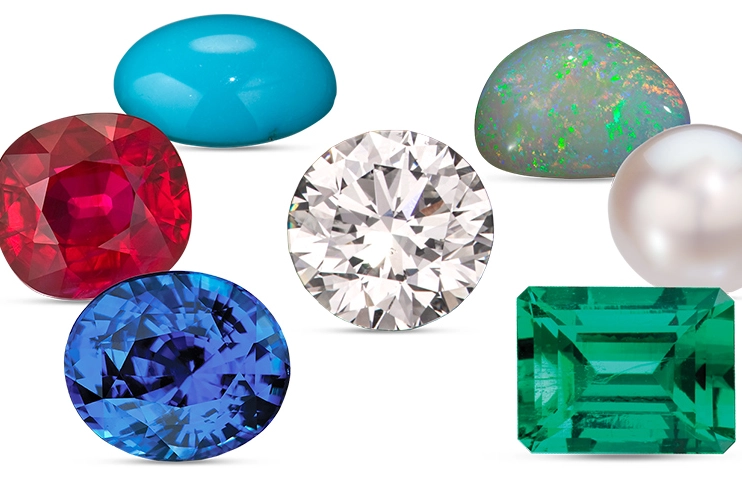
The Modern Landscape: Are These Terms Still Relevant?
Honestly, the binary "precious vs. semi-precious" system is breaking down. The International Colored Gemstone Association (ICA) officially discourages the term "semi-precious" because it undervalues incredible gems like tourmaline, spinel, and tsavorite garnet.
Today, it's more useful to think in terms of commercial value, rarity, and durability. A vivid red spinel (once mistaken for ruby) can be more valuable than a low-quality sapphire. A fine paraíba tourmaline (that electric blue-green) is rarer than most sapphires.
However, the "7 precious stones" list endures because it represents a historical and cultural benchmark of ultimate rarity and desire. It's a useful starting point, but don't let it blind you to the wonders of the wider gem world.