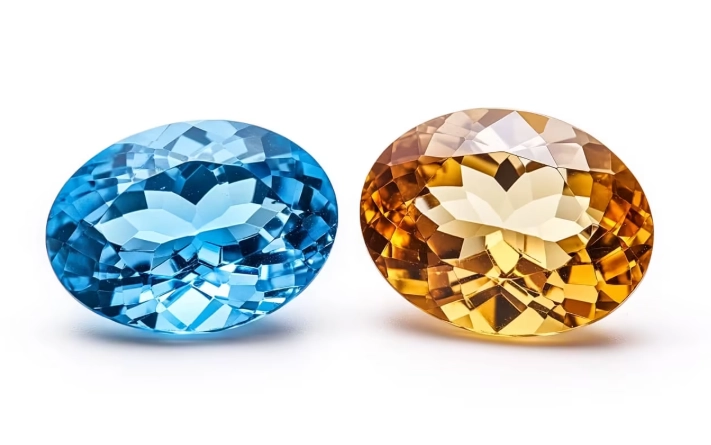
Let's clear something up right away. The term "semi precious" is a bit of a misnomer, a holdover from an older, less nuanced time in gemology. It creates a false dichotomy. A top-quality, vivid Paraiba tourmaline can be worth tens of thousands per carat, while a low-quality, commercial diamond might be almost worthless by comparison. So when we talk about semi precious stones value, we're not talking about a second-tier category. We're talking about a vast and fascinating world where value is dictated by a complex, often misunderstood, interplay of beauty, rarity, and market desire.
I've spent over a decade in this trade, from dusty mining markets to high-end jewelry shows. The most common frustration I hear? "I have no idea what this is really worth." Whether you're inheriting a piece, considering a purchase, or just curious about the stone in your ring, understanding value is power. It keeps you from overpaying at a boutique or undervaluing a treasure at a pawn shop.
What's Inside This Guide?
What Exactly Are Semi Precious Stones?
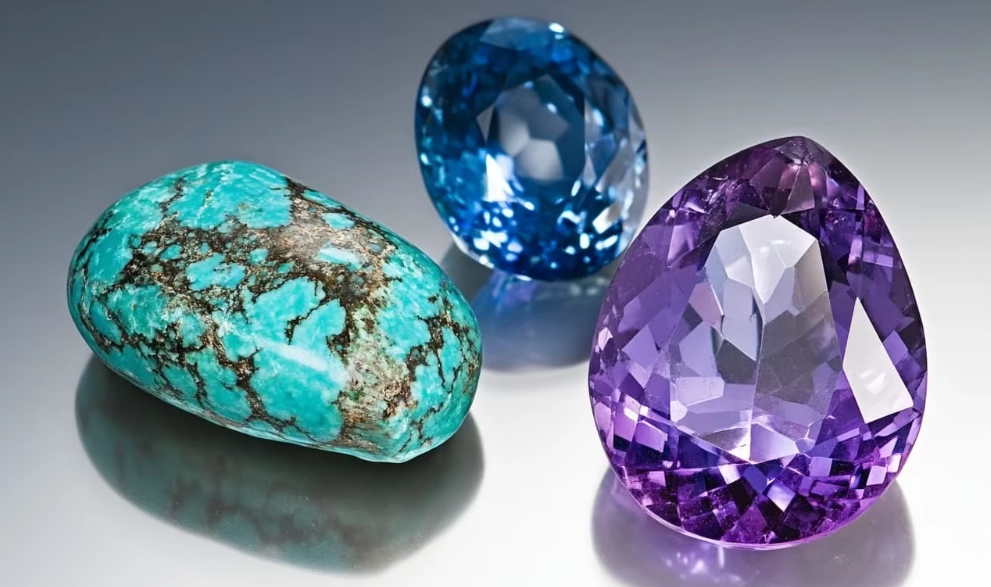
Forget the "semi." Think of them as all the other beautiful gemstones that aren't diamond, ruby, emerald, or sapphire (the "big four" traditionally called precious). This includes a stunning array: the royal purple of amethyst, the fiery orange of carnelian, the oceanic blues of aquamarine and topaz, the lush green of jade and peridot. The list is long and glorious.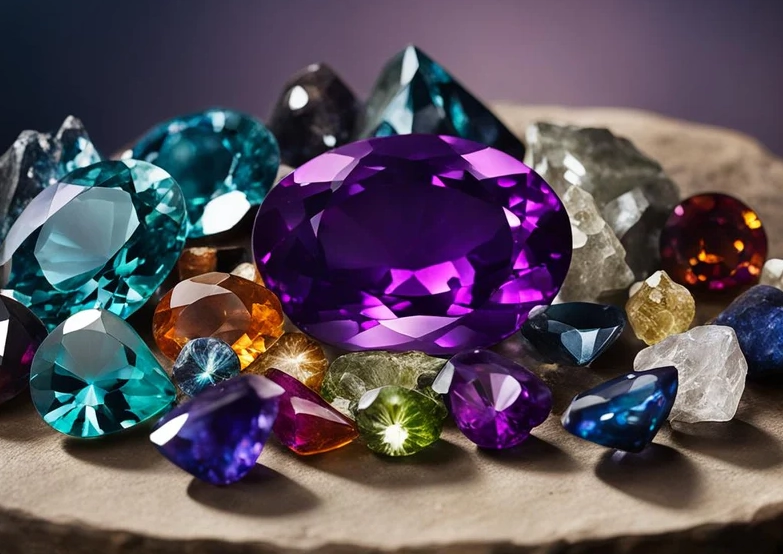
Their value isn't inherent in the name. It's built from the ground up, based on specific, measurable qualities. A common mistake is lumping them all together. The value drivers for a transparent faceted gem like a citrine are completely different from those of an opaque, carved stone like turquoise or lapis lazuli.
The 4Cs (And More) of Semi Precious Stone Value
You've heard of the 4Cs for diamonds. They apply here too, but the weighting shifts dramatically.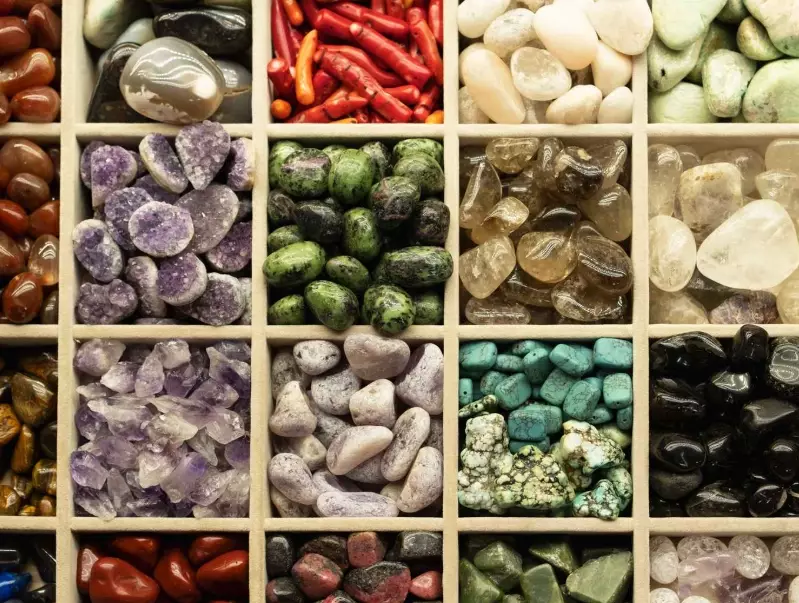
1. Color: The King of Value
For most colored gemstones, color is everything. It's not just hue (red, green, blue), but three critical components:
- Tone: How light or dark is it? The most valuable stones usually have a medium to medium-dark tone. Too light looks washed out; too dark loses brilliance.
- Saturation: The intensity or purity of the color. A vivid, electric blue is worth exponentially more than a grayish, muted blue of the same stone type. This is where the magic happens.
- Hue: The specific shade. In tourmaline, a pure pink or a neon "Paraiba" greenish-blue commands a premium. In sapphire, a velvety cornflower blue is the classic ideal.
I once saw two amethyst rings side-by-side. One was a pale, lifeless lilac. The other was a deep, saturated "Siberian" purple with red flashes. The price difference was 15x. Color did that.
2. Clarity: Eye-Clean vs. Included
Unlike diamonds, inclusions (internal flaws) are often expected and sometimes even desired as proof of natural origin. The standard is "eye-clean"—no visible inclusions to the naked eye. A stone that's clean under 10x magnification is rare and valuable. Some stones, like emerald or red tourmaline (rubellite), are almost always included. The key is whether the inclusions threaten the stone's durability or severely obstruct light.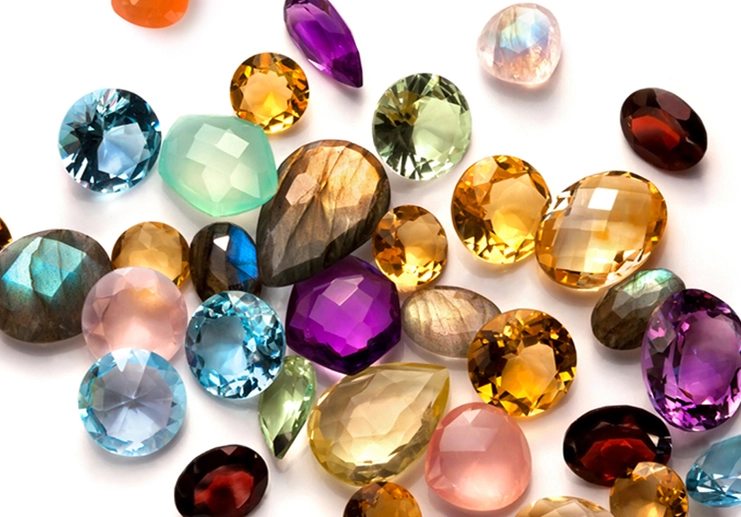
3. Cut: The Artisan's Fingerprint
A good cut isn't just about shape. It's about how well the cutter has oriented the rough crystal to maximize color and brilliance, and how precisely they've placed the facets to reflect light. A poorly cut stone can "window" (look see-through in the center) or look dead. A masterful cut brings the stone to life. For cabochons (smooth, domed cuts), look for a high, symmetrical dome and good polish.
4. Carat Weight: The Nonlinear Scale
Price per carat increases with size, and not in a straight line. A 5-carat stone of high quality will cost much more per carat than a 1-carat stone of the same quality. Why? Large, clean, colorful rough material is exponentially rarer. However, remember my opening point: a large, poorly colored stone's value plateaus fast.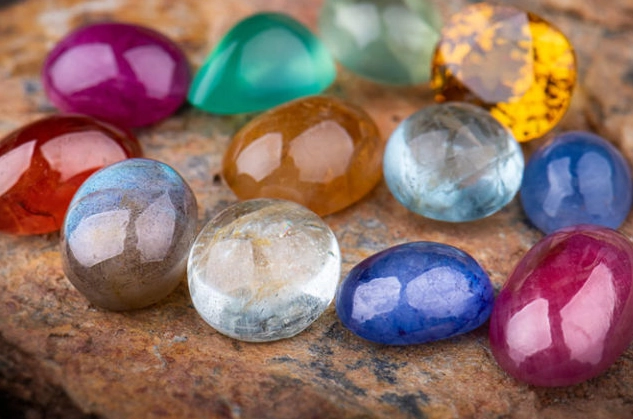
The Critical "Fifth C": Treatment
This is the biggest value wildcard. Most semi precious stones on the market are treated to improve color or clarity.
- Heating: Common for sapphire, aquamarine, citrine, and tanzanite. It's generally accepted and stable, but must be disclosed. A heated stone is less valuable than a natural, unheated one of equal appearance.
- Irradiation: Used for some topaz and tourmaline to create blues and pinks.
- Filling/Fracture Filling: Using oil, resin, or glass to hide cracks in emeralds or rubies. This is a major value reducer, as the filler can degrade or react to cleaning.
- Dyeing: Common for porous stones like howlite (to imitate turquoise) or agate. Dyed stones have very low intrinsic value.
Always, always ask: "Has this stone been treated, and if so, how?" Reputable sellers will tell you.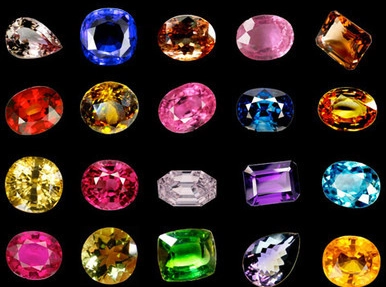
Market Realities: What Actually Sells (And For How Much)
Let's get concrete. Here’s a rough, real-world price spectrum for faceted, good commercial quality stones (per carat, retail). These are ballpark figures and can soar for exceptional pieces or drop for poor quality.
| Gemstone | Lower End (Commercial Grade) | Higher End (Fine Quality) | Notes on Value Drivers |
|---|---|---|---|
| Amethyst | $5 - $20/ct | $30 - $100+/ct | Deep, saturated "Russian" purple with red flashes commands top price. Pale material is abundant. |
| Citrine | $3 - $15/ct | $20 - $50/ct | Vivid, natural "Madeira" orange-red is most valuable. Most citrine is heat-treated amethyst. |
| Blue Topaz (London/Swiss) | $10 - $30/ct | $40 - $80/ct | Almost always irradiated. The intense, darker blues are more popular. |
| Peridot | $20 - $50/ct | $75 - $200+/ct | A rich, lively "lime" green without brown undertones. Larger clean stones are rare. |
| Tanzanite | $100 - $300/ct | $500 - $1500+/ct | Heated to achieve blue-violet hue. Strong saturation and larger sizes cause price to jump sharply. |
| Tsavorite Garnet | $200 - $500/ct | $1000 - $3000+/ct | A vibrant green garnet. Clean stones over 2 carats are rare and expensive. No treatments. |
Beyond the stone itself, market trends matter. Stones from a specific, depleted mine (like certain Russian demantoid garnet or classic Burmese spinel) carry a premium. Designer or celebrity trends can temporarily spike demand for a particular stone.
How to Determine the Value of Your Semi Precious Stone
You have a stone. Now what? Follow this path.
Step 1: Identify It. This is non-negotiable. You can't value what you don't know. Use online resources from the GIA Gem Encyclopedia for visual comparisons, but be cautious. Many stones look alike (e.g., glass vs. quartz, blue topaz vs. aquamarine).
Step 2: Examine the 4Cs & Treatment. Under good light, assess color saturation, look for visible inclusions, judge the cut's symmetry. Use a jeweler's loupe (10x magnification) if you have one. Look for signs of treatment: overly perfect clarity, concentration of color in cracks (dye), or a vendor's reluctance to discuss it.
Step 3: Get a Professional Appraisal. For any stone you suspect has significant value, this is the only reliable step. Seek out an independent, certified gemologist appraiser (look for GG, FGA, or similar credentials). They will issue a report detailing the stone's identity, weight, dimensions, color, clarity, cut, and any treatments, and provide an insurance replacement value or fair market value. This costs money ($75-$300+), but it's essential for accurate valuation, insurance, or sale.
Step 4: Understand the Value Context. A stone's value differs based on context. Retail Replacement Value (for insurance) is highest. Resale Value (to a dealer or private party) is typically 20-50% of retail. Auction Value is unpredictable and only relevant for rare, museum-quality pieces.
Smart Buying: Getting True Value for Your Money
When you're the buyer, flip the script. Your goal is to ensure the price reflects the true semi precious stones value.
- Buy the Stone, Not the Story: "Ancient healing powers" or "rare find from a secret mine" are marketing, not valuation factors. Focus on the observable qualities.
- Prioritize Color and Cut: A smaller stone with fantastic color and a brilliant cut will always look and hold value better than a larger, dull one.
- Demand Disclosure: Before purchasing, get a written note specifying the gemstone type (e.g., "natural citrine") and any treatments (e.g., "heated").
- Compare Settings: A sterling silver setting suggests the seller doesn't expect a high-value stone. Gold or platinum settings are more common for finer gems, but don't let a fancy setting distract from evaluating the stone itself.
- Use Reputable Sources: Established gem and jewelry trade shows, specialized gemstone dealers, and auction houses with gemological expertise are safer bets than random online marketplaces for anything beyond trivial pieces.
At the end of the day, the greatest value often isn't monetary. It's the personal connection, the beauty that speaks to you. But understanding the market mechanics ensures that connection isn't built on an overpayment or a misunderstanding. It lets you appreciate the stone for what it truly is—a piece of the Earth, shaped by time and human skill, with a worth defined by a clear, knowable set of rules.