Let's cut to the chase: the term "semi-precious" is a bit misleading. It's not about being half-precious or inferior. In reality, it's a historical label that stuck around, and it covers a huge range of stunning gems—from amethyst to zircon. If you've ever browsed jewelry online or visited a gem show, you've probably seen this term tossed around. But what does it actually mean? I've been collecting and studying gems for over a decade, and I've seen how confusion over this label leads to bad buys. This guide will clear things up, list the key stones, and give you practical tips to navigate the market.
In This Guide
- What Exactly Are Semi-Precious Stones?
- The Historical Context: Why the Distinction Matters
- Top 10 Most Popular Semi-Precious Stones
- How to Identify Semi-Precious Stones: A Practical Guide
- Semi-Precious vs. Precious: The Real Difference
- Buying Tips: What to Look For
- Common Misconceptions and Pitfalls
- FAQ: Your Questions Answered
What Exactly Are Semi-Precious Stones?
Semi-precious stones are essentially all gemstones that aren't classified as precious. The precious club is tiny: diamond, ruby, sapphire, and emerald. Everything else—think amethyst, topaz, garnet, you name it—falls into semi-precious. But here's the kicker: this isn't a scientific term. Organizations like the Gemological Institute of America (GIA) avoid it because it's vague. They focus on properties like hardness, clarity, and color instead.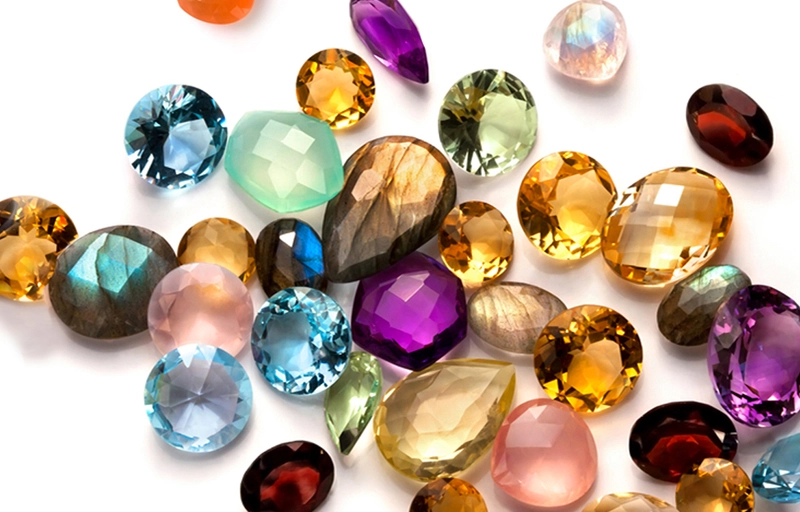
Why does this matter? If you're buying jewelry, labeling a stone as semi-precious can make it seem cheaper, but some are rarer than precious ones. Take paraiba tourmaline—a vivid blue-green stone that can fetch over $10,000 per carat. Compare that to a low-quality sapphire selling for $100, and the line blurs.
Key point: Semi-precious doesn't mean low-value. It's a marketing term rooted in history, not gemology.
The Historical Context: Why the Distinction Matters
The split dates back centuries. In ancient times, gems like diamond and ruby were reserved for royalty due to their scarcity and symbolism. Emeralds were linked to Cleopatra, sapphires to medieval kings. As trade expanded, other stones became accessible, but the "precious" label stuck for those four. By the 19th century, jewelers used it to create hierarchy and justify prices.
Today, it's still used in retail. Walk into a store, and you'll see "semi-precious" sections. But in my experience, this can mislead buyers. I've met people who avoided beautiful spinel because they thought it was "just semi-precious," not realizing spinel has been mistaken for ruby in historic crowns. The British Imperial State Crown has a "Black Prince's Ruby" that's actually spinel.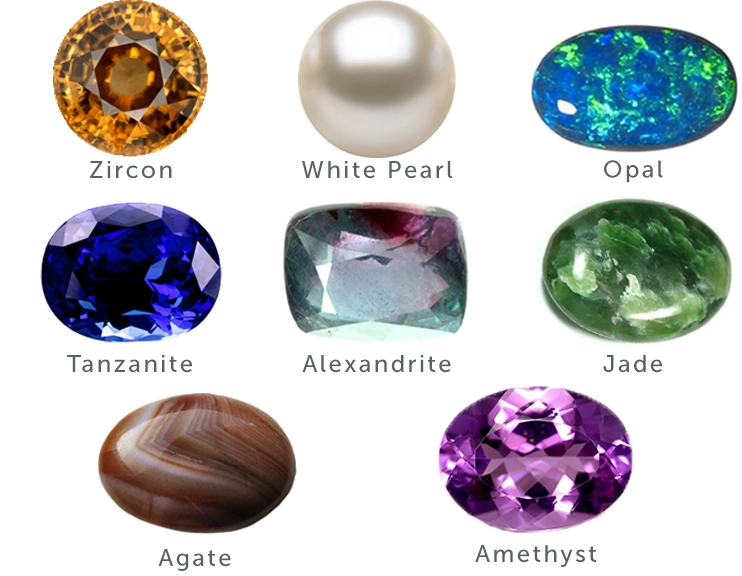
Top 10 Most Popular Semi-Precious Stones
Here's a rundown of common semi-precious stones, with specifics to help you recognize them. I've included hardness on the Mohs scale (1-10, where 10 is diamond), typical colors, and price ranges per carat for decent quality. Prices vary wildly based on origin and clarity.
| Stone | Mohs Hardness | Key Colors | Approx. Price per Carat | Notable Sources |
|---|---|---|---|---|
| Amethyst | 7 | Purple, violet | $10 - $100 | Brazil, Zambia |
| Citrine | 7 | Yellow, orange | $5 - $50 | Brazil, Madagascar |
| Garnet | 6.5 - 7.5 | Red, green, orange | $20 - $500 | India, Tanzania |
| Peridot | 6.5 - 7 | Olive green | $30 - $200 | Arizona, Pakistan |
| Turquoise | 5 - 6 | Blue, green-blue | $10 - $300 | USA, Iran |
| Opal | 5.5 - 6.5 | Multi-color play | $50 - $1000+ | Australia, Ethiopia |
| Topaz | 8 | Blue, pink, yellow | $20 - $200 | Brazil, Russia |
| Aquamarine | 7.5 - 8 | Light blue | $50 - $500 | Brazil, Nigeria |
| Moonstone | 6 - 6.5 | White, blue sheen | $10 - $100 | India, Sri Lanka |
| Lapis Lazuli | 5 - 5.5 | Deep blue with pyrite | $5 - $50 | Afghanistan, Chile |
Notice the hardness variations. Stones like opal and turquoise are softer, so they're prone to scratches—something to consider for rings. I love opal's fire, but I'd never set it in a daily-wear ring without a bezel. Garnet, on the other hand, is tougher and comes in varieties like tsavorite (green) that rival emerald in beauty but cost less.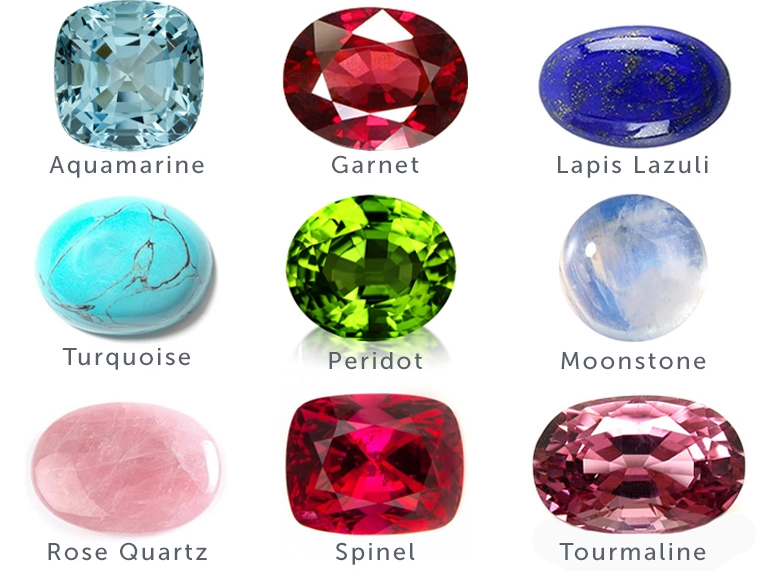
Amethyst: The Royal Purple
Amethyst is quartz, so it's abundant but stunning. High-quality pieces from Zambia have a rich purple without brown tones. It's often heat-treated to enhance color, which is acceptable if disclosed. Price jumps for deep Siberian hues, but most amethyst is affordable. I've seen it sold in tourist shops for inflated prices—check for clarity and cut.
Citrine: The Sunshine Stone
Most citrine on the market is heat-treated amethyst. Natural citrine is rarer and paler. If you see a vivid orange stone labeled citrine, it's likely treated. That's not bad, but sellers should be upfront. I prefer the natural stuff from Brazil; it has a subtle warmth.
How to Identify Semi-Precious Stones: A Practical Guide
Identifying gems can feel like detective work. Start with basic tools: a loupe (10x magnification), a hardness kit, and good lighting. Here's a simple approach:
- Check hardness: Use the Mohs scale. If a stone scratches glass (hardness ~5.5), it's likely above 6. But be gentle—don't ruin your piece!
- Observe color and inclusions: Natural stones often have tiny flaws. Synthetic or imitation gems look too perfect. For example, real turquoise has matrix patterns; fake ones are uniform.
- Test transparency: Hold it up to light. Many semi-precious stones like garnet are transparent, while jade is more opaque.
Imagine you're at a flea market and see a blue bead seller calling it "semi-precious." Ask questions: Where's it from? Is it treated? If they hesitate, walk away. I learned this the hard way with a "lapis" necklace that turned out to be dyed jasper—it faded after a few washes.
Reference guides from the GIA website can help, but for big purchases, get a professional appraisal. It costs $50-$100 but saves headaches.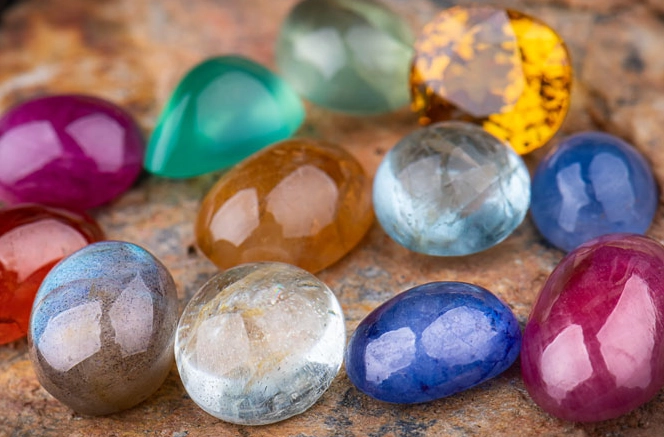
Semi-Precious vs. Precious: The Real Difference
The core difference is tradition, not quality. Precious stones have historical prestige and higher market demand, but semi-precious stones offer diversity and often better value. Let's break it down:
- Rarity: Some semi-precious stones are rarer. Demantoid garnet from Russia is scarce, while commercial diamonds are mass-mined.
- Durability: Precious stones generally have higher hardness (diamond is 10, sapphire 9), but semi-precious like topaz (8) are still durable.
- Price: Precious stones command premium prices due to branding. A 1-cat diamond might cost $5,000, while a 1-cat amethyst is under $100.
In my opinion, the distinction is outdated. It pushes buyers toward expensive options when semi-precious stones can be just as beautiful. I've designed jewelry with garnet and pearl that gets more compliments thandiamond pieces.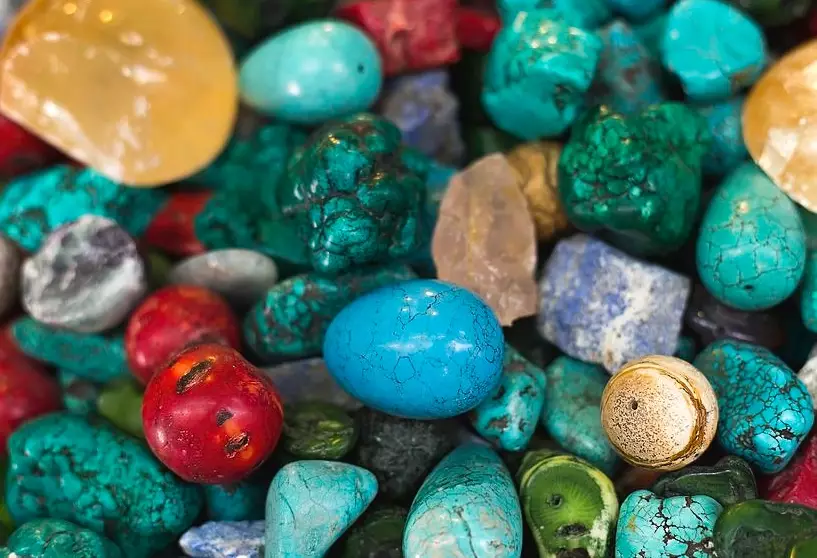
Buying Tips: What to Look For
When shopping for semi-precious stones, focus on these aspects:
- Origin: Stones from certain regions are prized. Afghan lapis is top-tier, while Chinese lapis may be lower quality.
- Treatments: Many stones are treated—heat, irradiation, dyeing. It's common, but sellers must disclose it. Dyed stones like howlite masquerading as turquoise are a scam.
- Cut and setting: A good cut enhances color and brilliance. For soft stones like opal, choose protective settings like bezels.
- Certification: For stones over $500, ask for a lab report from GIA or AGS. It verifies authenticity.
I recommend starting with smaller pieces from reputable dealers. Online platforms like Etsy have gems, but read reviews carefully. A friend bought "natural citrine" that was glass—the seller had fake ratings.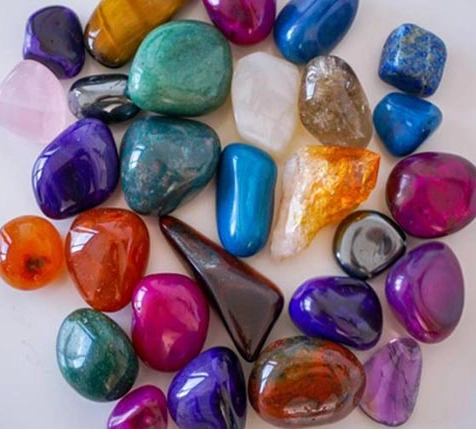
Common Misconceptions and Pitfalls
Here are mistakes I see beginners make:
- Thinking semi-precious means cheap: As said, some are expensive. Paraiba tourmaline can outprice rubies.
- Ignoring durability: Opal is gorgeous but soft. Wearing it daily in a ring risks damage.
- Falling for fake labels: "Simulated" or "created" means lab-made, not natural. It's fine if you know, but it's not semi-precious in the traditional sense.
- Overpaying for treatments: Heated amethyst to citrine is standard, but it shouldn't cost as much as natural citrine.
Avoid gem shows where sellers use high-pressure tactics. Take your time, compare prices, and trust your gut.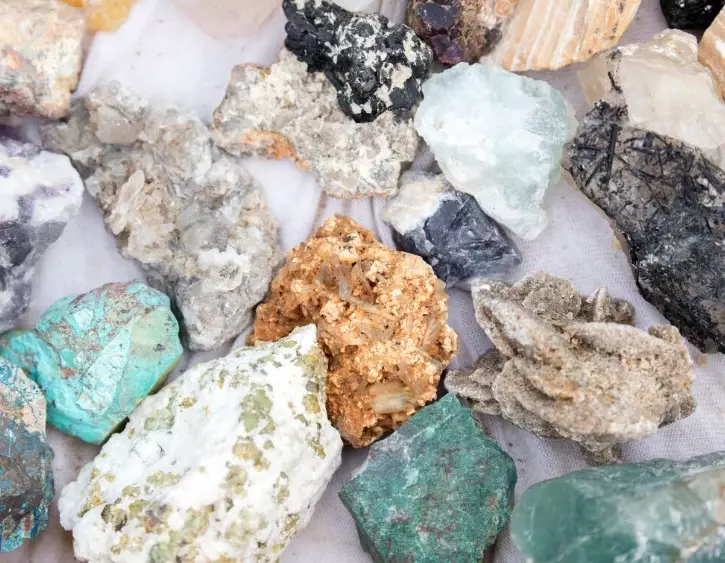
FAQ: Your Questions Answered
Wrapping up, semi-precious stones are a vast and exciting category. Don't let the label limit you. Explore, ask questions, and enjoy the beauty they offer. Whether you're buying a $50 amethyst pendant or a $5,000 tourmaline necklace, knowledge is your best tool. Happy gem hunting!