Gemstone Highlights: Jump to What Interests You
Let's cut to the chase: the world of gemstones is full of sparkle, but a handful stand out for being almost mythical in their scarcity. If you're curious about the top 20 rarest gemstones, you're in the right place. I've spent years hunting these down, from museum visits to dealer chats, and I'll share not just a list, but the stories behind why these stones are so elusive. Forget generic rankings—we're diving into what makes them rare, where they hide, and why collectors lose sleep over them.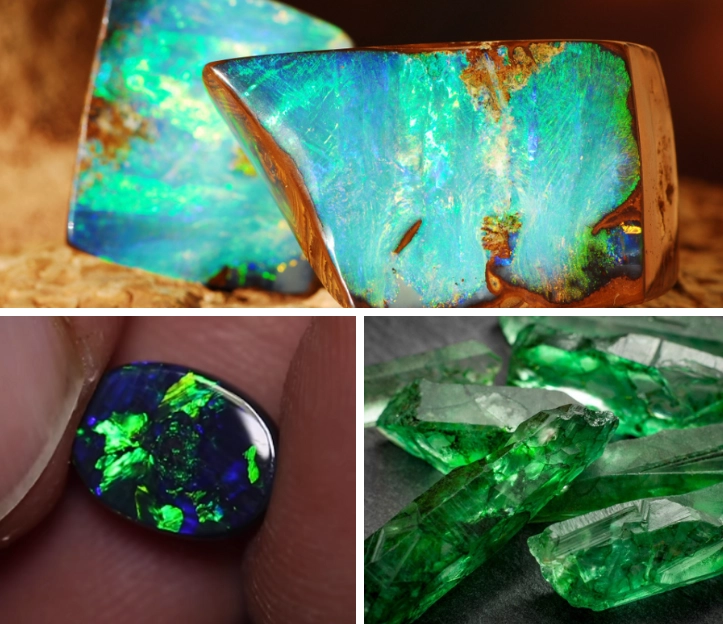
What Makes a Gemstone Rare? The Real Factors
Rarity isn't just about low numbers. It's a cocktail of geology, economics, and pure luck. Most people think scarcity alone defines it, but that's a rookie mistake. Here's the breakdown:
- Limited Sources: Some gems come from one tiny mine on the planet. Musgravite, for example, was first found in Australia's Musgrave Range and still hails from there and a few spots in Madagascar. If that mine dries up, the stone vanishes.
- Mining Challenges: Remote locations like Myanmar's jungles or Greenland's icy fields make extraction a nightmare. I've heard from miners that getting Jeremejevite out involves trekking through harsh terrain—costs skyrocket, and few bother.
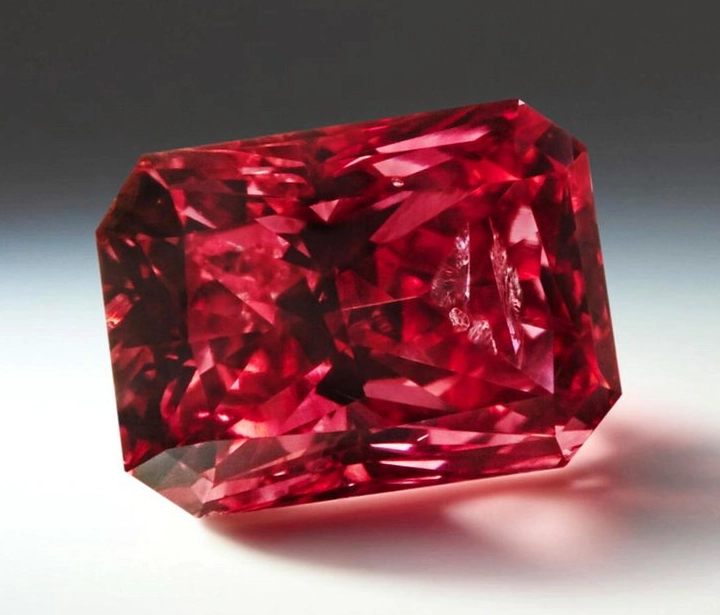
- Gem Quality: Even if mined, most rough material is junk. For Red Beryl, less than 10% of finds are gem-grade; the rest are too included or pale. That's why a clean piece can fetch over $10,000 per carat.
- Market Hype: Demand from collectors and investors drives perceived rarity. Painite was once called the rarest, but new finds bumped supply slightly—yet prices stayed high because everyone wants a piece of the legend.
A gemologist friend once told me, "Rarity is a story, not a statistic." He's right; the allure often ties to a gem's history or a sudden discovery that shakes the market.
The Top 20 Rarest Gemstones: From Painite to Poudretteite
Here's my curated list, based on availability, auction records, and insider chatter. I've included specifics like color and hardness because, let's be honest, you need details to spot these in the wild or at a show.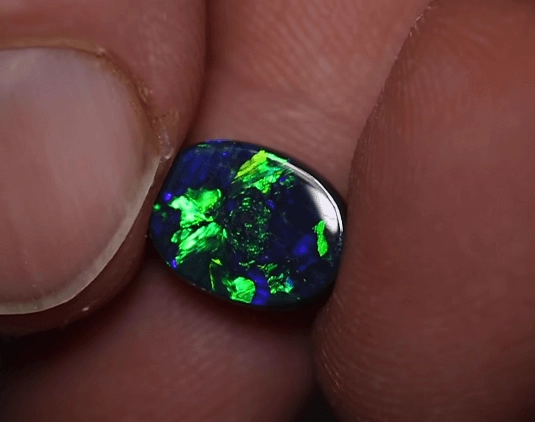
| Rank | Gemstone Name | Color | Mohs Hardness | Primary Source | Why It's Rare |
|---|---|---|---|---|---|
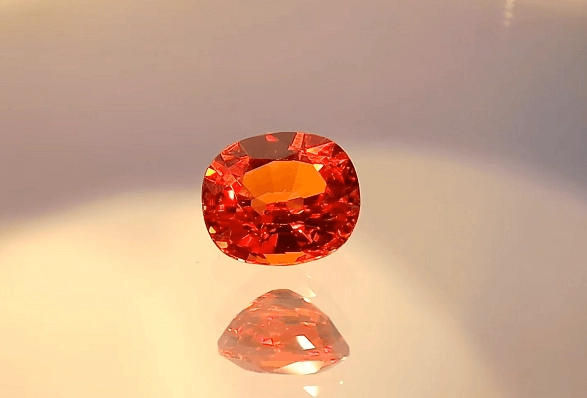
| 1 | Painite | Reddish-brown to orange | 8 | Myanmar | Discovered in 1950s with only a few crystals; new finds rare and small. |
| 2 | Red Beryl (Bixbite) | Vivid red | 7.5-8 | Utah, USA | Found in one volcanic area; gem-quality specimens extremely scarce. |
| 3 | Jeremejevite | Colorless to blue | 6.5-7.5 | Namibia, Russia | Rare mineral with few facetable pieces; often small and included. |
| 4 | Musgravite | Grayish-purple to green | 8-8.5 | Australia, Madagascar | Initially confused with taaffeite; only a handful of mines produce it. |
| 5 | Serendibite | Blue-green to black | 6.5-7 | Sri Lanka, Myanmar | Extremely rare in gem form; most material is opaque or crude. |
| 6 | Taaffeite | Lavender to violet | 8-8.5 | Sri Lanka, Tanzania | Mistaken for spinel for years; production is minimal and sporadic. |
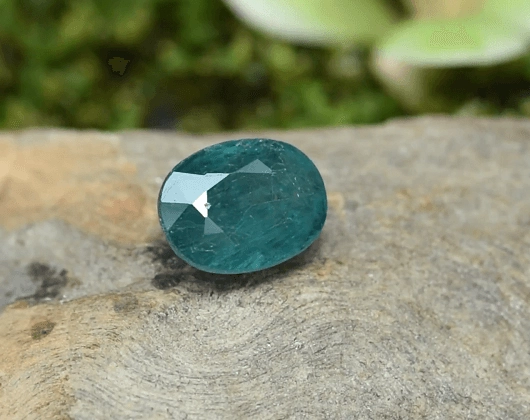
| 7 | Grandidierite | Bluish-green | 7.5 | Madagascar | First found in 1902; transparent crystals are museum-level rare. |
| 8 | Poudretteite | Pink to colorless | 5-6 | Canada, Myanmar | Discovered in a quarry; facetable stones are tiny and few. |
| 9 | Benitoite | Blue | 6-6.5 | California, USA | State gem of California; only one commercial mine exists. |
| 10 | Alexandrite | Color-changing (green to red) | 8.5 | Russia, Brazil | Natural color-change effect is rare; top-quality stones from Russia are depleted. |
| 11 | Paraiba Tourmaline | Neon blue-green | 7-7.5 | Brazil, Mozambique | Copper-bearing variety; original Brazilian mine output is dwindling. |
| 12 | Kashmir Sapphire | Cornflower blue | 9 | India (Kashmir) | Mines closed since early 1900s; existing stones are heirlooms. |
| 13 | Jadeite (Imperial Green) | Emerald green | 6.5-7 | Myanmar | Top-grade material is scarce due to political restrictions and overmining. |
| 14 | Black Opal | Dark body with play-of-color | 5.5-6.5 | Australia (Lightning Ridge) | Only found in one region; high-quality pieces are mining luck. |
| 15 | Padparadscha Sapphire | Pink-orange | 9 | Sri Lanka, Madagascar | Exact color blend is rare; most market stones are heat-treated fakes. |
| 16 | Demantoid Garnet | Green with horsetail inclusions | 6.5-7 | Russia, Namibia | Russian sources are historic; new finds lack classic inclusions. |
| 17 | Tanzanite | Blue-violet | 6.5-7 | Tanzania | Single-source gem; mining estimates suggest depletion in 20-30 years. |
| 18 | Larimar | Blue to green | 4.5-5 | Dominican Republic | Only found in one coastal area; mining is limited by environmental rules. |
| 19 | Sugilite | Purple to magenta | 5.5-6.5 | South Africa, Japan | Gem-quality material is rare; often opaque or used for carvings. |
| 20 | Painite (again, for emphasis) | As above | 8 | Myanmar | Included twice to stress its legendary status; even with new finds, it's a benchmark for rarity. |
I remember seeing a Painite at the Natural History Museum in London—it was smaller than a pea, but the label said it was worth more than my car. That's rarity in action. Each stone here has a backstory; for instance, Taaffeite was discovered by a gemologist who noticed it wasn't spinel, a lucky break that highlights how these gems hide in plain sight.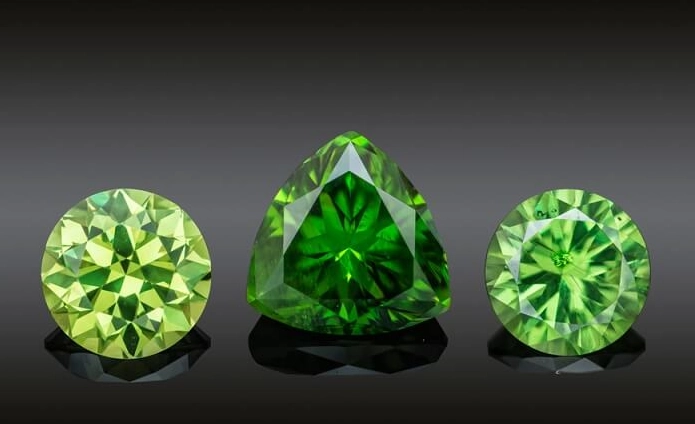
Deep Dive: Painite and Red Beryl Case Studies
Let's zoom in on two stars. Painite: Initially, only two crystals were known globally. In the 2000s, new deposits in Myanmar yielded more, but quality varies wildly. Most pieces are heavily included, so a clean one is a unicorn. Red Beryl: Mined in the Wah Wah Mountains of Utah, it forms in rhyolite lava flows. The mining company, Gemstone Mining Inc., limits access to protect the site, making it a controlled rarity. I spoke to a miner who said they extract maybe 50 carats of gem-grade material a year—that's nothing in the gem world.
How to Identify and Value Rare Gemstones Like a Pro
You don't need a PhD to spot a rare gem, but you need skepticism. Here's a practical approach I've used at gem shows:
- Check Documentation: Always ask for a lab report from GIA or AGL. If a seller hesitates, walk away. I learned this the hard way when a "rare Serendibite" turned out to be glass.
- Examine Inclusions: Natural rare gems have quirks. For Demantoid Garnet, look for horsetail inclusions; for Kashmir Sapphire, silky veils. Synthetics often look too perfect.
- Assess Color Consistency: Padparadscha Sapphire should have a sunset blend, not just pink or orange. Dealers often hype up mediocre stones.
- Value Factors: Rarity, size, color, clarity, and cut. A 1-carat Musgravite might cost $5,000, but a 2-carat one could be $15,000—size multiplies value exponentially due to scarcity.
Use tools like a loupe or UV light. For example, some rare gems fluoresce under UV, which can help identification. But don't rely on gimmicks; build a network with reputable dealers. I've gotten tips from the Gemological Institute of America's website for free resources on gem identification.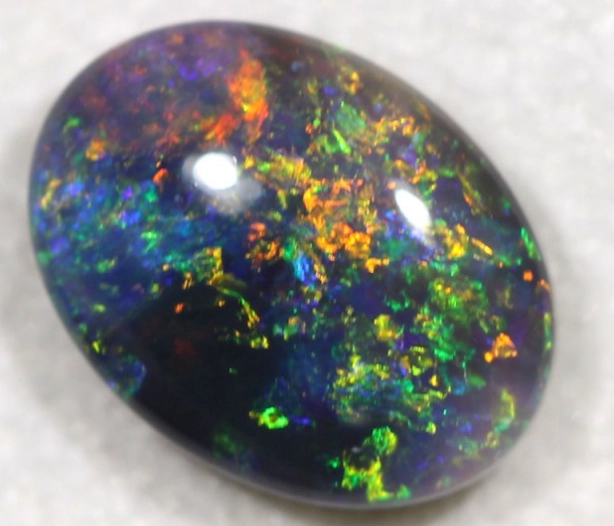
Common Myths and Mistakes About Rare Gems
Here's where most folks stumble, and I've made these errors too:
- Myth: Rarest means most expensive. Not always. Larimar is rare but relatively affordable because it's soft and less desired for investment. Price depends on demand—fashion trends can spike values overnight.
- Mistake: Ignoring treatment. Many rare gems are heat-treated or filled to enhance appearance. Treated stones lose value. Always ask about treatments; a natural Alexandrite is worth 10x a treated one.
- Myth: New discoveries kill rarity. Actually, they can boost interest. When Tanzanite was found, prices dropped initially, but as mining became harder, scarcity perception grew. It's a cycle.
A collector once told me, "Rarity is a moving target." He's right; market shifts and new finds keep things dynamic. Don't buy based solely on lists; understand the context.