You've probably seen the lists. January gets garnet, April gets diamond, and so on. But if you've ever wondered why these specific gems are linked to our birth months, or what those links actually mean beyond a pretty color, you're in the right place. The story of the 12 birthstones is a fascinating mix of ancient history, medieval marketing, and modern gemology. It's not just a fixed list handed down from the heavens; it's evolved, with stones being swapped in and out. I remember a client once being adamant that her December birthstone was blue topaz, only to discover the original and deeply cultural stone for her month was turquoise. That moment of personal connection changed everything for her. Let's dig into that story and the unique character of each stone.
What's Inside This Guide?
Where Did the Birthstone Tradition Start?
It all goes back much further than you might think. The earliest link between specific stones and periods of time comes from the Breastplate of Aaron described in the Book of Exodus—a ceremonial garment set with twelve gems representing the tribes of Israel. Fast forward a few centuries, and scholars in 1st-5th century AD began to associate these stones with the signs of the zodiac.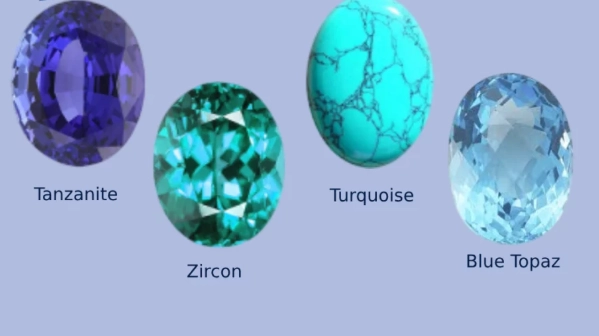
The big leap to months as we know it happened in 18th century Poland. Jewish gem traders, according to research by the Gemological Institute of America (GIA), are credited with formally commercializing the idea of wearing a stone corresponding to your birth month for good luck. It caught on. In 1912, the National Association of Jewelers in the U.S. standardized an official list to streamline the jewelry industry. That list has been updated a few times (the last major update was in 2016), which is why you sometimes see alternative stones, like spinel for August alongside peridot.
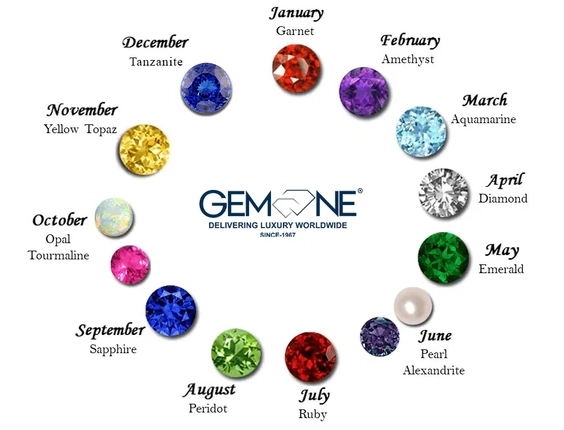
The Modern 12-Month Birthstone List
Here's the current, widely accepted list as maintained by major organizations like the American Gem Trade Association and Jewelers of America. Think of this as the "official program" for the birthstone year.
| Month | Primary Birthstone(s) | Color | Key Meaning/Property |
|---|---|---|---|
| January | Garnet | Deep Red (most common) | Protection, Friendship, Loyalty |
| February | Amethyst | Violet to Purple | Peace, Courage, Sobriety |
| March | Aquamarine, Bloodstone | Pale Blue, Dark Green with red spots | Serenity, Courage, Health |
| April | Diamond | Colorless (or various colors) | Invincibility, Eternal Love, Strength |
| May | Emerald | Rich Green | Rebirth, Wisdom, Growth |
| June | Pearl, Alexandrite, Moonstone | White, Color-change, Sheer white | Purity, Balance, Good Fortune |
| July | Ruby | Vivid Red | Passion, Prosperity, Vitality |
| August | Peridot, Spinel | Olive Green, Various (red, blue, pink) | Strength, Harmony, Protection |
| September | Sapphire | Blue (most prized), Various | Wisdom, Loyalty, Nobility |
| October | Opal, Tourmaline | Play-of-color, Rainbow spectrum | Creativity, Hope, Inspiration |
| November | Topaz (esp. yellow), Citrine | Yellow, Orange, Brown | Friendship, Strength, Healing |
| December | Turquoise, Tanzanite, Zircon | Sky Blue, Violet-Blue, Various | Good Fortune, Success, Calm |
Now, let's get to know each of these characters a little better.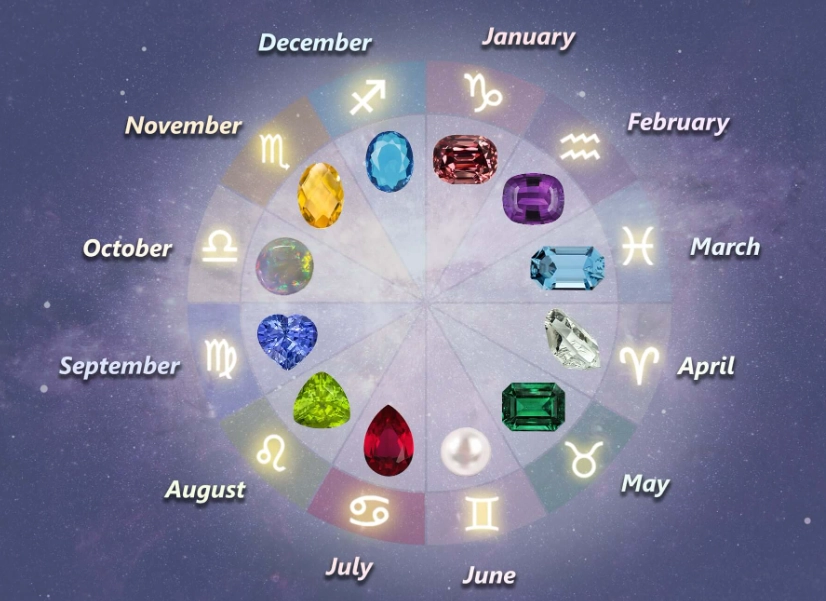
January to June: From Fiery Garnet to Mystical Pearl
January – Garnet
Most people picture a dark red stone, but garnet actually comes in a rainbow of colors—vivid green (tsavorite), vibrant orange (spessartine), even rare blues. The red pyrope garnet is the classic. It's a relatively durable stone (7-7.5 on the Mohs scale), making it great for everyday rings. Ancient warriors carried it for protection. I find it's a profoundly underrated gem, often overlooked for the flashier ruby.
February – Amethyst
Once as valuable as ruby or emerald, amethyst's price dropped after huge deposits were found in South America. That's great news for buyers—you can get a large, stunning piece without breaking the bank. Its purple hue, ranging from light lilac to deep royal, was believed to prevent intoxication. It's a quartz, so it's durable enough for any type of jewelry.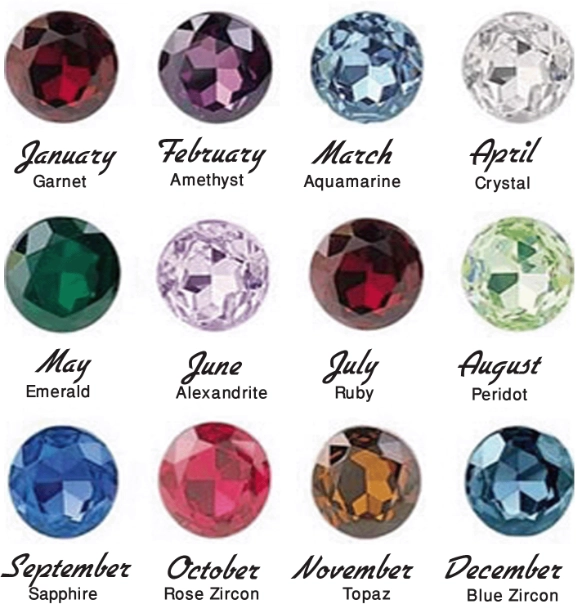
March – Aquamarine & Bloodstone
Aquamarine, with its serene sea-blue color, is a beryl cousin to emerald. A common mistake? Expecting it to be a deep blue. The finest aquamarines have a pure, medium blue without green tones, but many beautiful stones are a lighter, aqua color. Bloodstone, the alternative, is a dark green jasper dotted with red iron oxide—it looks like a miniature abstract painting and has a grounding, protective energy.
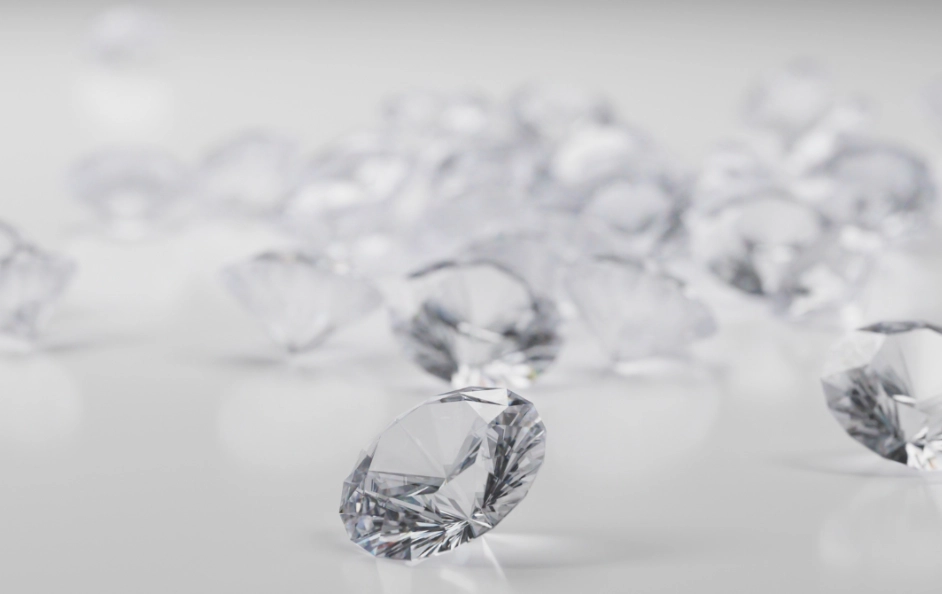
April – Diamond
The ultimate symbol of endurance. Beyond the classic clear diamond, "fancy color" diamonds in yellows, pinks, and blues are breathtakingly rare and expensive. The key for April babies on a budget isn't to buy a poor-quality white diamond, but to explore alternative settings like a cluster of smaller stones or a bezel setting that makes a modest diamond look more substantial.
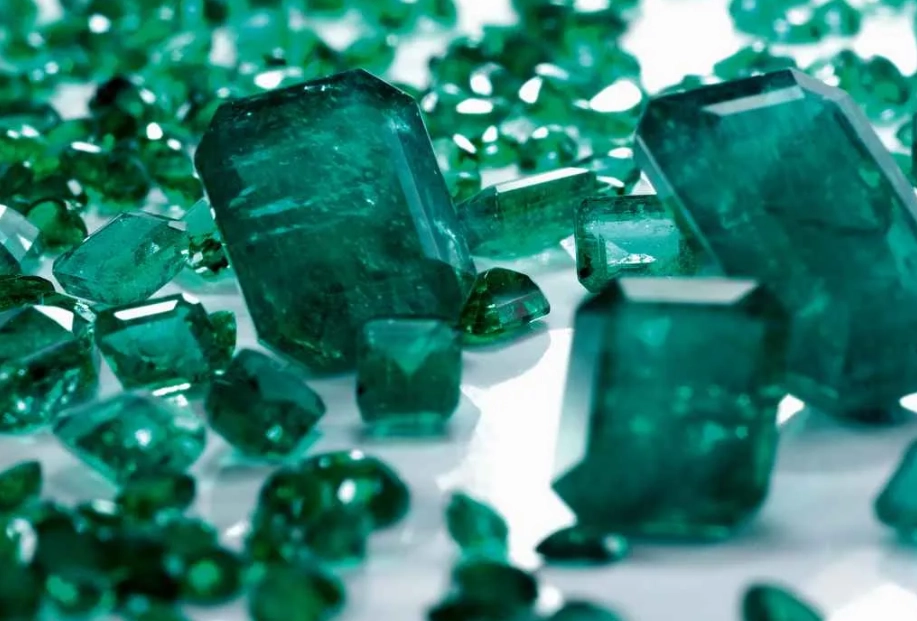
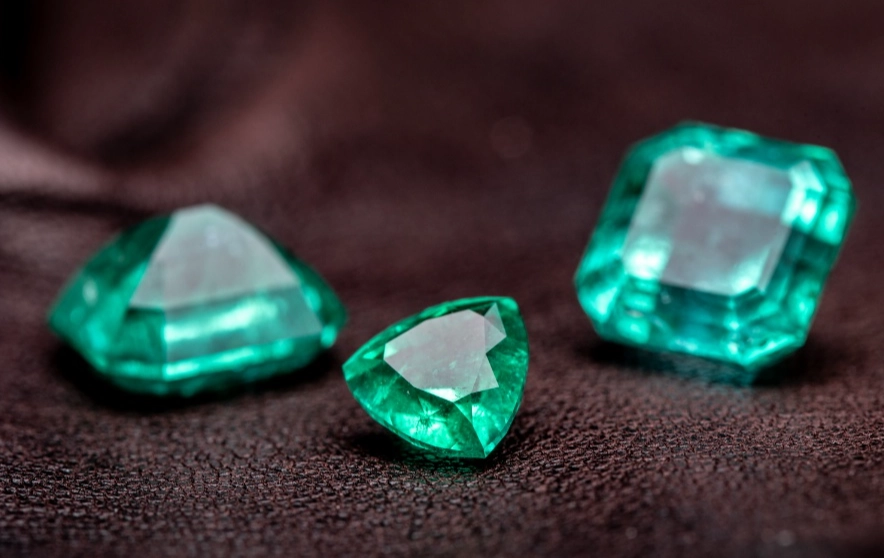
May – Emerald
Emeralds are almost always included (have internal fractures). This isn't a flaw; it's a fingerprint called the "jardin" (French for garden). It makes them more fragile than diamond or sapphire. You should never clean an emerald in an ultrasonic cleaner. The most sought-after color is a vivid, slightly bluish green. Many emeralds are oil-treated to enhance clarity—a standard and accepted practice, but something you should know when caring for it.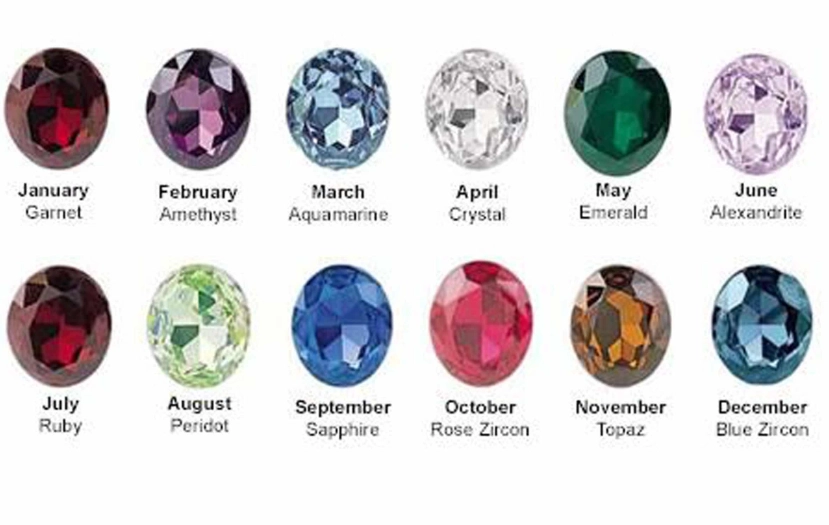
June – Pearl, Alexandrite, Moonstone
June has the most eclectic trio. Pearls are organic, formed inside mollusks. Cultured pearls are real pearls and make fine jewelry accessible. Alexandrite is a magician's stone: it changes color from green in daylight to red under incandescent light. It's exceptionally rare and costly. Moonstone shows a floating blue sheen called adularescence. It's softer, so it's better for earrings or pendants than rings you wear daily.
July to December: Royal Rubies to Sky-Blue Turquoise
July – Ruby
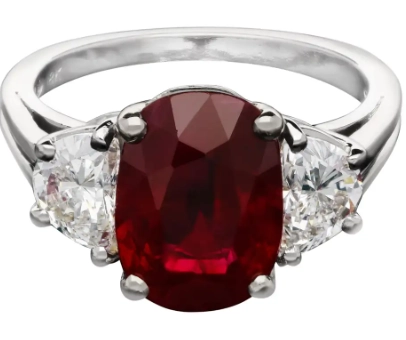
Ruby is red corundum (sapphire's red sibling). The most prized color is "pigeon's blood" red—a pure, vibrant red with a hint of blue. Most rubies on the market are heat-treated to improve color and clarity, which is a permanent and accepted enhancement. Be wary of synthetic or "lab-created" rubies being sold without disclosure; they're real corundum but not natural.
August – Peridot & Spinel
Peridot is one of the few gems that comes in only one color: a distinctive olive or lime green. It's formed deep in the earth's mantle and sometimes arrives in meteorites! Spinel was historically mistaken for ruby (the "Black Prince's Ruby" in the British Crown Jewels is actually a spinel). It comes in fantastic reds, pinks, and blues, often with incredible brilliance and fewer inclusions than a ruby of similar size.
September – Sapphire
While blue is king, sapphire comes in every color except red (that's ruby). Pink, yellow, orange "padparadscha," and even black sapphires are stunning. A common misconception is that all sapphires are a deep, inky blue. The most valued blue sapphires have a velvety, medium blue. They're extremely hard (9 on Mohs), second only to diamond, making them perfect for engagement rings.
October – Opal & Tourmaline
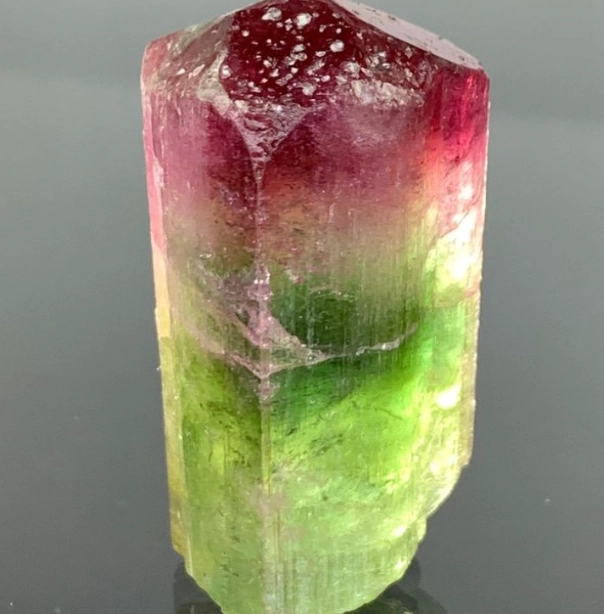
Opal is famous for its "play-of-color"—flashes of rainbow that shift as you move it. It's a softer, more delicate stone that can crack if dried out or subjected to sudden temperature changes. Tourmaline is a color chameleon, available in pinks, greens, blues, and even multi-colored "watermelon" tourmaline. It's a durable and vibrant alternative to opal.
November – Topaz & Citrine
Here's a big one: most "golden" or "yellow topaz" in inexpensive jewelry is actually heat-treated amethyst or smoky quartz. True precious topaz in rich sherry tones (Imperial Topaz) is much rarer and more valuable. Citrine, the other November stone, is the sunny yellow to orange-brown quartz. It's affordable, durable, and brings a warm glow to any piece. Natural citrine is pale yellow; the deeper orange-brown colors usually come from heat treatment.
December – Turquoise, Tanzanite, Zircon
Turquoise is an opaque blue-to-green mineral, often veined with matrix (host rock). It's culturally significant in Native American and Persian traditions. It's porous and can be damaged by chemicals and oils. Tanzanite is a relatively new addition (1967), found only in Tanzania. Its violet-blue trichroism is mesmerizing. It's softer, so wear it with care. Zircon (not to be confused with synthetic cubic zirconia) is a natural gem with intense fire and brilliance, often in blues.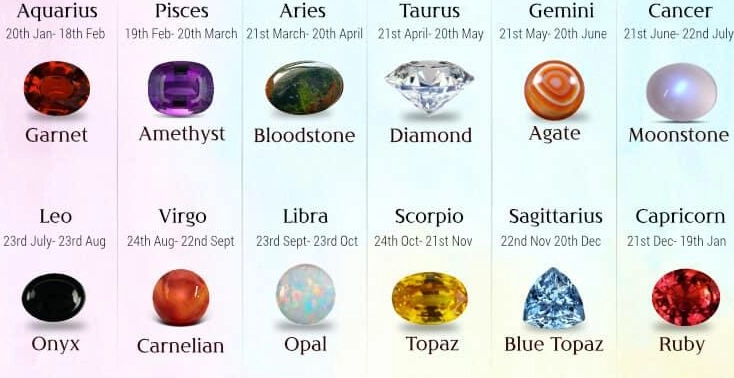
How to Choose Your Birthstone Jewelry
Look beyond the month. Consider your lifestyle. If you're hard on your hands, a diamond, sapphire, or garnet ring makes more sense than an opal or pearl ring. Think about color. Does the stone's hue complement your skin tone and wardrobe? Set a budget. A small, high-quality stone often looks better than a large, included one. Finally, consider the cut. A well-cut stone with good proportions will sparkle more, regardless of its type.
I once helped a client choose an aquamarine pendant instead of a ring because she was a nurse who constantly washed her hands. She loved the stone but needed a practical way to wear it daily. That's the kind of thinking that leads to a piece you'll cherish forever, not just store in a box.