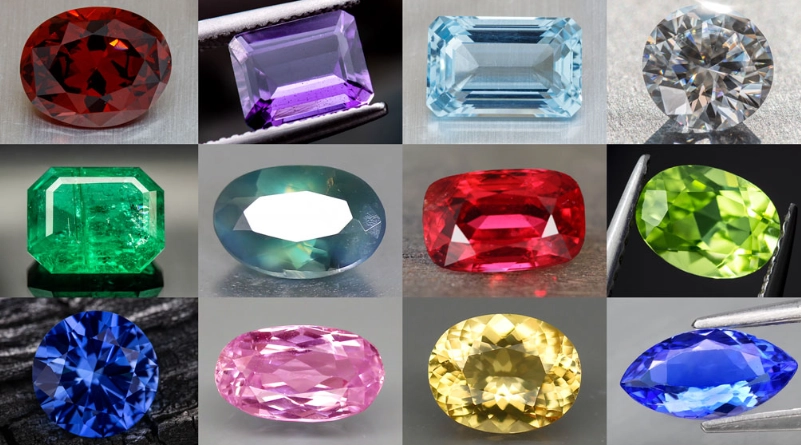
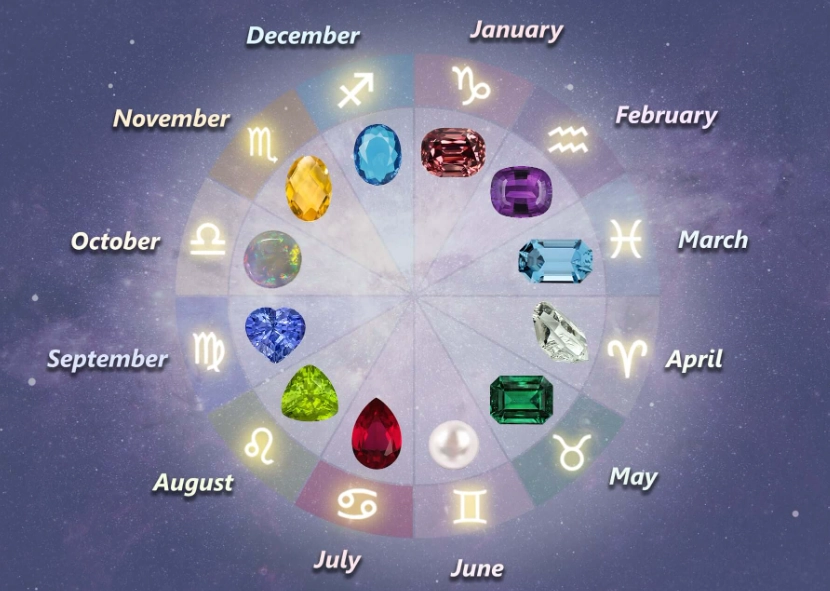
You've heard the terms a thousand times: diamonds, rubies, and sapphires are precious. Amethyst, citrine, and garnet are semi-precious. It sounds like a clear hierarchy, a gemstone caste system. But here's the truth most jewelry store clerks won't lead with: the distinction is more about history and marketing than modern gemology. A top-tier "semi-precious" stone can be rarer and more expensive per carat than a low-quality "precious" one. Let's dig into why that is.
In a Hurry? Here's Your Quick Guide
A Tale of Commerce, Not Science
The whole precious/semi-precious split isn't found in a geology textbook. It's a relic of the 19th-century European gem trade. Back then, the market was dominated by a very small group of stones that were consistently rare, in high demand from royalty and the church, and sourced from a few remote locations (like Burmese rubies or Kashmir sapphires).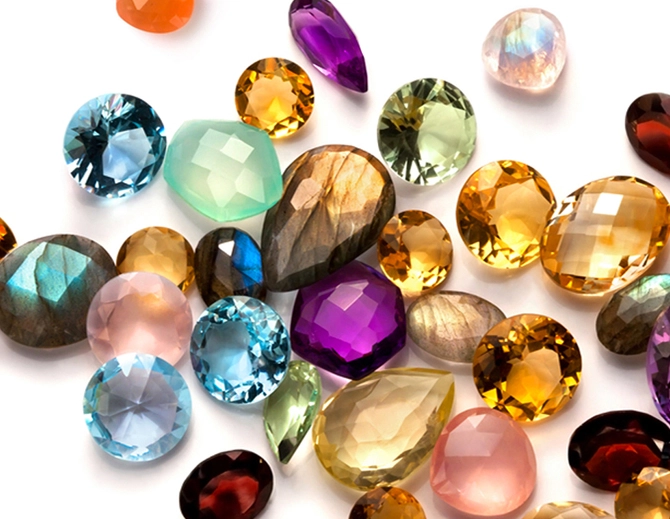
These were anointed the "precious four": Diamond, Ruby, Sapphire, and Emerald. Everything else—no matter how beautiful or hard—was lumped into the "semi-precious" or "ornamental" basket. This created a powerful marketing tool. It justified higher prices for the "big four" and made other gems seem like affordable alternatives.
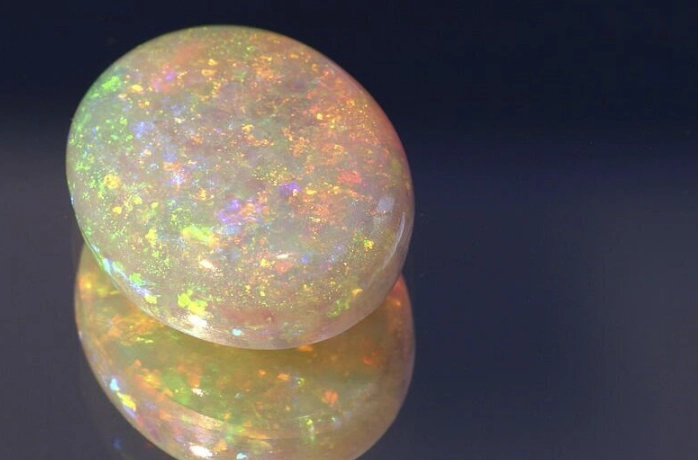
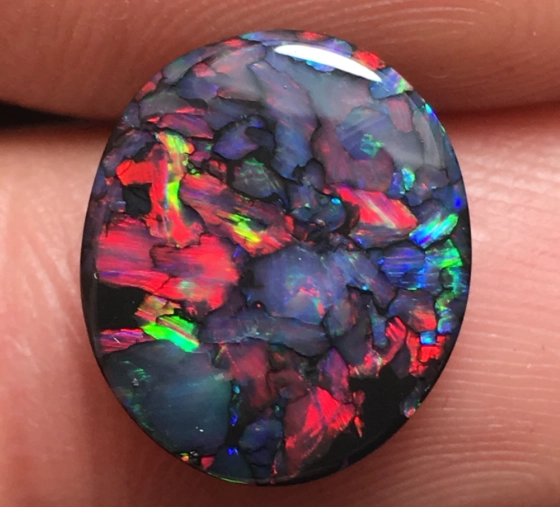
Funny side note: Pearl, Opal, and Alexandrite were sometimes added to the "precious" list, but the core four stuck. This inconsistency itself shows how arbitrary the system was.
The term "semi-precious" has always been problematic. It sounds dismissive, like "semi-important" or "semi-delicious." Many in the trade, including organizations like the International Colored Gemstone Association (ICA), now actively discourage its use, preferring terms like "colored gemstones" or specifying the actual mineral name.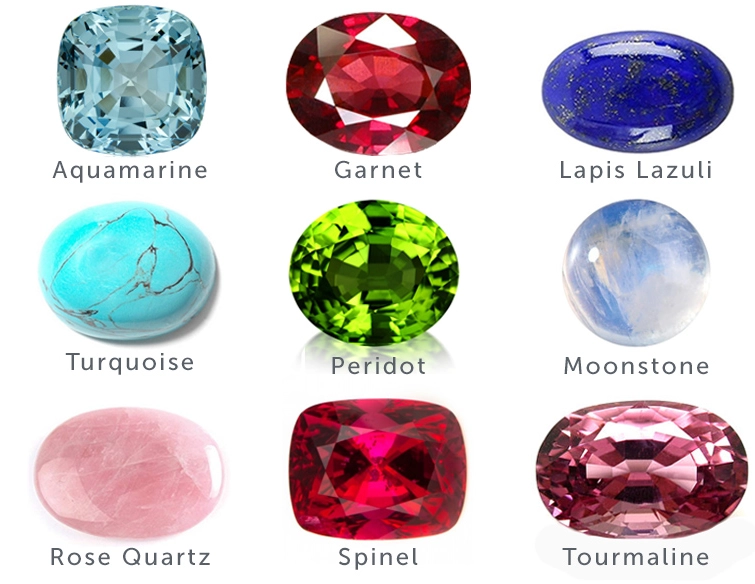
The Modern Gemologist's Perspective
Today, professional gemologists from institutions like the Gemological Institute of America (GIA) evaluate stones on their own individual merits, not a centuries-old commercial category. They'll tell you the precious/semi-precious divide is outdated and often misleading.
Think about tanzanite. Discovered in 1967 in just one place on Earth (Tanzania), it's technically a variety of the mineral zoisite—traditionally "semi-precious." But its exquisite violet-blue color and extreme geological rarity mean fine tanzanite can sell for thousands of dollars per carat, rivaling sapphire. Calling it "semi-precious" feels silly when you see the price tag.
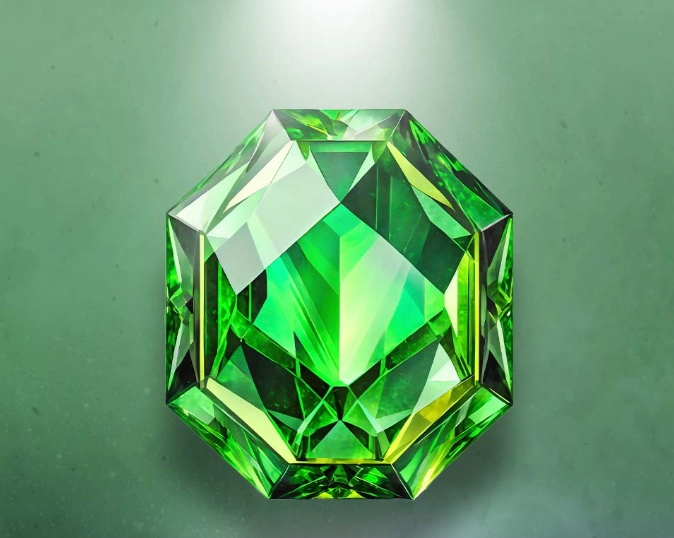
Or consider a vivid green tsavorite garnet. It's more brilliant and often has better clarity than many emeralds, yet it falls under the "semi-precious" garnet family. A high-quality tsavorite can be more valuable per carat than a mediocre emerald filled with inclusions.
The line isn't just blurry; it's largely irrelevant for judging a specific stone's worth.
What Actually Determines a Gemstone's Value?
If the old category doesn't matter much, what does? Value is a cocktail of several factors, often remembered as the "Four Cs" (from diamonds) plus a few extras for colored stones.
The Big Four (Plus Two) Drivers of Price
1. Rarity: This is the big one. Rarity can be geological (like tanzanite's single source), quality-based (fine red spinels over 2 carats are incredibly rare), or market-driven (sudden fashion trends). A rare "semi-precious" stone will always trump a common "precious" one in price.
2. Durability: Can it survive daily wear? This combines hardness (resistance to scratching, measured on the Mohs scale), toughness (resistance to chipping/breaking), and stability (resistance to heat, light, or chemicals). A diamond (Mohs 10) is supremely hard. A tanzanite (Mohs 6.5) is softer and requires protective settings. Many are surprised that topaz (Mohs 8) is harder than emerald (Mohs 7.5-8).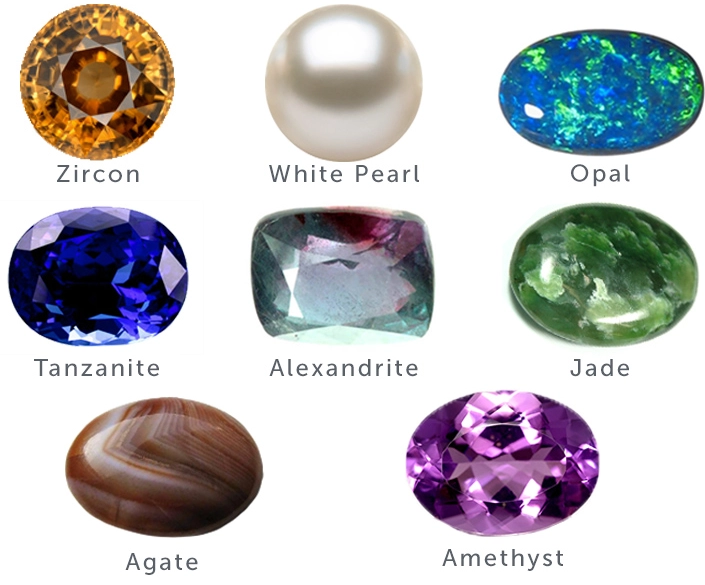
3. Beauty (The "Four Cs" in Action):
Color: For colored gems, this is king. The hue, saturation (intensity), and tone (lightness/darkness) are critical. A deep, vivid royal blue sapphire is worth exponentially more than a pale, grayish one.
Clarity: How clean is the stone? Eye-clean stones are valued higher, though some gems like emerald are expected to have inclusions.
Cut: A great cut maximizes color, brilliance, and shape. A poor cut can make even great color look dead.
Carat Weight: Price per carat usually increases with size, especially for rare gems. A 5-carat gem of a certain quality is worth more than five 1-carat gems of the same quality.
4. Market Demand & Fashion: Trends matter. The surge in popularity of morganite (pink beryl) in engagement rings pushed its price up. Cultural significance plays a role too—ruby's association with passion and power keeps demand steady.
Comparing Apples to Apples: A Value Snapshot
This table shows how price ranges overlap wildly, making the precious/semi-precious label useless for valuation. Prices are per carat for good commercial quality to fine quality stones and can vary drastically based on the exact factors above.
| Gemstone | Traditional Category | Mohs Hardness | Key Value Driver | Approx. Price Range (USD per carat) |
|---|---|---|---|---|
| Diamond (White, 1ct) | Precious | 10 | Branding, Rarity of Colorless & Large | $2,500 - $20,000+ |
| Ruby (Burmese, 1ct) | Precious | 9 | Color Intensity & Origin | $1,000 - $15,000+ |
| Sapphire (Blue, 1ct) | Precious | 9 | Color Saturation & Treatment | $300 - $5,000+ |
| Emerald (Colombian, 1ct) | Precious | 7.5-8 | Clarity & Vivid Green Color | $500 - $8,000+ |
| Paraíba Tourmaline (1ct) | Semi-Precious | 7-7.5 | Extreme Rarity of Neon Color | $2,000 - $20,000+ |
| Tsavorite Garnet (1ct) | Semi-Precious | 7-7.5 | Brilliance & Vivid Green Color | $500 - $4,000+ |
| Spinel (Red, 1ct) | Semi-Precious | 8 | Rarity of Fine Red, Often Mistaken for Ruby | $500 - $3,000+ |
| Amethyst (1ct) | Semi-Precious | 7 | Beauty & Abundant Supply | $2 - $50 |
See the overlap? A paraíba tourmaline sits at the top with diamonds. A fine tsavorite garnet overlaps with mid-range sapphires and emeralds. Meanwhile, a low-clarity emerald might be cheaper than a vivid spinel. The label tells you nothing.
How to Choose Between Precious and Semi-Precious Stones
Forget the category. Start here instead:
1. Define Your "Why" and Budget: Is this for an engagement ring worn daily (prioritize durability >7.5)? A statement pendant for occasional wear (you can explore softer stones like opal or tanzanite)? Your budget narrows the field to what's available in good quality within that size.
2. Fall in Love with a Color, Not a Label: Want a rich blue? Don't just default to sapphire. Look at spinel, tanzanite (more violet-blue), or iolite. Craving green? Compare emerald, tsavorite garnet, tourmaline, and peridot side-by-side. You might prefer the brilliance of a garnet over the velvety look of an emerald.
3. Research the Real-World Performance: Check the hardness. A stone below Mohs 7 (like opal at 5.5-6.5) isn't ideal for a ring worn every day, but is fine for earrings or pendants. Ask about stability—will it fade in sunlight?
4. Buy the Gem, Not the Story: A dealer pushing a stone mainly because it's "precious" might be hiding mediocre quality. A good dealer will talk about that specific stone's color, cut, and clarity. For significant purchases, insist on a report from a reputable lab like GIA or AGL. This details the gem's identity and any treatments, which is far more valuable than its historical category.
Common Myths and Misconceptions
Let's bust a few that cost buyers money.
Myth 1: "Precious stones are always a better investment."
Truth: Most gemstones are poor financial investments. Unless you're a trade expert buying exceptional rarity, you buy for beauty and personal value. A mass-market commercial-grade sapphire won't appreciate like a fine, rare spinel might.
Myth 2: "Semi-precious stones aren't durable enough for rings."
Truth: Many are plenty durable. Spinel, topaz, and most garnets are as hard or harder than emerald. With a protective setting, even stones like morganite (7.5-8) make excellent ring stones.
Myth 3: "The color name tells you what you're getting."
Truth: This is a huge trap. "Green beryl" is not emerald (which is also green beryl). "Yellow sapphire" is precious, but "yellow topaz" or "citrine" (quartz) is semi-precious, and they can look similar. Always get the exact mineral name.
I once saw a customer pay a "precious" price for what was marketed as a "red spinel," only to discover later it was a much more common red garnet. The labels confused them. The mineral name is your anchor.
Your Gemstone Questions, Answered
So, the next time you shop, listen for the old labels. If you hear "semi-precious" used to downplay a stone, or "precious" used to inflate a price without substance, you'll know the seller might be relying on a dusty old playbook. Your best guide is your own eye for color, an understanding of durability, and the specific, beautiful story of the one-of-a-kind gem in front of you.