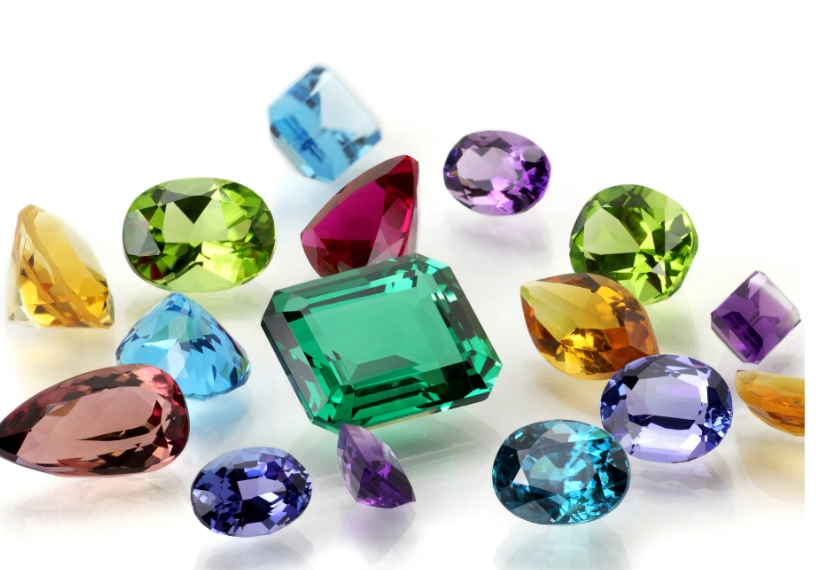
You hear "precious stones," and your mind probably jumps to diamonds, rubies, maybe emeralds. But that list feels incomplete, doesn't it? What about that stunning purple stone you saw, or the one that changes color in the light? The world of precious stones names is a gateway to geology, history, and sheer human fascination. It's not just about memorizing a list; it's about understanding what makes a stone truly "precious" and how that definition has shifted over centuries.
I've spent over a decade in this field, and the most common mistake I see is people getting hung up on the name alone. They buy a "precious ruby" that's actually red spinel, or an "emerald" that's just green glass. The name is the starting point, not the finish line.
What's Inside This Gem Guide?
What Actually Makes a Stone "Precious"?
This is where the confusion starts. Historically, the term "precious stone" was reserved for a very exclusive club: diamond, ruby, sapphire, and emerald. Everything else was labeled "semi-precious." But that binary system is outdated and frankly, a bit misleading in modern gemology.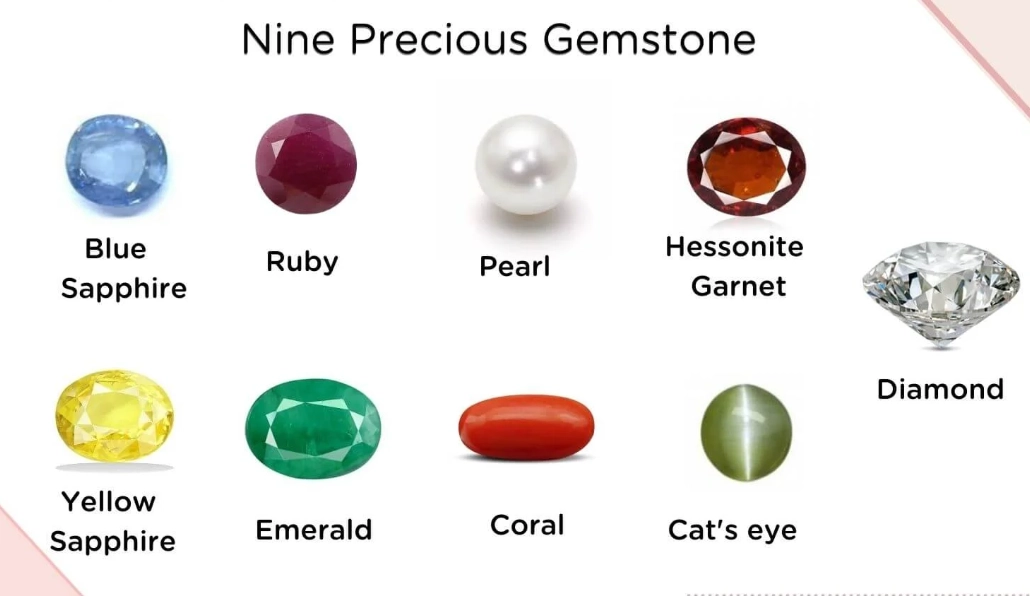
Today, a gem's "precious" status hinges on three pillars, and it's more of a spectrum than a checkbox.
1. Exceptional Hardness & Durability (The Mohs Scale is Your Friend)
Can it survive daily life? The classic precious stones are all incredibly hard. Diamond is a perfect 10. Ruby and sapphire (both forms of corundum) are a 9. Emerald (a beryl) is a 7.5-8. This hardness means they resist scratching and are suitable for rings worn every day. A stone like tanzanite, despite its gorgeous color, is softer (6.5-7), making it more prone to damage—a key reason it's often considered differently.
2. Breathtaking Beauty & Optical Properties This is the subjective heart of it. We're talking about color saturation, brilliance (how it reflects light), fire (the flash of spectral colors), and phenomena like color-change (alexandrite) or asterism (star rubies). A fine Burmese ruby isn't just red; it's a vivid, glowing "pigeon's blood" red. That specific beauty commands a premium.
3. Remarkable Rarity True rarity drives value. Some gems are rare in top quality, even if the mineral is common. For example, fine, large emeralds with a rich green color and few inclusions are vastly rarer than small, included ones. A gem like musgravite or painite is rare on a geological level, making them incredibly precious, even if not part of the traditional four.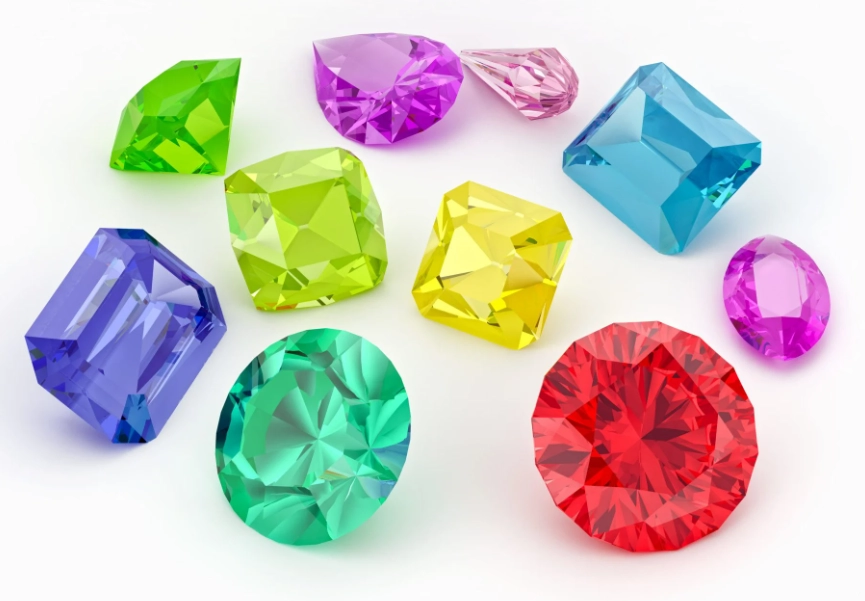
Expert Angle: The term "semi-precious" is falling out of favor with organizations like the Gemological Institute of America (GIA). It unfairly diminishes stunning stones like spinel, tsavorite garnet, or fine opal, which can be rarer and more valuable than a low-quality sapphire. I prefer "colored gemstones" as a broader, more accurate category.
The Big Four Classics: A Deep Dive
Let's get to know the traditional heavyweights. This table isn't just a list; it shows you why they earned their status.
| Stone Name | Key Mineral | Mohs Hardness | Defining Quality | Prime Source (Examples) |
|---|---|---|---|---|
| Diamond | Carbon | 10 | Brilliance, Fire, Hardness | Botswana, Russia, Canada |
| Ruby | Corundum (Aluminum Oxide) | 9 | Color: Pure, vibrant red | Mozambique, Myanmar (Burma) |
| Sapphire | Corundum (Aluminum Oxide) | 9 | Color: Classic blue (but all colors except red) | Madagascar, Sri Lanka, Kashmir |
| Emerald | Beryl (Beryllium Aluminum Silicate) | 7.5-8 | Color: Deep, grassy green with inclusions | Colombia, Zambia, Brazil |
Ruby: The King of Color
That red isn't just any red. The finest ruby color is described as "pigeon's blood"—a pure, vivid red with a slight hint of blue. It's caused by trace amounts of chromium. Heat treatment is common to improve color and clarity, but an unheated, top-color Burmese ruby is one of the most valuable gems on earth per carat. A mistake? Assuming all red corundum is ruby. If it has too much orange or purple, it's a fancy sapphire.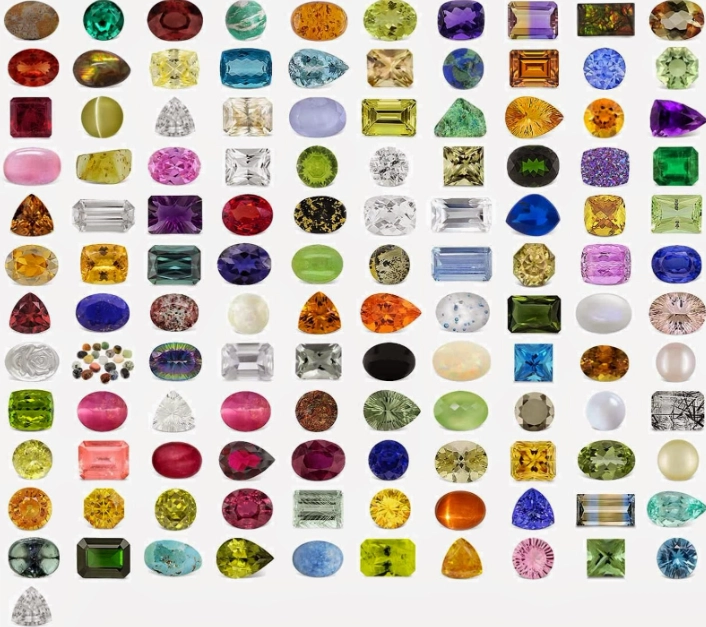
Sapphire: Not Just Blue
This is a big one. "Sapphire" alone means blue. But corundum comes in every color except red (that's ruby). So you have pink sapphire, yellow sapphire, padparadscha (a rare salmon-orange), and even colorless. The classic "cornflower blue" of a fine Kashmir sapphire is legendary. Most sapphires are heated to intensify color, which is an accepted practice.
Emerald: The Garden Stone
Emeralds are almost expected to have inclusions—jardin, the French for garden. These internal fractures and crystals are like a fingerprint. A completely clean emerald is a major red flag for being synthetic or a different stone altogether. Colombian emeralds often have a warmer, more intense green, while Zambian stones can be a cooler, slightly bluer green. They're often treated with oils or resins to fill fractures and improve clarity—a treatment you must be told about.
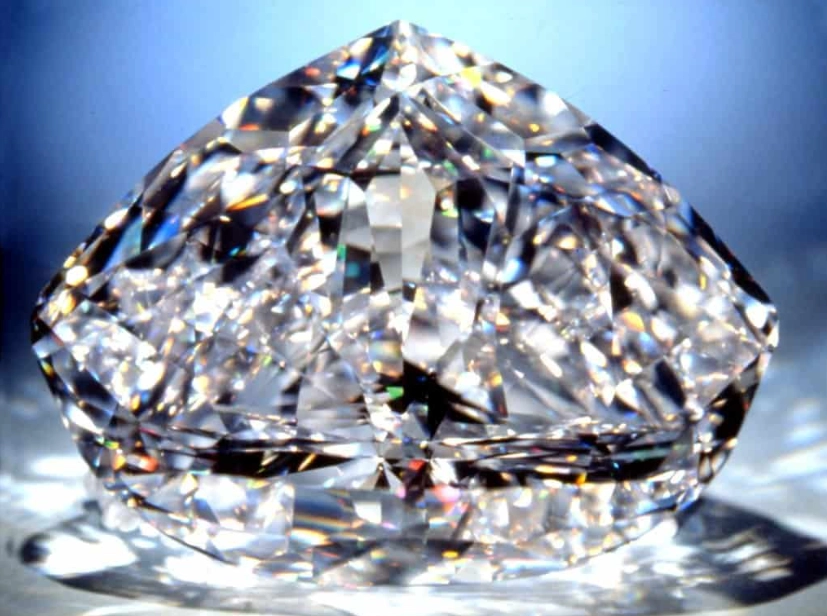
Diamond: The Benchmark
We judge everything else against diamond's hardness and brilliance. The 4Cs (Cut, Color, Clarity, Carat) were born here. But in the colored gemstone world, color is king, often outweighing clarity. A diamond's value is heavily influenced by its lack of color (in the white variety), while for others, intense color is the goal.
Beyond the Classics: Other Precious Contenders
The old definition is too narrow. Several gems meet the modern criteria of beauty, durability, and rarity.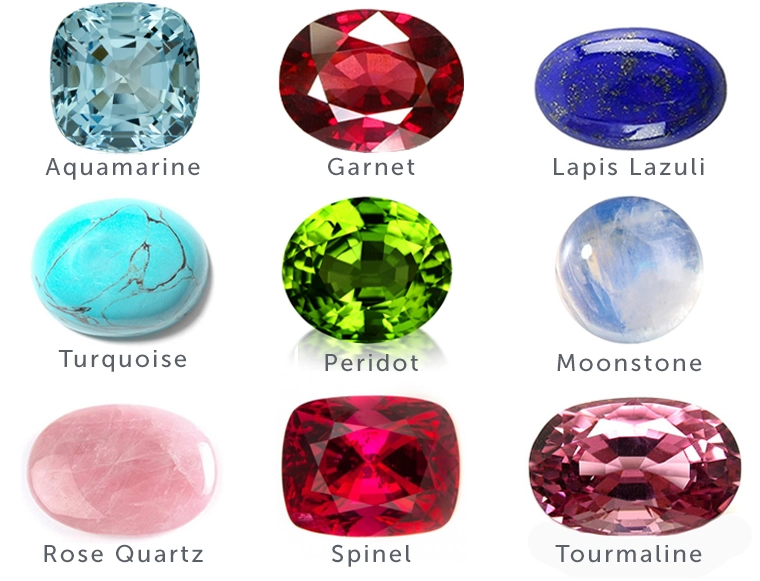
Alexandrite: The color-change champion. In daylight, it's a greenish-blue; under incandescent light, it shifts to a purplish-red. This phenomenal rarity, combined with good hardness (8.5), puts it in the precious conversation. Fine Russian alexandrite is almost mythical in the market.
Spinel: History's great imposter. For centuries, red spinel was mistaken for ruby (the "Black Prince's Ruby" in the British Imperial State Crown is actually spinel). It comes in vibrant reds, pinks, blues, and a stunning neon-like hot pink called "Jedi spinel." With a hardness of 8 and often fewer inclusions than ruby, it's a gem that has proudly stepped out of ruby's shadow.
Padparadscha Sapphire: This isn't a separate mineral, but a specific, rare color variety of sapphire so prized it gets its own name. The blend of pink and orange should be delicate, like a sunset. It's one of the most sought-after sapphire colors.
Then you have the truly rare gems collected more by museums and connoisseurs: Musgravite, Painite, Serendibite. These are precious by any definition, but you're unlikely to find them at your local jeweler.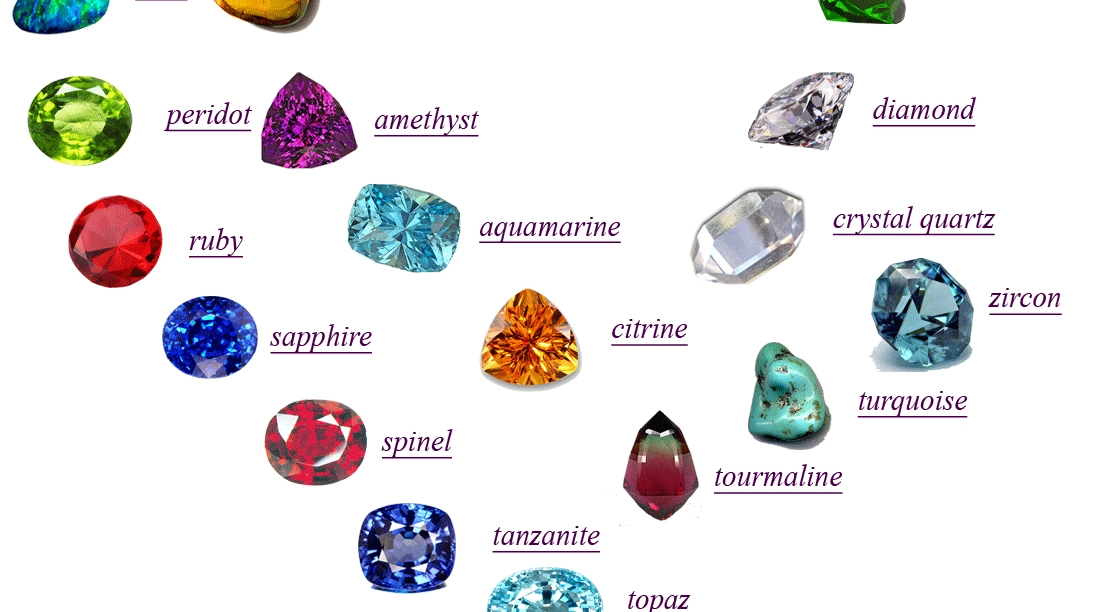
Where Do These Precious Names Come From?
The names themselves are stories. Emerald comes from the Greek "smaragdos" meaning green stone. Ruby is from the Latin "ruber" for red. Sapphire derives from the Hebrew "sappir" and Greek "sappheiros," likely referring to lapis lazuli originally.
Alexandrite was named after the Russian Tsar Alexander II because it was discovered on his birthday. Spinel's name might come from the Latin "spina" for thorn, referring to its sharp crystals.
Knowing the origin helps, but don't rely on it. "Burma Ruby" has a cachet, but a fine Mozambique ruby can be equally stunning and more ethically accessible given the complexities surrounding Burmese gems.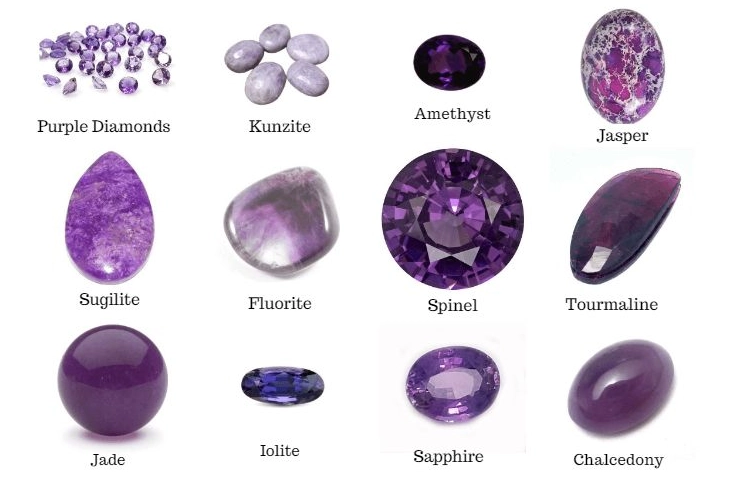
Choosing Your Stone: It's Not Just About the Name
So you're looking to buy. You love the name "sapphire." Now what?
1. Prioritize Color Above All. In colored stones, a strong, vibrant, pleasing color is the #1 value driver. A slightly included but magnificently colored stone is worth more than a clean but dull one.
2. Understand Treatments. Ask, and expect disclosure. Heating sapphires/rubies is standard. Oiling emeralds is standard. Lead-glass filling rubies or heavily resin-filling emeralds is a major treatment that drastically affects value and durability. A report from GIA or AGL (American Gemological Laboratories) will detail this.
3. Consider the Cut. A good cut isn't just for sparkle; it's to maximize color. Many colored gems are cut to preserve carat weight, leading to windows (see-through dead spots) or poor proportions. A well-cut stone looks alive.
4. Forget "Semi-Precious." Judge each gem on its own merits. A paraíba tourmaline with that electric neon blue-green can cost $10,000+ per carat. Is that "semi"-anything?
I remember a client who was set on a "perfect, clean emerald." We spent months looking. Every clean stone in their budget was either synthetic, a different green gem (like tsavorite, which is often cleaner), or had hidden fractures. We finally found a stunning Colombian stone with a tiny jardin right near the edge. It had character, a story, and when set in a bezel, the inclusion was invisible. They fell in love with its authenticity. That's the real hunt.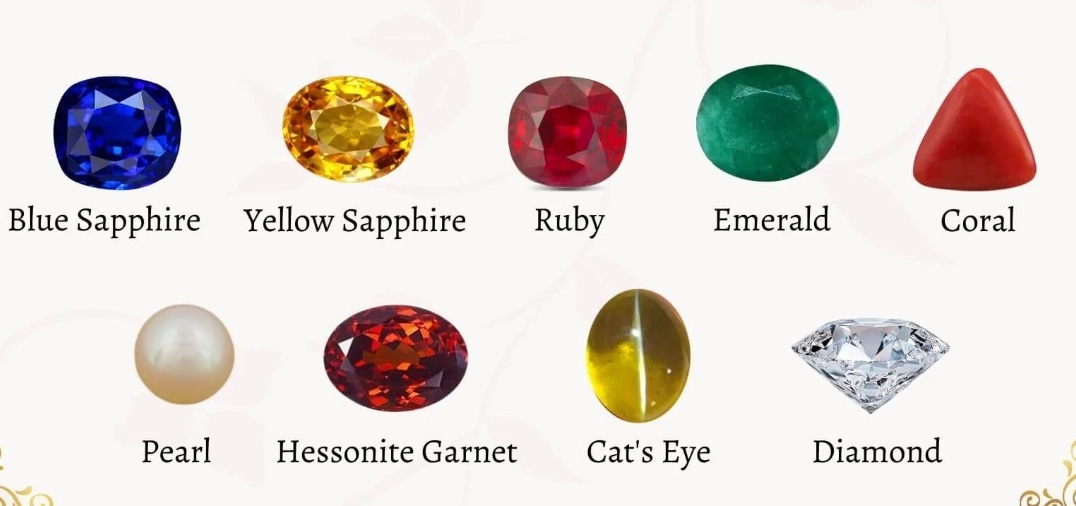
Your Gem Questions, Answered
What are the four classic precious stones and why are they special?
The four classic precious stones are diamond, ruby, sapphire, and emerald. Their status comes from a combination of exceptional hardness (making them durable for daily wear), breathtaking beauty (intense color and brilliance), and remarkable rarity. Diamonds top the hardness scale at 10, rubies and sapphires are corundum (9 on Mohs scale), and emeralds are a variety of beryl. Their value is tied to specific qualities: diamond's cut and clarity, ruby's pure red hue, sapphire's cornflower blue, and emerald's deep green with limited inclusions.
Is alexandrite considered a precious stone today?
In modern gemology, alexandrite is highly prized and often grouped with precious stones due to its extreme rarity and unique color-change property, but it's not part of the traditional 'big four.' Its value can exceed many sapphires or emeralds. The term 'precious' has evolved; many experts now use 'precious' for diamond, ruby, sapphire, emerald, and alexandrite, while 'semi-precious' is considered an outdated and misleading commercial term.
How can I tell if a stone is truly precious or a look-alike?
Look beyond color. A common mistake is buying a red spinel thinking it's a ruby. Start with hardness: a real ruby (9) will scratch glass easily, while many imitations won't. Check for natural inclusions: most real precious stones have them (like a ruby's 'silk'), while perfect clarity in a supposed emerald is a major red flag. Always ask for a lab report from a reputable gemological institute like GIA or AGL for any significant purchase. The name on the report is the final word.
What's the best precious stone for an engagement ring besides diamond?
For daily wear, sapphire is arguably the best alternative. Its hardness (9) is second only to diamond, making it incredibly durable. Blue sapphires are classic, but peachy Padparadscha or yellow sapphires offer uniqueness. Rubies are also very hard but require more careful inspection for fractures. I'd advise against emeralds for an active lifestyle ring unless it's a bezel-set design, as their inherent inclusions make them more prone to chipping. Consider a colored sapphire—it's tough, beautiful, and carries royal heritage.
So, the next time you explore precious stones names, see them as a starting point. It's a map that leads you to questions about color, origin, treatment, and cut. That's where the real treasure lies—not just in the name, but in the story and science behind every facet.