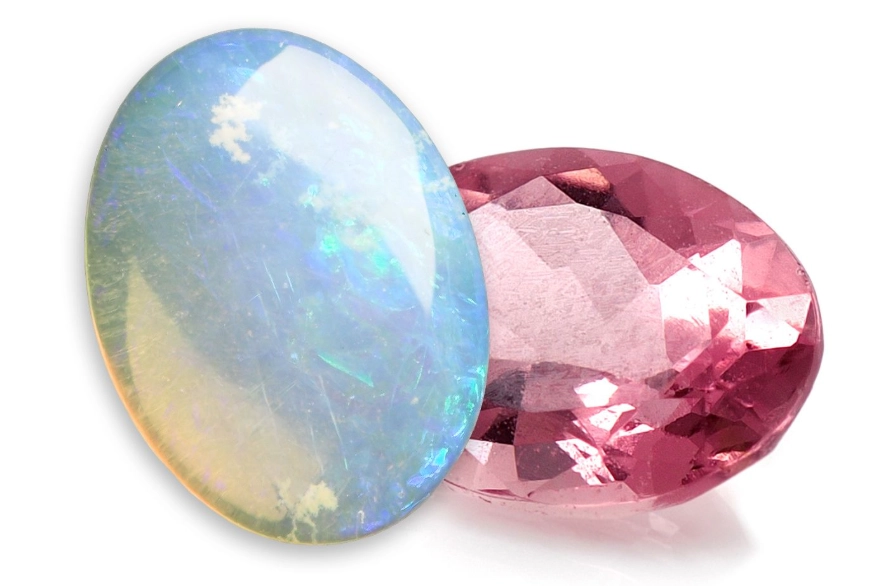
You've probably heard of birthstones. Maybe you own a piece of jewelry with yours. But what are the 12 precious stones that make up this iconic list, and where did the idea even come from? It's more than just a marketing gimmick. The tradition links back to the Breastplate of Aaron described in the Bible, which held twelve gems representing the tribes of Israel. Fast forward to 1912, and the Jewelers of America officially standardized the modern list we mostly use today. But here's the thing most articles don't tell you: that list has been tweaked. Lapis Lazuli got swapped out for Zircon, and Tanzanite is a very recent, and somewhat controversial, addition for December. The story is deeper, and the stones themselves are more fascinating, than a simple calendar chart suggests.
Your Quick Navigation
The Complete List of the 12 Precious Stones (Birthstones)
Let's break them down, month by month. This isn't just a list of names. I'm including the specifics that matter when you're looking to buy or understand a stone: its hardness on the Mohs scale (10 being diamond, 1 being talc), typical colors, and what people often get wrong about it.
| Month | Stone(s) | Mohs Hardness | Key Colors | Quick Insight |
|---|---|---|---|---|
| January | Garnet | 6.5 - 7.5 | Deep red (most common), green, orange | Not just red! Tsavorite and Demantoid garnets are stunning green varieties often confused with emerald. |
| February | Amethyst | 7 | Purple, violet | Once as valuable as ruby or sapphire until huge deposits were found in Brazil. Great durability for everyday wear. |
| March | Aquamarine, Bloodstone | 7.5 - 8 | Pale blue to green-blue, dark green with red spots | Aquamarine's color can be enhanced by heat treatment—a standard, accepted practice. Bloodstone is a carving favorite. |
| April | Diamond | 10 | Colorless, yellow, brown, fancy colors | The hardest natural substance. Lab-grown diamonds are chemically identical and a major ethical/market shift. |
| May | Emerald | 7.5 - 8 | Rich green | Almost always has visible inclusions ("jardin"). Oiling is a standard treatment to hide cracks. Handle with care—it's brittle. |
| June | Pearl, Alexandrite, Moonstone | 2.5-4.5, 8.5, 6-6.5 | White, cream, color-change green/red, sheeny white/blue | The only "stone" from a living creature. Alexandrite's color change is rare and pricey. Moonstone has that magical glow. |
| July | Ruby | 9 | Pigeon blood red to purplish-red | Second only to diamond in hardness. Heat treatment is ubiquitous. A vivid, unheated Burmese ruby commands astronomical prices. |
| August | Peridot, Spinel, Sardonyx | 6.5-7, 8, 6.5-7 | Lime green, red, pink, banded red/white | Peridot is one of the few gems found in meteorites! Spinel was historically mistaken for ruby (like the "Black Prince's Ruby"). |
| September | Sapphire | 9 | Blue (classic), pink, yellow, white ("padparadscha" is orange-pink) | Like ruby, a corundum. "Padparadscha" sapphire is among the rarest and most valuable colors. Excellent for engagement rings. |
| October | Opal, Tourmaline | 5.5-6.5, 7-7.5 | Play-of-color (opal), every color imaginable (tourmaline) | Opal contains water—can crack if dried out ("crazing"). Ethiopian opal is more porous than Australian. Tourmaline comes in bi-color and watermelon slices. |
| November | Topaz, Citrine | 8, 7 | Blue, imperial (orange-pink), yellow, brown | Most blue topaz (London, Swiss) is colorless stone irradiated and heated. Natural blue is rare. Citrine is often heat-treated amethyst. |
| December | Tanzanite, Zircon, Turquoise | 6.5, 6.5-7.5, 5-6 | Blue-violet, blue, brown, green; sky blue, green-blue | Tanzanite is found in only one place on Earth (Tanzania). Zircon has brilliant fire but is often confused with cheap cubic zirconia. Turquoise is often stabilized with resin. |
Looking at the table, you can already spot a pattern. Durability varies wildly. A diamond (10) can handle anything, but an opal or pearl (5.5-6.5 and below) needs a gentle, protected setting. This is the first rule of choosing a stone for jewelry: match the hardness to the wear. An emerald in a right-hand ring you wear daily? You're asking for chips and scratches.
What Makes a Stone 'Precious' Anyway?
The classic "big four" – diamond, ruby, sapphire, emerald – earned their "precious" title due to a combo of rarity, beauty (color and brilliance), and hardness, making them suitable for royal regalia. But beauty is subjective, and rarity shifts. Tanzanite is arguably rarer than sapphire, found in a single, depleting mine. Paraíba tourmaline, with its electric neon blue, is breathtakingly rare and expensive.
So, for our purposes with birthstones, we're using "precious" to mean a gemstone valued for its beauty, durability, and use in adornment, steeped in cultural and historical significance. It's less about a rigid category and more about the role these twelve specific stones play.
The Hidden Factor: Treatments and Synthetics
This is where it gets real. The vast majority of gems in jewelry stores have been treated in some way. Heat treatment to enhance color (sapphire, aquamarine, citrine). Oil or resin filling to hide fractures (emerald, turquoise). Irradiation to create color (blue topaz). These treatments are standard, accepted, and should be disclosed. They're not inherently bad—they make beautiful stones accessible. The problem is non-disclosure. Always ask, "Has this stone been treated?" A reputable seller will tell you.
And then there are lab-created stones. Not "fake," but chemically identical gems grown in weeks, not millennia. Lab sapphires, rubies, and emeralds are flawless, affordable, and ethically clean. For many, they're the perfect choice. The key, again, is honest labeling.
How to Choose Your Birthstone: A Practical Guide
So you want a piece of birthstone jewelry. Great! Let's move past the calendar and think strategically.
First, consider the piece.
Everyday Ring: Aim for hardness of 8 or above. Sapphire, ruby, diamond, aquamarine, spinel, topaz. Avoid opal, pearl, emerald, tanzanite for this purpose.
Pendant or Earrings: You have more freedom. Softer stones like opal, pearl, emerald, and tanzanite are safer here, away from knocks and scratches.
Statement Cocktail Ring: Maybe you only wear it occasionally. Then you can consider a more delicate stone, but ensure it's in a protective bezel setting.
Second, think beyond your birth month. Do you love the oceanic calm of aquamarine but were born in November? Get it! The modern interpretation is about connecting with a stone's meaning or color. Maybe you want the "alternative" birthstone. For example, many prefer the bright green of tsavorite garnet over January's traditional red garnet.
Third, set a budget and understand value drivers. For colored stones, color is king, then clarity, cut, and carat weight (in that rough order). A smaller stone with a vivid, saturated color is often more valuable than a large, pale one. With diamonds, the classic 4Cs apply. Don't get hung up on carat size alone.
Caring for Your Precious Stones: Maintenance Tips
Gemstones aren't indestructible. Here’s a simple care hierarchy:
The Tanks (Hardness 8+): Diamond, ruby, sapphire. Can handle ultrasonic cleaners generally (check settings). Warm soapy water and a soft brush are always safe.
The Delicates (Hardness 7 & below, or porous): Opal, pearl, emerald, tanzanite, turquoise. Wipe only with a damp, soft cloth. Never soak. Keep away from chemicals, perfumes, and heat. Store in a soft pouch away from harder stones that can scratch them.
The Middle Ground (Hardness 7-7.5): Garnet, amethyst, peridot, tourmaline. Stick to soapy water and a brush. Avoid ultrasonics if the stone has inclusions or fractures.
Universal rule: Take jewelry off last when dressing, and put it on first when undressing. This avoids contact with cosmetics and chemicals.
Your Birthstone Questions, Answered
At the end of the day, these twelve precious stones are bridges—to history, to personal identity, to the incredible geology of our planet. Whether you're drawn to the myth, the color, or the science, there's a stone that speaks to you. The trick is to choose with both your heart and a bit of practical know-how. That's how you find a gem you'll cherish not just for a season, but for a lifetime.