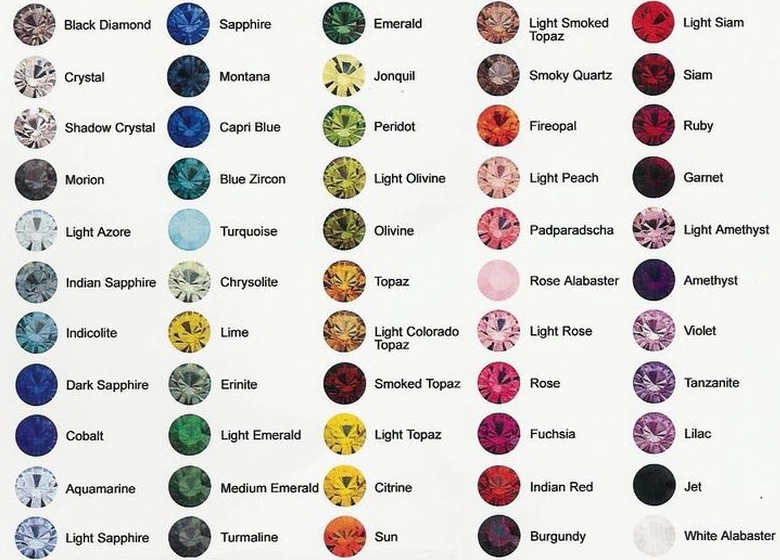
I remember the first time I bought a "precious" stone. It was a deep blue sapphire pendant from a market stall on vacation. The seller swore it was natural, the price was a steal, and I was thrilled. A year later, a jeweler took one look under his loupe and pointed out the tell-tale curved growth lines of a synthetic stone. That lesson cost me a few hundred dollars and a lot of trust.
Choosing precious stones for jewelry isn't just about picking the prettiest color. It's a blend of geology, artistry, market knowledge, and understanding your own lifestyle. Whether you're commissioning an engagement ring, buying a birthday gift, or investing in a statement piece, the process can feel overwhelming. Do you go for a classic diamond or a vibrant ruby? How much should you spend on clarity? Is buying online a terrible idea?
Let's cut through the jargon and the sales pitches. This guide is built on two decades of talking to gem cutters, jewelers, and collectors, and yes, making my own mistakes. We'll focus on the "Big Four"—diamond, ruby, sapphire, and emerald—because they set the standard for precious stones in jewelry, but the principles apply broadly.
Your Quick Guide to Precious Stones
Meet the Classics: The Big Four Precious Stones
These four have held the "precious" title for centuries, and for good reason. Their combination of exceptional hardness, brilliance, and color rarity makes them uniquely suited for heirloom jewelry. But each has a distinct personality.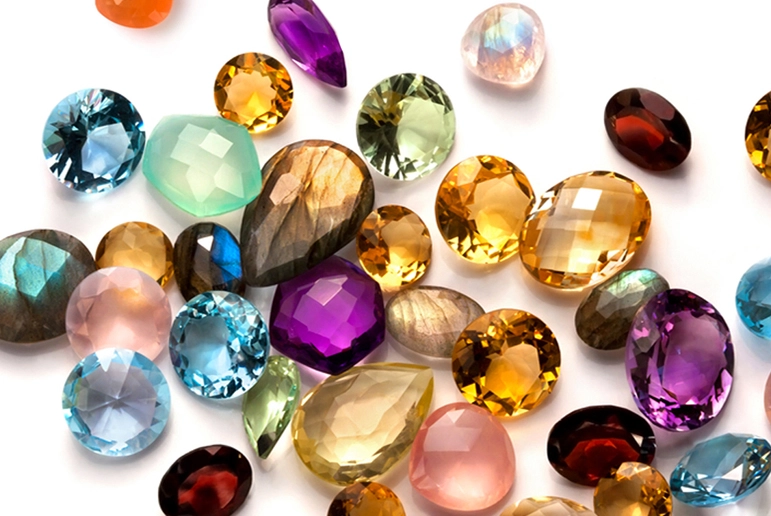
| Stone | Key Color(s) | Mohs Hardness | What Makes It Special (and Tricky) | Good for... |
|---|---|---|---|---|
| Diamond | Colorless, Fancy Colors (Yellow, Blue, etc.) | 10 | Unmatched brilliance & fire due to its high refractive index. The ultimate symbol of durability. The catch? The ethical and environmental sourcing is crucial. Lab-grown diamonds are now optically identical and a major market force. | Engagement rings, daily-wear pieces, any setting where maximum sparkle is desired. |
| Ruby | Pigeon's Blood Red to Purplish Red | 9 | That saturated, fiery red is incredibly rare in nature. Most rubies on the market are heat-treated to enhance color and clarity—this is standard and accepted, but must be disclosed. Look for a vibrant red without brown or orange undertones. | Statement rings, cocktail rings, pendant necklaces. Its hardness makes it durable for rings. |
| Sapphire | Blue (Cornflower to Royal), Pink, Yellow, Padparadscha | 9 | Incredible versatility. While blue is classic, parti-colored and fancy sapphires offer unique beauty. Heat treatment is also common. A well-cut sapphire should have a rich, even color without being so dark it looks black indoors. | Everything. Engagement rings (thanks, Princess Diana), earrings, bracelets. The most versatile of the four. |
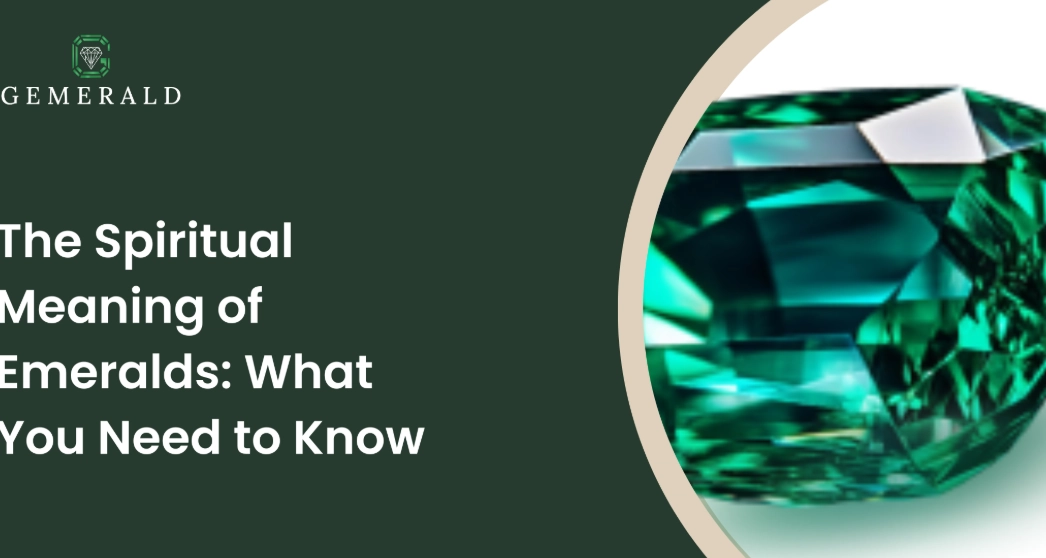
| Emerald | Bluish-Green to Pure Green | 7.5-8 | The lush, garden-like green is unmatched. Emeralds are almost always included (have internal fractures)—these "jardins" are often accepted as part of their character. They are routinely filled with oils or resins to improve clarity. This makes them more sensitive to heat and chemicals. | Pendants, earrings, occasional-wear rings. Due to lower hardness and inclusions, be more cautious with emerald rings for daily wear. |
That table gives you the textbook overview. Here's the practical bit most blogs skip: the cut of a colored stone matters more than you think. A deep, poorly cut sapphire will look dark and dead even with great color. A shallow emerald will lack the velvety richness. Always, always ask to see a stone under different lights—direct sun, shade, and indoor lighting. A good stone holds its personality in all of them.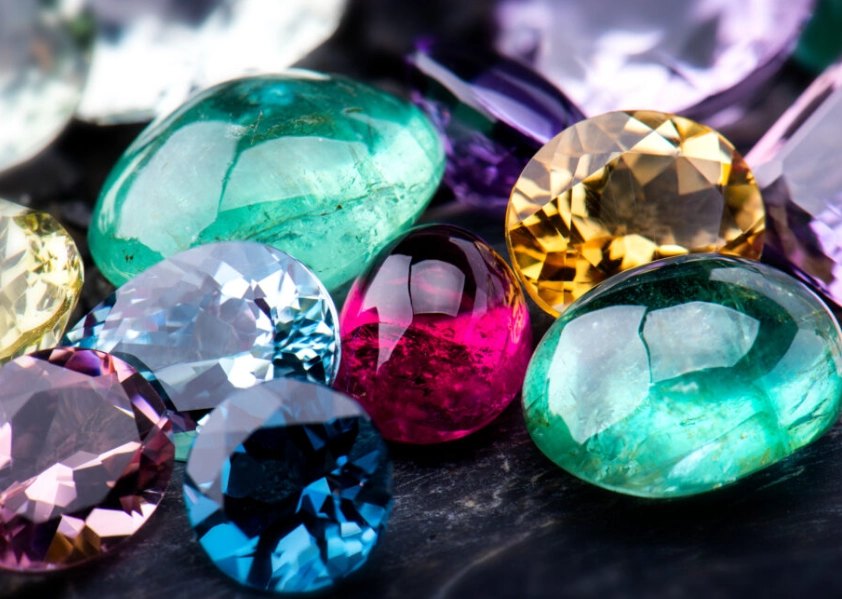
What You're Really Paying For: The 4Cs Decoded (And Which One to Prioritize)
The 4Cs (Cut, Color, Clarity, Carat) were popularized by GIA for diamonds, but the framework applies to colored stones with a twist. Most people get the order of importance wrong.
1. Cut: The Make or Break Factor
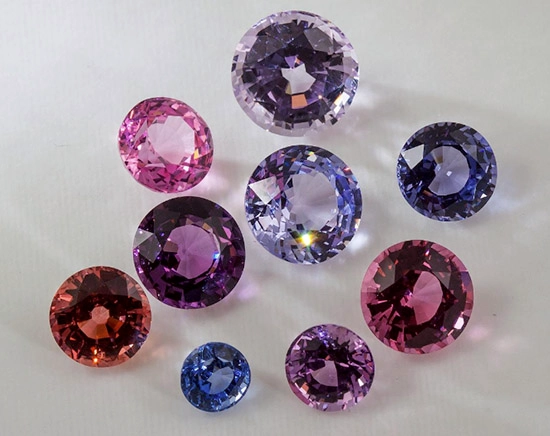
This isn't just the shape (round, oval, cushion). It's the quality of the faceting—the proportions, symmetry, and polish. A great cut unlocks a stone's fire, brilliance, and even color. A bad cut can make a high-color stone look dull. For colored stones, the cutter's goal is often to maximize color, which can lead to unconventional, deeper cuts. Don't be afraid of a slightly odd proportion if the face-up color is breathtaking.
2. Color: Hue, Tone, and Saturation
For colored gems, this is usually king. But it's nuanced. Hue is the basic color (e.g., blue, green). Tone is how light or dark it is. Saturation is the intensity or purity of the color. You want a vivid, moderately-toned stone with no gray or brown masking the color. A common mistake? Choosing a stone that's too dark because it looks intensely colored in a dim showroom. See it in daylight.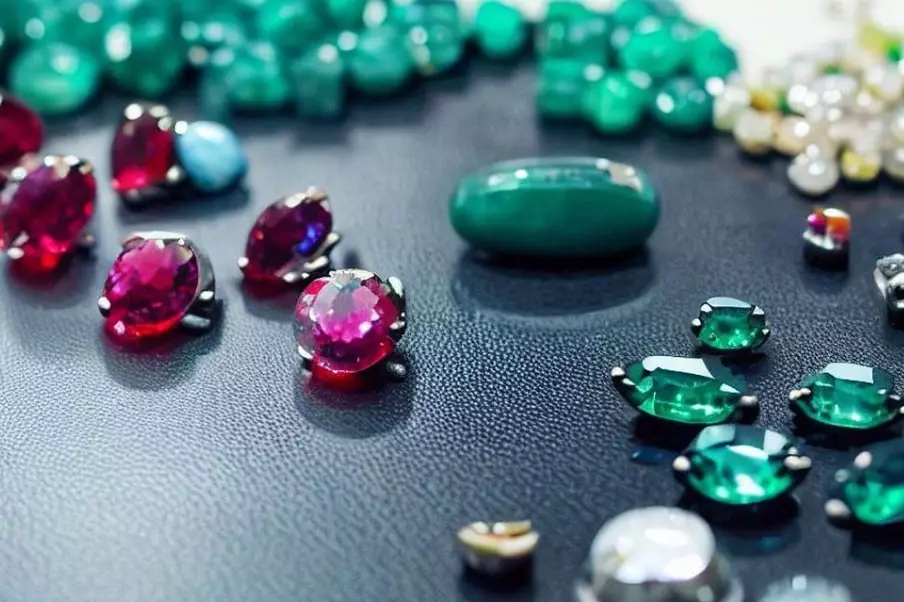
Pro Tip: With diamonds, near-colorless grades (G-J) offer tremendous value. To the naked eye, they appear white, especially when set in white gold or platinum, but cost significantly less than D-F flawless grades. Put your budget into cut quality first.
3. Clarity: Inclusions Aren't Always the Enemy
Flawless precious stones are museum pieces. Inclusions are like fingerprints. In diamonds, you want them to be eye-clean (not visible face-up to the naked eye). In colored stones like emeralds and rubies, inclusions are expected. The question is: do they compromise the stone's structural integrity or beauty? A veil of inclusions that clouds the stone is a problem. A few well-positioned crystals? Often just character.
4. Carat Weight: Size vs. Quality
Carat is a measure of weight, not size. A poorly cut two-carat stone can look smaller than a well-cut one-carat stone. Price per carat increases exponentially with size, especially for high-quality material. Sometimes, buying a 0.90-carat stone over a 1.00-carat stone can save you 20% with no visible difference in size. It's called buying "under the magic size."
My hierarchy for a daily-wear piece? Cut > Color > Clarity (eye-clean) > Carat. For a colored stone pendant worn less often, you might prioritize Color > Cut > Carat > Clarity.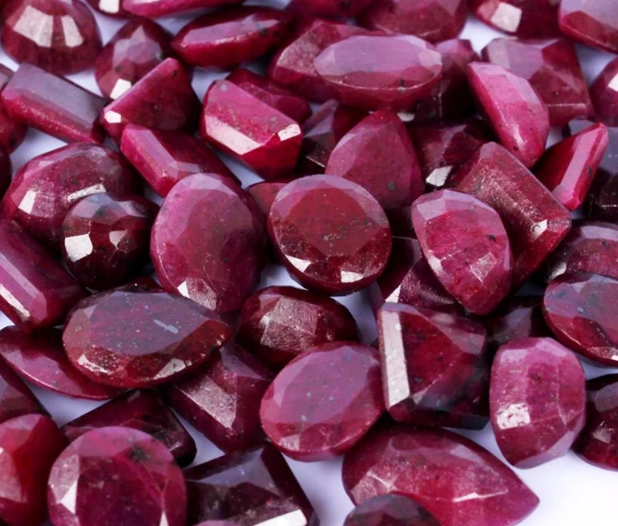
Navigating the Market: Where and How to Buy Precious Stones
This is where people feel most vulnerable. You have options, each with pros and cons.
Local Jewelry Stores: The traditional route. You can see stones in person, build a relationship, and get service. Prices may be higher due to overhead. Don't be shy about asking for a independent lab report. A reputable store will have them or can get one.
Online Retailers & Marketplaces: Sites like Blue Nile (for diamonds) or specialized colored gemstone dealers offer vast selection and competitive prices. The risk is you can't see the stone in person before buying. Non-negotiable requirements: High-resolution videos (not just photos) under multiple light sources, a verifiable certificate from a major lab (GIA, AGS, GRS for colored stones), and a rock-solid return policy (30 days is standard). I once bought a sapphire online that looked steely-blue in the video. In person, it had a beautiful violet undertone I loved. The return policy gave me the confidence to try.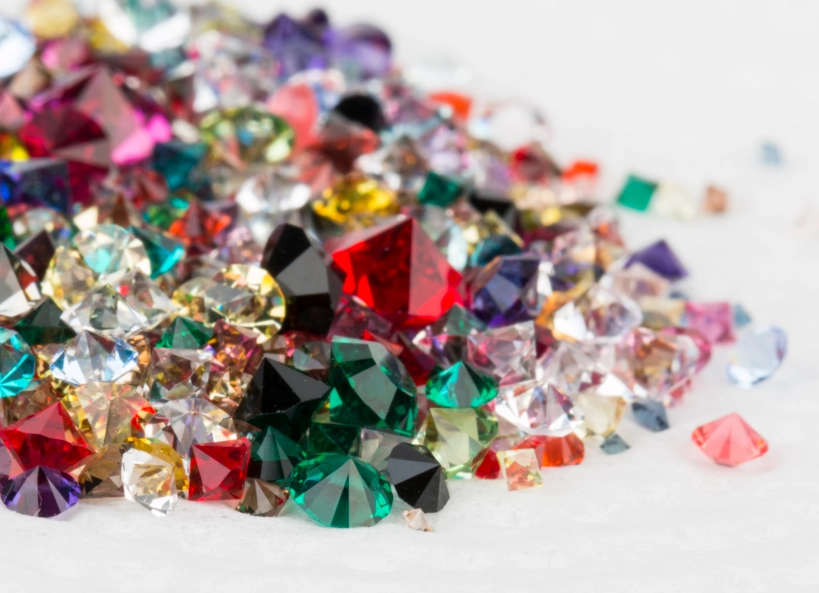
Auctions & Estate Sales: Can be sources for unique, antique stones. You need knowledge to assess settings, potential damage, and old treatments that weren't disclosed. Not for beginners.
The Certificate is Your Shield: Never buy a significant precious stone without a report from a major independent laboratory like the Gemological Institute of America (GIA) or American Gem Society (AGS). It's your objective proof of what the stone is, any treatments it has undergone, and its quality grades. The seller's own "certificate" is worthless.
Keeping the Magic Alive: Care and Maintenance
Precious stones are tough, but not invincible. 90% of damage happens during cleaning or storage, not wear.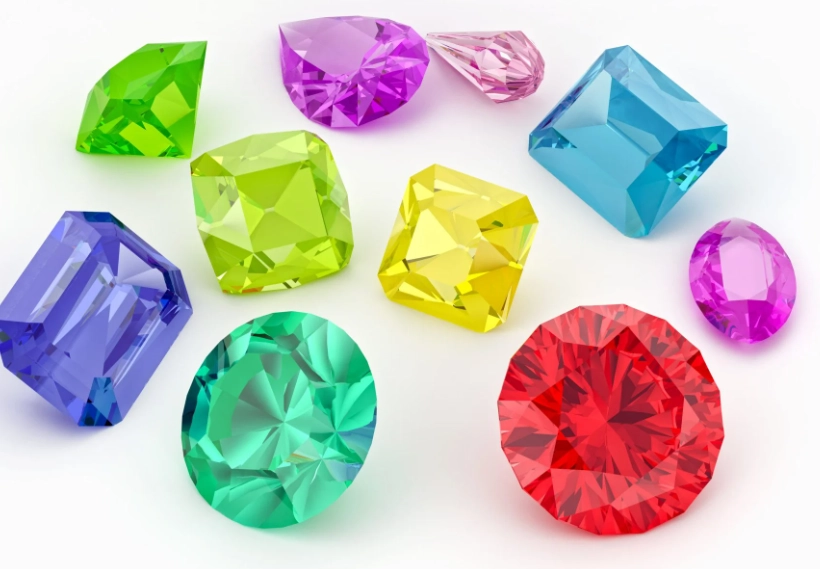
- Cleaning: Warm water, mild dish soap (ammonia-free), and a soft toothbrush. Rinse thoroughly. Avoid ultrasonic cleaners for emeralds, fracture-filled rubies, or any stone with significant inclusions—the vibrations can worsen cracks.
- Storage: The single worst thing you can do is toss all your jewelry in one box. Diamonds will scratch sapphires, sapphires will scratch gold. Use separate soft pouches or a box with individual compartments.
- Wear: Put your jewelry on last when getting ready (after hairspray, perfume, makeup). Take it off first when doing chores, gardening, or swimming. Chlorine and hard knocks are the enemies.
- Check-ups: Have a jeweler check the prongs and settings once a year. A loose prong can lead to a lost stone.
Your Precious Stone Questions Answered
Choosing a precious stone is a personal journey. It's part science, part emotion, and a whole lot of paying attention to the details everyone else glosses over. Forget finding the "perfect" stone. Focus on finding a beautiful, well-cut stone with character that speaks to you, backed by the right paperwork and set by a skilled jeweler. That's how you create a piece of jewelry that isn't just precious in name, but in the story you build around it for years to come.