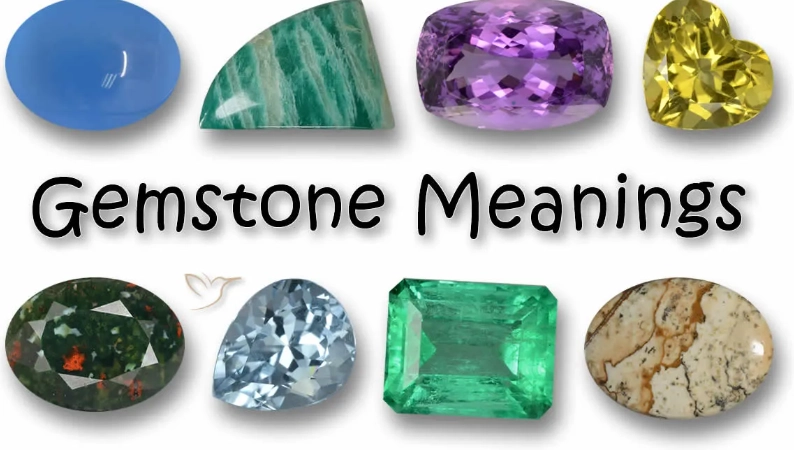
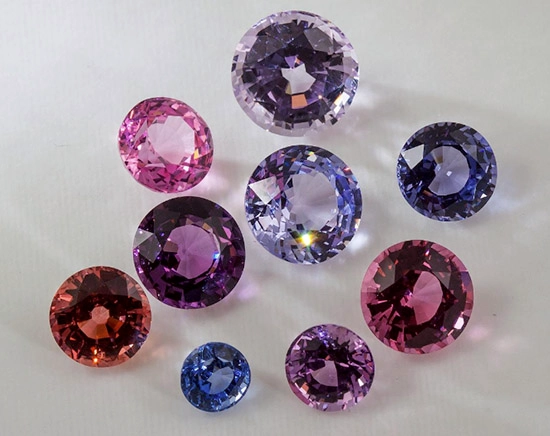
Let's cut right to the chase. When we talk about precious stones, we're not just discussing shiny rocks. We're diving into a world where geology meets art, history, and hard cash. I've spent over a decade in the gem trade, and I've seen people make costly mistakes—like that friend who bought a "rare" sapphire online, only to find out it was glass. This guide will help you navigate that world, from what makes a stone precious to how you can spot the real deal.
What You'll Learn in This Guide
What Makes a Stone Precious? The Three Pillars
Forget the hype. A stone earns the "precious" label based on three things: rarity, durability, and beauty. Rarity isn't just about being scarce; it's about how hard it is to find high-quality specimens. Durability means it can withstand wear—think hardness on the Mohs scale. Beauty? That's subjective, but color, clarity, and cut play huge roles.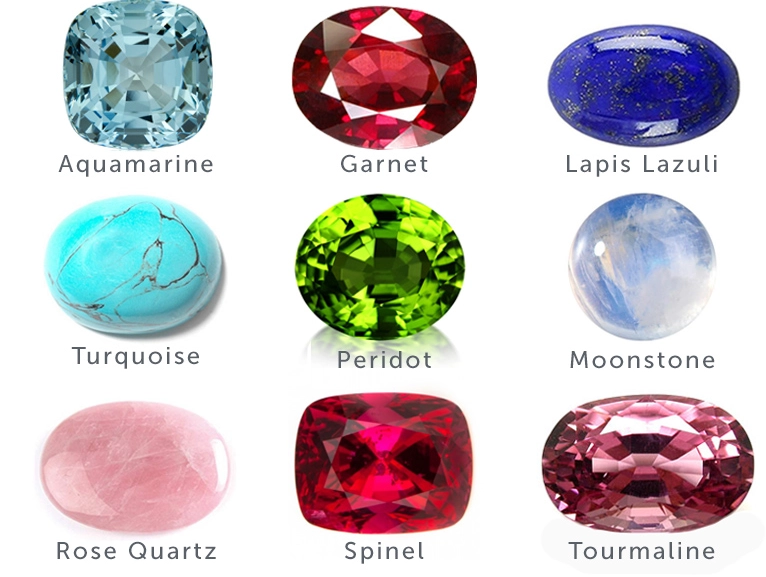
Here's a nuance most beginners miss. Rarity can be artificial. Some gemstones are rare because mining is restricted or politically fraught. Take Burmese rubies—their supply is limited due to sanctions, driving up prices. But that doesn't always mean they're better than rubies from Mozambique, which are more abundant but often just as stunning.
I recall a client insisting on a "blood diamond" for its rarity, not realizing that ethical sourcing from Canada or Australia can offer similar quality without the baggage. Durability matters too. Opals are beautiful but soft, prone to cracking. That's why they're often considered semi-precious, despite their allure.
The Elite Circle: Top 5 Most Precious Stones
Let's get specific. Based on market value, historical significance, and sheer demand, here are the top five. I've included a table for quick reference, but the stories behind them are what really matter.
| Stone | Key Origin | Average Price per Carat (High-Quality) | Why It's Precious |
|---|---|---|---|
| Diamond | Botswana, Russia | $15,000 - $50,000+ | Extreme hardness, cultural symbol, controlled supply |
| Ruby | Myanmar, Mozambique | $10,000 - $30,000+ | Vivid red color, historical royalty associations |
| Sapphire | Kashmir, Sri Lanka | $5,000 - $20,000+ | Durability, blue hues, versatility in jewelry |
| Emerald | Colombia, Zambia | $4,000 - $15,000+ | Rich green color, often included (jardin), making flawless ones rare |
| Alexandrite | Russia, Brazil | $20,000 - $100,000+ | Color-changing phenomenon, extreme rarity |
Now, let's dive deeper.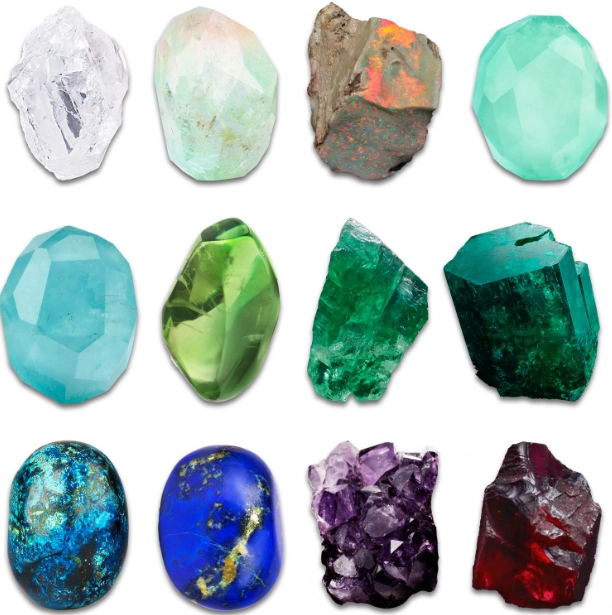
Diamond: More Than Just a Brilliant Sparkle
Diamonds top the list, but not all are equal. The Gemological Institute of America (GIA) grades them on the 4Cs. A common mistake? Focusing too much on carat size and ignoring cut quality. A well-cut 1-carat diamond can outshine a poorly cut 2-carat one.
Investment tip: Fancy colored diamonds—like pinks or blues—are skyrocketing in value. A pink diamond from the Argyle mine in Australia sold for over $2 million per carat before the mine closed. But beware, synthetic diamonds are flooding the market; always check for certification.
Ruby: The King of Color
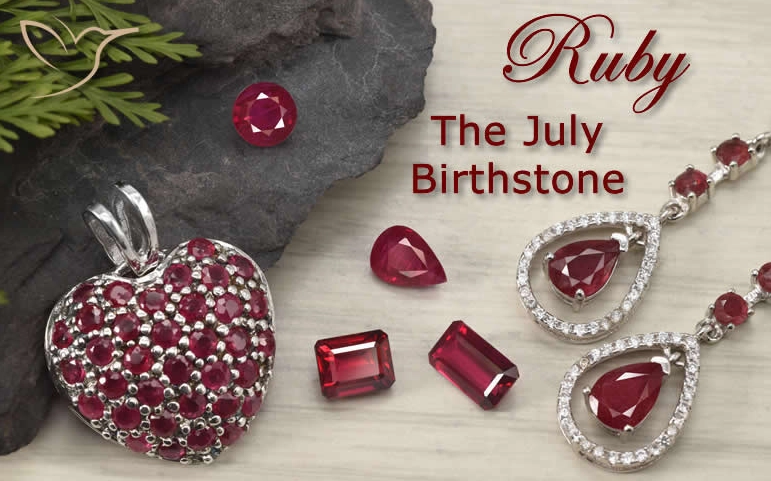
Rubies are all about that pigeon's blood red. Origin is key. Burmese rubies have a premium, but Mozambican ones are gaining traction. I've seen dealers heat-treat low-quality rubies to enhance color, so ask about treatments upfront.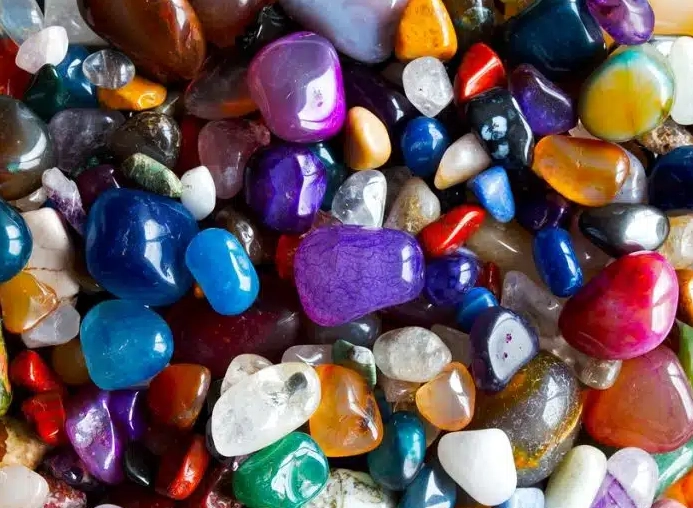
A personal story: I once appraised a ruby ring believed to be vintage Burmese. Turns out, it was a synthetic stone from the 1970s—worth a fraction. The owner had paid thousands based on a fake provenance story.
Sapphire: Not Just Blue
Sapphires come in many colors, but blue ones from Kashmir are the holy grail. They have a velvety texture due to microscopic inclusions. Problem is, most "Kashmir" sapphires on the market are from other regions. Verify with a lab report from authorities like GIA.
Pink and padparadscha (orange-pink) sapphires are undervalued, in my opinion. They're rarer than blues but less marketed.
Emerald: The Garden Stone
Emeralds are almost always included with internal fractures (called jardin). That's part of their charm. But too many inclusions weaken the stone. Colombian emeralds from Muzo are prized for their pure green hue, but Zambian ones offer better clarity at lower prices.
Oiling is a standard treatment to hide cracks. Disclose it, or the value drops.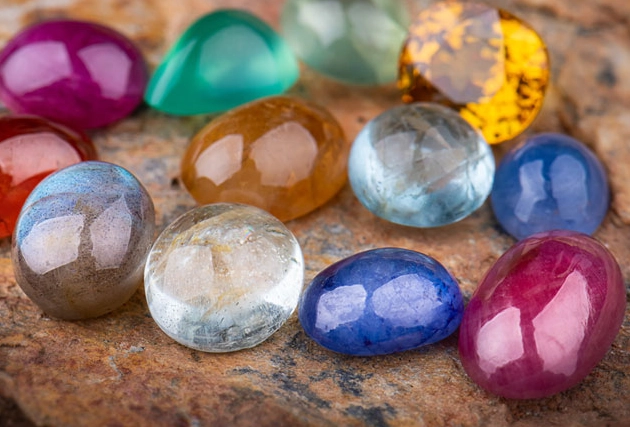
Alexandrite: The Chameleon
Alexandrite changes color from green in daylight to red under incandescent light. Natural stones are incredibly rare—most on the market are synthetic or simulants. If you find one, get it certified immediately. Prices are insane because supply is nearly nonexistent.
How to Identify Genuine Precious Stones: A Practical Guide
You don't need a lab to start. Here's a step-by-step approach I use with clients.
First, check the basics. Weight: use a carat scale. Color: look for consistency under different lights. Clarity: examine with a 10x loupe for inclusions. Cut: see if facets align properly.
But here's an expert trick. Test hardness with a simple scratch kit (available online). Diamond scratches everything; corundum (ruby/sapphire) scratches topaz but not diamond. Don't rely on thermal conductivity testers alone—they can be fooled by moissanite.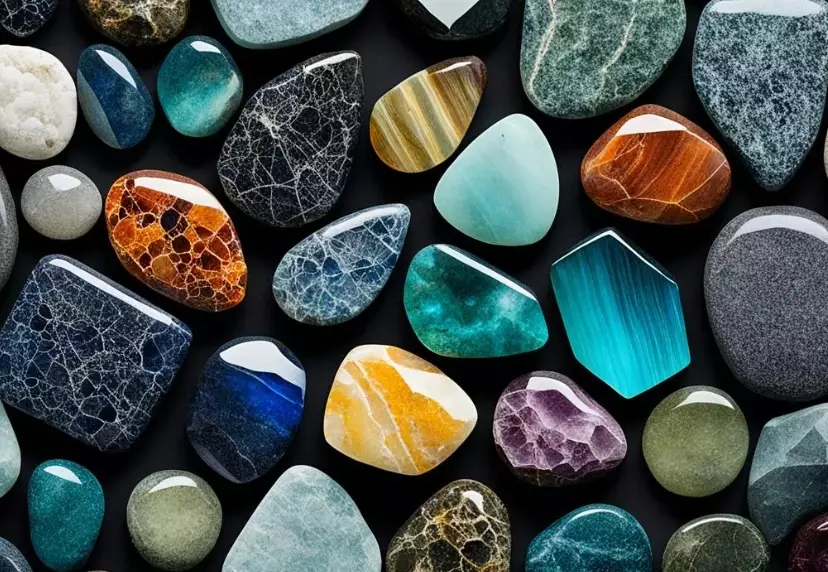
For origin, it gets tricky. Spectroscopy tools help, but for amateurs, documentation is key. Buy from sellers who provide reports from GIA or AGS (American Gem Society). I've seen too many "Ceylon sapphires" that are actually from Madagascar—similar look, different value.
Case study: A client brought a "rare black opal." Under UV light, it fluoresced oddly, revealing it was dyed common opal. Cost her $5000. Always use UV light for opals and diamonds; naturals often show specific fluorescence.
Investing in Precious Stones: Pitfalls and Pro Tips
Thinking of investing? It's not like stocks. Liquidity is low, and the market is opaque. Here's what I've learned.
Pitfall #1: Buying retail. Jewelry stores markup is huge. Instead, go to gem shows or auctions. Sotheby's and Christie's have regular gem auctions—prices are transparent.
Pitfall #2: Ignoring treatments. Heated sapphires are worth 30-50% less than unheated ones. Ask for disclosure.
Pro tip: Focus on niche stones. Tsavorite garnet is durable, vivid green, and still affordable. Spinels are gaining popularity—they're like rubies but with fewer inclusions. The market is catching on, so early investment could pay off.
Budget? Start small. A $1000 vivid blue spinel might appreciate faster than a $5000 low-grade diamond. Diversify across gem types to spread risk.
Remember, gemstones are a long-term game. Don't expect quick flips. And insure them—I've seen collections lost in fires or thefts.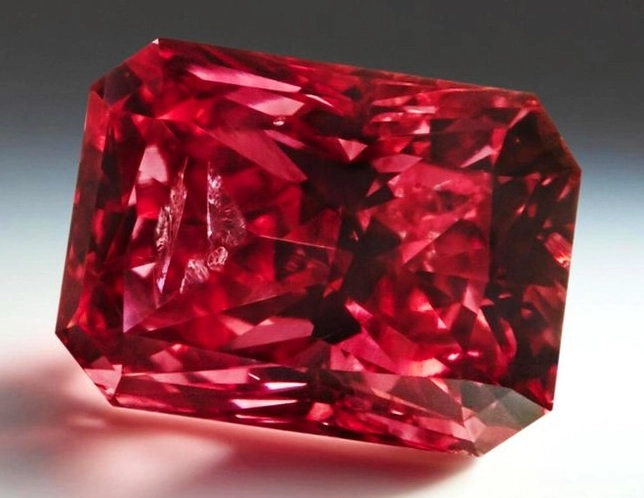
Your Burning Questions Answered
Wrapping up, precious stones are fascinating but complex. Whether you're buying for joy or investment, arm yourself with knowledge. Start with the basics, verify everything, and don't rush. The sparkle should come from the stone, not the sales pitch.