You hear the term "precious stone" thrown around a lot. But in the world of gemology, it's not a casual label. It's a specific classification reserved for a tiny group of minerals that have captivated humans for millennia with their unparalleled beauty, extreme rarity, and enduring value. Forget the vague lists you see online. We're going deep. What truly defines a precious stone, and which ones make the cut? More importantly, why should you care? Whether you're looking to buy an engagement ring, understand an heirloom, or simply appreciate nature's art, knowing these ten stones is essential. This isn't just a list; it's a roadmap to understanding what makes these gems the kings and queens of the mineral kingdom.
Your Quick Guide to the Top 10
What Exactly Makes a Gemstone 'Precious'?
Let's clear up a major misconception. "Precious" isn't just a marketing term for something expensive. Historically, and in many trade circles today, it refers to a specific club with only four members: diamond, ruby, sapphire, and emerald. The criteria are brutally simple:
- Exceptional Hardness (Durability): Measured on the Mohs scale, they need to be hard enough for daily wear. Diamond is a perfect 10. Corundum (ruby & sapphire) is 9. Emerald (beryl) is 7.5-8. This isn't negotiable. A stunning but soft stone won't last.
- Supreme Beauty & Rarity: Their color, brilliance, and fire are the benchmarks. Finding them in large sizes with top color and clarity is a geological lottery.
- Historical & Cultural Cachet: Centuries of desire from royalty and the ultra-wealthy have cemented their status.
But the world of gems has evolved. New discoveries and shifting markets have forced us to expand the conversation. So, for this guide, we're looking at the top 10 precious stones through a modern lens: combining the timeless "Big Four" with six other gems that meet or even exceed the traditional criteria in every way except, perhaps, history.
A quick note from experience: I've seen collectors pay more for a fine paraiba tourmaline than for a mediocre sapphire. The old labels matter less than the actual quality in your hand.
The Definitive List: Top 10 Precious Stones
Here they are, ranked not just by tradition, but by their current standing in the high-end market. Think of this as the starting grid for the world's most valuable gemstones.
| Rank & Stone | Key Color(s) | Mohs Hardness | What Drives Its Value |
|---|---|---|---|
| 1. Diamond | Colorless, Fancy Colors (Yellow, Pink, Blue) | 10 Hardest | The 4Cs (Cut, Color, Clarity, Carat), Branding, Rarity of Colorless & Fancy Colors. |
| 2. Ruby | Red (Pigeon's Blood ideal) | 9 | Color intensity (red with purple undertones), Clarity, Origin (Burmese commands premium). |
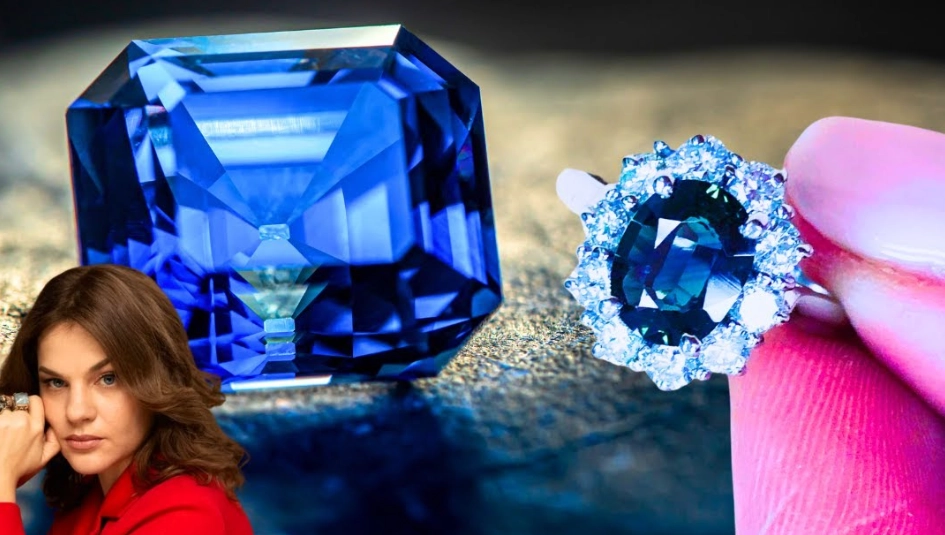
| 3. Blue Sapphire | Blue (Cornflower to Royal Blue) | 9 | Color saturation & evenness, Size, Origin (Kashmir, Burmese). |
| 4. Emerald | Green (Vivid, slightly bluish-green) | 7.5-8 | Deep, saturated green color, Transparency, Origin (Colombian). Accepts inclusions ('jardin'). |
| 5. Alexandrite | Color-Change (Green in daylight, Red in incandescent) | 8.5 | The strength and completeness of the color change. Natural stones are exceedingly rare. |
| 6. Padparadscha Sapphire | Pinkish-Orange (Sunset hue) | 9 | The precise, delicate blend of pink and orange. The rarest sapphire variety. |
| 7. Jadeite Jade | Green (Imperial Green), Lavender, White | 6.5-7 | Translucency, color intensity, and texture. "Imperial Green" is the pinnacle. |
| 8. Paraiba Tourmaline | Neon Blue to Green (Copper-bearing) | 7-7.5 | The electric, glowing color caused by copper. Brazilian origin is most prized. |
| 9. Red Beryl (Bixbite) | Vivid Raspberry Red | 7.5-8 | Extreme rarity. Found in only one location (Utah, USA). More rare than diamond. |
| 10. Musgravite | Grayish-Purple to Olive Green | 8-8.5 | One of the rarest gem minerals on Earth. Prized by collectors for its scarcity. |
Beyond the Big Four: The Modern Contenders
The bottom six on that list aren't runners-up. In many ways, they're more exclusive. Let's talk about why.
Alexandrite (#5) is the ultimate chameleon. A true natural alexandrite with a strong color change from grassy green to raspberry red is a museum piece. Most "alexandrite" sold is synthetic or color-change sapphire. Seeing a real one is an event.
Padparadscha Sapphire (#6) isn't just a pink-orange sapphire. The name comes from the Sinhalese for 'lotus blossom,' and the color should be just that—a soft, luminous blend, not too orange, not too pink. It's subjective, which makes finding "the one" a passionate hunt for collectors.
Here's a mistake I see constantly: confusing Jadeite Jade (#7) with the more common Nephrite Jade. Jadeite is the precious form. Imperial Green Jadeite, translucent and vibrant, can fetch prices per carat that rival fine emerald. The market for it, particularly in Asia, is immense.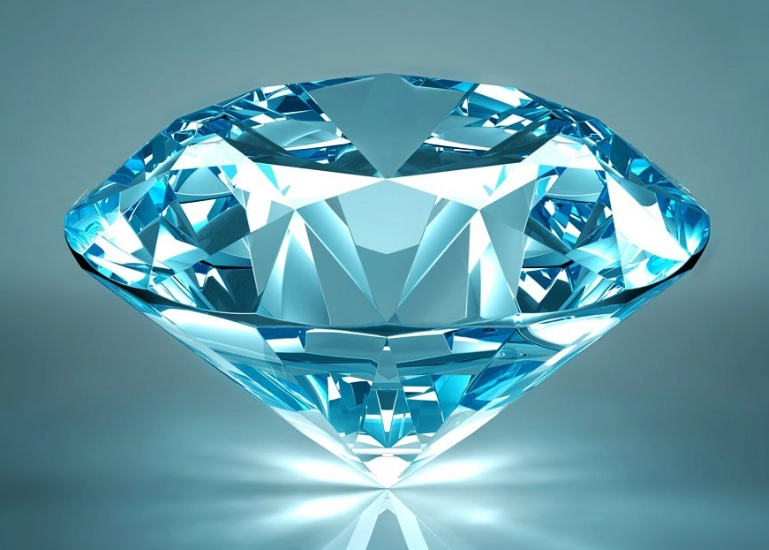
Paraiba Tourmaline (#8) was a game-changer. Discovered in the 1980s in Brazil, its color was unlike anything else. That neon glow comes from copper, a rarity in tourmaline. Stones over 2 carats with strong color are investments.
Red Beryl (#9) and Musgravite (#10) are the definition of niche rarity. You don't stumble into a jewelry store and buy these. Red Beryl is mined in such tiny quantities that a 1-carat gem is a major find. Musgravite has only a few hundred known faceted stones in the world. They're for the connoisseur who has everything else.
How to Choose and Care for Your Precious Stone
Knowing the list is one thing. Buying one is another. Let's get practical.
For Diamonds: The GIA certificate is your bible. But don't get hypnotized by a D/Flawless grade if the cut is poor. A well-cut stone with slightly lower color/clarity will sparkle more. That's what people see across a room. I'd take a G/VS1 with an Excellent cut over a D/IF with a Good cut any day.
For Colored Stones (Ruby, Sapphire, Emerald, etc.): Color is everything. Then cut, then clarity. A certification from a lab like GIA or AGL (American Gemological Laboratories) is crucial for identifying treatments. Is that ruby heat-treated? That's standard and stable. Is it filled with lead glass? That's a problem for durability and value. Ask directly.
Care Tips Based on Hardness:
- Diamond, Ruby, Sapphire (9-10): Tough. Ultrasonic cleaners are usually safe. Still, avoid harsh blows.
- Emerald, Alexandrite, Beryl/Tourmaline group (7.5-8.5): More delicate. Never use an ultrasonic. Clean with warm, soapy water and a soft brush. Emeralds are often oiled; harsh cleaners can remove it.
- Jadeite (6.5-7): Avoid scratches and sharp blows. Clean with a damp cloth.
Store everything separately in soft cloth pouches. That emerald can scratch your paraiba tourmaline, and that diamond can chip your sapphire's girdle.
Expert FAQ: Your Top Questions Answered
What are the four traditional precious stones?
The four traditional precious stones are diamond, ruby, sapphire, and emerald. This classification, rooted in historical rarity and value, is still widely used today. All other gemstones are typically classified as 'semi-precious,' though this term is becoming less favored in the trade as it undervalues many rare and beautiful gems like tanzanite or paraiba tourmaline.
Is a larger carat weight always better for precious stones?
Not necessarily. While carat weight affects price, it's often the least important of the 'Four Cs' for beauty and value. A poorly cut, included, or off-color large diamond can be worth less than a smaller, perfectly executed stone. For colored stones like ruby or emerald, color saturation and clarity frequently outweigh sheer size. Focus on the overall harmony of cut, color, and clarity first.
Are synthetic or lab-created precious stones a good investment?
Synthetic stones are excellent for fashion jewelry, offering beauty and durability at a fraction of the cost. However, they are not a financial investment like their natural counterparts. Natural gemstones derive value from geological rarity. Synthetic stones can be produced indefinitely, so they generally do not appreciate in value. Buy them for their aesthetic appeal, not as an asset.
What is the most important factor when buying a colored precious stone like a ruby or sapphire?
Color is king. For rubies, a pure, vibrant red with a slight hint of purple (called 'pigeon's blood') commands the highest premiums. For sapphires, a velvety cornflower blue is ideal. After color, look for a good cut that maximizes the stone's brilliance and hue, then consider clarity. A small inclusion in a fantastic color is usually preferable to a clean stone with a weak, grayish color. Always ask about treatments; heat treatment is common and accepted, but lead glass filling in rubies or emeralds is a major durability concern.
The world of precious stones is deep and fascinating. It's a blend of geology, art, history, and economics. Whether you're drawn to the classic fire of a diamond or the electric buzz of a paraiba, understanding what makes these ten stones special is the first step to making an informed and passionate choice. Don't just buy a name; buy the story, the science, and the singular beauty that speaks to you.