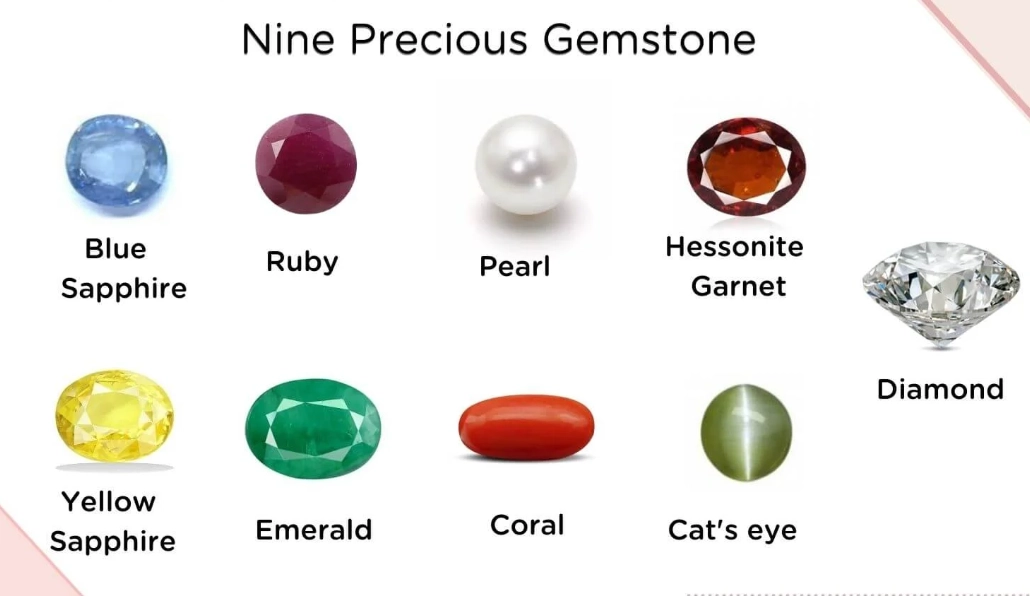
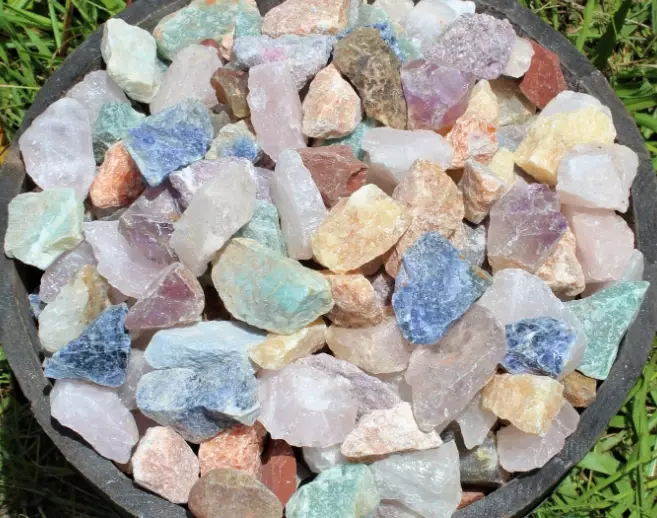
Ask someone to name a precious stone, and they'll probably say diamond. Maybe ruby or sapphire. But ask for the full list, and most people draw a blank. The idea of "precious" stones isn't just about price tags—it's a historical and cultural classification that has solidified over centuries. So, what are the 9 precious stones? The traditional list includes Diamond, Ruby, Sapphire, Emerald, Alexandrite, Cat's Eye (Chrysoberyl), Pearl, Coral, and Amber. But that simple list is just the starting point. The real story is in why these nine made the cut, how to tell them apart from cheaper lookalikes, and what you're actually paying for.
What’s Inside This Guide?
What Makes a Stone "Precious"?
This is where beginners get tripped up. They think "precious" equals "expensive," and "semi-precious" equals "cheap." That's not quite right. A top-quality Paraíba tourmaline (semi-precious) can cost far more per carat than a low-grade commercial sapphire (precious).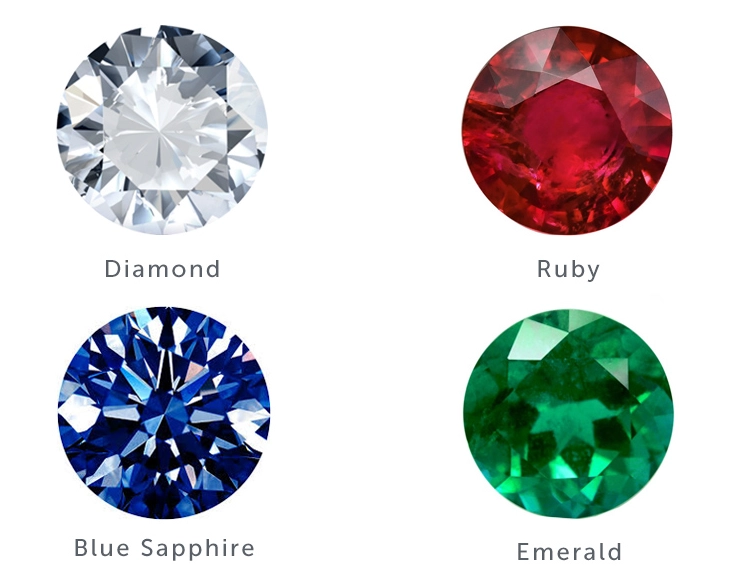
The classification is largely historical, rooted in antiquity and reinforced by European royalty and trade. The key factors are:
- Extreme Rarity: At the time these categories were formed, these nine materials were exceptionally difficult to find and obtain.
- Durability: Most are hard and tough enough for lasting jewelry (Pearl and Amber are the notable, softer exceptions, valued for other reasons).
- Beauty & Uniqueness: They possess a unique, captivating color, brilliance, or optical phenomenon that couldn't be easily replicated.
- Cultural Value: They carried significant symbolic weight in various cultures (e.g., pearls for purity, coral for protection).
The 9 Precious Stones: A Detailed Breakdown
Let's move beyond the list and into what makes each one special, where the value lies, and common pitfalls.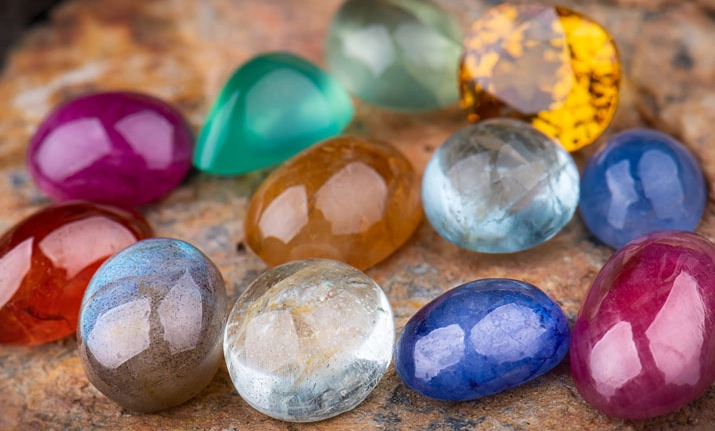
| Stone | Key Color(s) | Mohs Hardness | Biggest Value Factor | Common Confusion / Treatment |
|---|---|---|---|---|
| Diamond | Colorless, Fancy Colors | 10 | Colorlessness & Flawlessness (The 4Cs) | Lab-grown diamonds, Moissanite |
| Ruby | Red (Pigeon's Blood ideal) | 9 | Color Intensity & Origin (Burmese) | Heat treatment is universal, glass-filled rubies |
| Sapphire | Blue (Cornflower, Royal), Padparadscha | 9 | Color & Saturation (Kashmir origin premium) | Heat treatment, diffusion-treated stones |
| Emerald | Green (Vivid grass-green) | 7.5-8 | Rich Green Color with minimal inclusions | Nearly all are oiled to hide fractures |
| Alexandrite | Color-change (Green to Red) | 8.5 | Strength & Completeness of Color Change | Over 99% on market are synthetic or simulants |
| Cat's Eye (Chrysoberyl) | Honey, Green, Gray | 8.5 | Sharpness & Centering of the "Eye" | Quartz cat's eye is a much cheaper lookalike |
| Pearl | White, Black, Gold, Pink | 2.5-4.5 | Luster, Surface Perfection, Size | Freshwater vs. Saltwater, Cultured vs. Natural |
| Coral | Red (Oxblood), Pink, White | 3-4 | Deep, uniform red color, lack of cracks | Dyed bamboo coral, plastic imitations |
| Amber | Yellow, Orange, Cognac | 2-2.5 | Clarity, Color, and presence of inclusions (insects) | Copal (young resin), plastic, pressed amber |
Diving Deeper Into Key Stones
Ruby & Sapphire: They're both corundum, just different colors. The line between a pink sapphire and a light ruby is a hot debate among labs. If you're buying a ruby, you're paying for that perfect, intense red without brown or purple undertones. For sapphire, the most prized blue is a velvety "cornflower" or deep "royal" blue. But don't sleep on the rare, salmon-colored Padparadscha sapphire—it's a collector's dream.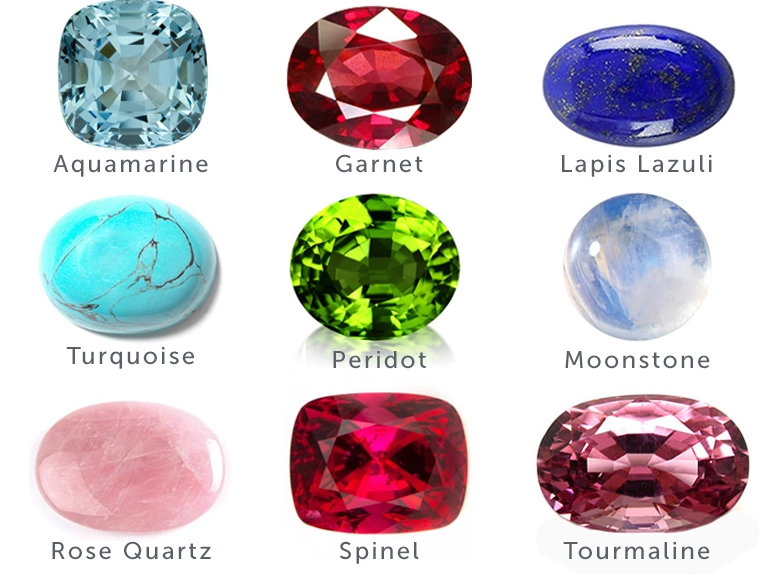
Emerald: Here's a secret: if an emerald has no visible inclusions (jardin) to the naked eye, be very suspicious. It might be a synthetic or a different green stone altogether. Almost every natural emerald is fractured and is routinely clarity-enhanced with oils or resins. The key is that this treatment should be stable and disclosed.
Alexandrite & Cat's Eye: These are the connoisseur's choices. Natural alexandrite with a strong color change from daylight to incandescent light is staggeringly rare and expensive. Most jewelry-store alexandrite is synthetic or, worse, color-change sapphire or garnet. Cat's eye refers specifically to chrysoberyl. The silky band of light must be razor-sharp and centered. A weak, blurry eye kills the value.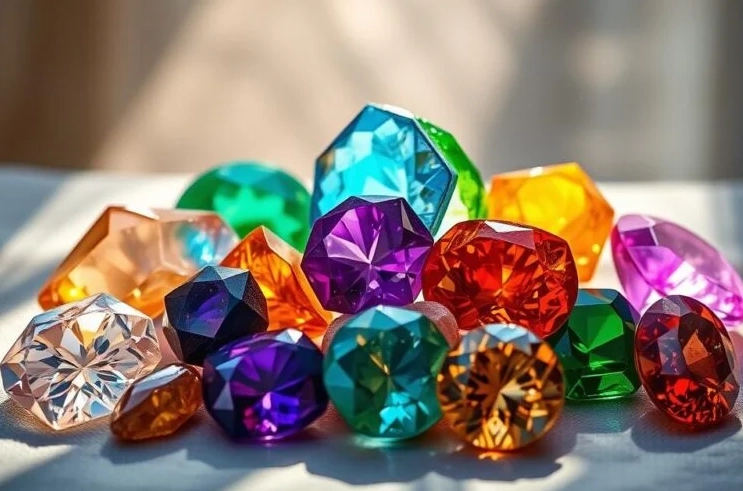
Pearl, Coral, Amber: These are organic. Their value is tactile. A pearl's value is in its mirror-like luster, not just its roundness. Press it gently against your tooth—a real pearl feels slightly gritty. Coral should feel dense and waxy, not light or plasticky. For amber, the warm feel and slight scent when rubbed are tells. The famous "saltwater test" (amber floats in saturated salt water) is a good DIY check against many plastics.
How to Choose and Buy Precious Stones
Let's get practical. You're not just buying a name; you're buying a specific piece of the earth. Here's a framework I've used with clients for years.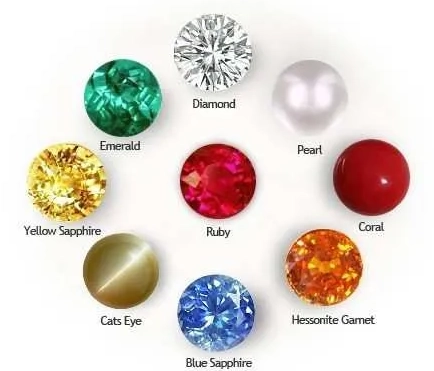
1. Define Your "Why" First. Is this for daily-wear jewelry (prioritize hardness: diamond, sapphire, ruby)? Is it an investment piece (focus on unheated, untreated stones with top-tier lab reports)? Or is it for a collector (consider rarity like alexandrite or cat's eye)? This decision eliminates half the options.
2. Understand the 4Cs, But Apply Them Differently. For colored stones, the hierarchy is different than for diamonds. It's Color, Color, Color, then Clarity, Cut, and Carat. A slightly included but vibrantly colored ruby is worth more than a clean but dull one. For diamonds, cut is king—it determines the sparkle.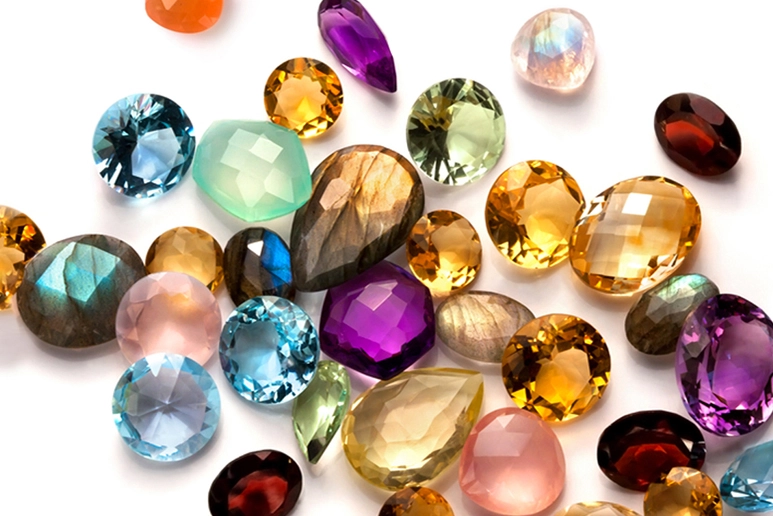
3. The Certificate is Non-Negotiable. For any significant purchase, insist on a report from a major independent lab: GIA (Gemological Institute of America), AGS, or Gubelin. This isn't an "appraisal" from the jeweler. It's a scientific document that tells you exactly what you have—species, origin, and crucially, any treatments. No reputable dealer will balk at this.
4. Budget Realistically. Prices aren't linear. A 2-carat ruby isn't double a 1-carat ruby; it could be 4-10x the price, depending on quality. Set a budget and be prepared to compromise on size or absolute perfection to get the best color within your range.
I once had a client insist on a flawless emerald for an engagement ring. I talked them into a stunning, slightly included Colombian stone with a GIA report noting minor oil treatment. They saved 40%, got a much more vibrant green, and the inclusions are invisible once set. They're thrilled. The "flawless" one they almost bought online was later verified as synthetic.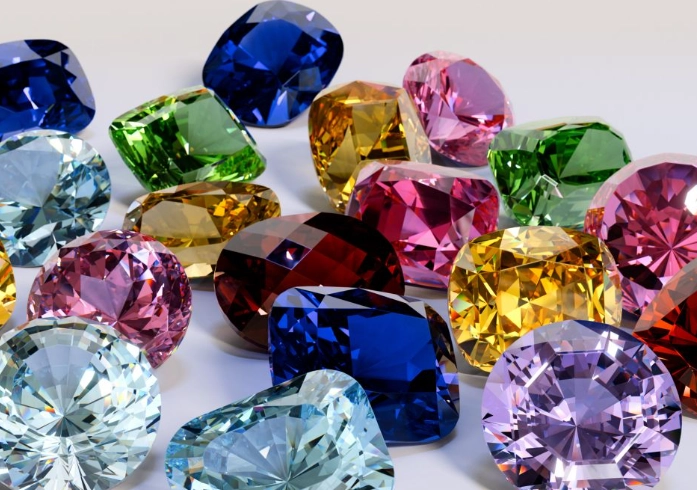
Expert Q&A: Your Top Stone Questions Answered
The world of the nine precious stones is deep and fascinating. It's a blend of geology, history, art, and commerce. Knowing the list is step one. Understanding the why behind each stone—its unique fingerprint of color, light, and story—is what turns a purchase into a passion. Always buy from someone who can explain that story and back it up with proof. Your gem should be a joy, not a mystery.