What You’ll Discover in This Guide
If you’re born in January, you’ve probably heard that garnet is your birthstone. But most articles stop at “it means love and protection”—like that’s enough. I’ve worked with gemstones for over a decade, and let me tell you, garnet’s meaning runs way deeper. It’s not just a red rock; it’s a tool for transformation, if you know how to use it. This guide dives into what garnet truly represents, why history got it right (and wrong), and how you can apply its symbolism without falling for the hype.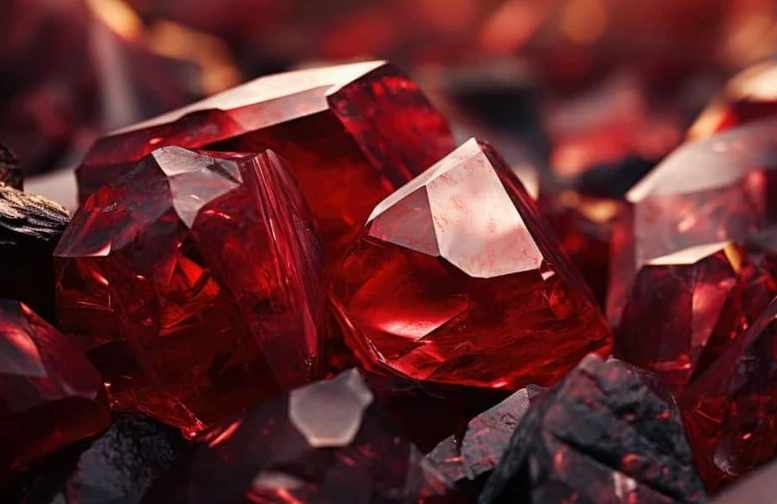
Where Garnet’s Meaning Really Comes From: A Story of Power and Trade
Garnet isn’t new. Ancient Egyptians used it in jewelry for protection in the afterlife—I’ve seen artifacts where garnet beads were placed in tombs, not just for beauty, but as a guard against evil. Romans carved garnet into signet rings to stamp documents, linking it to authority and truth. Fast forward to the Middle Ages, and crusaders carried garnet amulets into battle, believing it could heal wounds and stop bleeding. Modern gemology backs some of this up: garnet’s hardness (6.5-7.5 on the Mohs scale) made it practical for seals and armor, which subtly reinforced its symbolic ties to durability and safety.
But here’s a twist many miss: garnet’s meaning shifted with trade routes. In the 19th century, Bohemian garnets from Europe became trendy in Victorian jewelry, often symbolizing romantic devotion. I once appraised an antique garnet necklace where the stones were set in clusters to represent lasting friendship—not just passion. That nuance gets lost today. If you only think of garnet as a “love stone,” you’re ignoring centuries of layered history where it meant everything from political power to spiritual grounding.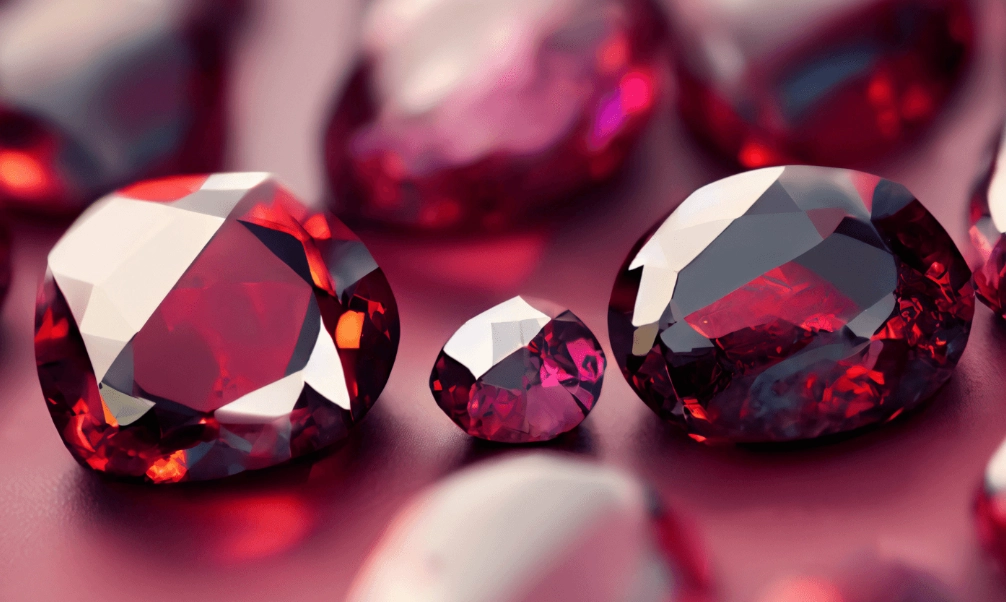
How Color Variations Change the Meaning
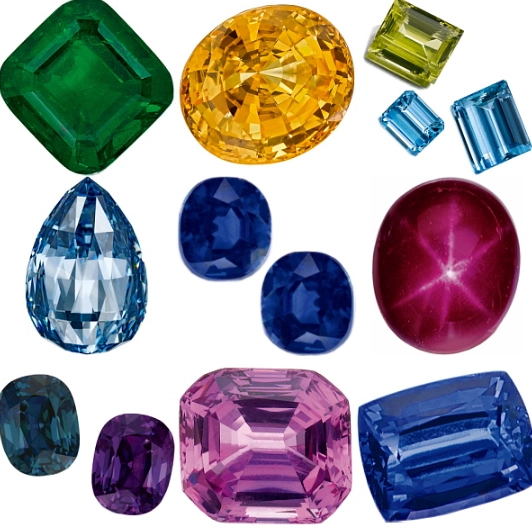
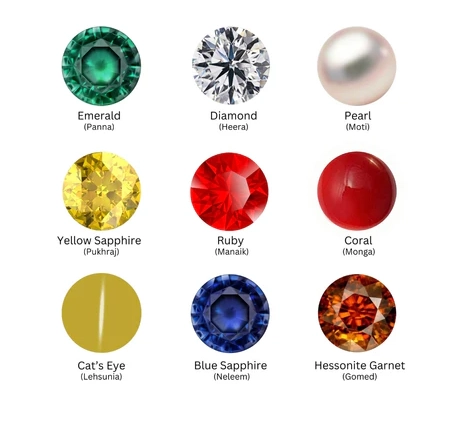
Garnet isn’t always red. Tsavorite garnet is green and tied to growth, while spessartite garnet is orange and linked to creativity. I’ve found that people buy the red ones for relationships, but the green ones for career moves. It’s a detail most beginners overlook, assuming all garnets are the same. For January birthdays, the classic red almandine garnet is most common, symbolizing deep passion and protection, but exploring other types can tailor the meaning to your needs.
What Garnet Symbolizes Today: Beyond the Basics of Love and Protection
Yes, garnet means love. But not the fluffy, romantic kind you see in movies. It’s about committed love—the gritty, day-to-day kind that requires work. I’ve counseled couples who use garnet rings as reminders to communicate during tough times, and it works because the stone’s energy is stabilizing, not flashy. Protection-wise, garnet is more about emotional shielding than physical safety. Think of it as a buffer against negativity, like a coworker’s constant complaints or your own self-doubt.
Another symbol? Regeneration. Garnet’s association with January ties to the new year, symbolizing fresh starts. I keep a garnet on my desk during planning sessions—it doesn’t magically organize my tasks, but it helps me focus on long-term goals instead of short-term distractions. That’s a practical meaning most gloss over: garnet as a tool for persistence, not just passive good luck.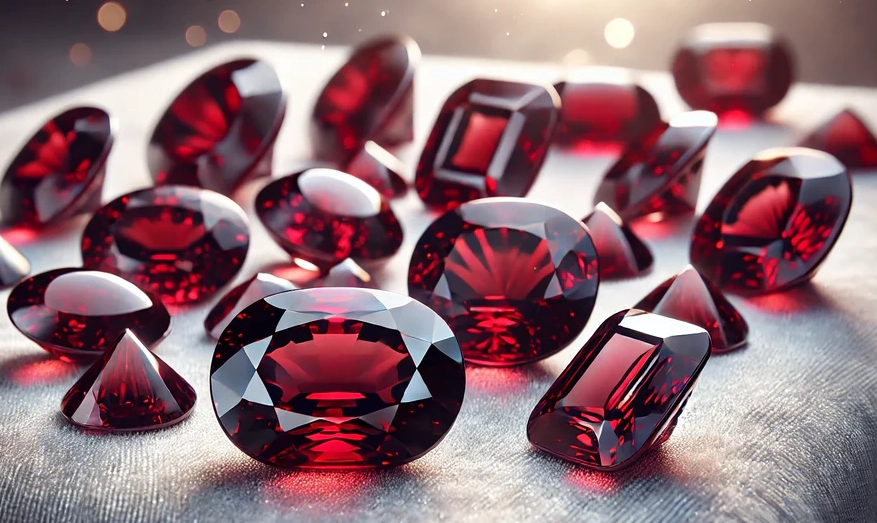
The Spiritual Side: Garnet in Healing Practices
In crystal healing, garnet is said to balance energy and boost vitality. From my experience, it’s effective when used with intention. Place a garnet over your heart during meditation if you’re feeling emotionally drained, but don’t expect a sudden surge of energy. It’s subtle, like a slow recharge. I’ve seen people get frustrated because they want instant results, but garnet works gradually, aligning with its historical role as a stone of endurance.
How to Actually Use Garnet in Your Life: From Jewelry to Daily Rituals
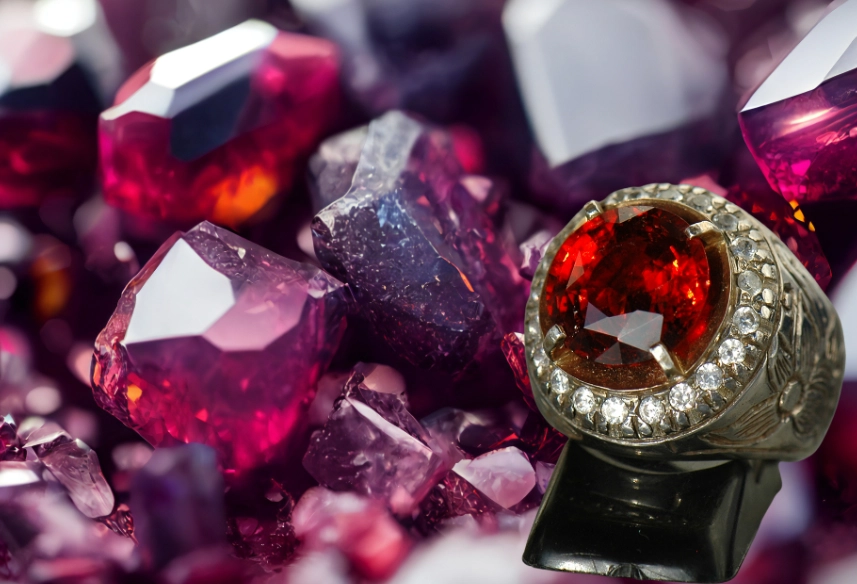
Let’s get practical. You can buy garnet jewelry, but the meaning deepens if you choose with purpose. For a January birthday gift, skip the generic pendant. Look for a garnet ring set in sterling silver or gold—silver enhances its calming properties, gold amplifies passion. I recommend shops that provide origin details; garnets from India often have a richer red than those from other regions, which can affect the symbolic weight. Price-wise, decent quality garnet jewelry starts around $50 for a simple piece, going up to $500 for designer items. Check for clarity: fewer inclusions mean a clearer energy flow, in metaphysical terms.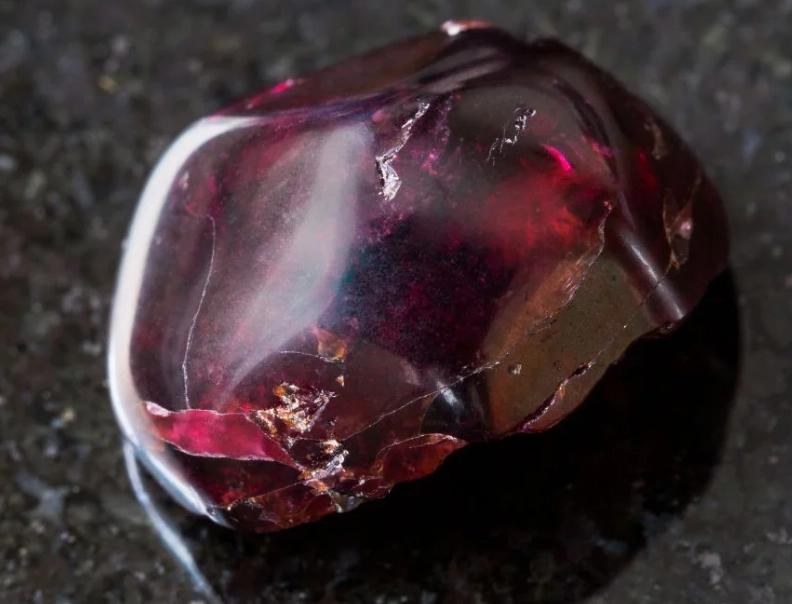
Beyond jewelry, try these:
- Workplace boost: Keep a small garnet tumbled stone on your desk. I’ve done this for years—it’s a visual cue to stay focused during creative blocks.
- Sleep aid: Place garnet under your pillow if you’re dealing with anxiety. It won’t cure insomnia, but it can promote a sense of security. One client told me it helped her sleep after a breakup, likely due to the placebo effect, but who cares if it works?
- Meditation anchor: Hold a garnet during mindfulness sessions. Its weight and coolness ground you, making it easier to stay present.
Cleaning garnet matters too. Use warm soapy water and a soft cloth—avoid harsh chemicals that can dull its luster. I’ve seen people ruin stones with ultrasonic cleaners, thinking it’s fine for all gems. Garnet can be brittle, so handle with care.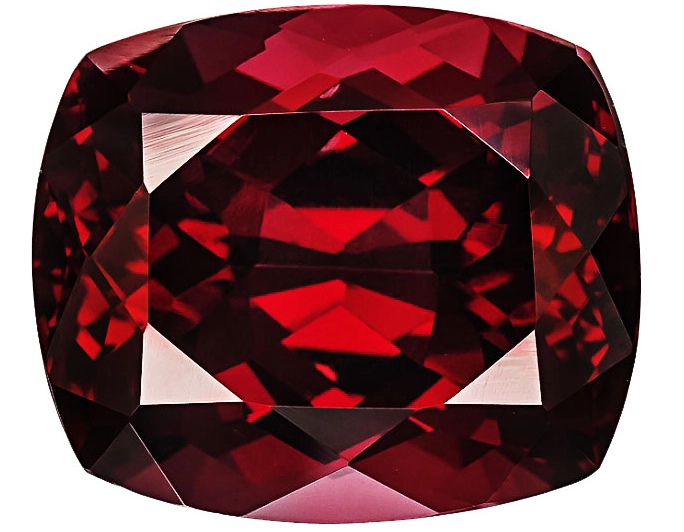
Common Myths About Garnet (And Why They’re Wrong)
Myth 1: Garnet is only for January birthdays. Nope—anyone can use it. I wear garnet year-round for its grounding effects, and it’s popular among artists and leaders regardless of birth month.
Myth 2: All garnets are red. As mentioned, colors vary, and each carries different meanings. Assuming they’re identical limits your understanding.
Myth 3: Garnet brings instant love or luck. This is the biggest misconception. Garnet is a support stone, not a magic wand. I’ve met people who bought garnet expecting life changes overnight, only to feel disappointed. Its meaning unfolds through consistent use, like a habit, not a one-time fix.
My take? Garnet’s value lies in its subtlety. It won’t shout; it whispers. That’s why it’s lasted through history—it adapts, rather than dominates.