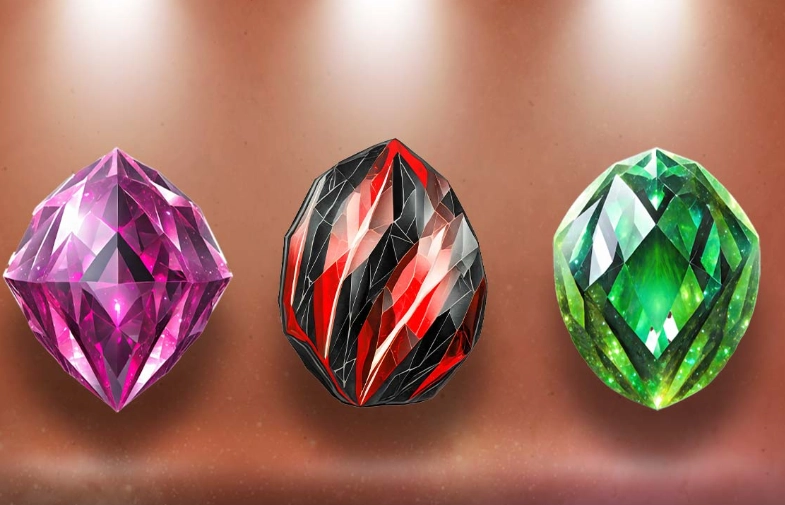
When you hear "January birthstone," your mind probably jumps to a deep red gem. That's the classic image of garnet, but let me tell you—it's only half the story. I've been collecting gemstones for over a decade, and the first time I saw a green garnet, I thought it was a fake. Turns out, garnet comes in a rainbow of colors, and understanding that range can save you from overpaying or buying the wrong stone.
What You'll Discover in This Guide
Introduction: Why Garnet Isn't Just Red
Garnet has been January's birthstone for centuries, symbolizing protection and passion. But here's a mistake I see all the time: people assume all garnets are red. In reality, garnet is a group of minerals with similar structures but different chemical compositions. That means colors vary wildly—from fiery reds to vibrant oranges, even rare greens that rival emeralds. If you're shopping for a January birthstone piece, knowing this can help you pick something unique instead of settling for the usual.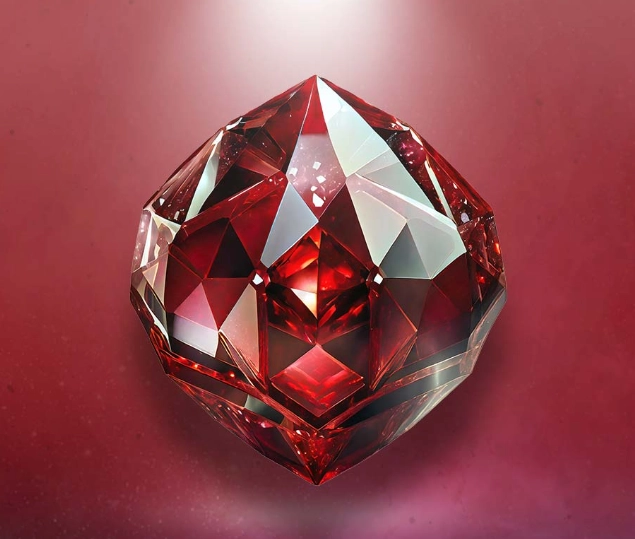
I remember a client who wanted a garnet necklace for her January-born daughter. She almost bought a cheap red stone online, but after I showed her a tsavorite garnet—a stunning green variety—she changed her mind. The daughter loved it because it wasn't typical. That's the power of understanding color.
The Garnet Color Spectrum: From Red to Green and Beyond
Let's break down the colors. Garnet isn't one gem; it's a family with over twenty species, but only a handful are common in jewelry. The color depends on which metals are in the crystal lattice.
Red Garnets: Almandine and Pyrope
These are the classics. Almandine tends to be a deep, reddish-brown, while pyrope is more pure red. But even here, there's nuance. Pyrope from places like Arizona can have a slight purple tint. Don't just go for the darkest red—sometimes a lighter, more vibrant hue looks better in jewelry, especially in smaller settings.
Orange and Yellow Garnets: Spessartine and Hessonite
Spessartine, often called "mandarin garnet," is a personal favorite. It's a bright orange that glows like a sunset. Hessonite, a variety of grossular garnet, ranges from honey-yellow to cinnamon-brown. These are great for autumn-themed jewelry, but they're softer than red garnets, so avoid them for everyday rings unless set carefully.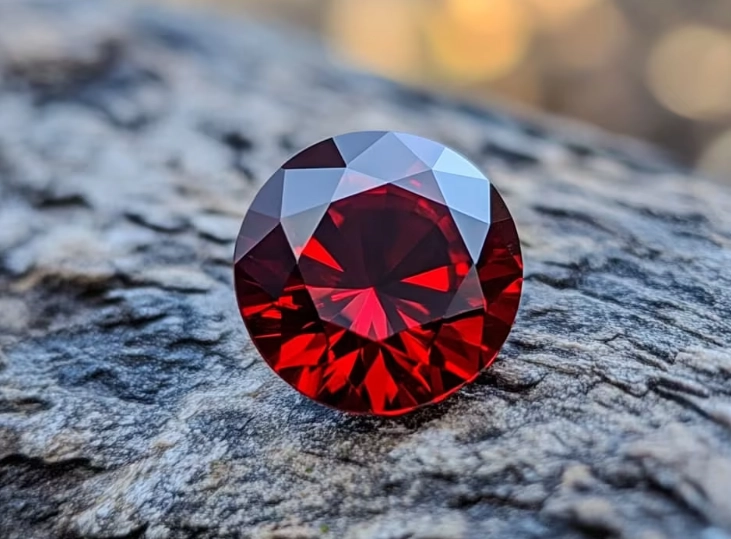
Green Garnets: Tsavorite and Demantoid
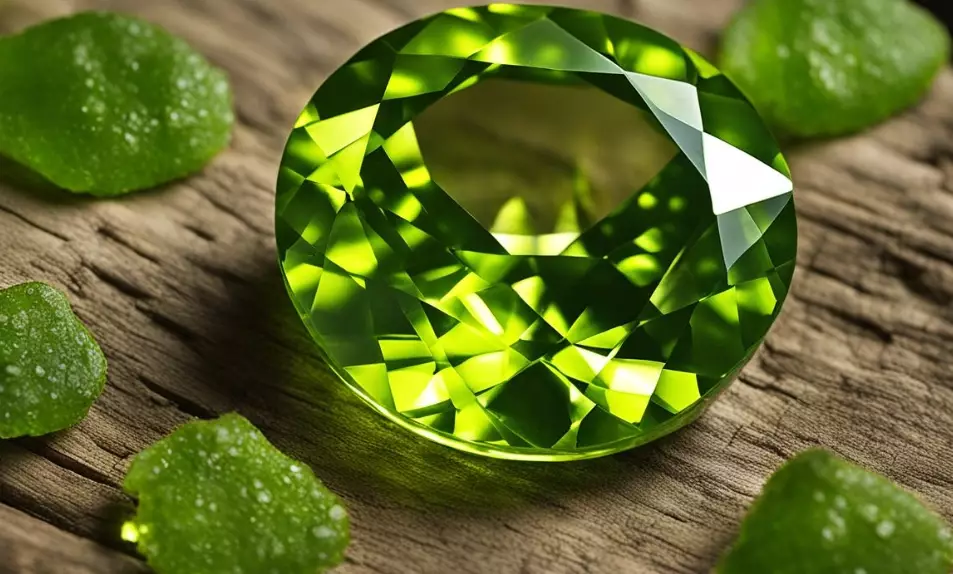
This is where things get exciting. Tsavorite is a vivid green, discovered in the 1960s in Tanzania and Kenya. It's rarer than many red garnets and often more expensive. Demantoid, another green garnet, has a high dispersion—it sparkles like diamond. I once saw a demantoid ring that outshone a diamond solitaire in sunlight. But beware: green garnets are often treated or imitated, so certification is key.
Rare Colors: Color-Change and Star Garnets
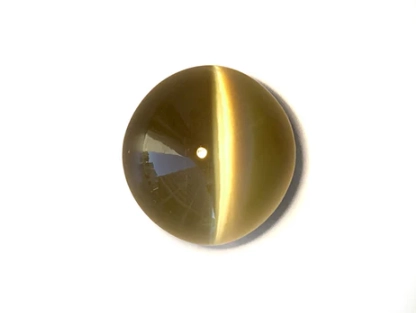
Color-change garnets shift from blue in daylight to purple under incandescent light. They're incredibly rare and pricey. Star garnets show a asterism effect—a star pattern when cut properly. These are niche but can be conversation starters if you're into unique pieces.
Pro Tip: When comparing colors, use natural daylight. Artificial lights can mask true hues. I keep a small LED torch in my kit, but nothing beats sunlight for accuracy.
How Color is Formed in Garnet: The Science Behind the Beauty
Color in garnet comes from trace elements. Iron gives reds and yellows, manganese adds oranges, and vanadium or chromium creates greens. The crystal structure also affects how light passes through, causing pleochroism—where the stone looks different from different angles.
For example, a rhodolite garnet (a mix of almandine and pyrope) might appear purplish-red from one side and more pink from another. This isn't a defect; it's a natural feature. But if a seller doesn't mention it, you might think the color is inconsistent. Always ask to rotate the stone under light.
Heat and pressure during formation can also influence color. Some garnets from metamorphic rocks have richer colors due to intense geological processes. That's why garnets from certain mines, like the tsavorite deposits in East Africa, are so valued—their formation conditions produce exceptional green hues.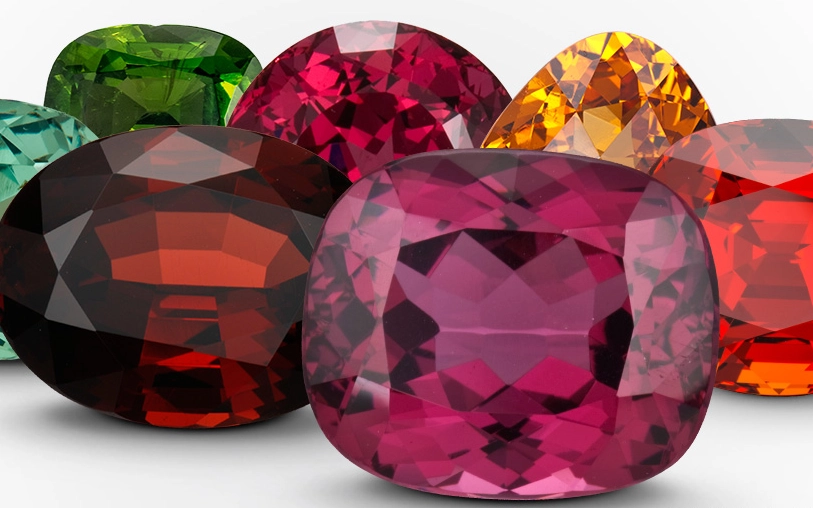
Evaluating Garnet Color: What Makes a High-Quality Stone?
Color quality isn't just about shade. It's about saturation, tone, and uniformity. Saturation refers to how intense the color is—a deeply saturated red is more valuable than a pale one. Tone is the lightness or darkness; medium tones often look best in jewelry.
Here's a quick table to compare common garnet types based on color and other factors. Data is sourced from gemological references like the Gemological Institute of America (GIA) website, but I've added my own observations from handling stones.
| Garnet Type | Typical Color | Hardness (Mohs) | Key Origins | Price Range (per carat) |
|---|---|---|---|---|
| Almandine | Deep red to brownish-red | 7-7.5 | India, Brazil, USA | $50-$200 |
| Pyrope | Vivid red, sometimes purple | 7-7.5 | South Africa, USA | $100-$300 |
| Spessartine | Bright orange to reddish-orange | 7-7.5 | Nigeria, Brazil | $200-$500 |
| Tsavorite | Vivid green | 7-7.5 | Tanzania, Kenya | $500-$2000+ |
| Demantoid | Green with high dispersion | 6.5-7 | Russia, Namibia | $1000-$5000+ |
| Rhodolite | Purplish-red to pink | 7-7.5 | Sri Lanka, India | $150-$400 |
Uniformity matters too. A stone with uneven color zones might be cheaper, but it can look patchy in certain cuts. For cabochons or beads, this might be fine, but for faceted gems, aim for consistency. I've seen sellers market zoned stones as "unique," but they often just reflect poor cutting.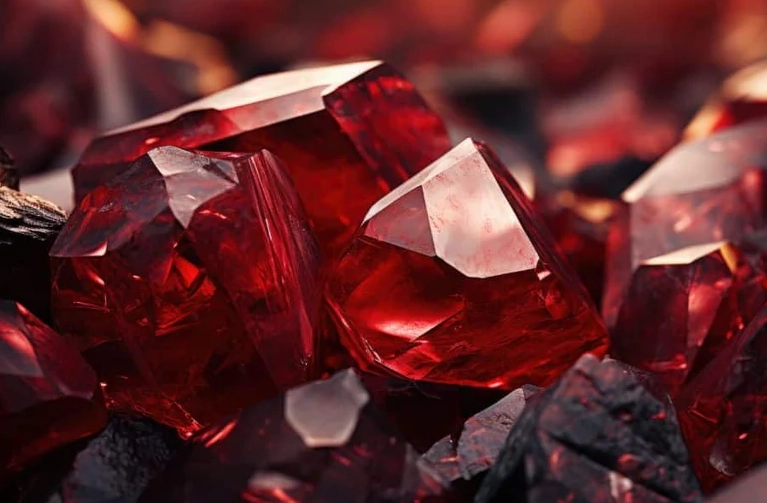
Buying Garnet Jewelry: Tips to Avoid Common Pitfalls
Buying garnet isn't just about picking a color you like. You need to consider setting, lighting, and authenticity. Here's a scenario: you're in a store, looking at a garnet ring. The light is warm and cozy, making the stone look rich red. But take it near a window—does it turn brownish? That's a sign of lower quality almandine.
Always ask about treatments. Heat treatment is common for some garnets to improve color, but it should be disclosed. For instance, many rhodolite garnets are heated to enhance their purple hue. If a dealer hesitates to answer, walk away. I learned this the hard way when I bought a "natural" orange garnet that faded over time—it was likely treated and not stable.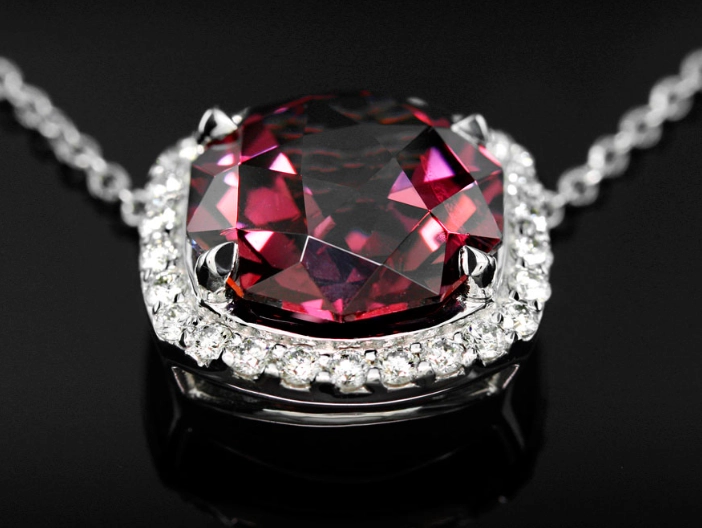
Check the setting. Garnet has good hardness (7-7.5 on the Mohs scale), but it can still chip if set in a prong that's too thin. For rings, bezel settings offer more protection. For earrings or pendants, prongs are fine. And don't forget about cleaning: avoid ultrasonic cleaners for garnets with inclusions; warm soapy water is safer.
Price is a big clue. If a green garnet is selling for $100 per carat, it's probably synthetic or heavily included. Real tsavorite starts around $500 per carat for decent quality. Use the table above as a rough guide, but prices vary based on market trends. Recently, demand for unique birthstones has pushed up prices for non-red garnets.
Where to buy? I recommend reputable jewelers or online platforms with gemological reports. For example, sites that partner with GIA or AGS (American Gem Society) often provide certification. If you're on a budget, consider lesser-known varieties like hessonite—it's beautiful and more affordable.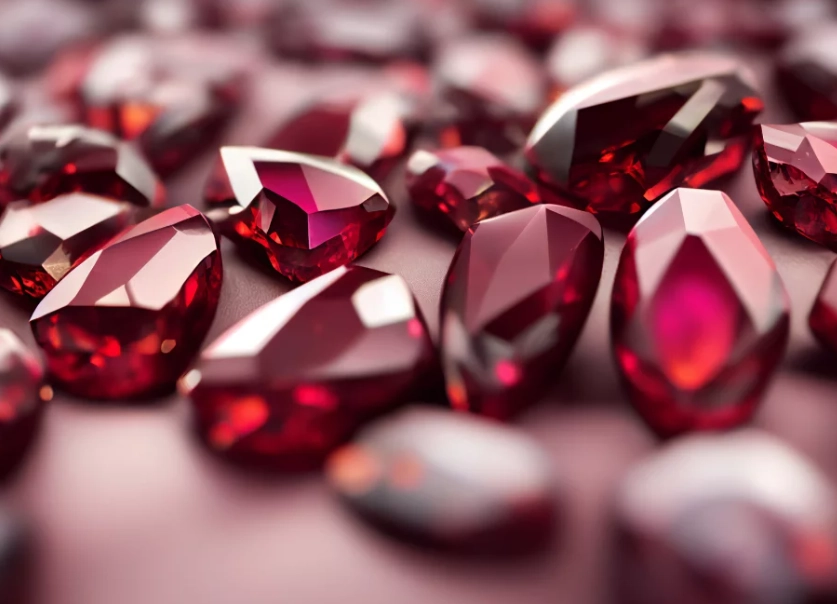
FAQs About Garnet Color
Garnet's color story is richer than most people think. Whether you're buying for January birthdays, collecting, or just curious, understanding these hues can transform your experience. Don't settle for the default red—explore the spectrum, ask questions, and enjoy the journey. After all, a gem should reflect personal style, not just tradition.