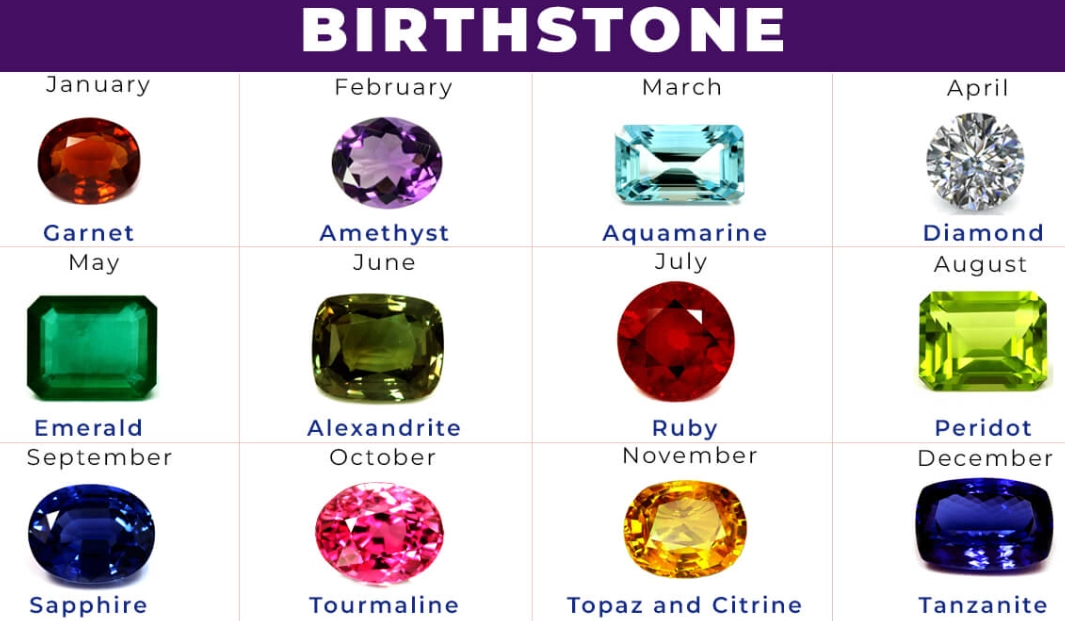
If you're a January baby, you hit the jewelry jackpot. You don't just get one birthstone, you get two: Garnet and Ruby. But this isn't a simple "pick one" situation. It's like having two distinct personalities to represent your month—one earthy and profound, the other fiery and regal. Most articles just list them and move on. I've spent years in gemology, and the real story is in the nuances, the choices, and the mistakes people make when choosing between them. Let's clear that up right from the start.
Garnet is often unfairly pigeonholed as just a cheap, dark red stone. Ruby gets all the glory, but with a price tag and complexities (like treatments) that buyers often miss. Understanding the full spectrum—literally—of what these January birthstones offer is the key to finding a piece you'll truly love, not just one you feel obligated to wear.
Your Quick Guide to January's Gems
Garnet: The Underestimated Chameleon
Let's start with Garnet, the traditional January birthstone. Its name comes from the Latin "granatum," meaning pomegranate seed, which perfectly describes the classic deep red hue of the most common variety, Almandine. But here's the first expert tip: Garnet is a group of minerals, not a single stone. This is where most people's knowledge ends, and it's a shame because they miss out on some of the most spectacular colors in the gem world.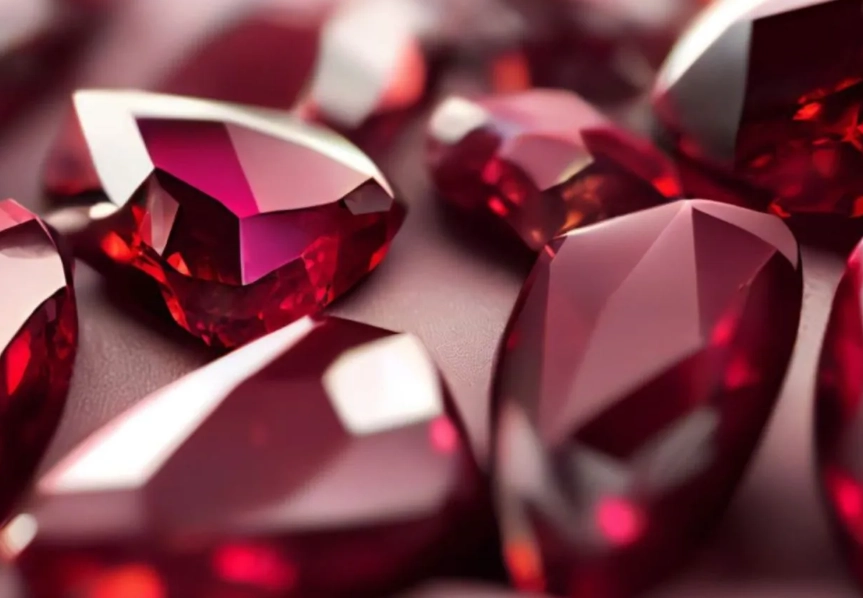
Think beyond the red. I've seen clients' eyes light up when I show them a vibrant green Tsavorite Garnet—they had no idea Garnet came in that color. It's a game-changer.
The Garnet Color Palette
Walking into a Garnet collection should feel like walking into an artist's studio.
- Almandine & Pyrope: The classic reds. Ranging from burgundy to a pure, vibrant red. Often the most affordable and widely available. Perfect for a timeless, meaningful piece.
- Rhodolite: A gorgeous purple-red or raspberry hue. It's like a cross between a classic Garnet and a lighter ruby. It has a brilliance that darker reds sometimes lack.
- Spessartite: Often called "Mandarin Garnet" for its vivid orange hue. Top-quality material is rare and can rival a fine sapphire in price per carat. It's for the person who wants something truly unique.
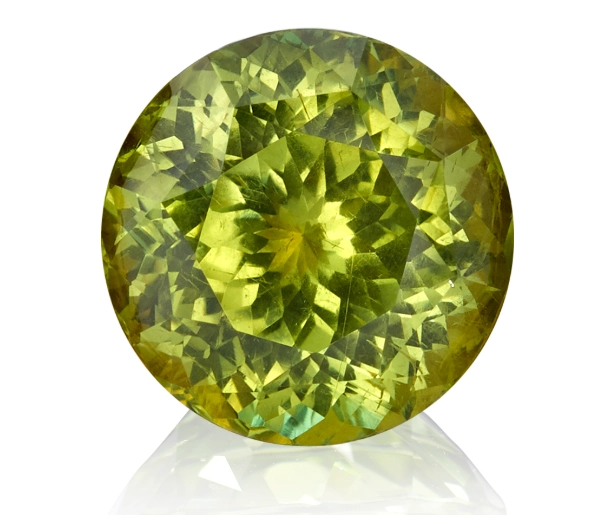
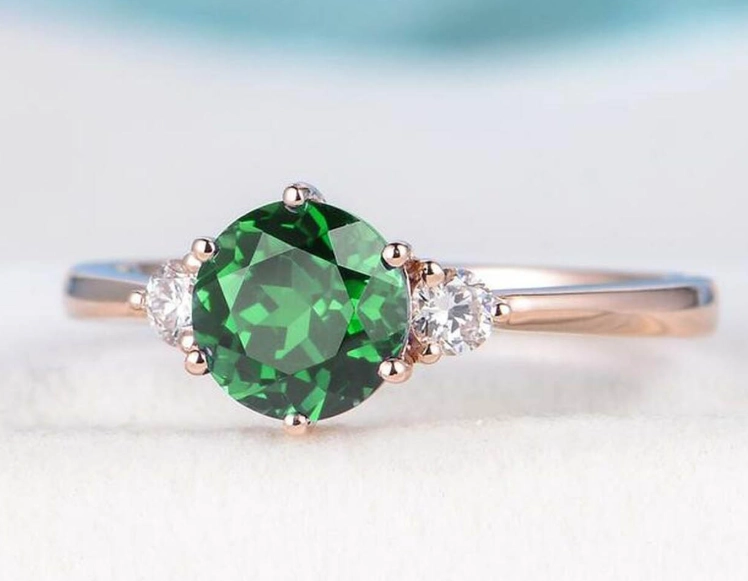
- Tsavorite: A stunning green, rivaling emerald but with more brilliance and fewer inclusions. Mined primarily in East Africa, it's one of the most sought-after and valuable Garnets.
- Demantoid: Another green Garnet, known for its exceptional dispersion ("fire") and rare horsetail inclusions. A collector's dream.
- Color-Change Garnet: The magician. Shifts from blue-green in daylight to purplish-red under incandescent light. Incredibly rare and a true conversation starter.
The hardness of Garnet varies by type but generally sits around 6.5-7.5 on the Mohs scale. This means it's fine for earrings, pendants, and brooches, but for a ring you plan to wear every single day, you need to be a bit more careful. A protective setting helps.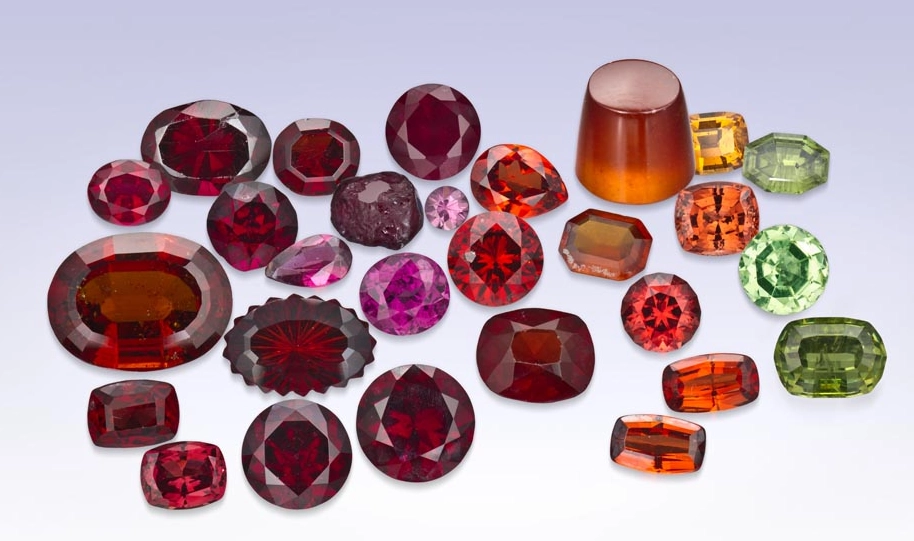
Ruby: The Eternal Flame
Ruby, the other January birthstone, needs little introduction. It's corundum, the same mineral as sapphire, but defined by its red color, primarily from chromium. The name comes from "ruber," Latin for red. It's been associated with passion, protection, and power for millennia.
But the ruby market is a minefield for the uninformed. The biggest thing I tell my clients? Almost every ruby you see has been treated. Heat treatment is standard, accepted, and permanent—it enhances the color and clarity Mother Nature provided. An untreated, vivid red ruby with good clarity is a museum piece and priced like one.
What You're Really Paying For
The value of a ruby hinges on color, clarity, and origin.
The most prized color is a pure, vibrant red with a slight bluish undertone, often called "pigeon's blood." This term is mostly associated with top-quality rubies from Myanmar (Burma). Lighter pinks or orangey reds are lovely but generally less valuable.
Rubies are almost always included (have internal characteristics). You want a stone where the inclusions don't significantly obstruct the light or make it look cloudy. A few silky inclusions can even enhance the value by proving natural origin and creating a soft glow (asterism, or a star effect, in cabochon cuts).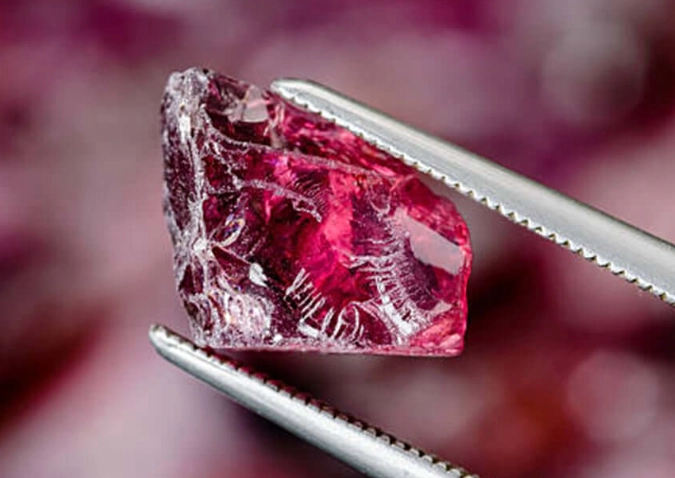
Origin matters to collectors. Burmese rubies command a premium, followed by those from Mozambique, which have flooded the market with beautiful, high-quality stones in recent years. Thai and Cambodian rubies often have a browner tint. A lab report from a place like the Gemological Institute of America (GIA) is your best friend here—it will note treatments and often suggest an origin.
With a hardness of 9, ruby is an excellent choice for daily-wear jewelry like engagement rings. It's durable and holds up to a busy life.
Garnet vs. Ruby: The Practical Comparison
Let's put them side-by-side. This isn't about which is better, but about which is better for you.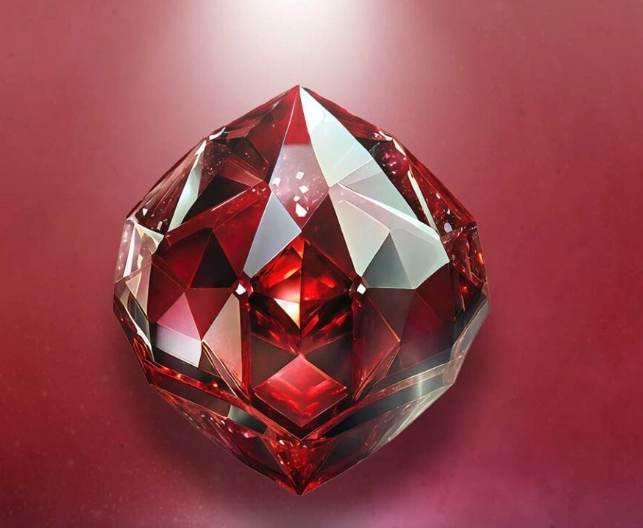
| Factor | Garnet | Ruby |
|---|---|---|
| Core Identity | The diverse, accessible, and often misunderstood underdog. A family of many colors. | The classic, prestigious, and passionate king of colored gems. A singular focus on red. |
| Color Range | Red, green, orange, purple, pink, color-change. Unmatched variety. | Strictly red, from pinkish to purplish to orangey, with "pigeon's blood" as the ideal. |
| Durability (Mohs) | 6.5 - 7.5. Good for occasional wear rings, great for pendants/earrings. | 9. Excellent for daily-wear rings and any jewelry. |
| Price Point (per carat) | Wide range. Common reds: $50-$500. Rare greens/oranges: $1,000-$5,000+. | Significantly higher. Commercial quality: $500-$3,000. Fine quality: $5,000-$50,000+. Untreated top color: $100,000+. |
| Common Treatments | Rarely treated. What you see is generally what you get. | Heat treatment is ubiquitous (90%+). Watch for undisclosed glass filling. |
| Best For... | Unique color lovers, budget-conscious buyers, statement pieces that aren't "typical red gem." | Heirloom-quality investment, classic red symbolism, durable everyday jewelry. |
See the difference? It's not apples to apples. It's more like comparing a versatile, colorful wardrobe (Garnet) to one perfect, iconic little black dress (Ruby).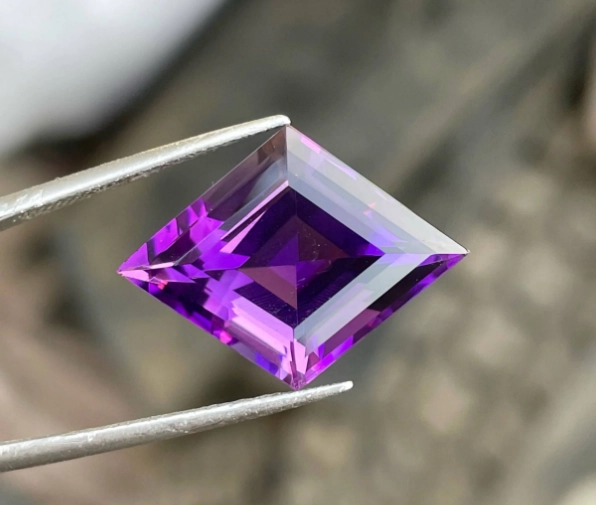
How to Buy Your January Birthstone: A Step-by-Step Guide
Ready to shop? Don't just walk into a store and say "I want a January birthstone." Here's how to navigate it.
Step 1: Budget & Purpose. Be real with yourself. Is this a daily-wear ring or a special-occasion pendant? A $500 budget gets you a stunning Rhodolite Garnet pendant but only a tiny, included ruby. For a daily ring, durability pushes you towards ruby or a Garnet in a very protective setting.
Step 2: Explore the Spectrum. If you're considering Garnet, ask to see different types. Look at a classic red Almandine next to a green Tsavorite. Which makes your heart beat faster? For ruby, look at stones in different lighting. A ruby can look dull in some light and electric in another.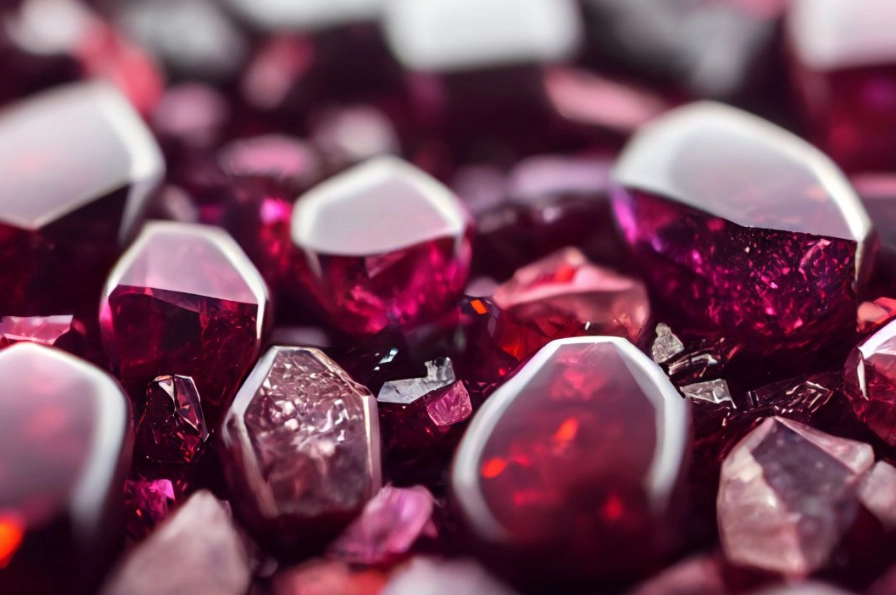
Step 3: Ask the Critical Questions.
- For Garnet: "What type of Garnet is this?" (If they just say "Garnet," probe deeper).
- For Ruby: "Has this ruby been treated? Can I see a lab report?" Reputable sellers expect this and will have the information.
- For both: "What is the cutting style?" A well-cut stone reflects light beautifully. A poorly cut one looks dead.
Step 4: Consider the Setting. For softer Garnets, bezel or halo settings protect the edges. For a precious ruby, a simple prong setting might be best to let in maximum light. Think about metal color too. Yellow gold warms red stones, white metal makes them pop with contrast.
Step 5: Trust but Verify. Buy from a jeweler who specializes in colored stones or has a gemologist on staff. For any significant purchase, especially ruby, an independent lab report (GIA, AGL, Gubelin) is non-negotiable. It's your insurance policy.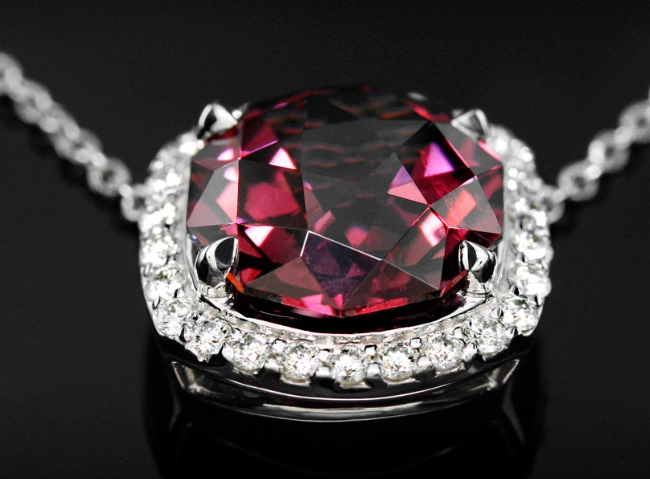
Your January Birthstone Questions, Answered
Is Garnet only red, and what are the other colors I can find?
How can I tell if a Ruby is natural or treated, and does treatment affect its value?
Which January birthstone is more durable for an everyday ring, Garnet or Ruby?
What's a common mistake people make when buying their first piece of January birthstone jewelry?
So, what are the two birthstones for January? They are Garnet and Ruby—two sides of a magnificent coin. One offers an unexpected world of color and accessibility. The other delivers unparalleled prestige and durability in its iconic red hue. Your job isn't to pick the "best" one, but to pick the one that tells your story. Maybe it's the earthy, rich red of a Garnet that feels like home. Maybe it's the fiery, timeless spark of a Ruby that matches your ambition.
Look past the basic lists. Explore the colors. Ask the hard questions. Whether you lean towards the chameleon-like diversity of Garnet or the singular majesty of Ruby, you're choosing a piece of the earth's history to carry with you. And that's a pretty great way to celebrate a birthday.