Let's cut to the chase: if you're asking whether there are two birthstones for January, the short answer is no—not officially. The traditional and widely accepted birthstone for January is garnet. But I get why you're confused. Scrolling online, you might see rose quartz or even ruby thrown into the mix. It's a mess. In this guide, I'll break down the history, the myths, and what you need to know to make sense of it all, drawing from my years as a gem enthusiast who's seen this confusion play out in jewelry stores.
Quick Navigation: What’s Inside
The Traditional January Birthstone: Garnet
Garnet isn't just a red stone—it's a whole family of minerals with colors ranging from deep red to vibrant green. Historically, it's been linked to January for centuries, symbolizing protection, friendship, and vitality. The American Gem Trade Association and Jewelers of America list garnet as the sole birthstone for January, and that's the standard most jewelers follow.
I remember a client who insisted on getting a "true January birthstone" for her daughter's birthday. She was shocked when I showed her a green garnet (tsavorite) instead of the classic red. That's the thing: garnet varieties are diverse, and many people miss out because they assume it's only red.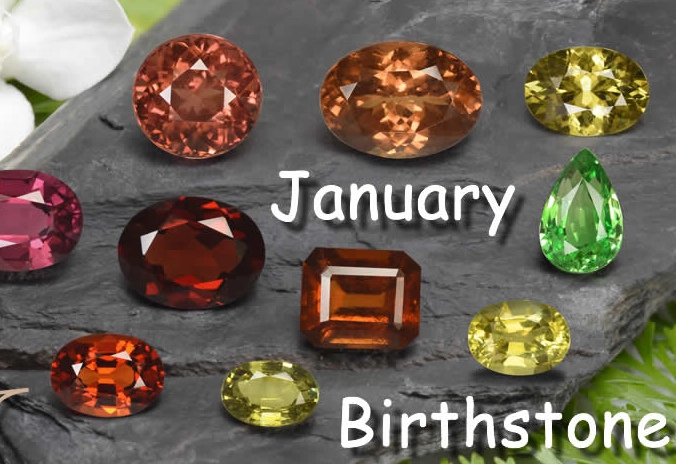
Types of Garnet and Their Colors
Here’s a quick table to illustrate the common types—this isn't just academic; it helps you pick something unique.
| Garnet Type | Color | Typical Price Range (per carat) | Key Feature |
|---|---|---|---|
| Almandine | Deep red to purple-red | $50 - $200 | Most common, great for everyday wear |
| Pyrope | Blood-red to dark red | $30 - $150 | Often used in vintage jewelry |
| Rhodolite | Pinkish-purple to rose | $100 - $300 | Popular for its feminine hue |
| Spessartine | Orange to reddish-brown | $200 - $500 | Rarer, with a fiery sparkle |
| Tsavorite | Vivid green | $500 - $2000 | High durability, resembles emerald |
Prices vary based on clarity and cut, but this gives a ballpark. I've seen tsavorite pieces go for thousands in high-end boutiques, while almandine is more accessible for gifts.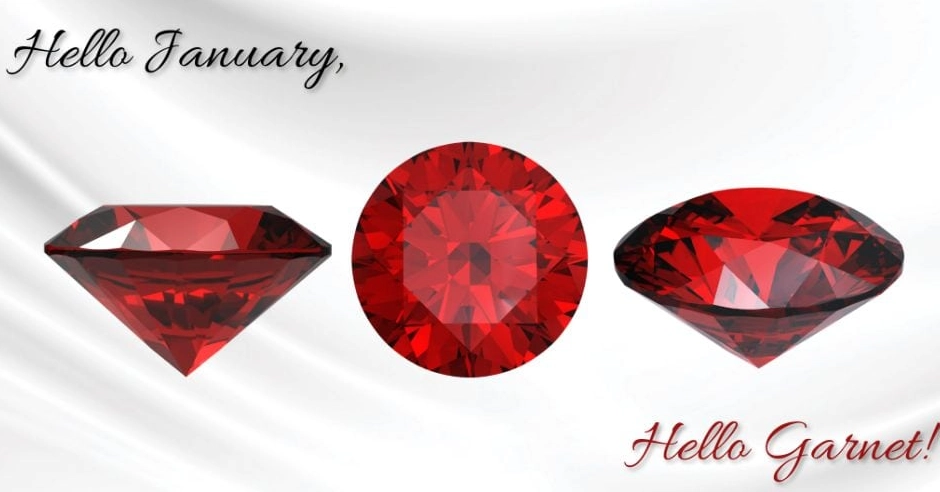
Historical Significance of Garnet
Garnet traces back to ancient Egypt and Rome, where it was used in talismans. The name comes from the Latin "granatum," meaning pomegranate, due to its seed-like color. It's not just a pretty stone—it was believed to ward off nightmares and promote healing. Modern gemologists, like those at the Gemological Institute of America, note its enduring appeal in their resources on birthstone history.
One subtle mistake I've noticed: people think garnet is always inexpensive. But high-quality tsavorite can rival emeralds in price. Don't let that deter you; it's about finding the right balance for your budget.
The Myth of a Second January Birthstone
So, where did this idea of two birthstones come from? It's largely a modern invention. Some alternative lists, often promoted by marketing campaigns or New Age circles, include rose quartz as a secondary stone for January. Rose quartz is a pink variety of quartz, symbolizing love and calm—but it has no historical tie to January.
I've browsed countless websites that list two stones to attract more clicks, and it creates unnecessary confusion. For example, a popular jewelry blog might mention garnet and rose quartz side-by-side without clarifying that garnet is the traditional choice. This isn't backed by any major gemological authority.
Where Did the Idea of Two Stones Come From?
The trend started in the late 20th century with the rise of personalized birthstone charts. Some cultures or spiritual groups expanded lists to include alternative stones for each month. January got rose quartz because its pink color contrasts with garnet's red, appealing to those who prefer softer hues. But let's be real: it's a marketing ploy. Jewelers sometimes push rose quartz as a "modern January birthstone" to sell more inventory, especially around Valentine's Day.
Another factor is the overlap with zodiac stones. Capricorn and Aquarius, which span January, have their own associated gems like ruby or garnet, adding to the muddle. But zodiac stones are a separate system—mixing them with birthstones is like comparing apples and oranges.
Modern Lists and Alternative Birthstones
If you look at sources like the British Gemological Association or some holistic healing sites, you might see variations. But these are not standard. The official stance from organizations like the American Gem Trade Association is clear: garnet stands alone for January.
Here's a personal take: I once advised a friend who wanted a January birthstone necklace. She loved rose quartz but felt pressured to choose garnet because of tradition. We ended up picking a garnet with a rose quartz accent—blending both without buying into the myth. It's about personal meaning, not rigid rules.
How to Choose the Right January Birthstone for You
Choosing a birthstone shouldn't be stressful. Focus on what resonates with you or the recipient. Garnet is versatile, but if you're drawn to something else, that's fine—just know the facts.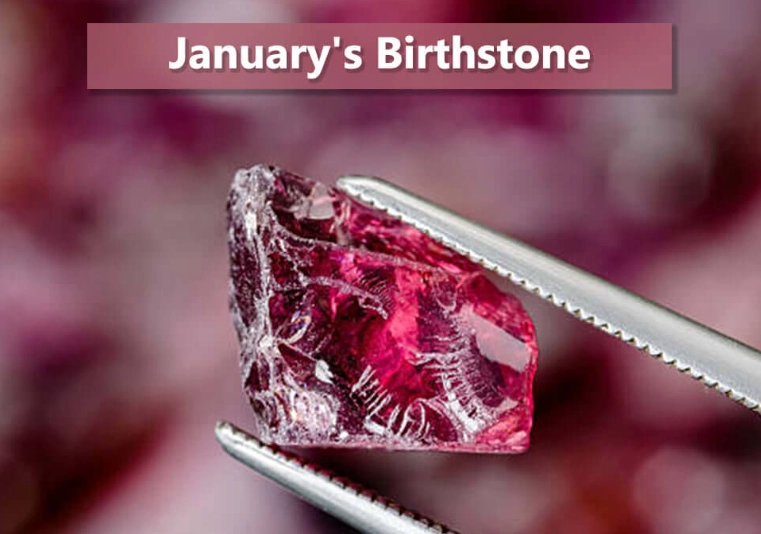
Factors to Consider: Color, Durability, and Meaning
Color preference is huge. Garnet comes in reds, greens, and oranges, so you're not stuck with one shade. Durability matters too: garnet has a Mohs hardness of 6.5-7.5, making it suitable for rings and daily wear. Rose quartz is softer at 7, so it might scratch more easily.
Symbolic meaning is another angle. Garnet represents protection and energy, while rose quartz is about love and peace. Think about what message you want to convey. For a January birthday gift, I often recommend garnet because it's timeless and has that historical weight.
Personal Stories: Why I Prefer Garnet Over Alternatives
I've worn a garnet ring for years, and it's held up better than my rose quartz pendant, which chipped after a few knocks. That's not to say rose quartz is bad—it's beautiful for pendants or earrings. But for durability, garnet wins. Also, garnet's color depth feels more substantial to me; it doesn't fade or look washed out in different lights.
When shopping, check certifications. Reputable dealers provide reports from labs like the Gemological Institute of America. Avoid places that sell "January birthstone sets" with multiple stones without explanation—it's a red flag I've seen in tourist shops.
Common Misconceptions and Expert Insights
Let's debunk some myths. First, the notion that all January birthstones are red. As the table showed, garnet can be green or orange. Second, that having two stones is an official update—it's not. Birthstone lists evolve slowly, and no major revision has added a second stone for January in recent decades.
The Role of Marketing in Birthstone Lists
Marketing drives a lot of this confusion. Jewelers create "alternative birthstone" charts to cater to niche markets. For January, rose quartz gets promoted because it's affordable and trendy in wellness circles. But from a gemological standpoint, it's not recognized. I've attended trade shows where vendors push these lists, and it always sparks debate among experts.
A Gemologist’s Take on the Controversy
I spoke with a gemologist friend who works with the American Gem Trade Association. She emphasized that while personal preference is key, garnet remains the standard for January. The idea of two stones often stems from misinterpretations of cultural traditions—like how some Eastern lists include different gems. But for Western jewelry standards, stick with garnet unless you're explicitly going for an alternative theme.
She also pointed out that birthstone guides from authoritative sources, like the Gemological Institute of America's website, don't list multiple stones for January. It's worth checking those for reliable info.
FAQ: Your Questions Answered
Wrapping up, the question of two birthstones for January boils down to tradition versus modern noise. Garnet is the real deal, with a legacy that's hard to beat. Whether you're buying a gift or treating yourself, focus on quality and personal connection. And if you ever feel overwhelmed, remember: a garnet in hand is worth two myths in the bush. For more insights, explore resources from the Gemological Institute of America—they're a trusted voice in the gem world.