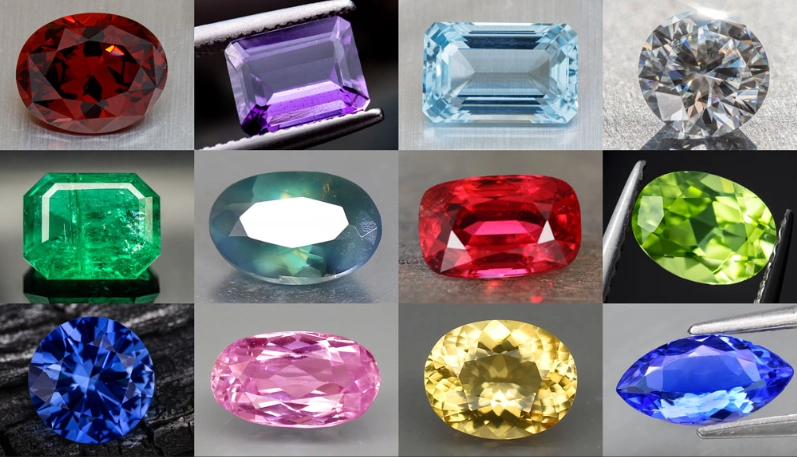
Let's cut to the chase: the real birthstone for January is garnet. But if you've spent any time browsing jewelry stores or online forums, you might have heard whispers about alternatives or confusion. I've been in the gemstone industry for over a decade, and I've seen countless people buy the wrong stone because of outdated info or marketing hype. This guide will clear that up, diving deep into what makes garnet the genuine January birthstone, how to spot fakes, and why some lists might mislead you.
What You'll Discover in This Guide
Traditional vs. Modern January Birthstones
Garnet has been linked to January for centuries, but the official list we often refer to comes from the American National Association of Jewelers in 1912. They standardized birthstones to boost sales, and garnet made the cut. Some modern interpretations, like the British National Association of Goldsmiths, still list garnet as the sole January stone. However, I've seen trendy blogs push rose quartz as an alternative—it's not widely accepted, but it's out there.
Why the confusion? Historical texts from ancient times sometimes mentioned other gems for January, but garnet's dominance stems from its availability and symbolism. The Gemological Institute of America (GIA), a top authority in gemology, confirms garnet as the primary January birthstone. If you're looking for authenticity, stick with garnet.
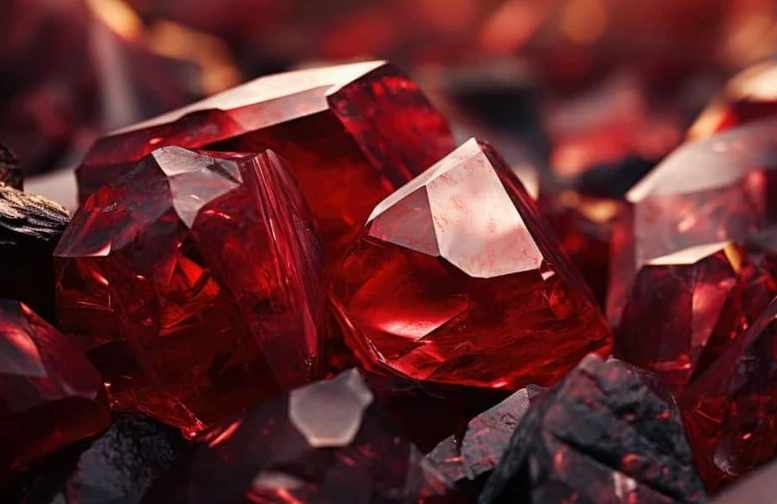
Fun fact: Garnet comes from the Latin word "granatum," meaning pomegranate, due to its resemblance to the fruit's seeds. That's not just trivia—it helps identify real garnets by their deep, rich red hues.
Garnet Deep Dive: Types, Colors, and Properties
Garnet isn't just one stone; it's a group of minerals with over twenty varieties. Most people think of dark red, but that's only part of the story. Here's a breakdown of common types you might encounter:
| Garnet Type | Typical Color | Hardness (Mohs) | Average Price per Carat |
|---|---|---|---|
| Almandine | Deep red to purple-red | 7-7.5 | $20-$100 |
| Pyrope | Blood red | 7-7.5 | $15-$80 |
| Spessartine | Orange to reddish-brown | 6.5-7 | $50-$200 |
| Grossular | Green, yellow, or colorless | 6.5-7 | $30-$150 |
| Andradite | Green, yellow, or black | 6.5-7 | $40-$300 |
Hardness matters because it affects durability. Garnet rates 6.5 to 7.5 on the Mohs scale, meaning it's decent for everyday wear but can scratch if you're rough. I once had a client who wore a garnet ring while gardening—the stone got chipped because it hit a harder rock. Lesson learned: treat it with care.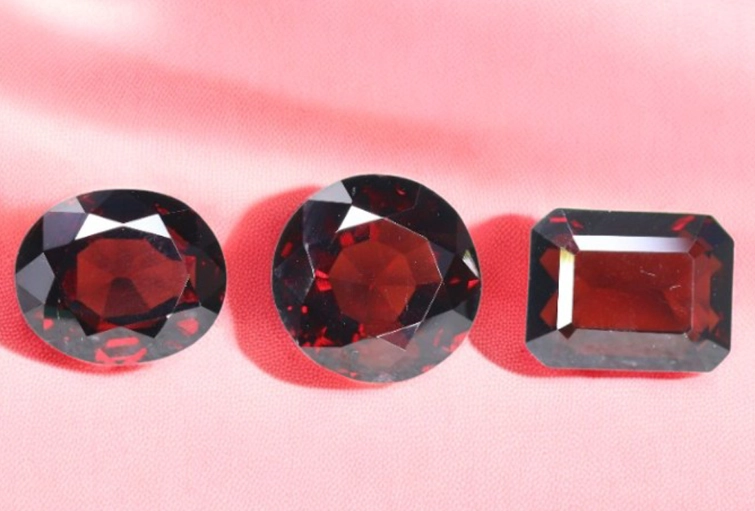
Colors vary widely. Red garnets like almandine are classic for January, but green garnets (tsavorite) are gaining popularity. Don't let a jeweler upsell you on a "rare" green garnet without checking its origin—some are treated to enhance color. Natural garnets often have inclusions, tiny imperfections that prove authenticity. If a stone looks too perfect under a loupe, be suspicious.
How to Identify Real Garnet: A Quick Guide
Use these tips:
- Check the weight: Garnet is denser than glass, so it feels heavier for its size.
- Test with light: Hold it under a lamp—real garnet shows a vitreous (glassy) luster, not a dull shine.
- Look for color zones: Many garnets have uneven color distribution, unlike synthetic imitations.
For a reliable source, refer to the GIA website for gem identification resources. They offer free guides that I've used in my own practice.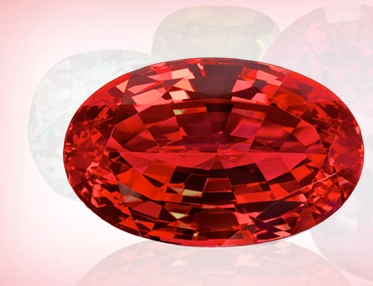
Buying January Birthstone Jewelry: A Practical Guide
When shopping for garnet jewelry, focus on three things: budget, setting, and certification. Let's say you have $200 to spend. You could get a small, high-quality garnet pendant or a larger, lower-quality ring. I recommend prioritizing quality over size—a 1-carat almandine with good clarity looks better than a 2-carat stone full of cracks.
Settings matter more than you think. For rings, bezel settings protect the stone from knocks. I've seen too many prong-set garnets fall out after a few months. Earrings and pendants are safer choices for daily wear. Metal type: sterling silver is affordable and durable, but gold adds value. Avoid plated metals—they tarnish and can irritate sensitive skin.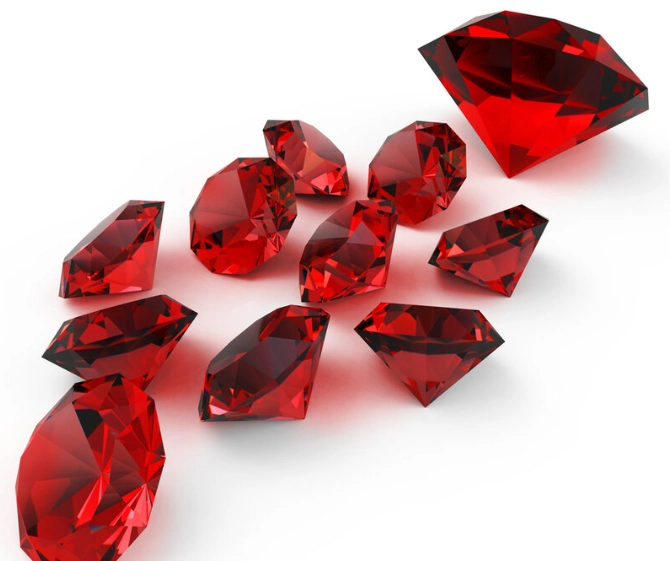
Where to buy? Local jewelers often have better quality control than big chains. Online, look for sellers with certifications from labs like GIA or AGS (American Gem Society). A certification should cost around $50-$100 and includes details on treatments, if any. If a seller hesitates to provide this, walk away.
Personal story: A friend bought a "garnet" necklace online for $50. It turned out to be dyed glass—the color faded after a few washes. She learned the hard way that cheap prices often mean fake stones. Always ask for a return policy.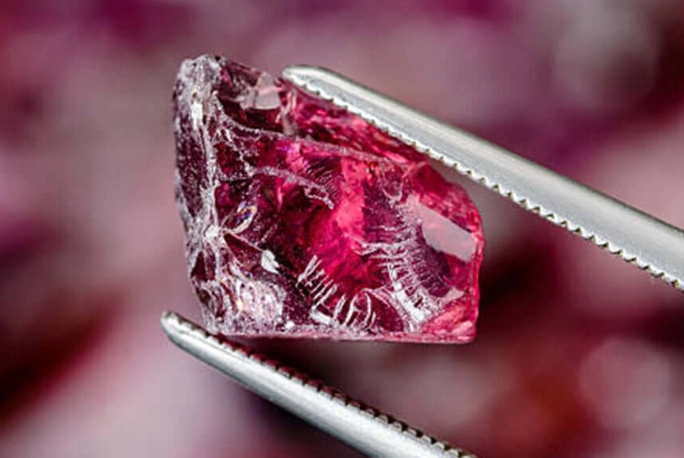
Common Mistakes and Expert Recommendations
Newbies often confuse garnet with ruby or spinel. Ruby is harder (9 on Mohs) and more expensive. A simple test: rub the stone on a piece of quartz—garnet will scratch it, but ruby won't leave a mark. Another mistake: assuming all red stones are garnets. Some sellers pass off garnet simulants like cubic zirconia, which is lighter and has more fire.
My top recommendation: invest in a lab-grown garnet if sustainability is a concern. Lab-grown gems have identical properties to natural ones but cost 30-50% less and reduce environmental impact. They're not "fake"—they're just created in a controlled environment. I've switched to recommending them for clients on a budget.
For maintenance, clean garnet with warm soapy water and a soft brush. Avoid harsh chemicals or ultrasonic cleaners, especially for stones with fractures. Store separately in a soft pouch to prevent scratches. If your garnet loses its shine, it might need repolishing—a jeweler can do this for about $20-$50.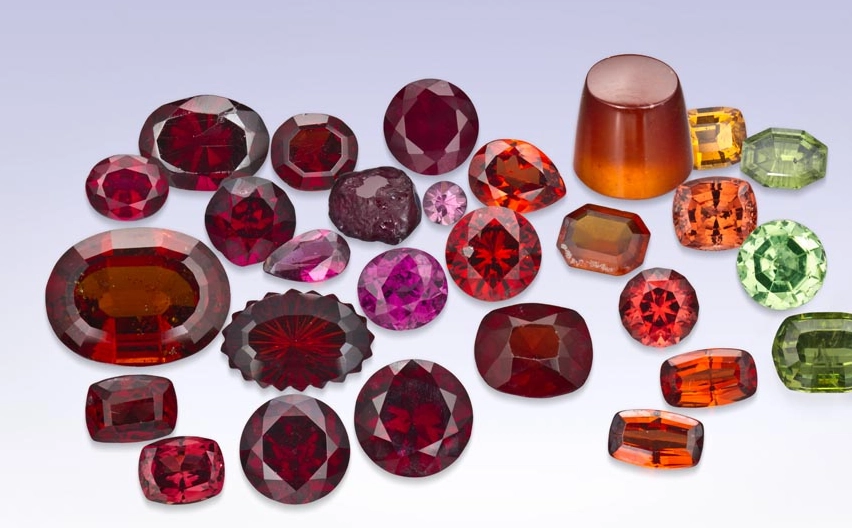
Your January Birthstone Questions Answered
Wrapping up, garnet is the real deal for January birthstones. It's versatile, meaningful, and with a bit of knowledge, you can avoid pitfalls. Whether you're buying for yourself or as a gift, focus on quality and authenticity. And remember, a beautiful gem doesn't have to break the bank—smart choices go a long way.