You picked up a garnet ring, felt its cool weight, and the question popped into your head: is this thing actually lucky? It's not just you. For centuries, people have draped themselves in this deep red stone hoping for a boost. But is garnet's reputation as a lucky charm just clever marketing from ancient jewelers, or is there something more to it?
I've been collecting and studying gemstones for over a decade, and I've seen the garnet question come up more than any other. The short, unsatisfying answer is: it depends on what you mean by "luck." If you mean a magical talisman that will make lottery numbers appear in a dream, you might be disappointed. But if you mean a stone steeped in symbolism that can influence your mindset, focus your intentions, and connect you to a legacy of protection and vitality—then yes, garnet has a powerful case. Let's unpack this, layer by layer.
What's Inside?
Luck Through the Ages: A Historical Perspective
To understand garnet's lucky reputation, you have to start in the dirt and dust of ancient trade routes. This wasn't a stone for peasants. Pharaohs wore it in necklaces, believing it offered protection in the afterlife. Roman signet rings were carved from garnet to seal documents with authority—a different kind of fortune, tied to business and social standing.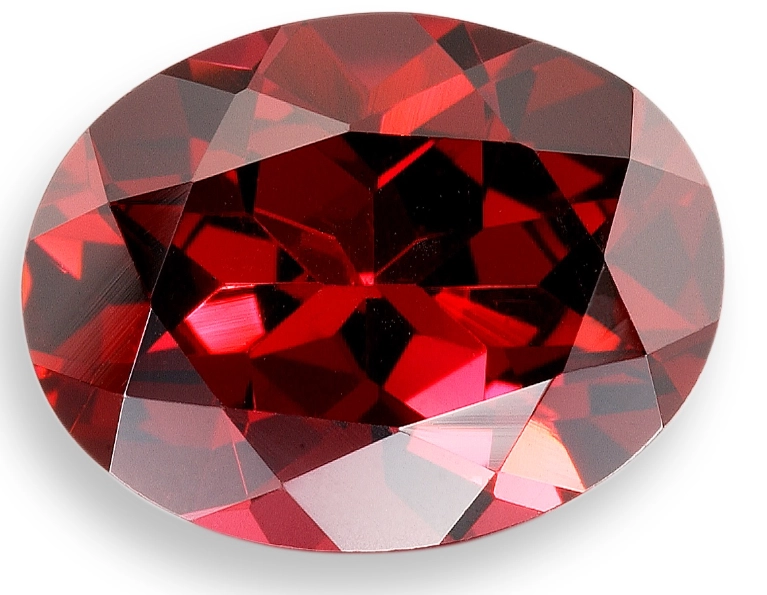
During the Middle Ages, garnet was the ultimate traveler's stone. Knights embedded it in their armor and sword hilts. The belief was stark and practical: it would ward off injury and poison, ensuring the wearer returned home alive. That’s a pretty fundamental form of luck, isn’t it? The luck of survival.
Here’s a perspective most blogs miss: the "luck" often came from garnet's perceived practical properties, not abstract magic. Its rich color was linked to blood, the essence of life. If it could symbolize life force, surely it could preserve it. This tangible connection is key. People didn't just call it lucky; they had a reason, based on their understanding of the world.
How Different Cultures View Garnet’s Luck
This is where it gets fascinating. "Luck" isn't a universal concept. What one culture sees as fortune, another might view as spiritual balance.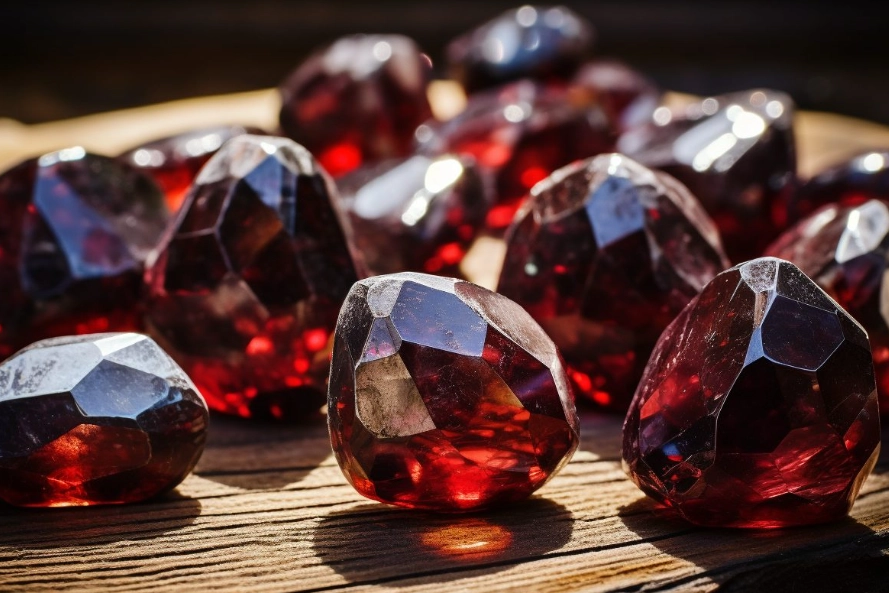
| Culture/Tradition | View on Garnet's "Luck" | Core Intention |
|---|---|---|
| Ancient & Medieval Europe | Protective Talisman | Safety in battle, travel, and health; warding off evil. |
| Traditional Chinese Belief | Symbol of Faith & Truth | Promoting harmonious relationships and honest dealings, leading to prosperity. |
| Ayurvedic Tradition (India) | Root Chakra Stimulant | Grounding, survival instinct, and cultivating a sense of security—the foundation for all endeavor. |
| Modern Crystal Healing | Stone of Commitment & Energy | Manifesting passion into reality, inspiring perseverance in business and love. |
Notice a pattern? The luck garnet offers is rarely passive. It's not about waiting for a windfall. It's active—protection, truth, grounding, commitment. These are states of being that put you in a better position to recognize and seize opportunities. That’s the subtle but crucial difference.
The January Birthstone Connection
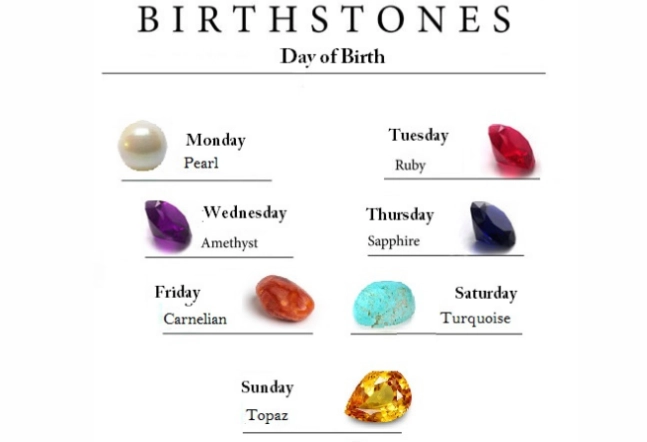
As the birthstone for January, garnet is said to bring luck, health, and protection to those born in the first month. This association, standardized in 1912 by the National Association of Jewelers, cemented its status as a personal lucky charm. But does it only work for January babies? Absolutely not. The birthstone link simply formalized a long-standing affinity. Think of it as a recommended starting point, not an exclusive club.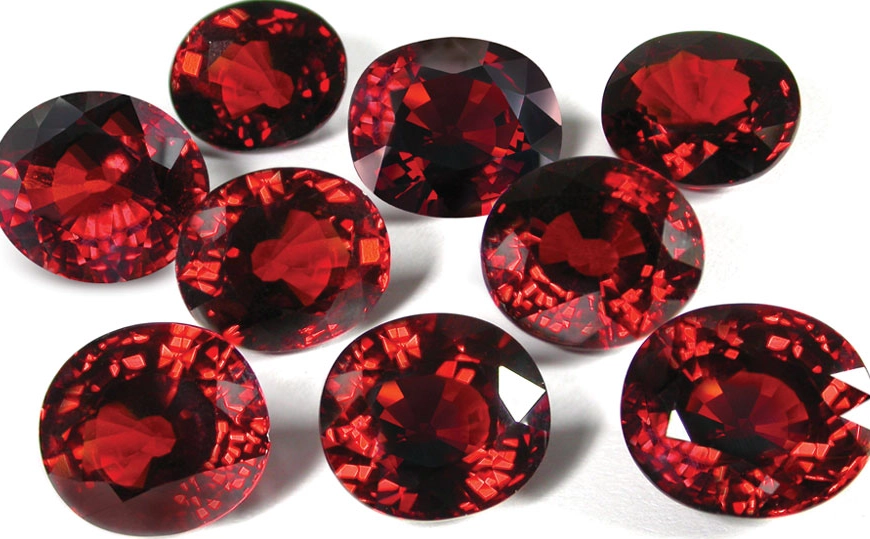
The Modern Metaphysical Take: Beyond Simple Luck
Walk into any crystal shop today, and you’ll hear garnet described with words like "vitality," "passion," and "prosperity." This is the evolved language of its luck. Modern practitioners see it as an energy amplifier.
Let me give you a concrete example from my own experience. A friend, let's call her Sarah, was starting a freelance business. She felt scattered and insecure. I suggested she get a small, raw garnet for her desk, not as a magic money-rock, but as a physical reminder. She’d hold it when making difficult calls, setting it in front of her while writing proposals. She told me later it didn't make clients appear out of thin air. Instead, it helped her feel more solid, more passionate about her pitches, and more committed to following through. That shift in energy? That’s what attracted the clients.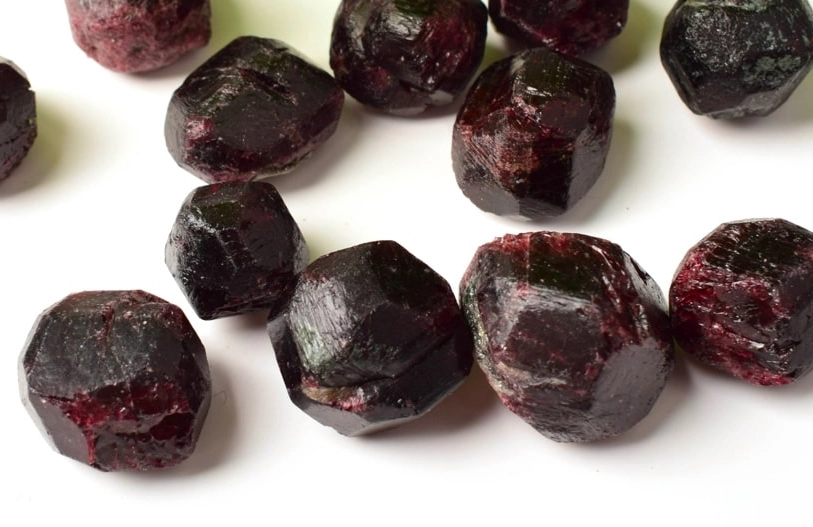
Expert Tip: A common mistake beginners make is buying a garnet (or any "lucky" stone) and then just waiting. The stone isn't a battery-operated luck dispenser. It's a tool. The "work" comes from you—setting an intention, using the stone to focus your mind, and then taking action in the real world. The garnet supports the mindset; you execute the plan.
Different garnet colors are also thought to nudge luck in specific directions. The classic red almandine is for passion and protection. The vibrant green of tsavorite is linked to growth and wealth. The orangey spessartite is tied to creative energy and intellectual pursuits. Your choice should align with the type of "fortune" you're cultivating.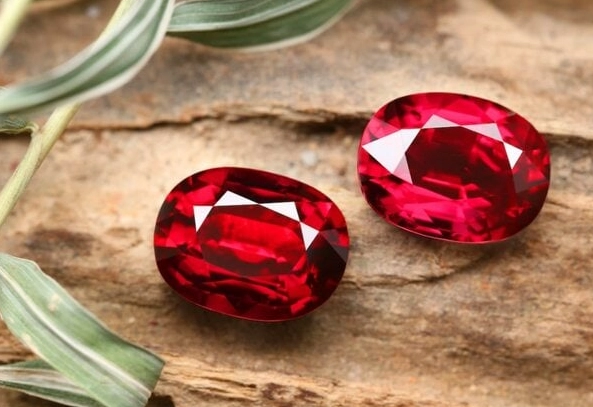
How to Actually Use Garnet to “Attract” Luck
So, you're convinced enough to give it a try. How do you do this practically? Throwing it in a drawer won't cut it.
1. Choose Your Stone Intentionally. Don't just order the cheapest one online if you can help it. Look at pictures, or better yet, visit a shop. Which one catches your eye? Which color feels energizing? That personal pull is the first step in creating a connection. Check for a good polish, a lack of major cracks or inclusions—you want a stone that feels solid and well-crafted.
2. Program It With a Clear Intention. This sounds fancy, but it's simple. Hold your cleansed garnet (run it under cool water is fine), quiet your mind, and clearly state your purpose. Not just "bring me luck." Be specific. "Help me stay grounded and confident during my job interview next Tuesday." Or, "Support my commitment to saving money this year." You're linking the stone's symbolic energy to a tangible goal.
3. Wear It or Place It Strategically.
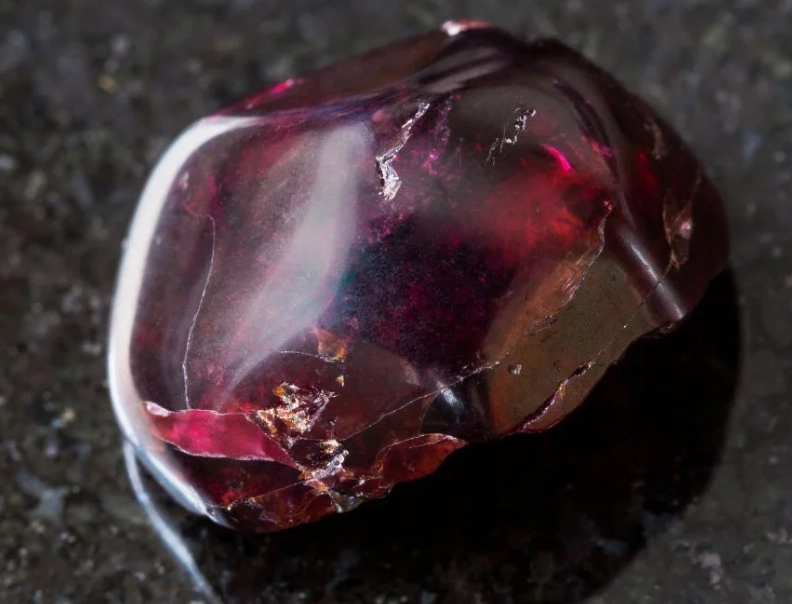
For relationship luck: Place a pair of garnets in the relationship corner of your home (far right corner from the front door, according to some traditions).
For business/prosperity: Keep a piece on your desk, in your cash register, or in your wallet. I know an artisan who sews a tiny garnet bead into the lining of her craft fair money belt.
4. Maintain the Connection. Revisit your intention regularly. Cleanse the stone monthly under running water or by leaving it on a selenite plate. If it cracks or gets damaged, don't panic about bad luck—thank it for its service and retire it. It may have absorbed a knock meant for you.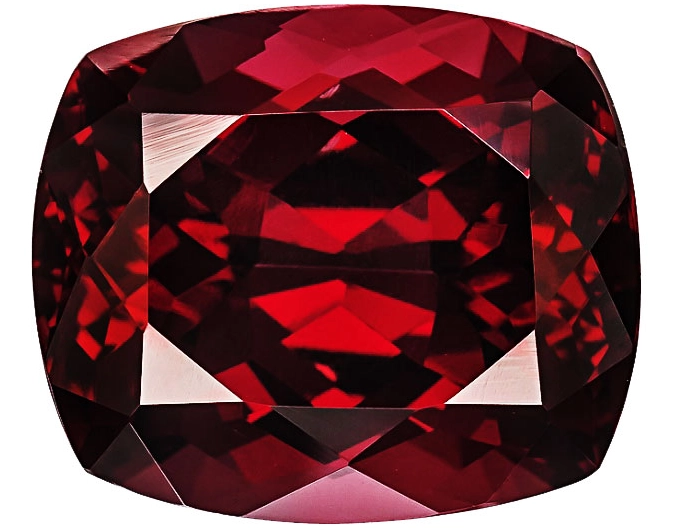
Your Garnet Luck Questions, Answered
After years of talking to people about stones, these are the real questions that come up, not the fluffy ones.
There's no single 'luckiest' color; it depends on your goal. Deep red garnets are traditionally linked to vitality, passion, and protection—classic good fortune. Green tsavorite garnet is often associated with wealth and prosperity. The key is to choose a color you're naturally drawn to, as that personal connection is more powerful than any generalized rule.
Wear it consistently on your non-dominant hand (like your left if you're right-handed). This is believed to help you receive its energy rather than project it. A ring or bracelet works well. For specific intentions, pair it with other stones: wear it with citrine for business success, or with rose quartz if you're seeking luck in love. Cleanse it under running water monthly to clear stagnant energy.
Not at all. While it's the traditional January birthstone, garnet's properties aren't exclusive. Anyone can work with its energy. Some traditions even suggest it's particularly supportive for Leos and Virgos. The birthstone connection simply means those born in January might have a natural affinity for it. Focus on your intention, not your birth month.
A cracked stone isn't a curse. In crystal lore, it often means the stone has absorbed a significant impact—physical or energetic—on your behalf. It's seen as having 'done its job.' Thank it, retire it (don't wear a damaged stone as it's structurally weak), and replace it. View it as a sign of protection, not misfortune.
So, is garnet a lucky stone? Look at its journey—from the battlefields of crusaders to the desks of modern entrepreneurs. Its luck isn't a passive wish; it's an active principle of protection, passion, and committed action. It won’t replace hard work or good sense. But as a tool for focusing your mind, symbolizing your intent, and connecting to a deep human history of seeking security and success, garnet’s power is very real. Your belief, and more importantly, your aligned action, are the final ingredients that turn a beautiful red stone into a true personal talisman.