So you were born in February, or maybe you just love the color purple. Either way, you've likely been told your stone is amethyst. But when someone asks about the February birthstone meaning, reciting "purple quartz" feels about as insightful as describing water as "wet." There's a vast, fascinating world behind that tranquil violet glow. Having worked with gems for years, I've seen people make one big mistake: they stop at the aesthetics. The real value of amethyst isn't just in its beauty—it's in the story it tells and the subtle energy it's believed to hold. Let's move past the basic fact sheet and dig into what makes this stone a timeless companion.
What You'll Discover in This Guide
What is the February Birthstone?
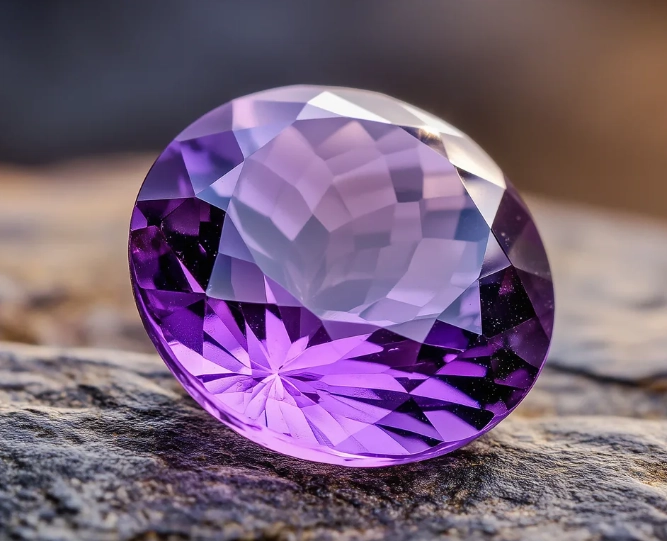
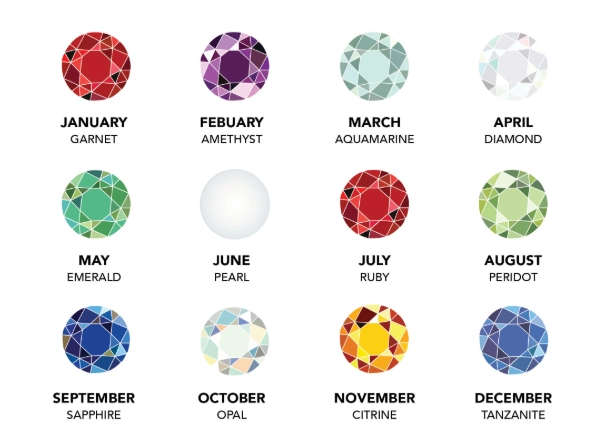
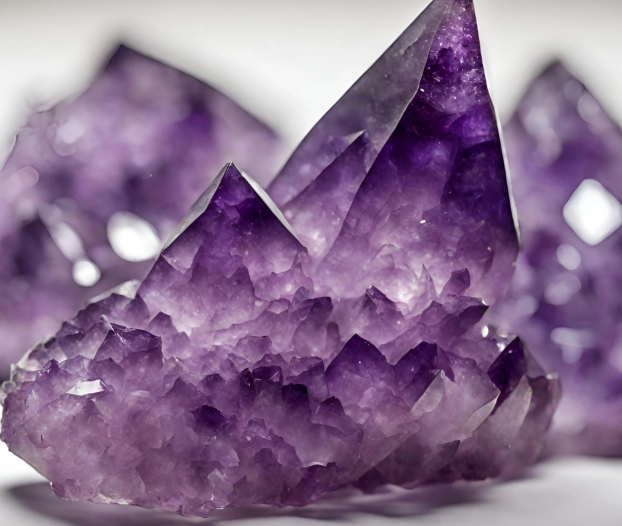
It's amethyst. A variety of quartz colored by trace amounts of iron and natural irradiation. That's the textbook answer from the Gemological Institute of America (GIA). But here's what that means in practice: its hardness of 7 on the Mohs scale makes it durable enough for regular jewelry, yet it's accessible enough not to break the bank. Unlike many gems tied to a single source, amethyst is found globally—from Brazil and Uruguay to Zambia and South Korea. This abundance shaped its history, making it available to royalty and commoners alike, which is partly why its symbolism is so deeply woven into different cultures.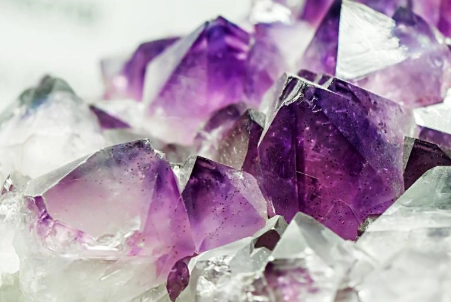
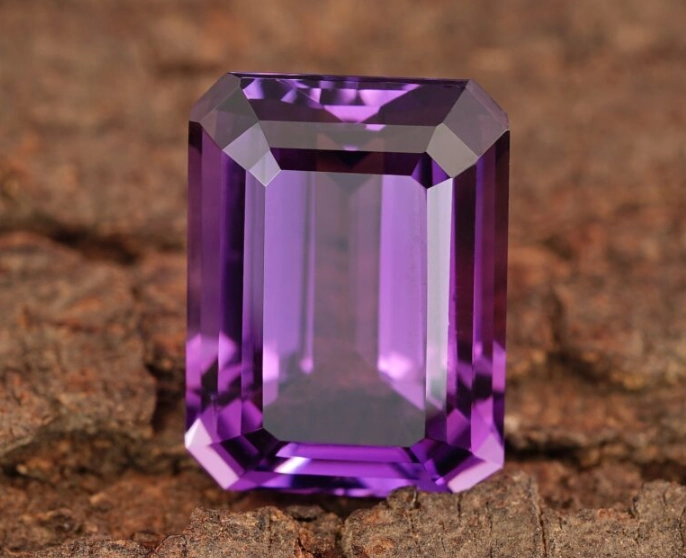
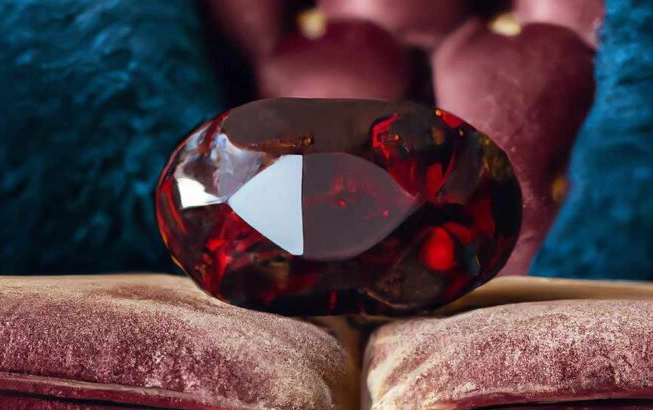
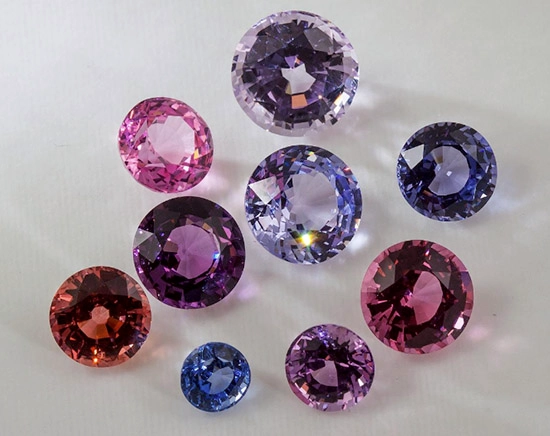
One nuance often missed is the color range. We say "purple," but it spans from a pale, almost pinkish lavender to a deep, royal violet so dark it can appear black in certain lights. The most prized color, historically called "Siberian," is a deep purple with flashes of red and blue. But don't get hung up on the name; today, stones with that profile can come from Africa or South America.
Amethyst Meaning and Symbolism: More Than Just Sobriety
If you've heard one thing about amethyst meaning, it's probably its link to sobriety. The name comes from the Greek "amethystos," meaning "not intoxicated." The myth goes that the god Dionysus, in a drunken rage, vowed to unleash his tigers on the next mortal. The maiden Amethyst prayed to the goddess Artemis, who turned her into a pure, clear quartz statue. Dionysus, weeping tears of wine, stained the quartz purple. A great story, but it reduced the stone to a single, literal purpose for centuries: preventing drunkenness. People even carved drinking cups from it.
The symbolism is far richer. That idea of "clarity over intoxication" evolved metaphorically. It became about mental clarity over mental clutter, spiritual sobriety over emotional chaos. This is where its modern reputations for calming the mind, aiding meditation, and promoting wise decisions come from. It's a shift from a literal anti-hangover charm to a tool for mindfulness.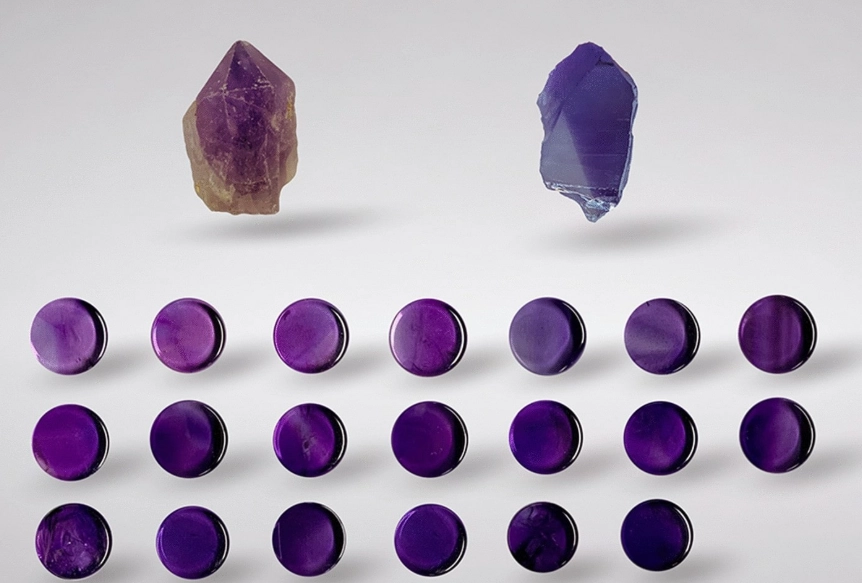
Three Core Symbolic Pillars of Amethyst
Beyond the myth, amethyst's meaning rests on three interconnected pillars that resonate across time:
1. Spiritual Connection and Intuition: For centuries, from European bishops to Buddhist tibetans, amethyst has been associated with the divine and the third eye. It's not about belonging to one religion; it's about facilitating a personal sense of something greater. In my experience, people don't just want a pretty stone—they want an anchor for their meditation practice or a reminder of their inner voice.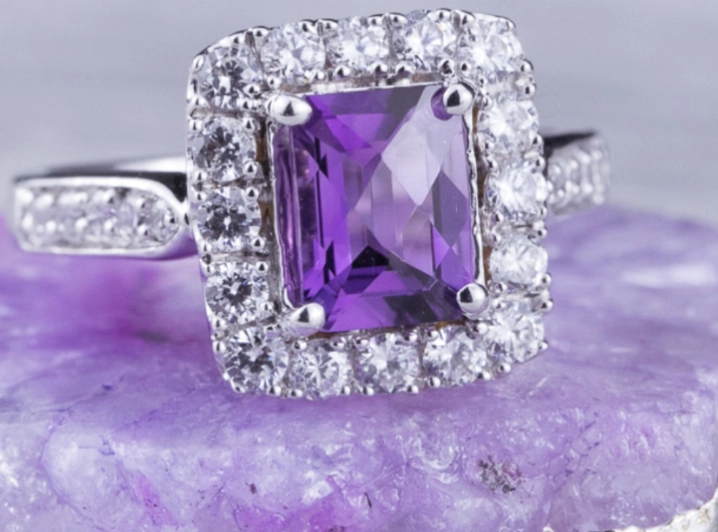
2. Emotional Calm and Protection: This is the big one for modern life. The stone is famously linked to stress relief and creating a peaceful atmosphere. It's seen as a protective shield against negative energy, not in a magical force-field way, but as a symbolic filter. You wear it, you're reminded to not absorb every bit of ambient anxiety. I keep a small cluster on my desk for this exact reason. It's a visual cue to breathe.
3. Personal Transformation: Purple sits between red (action) and blue (calm). Amethyst is thought to balance these extremes, helping to transform lower-energy feelings like anger or grief into higher states of understanding and acceptance. It's a stone often associated with the beginning of a spiritual journey.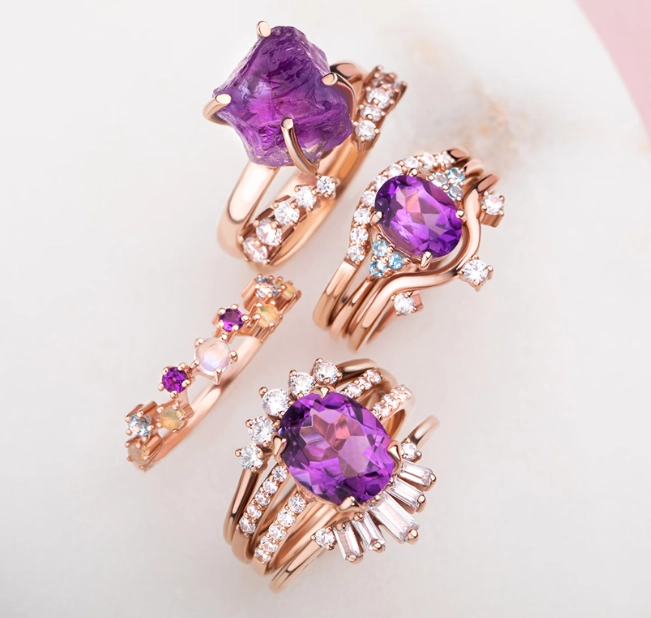
A Quick Reality Check: It's crucial to separate historical belief from scientific fact. No peer-reviewed study proves amethyst can alter your brain chemistry. Its "power" lies in the placebo effect, intentionality, and the psychological impact of engaging with a beautiful, symbolic object. That doesn't make its meaning less real—it just frames it in human psychology rather than mysticism.
Getting Into the Details: Color, Quality, and Origin
Understanding the specifics helps you appreciate what you're looking at and make an informed choice. The value and appearance of amethyst hinge on a few key factors.
| Factor | What It Means | What to Look For |
|---|---|---|
| Color | The most critical value driver. Hue (the purple), Tone (lightness/darkness), and Saturation (intensity) matter. | Vivid, medium to dark-toned purples with red or blue flashes are most valued. Pale lilac is lovely but more common. |
| Clarity | Amethyst is typically "Type I" gem, meaning it's usually eye-clean (no visible inclusions). | Stones should be clear to the eye. Some may have subtle, wispy inclusions or color zoning, which can be natural and attractive. |
| Cut | How the rough crystal is shaped and faceted to maximize beauty. | Well-proportioned cuts that reflect light evenly. Common shapes include ovals, cushions, and emerald cuts. Tumbled stones are popular for raw energy. |
| Carat Weight | Size. Amethyst occurs in large sizes, so price per carat doesn't skyrocket like a diamond. | You can get a substantial, statement stone for a reasonable price. Size is a matter of personal preference and jewelry design. |
A Note on Origin & "Types"
You'll hear terms like "Uruguayan Amethyst" (deep, often blueish-purple) or "Vera Cruz Amethyst" (pale, luminous, and often in delicate points). Origin influences the typical color and crystal habit. Siberian is a color grade, not necessarily an origin. While collectors might seek out specific locales, for most people, the individual stone's color and appeal matter more than its passport. A stunning Zambian stone can outshine a mediocre Brazilian one any day.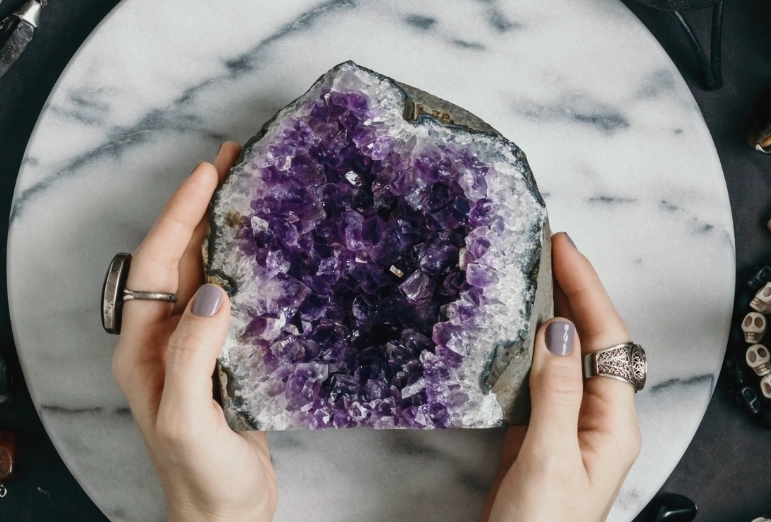
Heat treatment is common to improve color. It's generally accepted and stable, but a reputable seller should disclose it. A very cheap, intensely uniform purple stone might be synthetic or heavily treated glass—buyer beware.
How to Actually Use and Choose Your Amethyst
This is where theory meets practice. You know the meaning, you see the details—now what do you do with it?
Choosing Your Stone: Don't just buy the first purple rock you see. Hold a few. Which shade of purple speaks to you? The deep, contemplative royal purple? Or the light, airy lavender? Trust your gut reaction. For jewelry, consider the setting. White metals (silver, white gold, platinum) enhance its cool, calming vibe. Yellow gold creates a warmer, more regal contrast.
In Your Daily Life:
• Jewelry: The most direct way to carry its energy. A ring keeps it on your active hand, a pendant close to your heart, earrings near your head for mental clarity.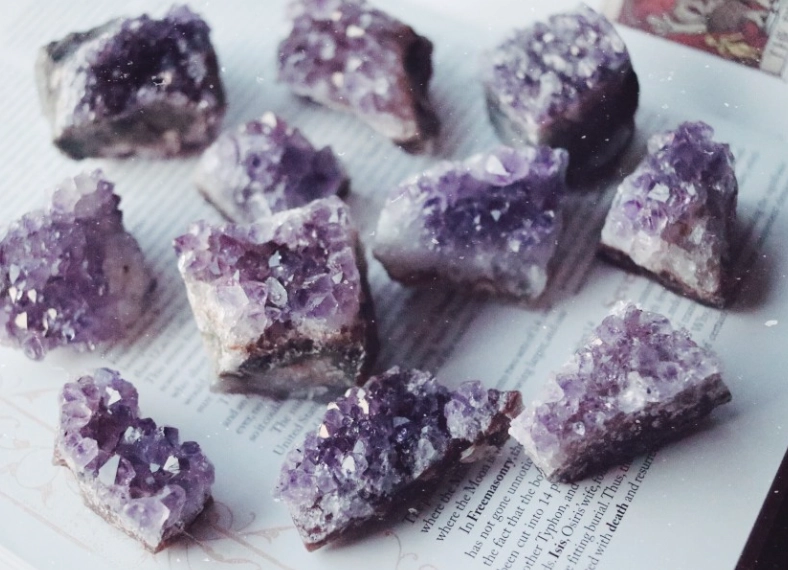
• Home & Space: Place a cluster or geode in a room where you relax or work. It's a beautiful decorative piece with a purpose. Many put one in the bedroom for peaceful sleep.
• Meditation: Hold a tumbled stone or place it before you. Use its color and cool touch as a focal point to quiet the mind.
• A Personal Ritual: Some like to "set an intention" with their stone—holding it while thinking of a goal like "calm" or "clarity." It's a simple act of mindfulness.
Care and Cleansing: Amethyst's color can fade in prolonged, direct sunlight. Store it in a cloth pouch. Clean with mild soap, lukewarm water, and a soft brush. The concept of "cleansing its energy" is popular in crystal circles. Methods include placing it on selenite, smudging with sage, or leaving it in moonlight. Do what feels right for you; it's more about resetting your connection to the stone than the stone itself.