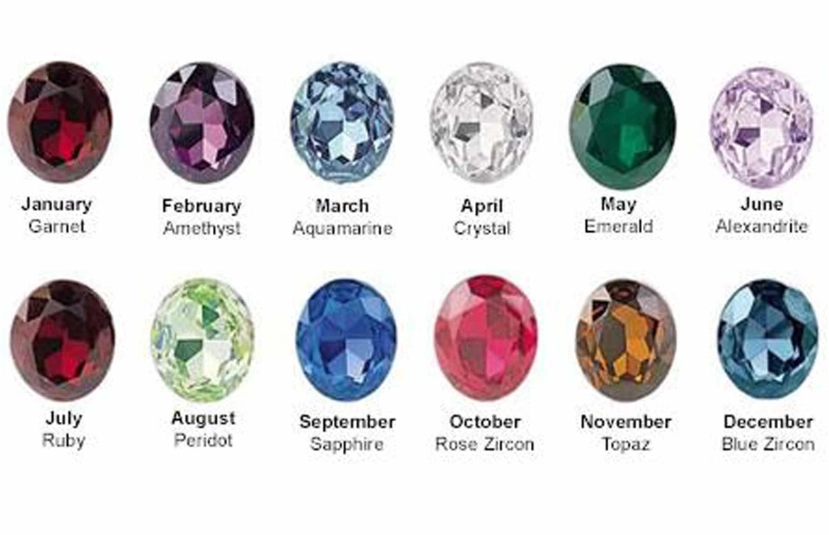
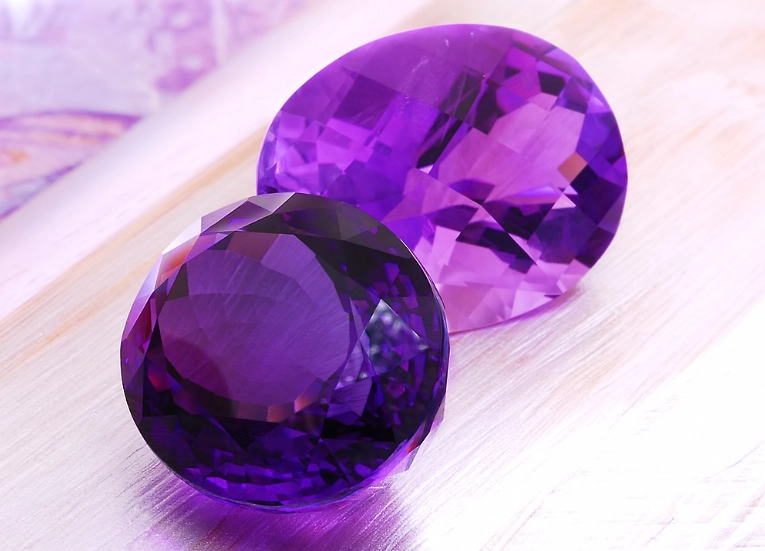
If your birthday falls in February, you've probably been told your birthstone is amethyst. You might know it's purple. Maybe you've heard it's supposed to bring calm. But there's a whole world of meaning, history, and practical knowledge behind that violet glow that most quick guides skip. I've spent years talking to gem cutters, jewelers, and collectors, and the story of amethyst is one of mistaken identity, royal obsession, and a few modern-day pitfalls you'll want to avoid.
What's Inside?
From Drunkenness to Royalty: The Twisted History
The name gives the first clue. "Amethyst" comes from the ancient Greek word "amethystos," which literally means "not intoxicated." The myth goes that the god Dionysus, angry at a mortal, created tigers to attack a young maiden named Amethystos. The goddess Artemis turned the girl into a statue of pure quartz to save her. Dionysus, remorseful, wept tears of wine that stained the quartz purple, creating the first amethyst. From this story, Greeks and Romans believed drinking from a cup made of amethyst (or with an amethyst in it) would prevent drunkenness.
It's a fun story, but let's be real. It was more about symbolism than science. They saw the wine-like color and created a lore to match. The practical meaning here was about self-control and clear-headedness.
Fast forward to the Middle Ages and Renaissance. Amethyst's meaning shifted dramatically. It became the stone of bishops and kings. Why? Partly because purple dye, Tyrian purple, was insanely expensive, made from sea snails. Wearing purple fabric was a legal privilege of royalty in many places. A purple gemstone was the next best thing—a natural symbol of power, piety, and wealth. Bishops wore amethyst rings as the "stone of bishops," believing it promoted celibacy and spiritual wisdom. The meaning morphed from "not drunk" to "sober in faith and high in status."
What Amethyst Means Today (Beyond the Brochure)
Today, the meaning of amethyst is a blend of its old lore and New Age spirituality. But let's cut through the vague stuff.
At its core, amethyst is universally seen as a stone of:
- Calm and Stress Relief: This is the big one. It's not a magic anti-anxiety pill, but it serves as a physical reminder to breathe, to center yourself. People hold it, place it on a desk, or wear it as a touchstone during stressful times.
- Mental Clarity and Focus: Tying back to the "not intoxicated" idea, it's associated with clearing mental fog, enhancing decision-making, and promoting a balanced perspective.
- Spiritual Connection: In many crystal healing practices, it's considered a powerful stone for opening the crown chakra, which is linked to higher consciousness and spirituality.
The "Healing Properties" Conversation
You'll see lists claiming amethyst does everything from boosting immunity to purifying the air. The Gemological Institute of America (GIA), the world's foremost gem authority, treats gems as geological wonders and objects of beauty, not medical devices. The personal meaning and sense of well-being it provides are real for many people—that's a psychological and emotional effect, not a clinical one. Think of its "healing" as more about creating a mindful environment than curing an ailment.
How to Choose Your Amethyst: An Insider's Checklist
Not all amethysts are created equal. The meaning feels more personal when the stone resonates with you visually. Here’s what to look for, beyond the carat weight.
| Factor | What to Look For | Why It Matters |
|---|---|---|
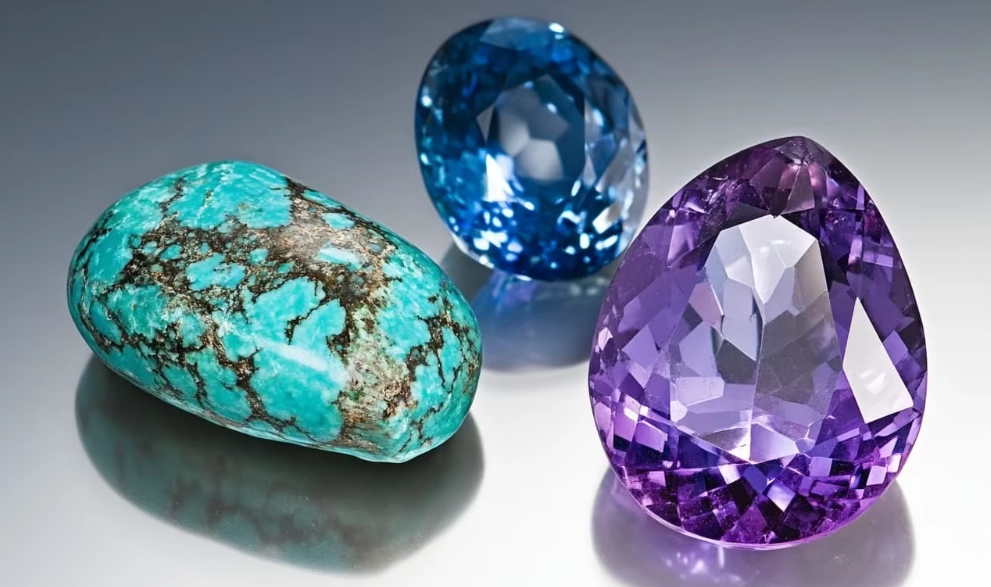
| Color | A strong, reddish-purple to violet. Can range from light lilac to deep, almost blackish purple. | This is the #1 value driver. Deep, saturated color with red flashes (in good light) is most prized. Light "lavender" amethyst is more affordable. |
| Clarity | Eye-clean stones (no visible inclusions to the naked eye) are common and desirable. | Amethyst often forms with good clarity. Visible inclusions can lower value but sometimes create unique character (like "chevron" patterns). |
| Cut | Well-proportioned facets that reflect light evenly. Avoid windows (see-through dead spots). | A great cut brings the stone to life. A poor cut can make even great color look dull. The shape (oval, cushion, pear) is pure personal preference. |
| Origin | Notable sources: Brazil, Uruguay, Zambia, South Korea. | Zambian amethyst often has a deeper, more saturated blueish-purple tone. Brazilian stones can be larger and range in tone. Origin can influence color character but isn't a sole quality indicator. |
A personal gripe? The trend of overly dark, inky amethyst where you can't see any light play. It looks like a lump of purple glass. I'd take a slightly lighter stone with brilliance over a dead-dark one any day.
Wearing and Caring for Your Stone: The Unspoken Rules
Amethyst is a quartz, rating a 7 on the Mohs hardness scale. That means it's decent for daily wear but has vulnerabilities.
Can it be an engagement ring?
You can, but should you? It's softer than sapphire (9) or diamond (10). If you're tough on your hands, it will show scratches and wear over decades. For a special ring worn daily, I often suggest a bezel setting for protection. But for many, its meaning makes it perfect for a pendant or right-hand ring that gets less abuse.
The Big No-No: Sun and Heat
This is the expert tip most blogs gloss over. Prolonged, direct sunlight or high heat can fade amethyst's color. Don't leave your amethyst jewelry on a sunny windowsill. Don't wear it in the hot tub or sauna consistently. The fade can be permanent, turning a rich purple into a pale, washed-out brownish-yellow. Store it in a cloth pouch or box.
Cleaning
Simple is best. Warm water, mild dish soap, and a soft brush. Rinse well. Never use an ultrasonic or steam cleaner. The vibrations and sudden heat can cause fractures, especially if the stone has existing inclusions you can't see.
Ultimately, the meaning of your February birthstone is what you make of it. It can be a connection to ancient history, a tool for mindfulness, or simply a stunning piece of the natural world that happens to be your birthright color. Knowing its story and how to care for it just deepens that connection.