If you were born in February, you've hit the gemstone jackpot. Amethyst isn't just another pretty purple rock. For centuries, across cultures from ancient Greece to medieval Europe, this stone has been prized not only for its regal color but for a profound sense of calm and clarity it's believed to impart. Today, whether you're into crystal healing or just appreciate a beautiful, meaningful accessory, understanding amethyst benefits goes far beyond birthday symbolism. It's about tapping into a tool for modern wellness.
I've worked with gems for years, and the hype around amethyst is one of the few that holds up under both historical scrutiny and personal experience. It's not a magic cure-all, but when used with intention, its effects can be surprisingly tangible.
Your Quick Guide to Amethyst
What is Amethyst? More Than Just a Pretty Stone
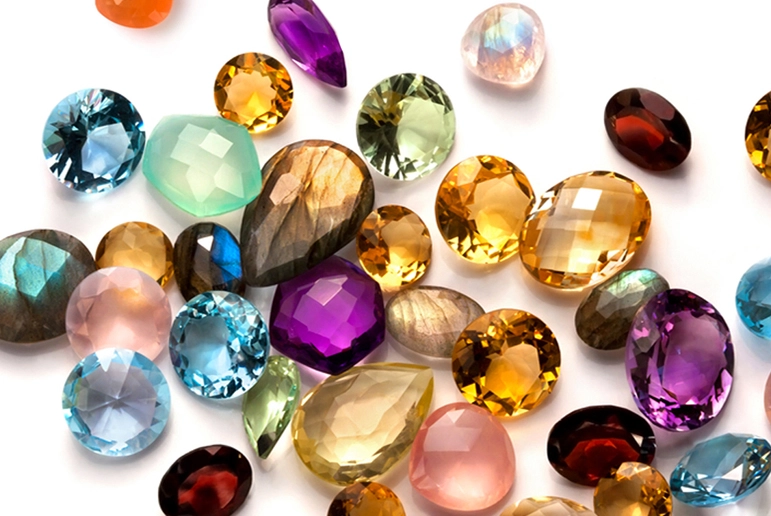
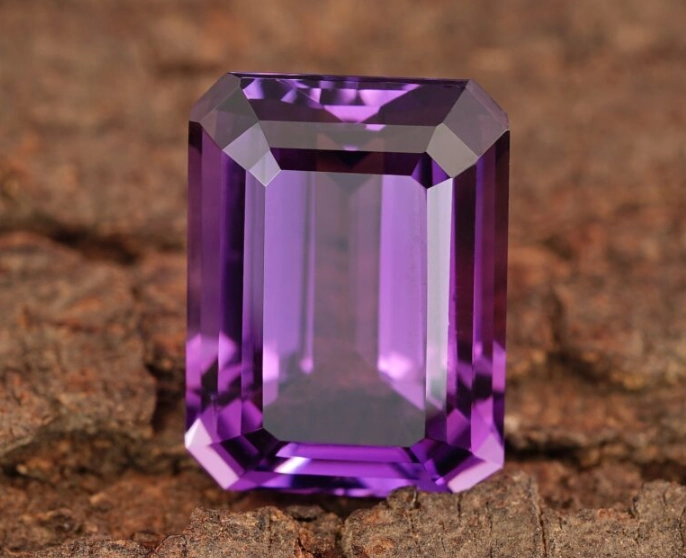
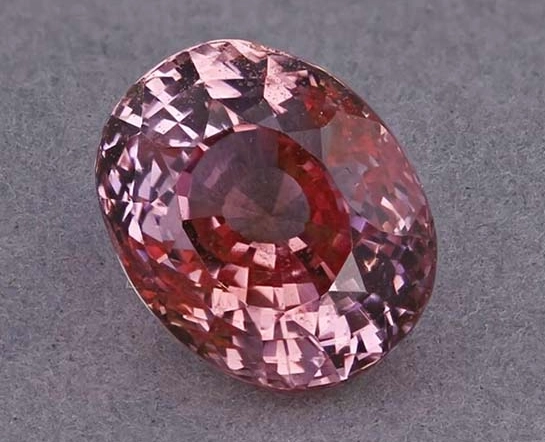
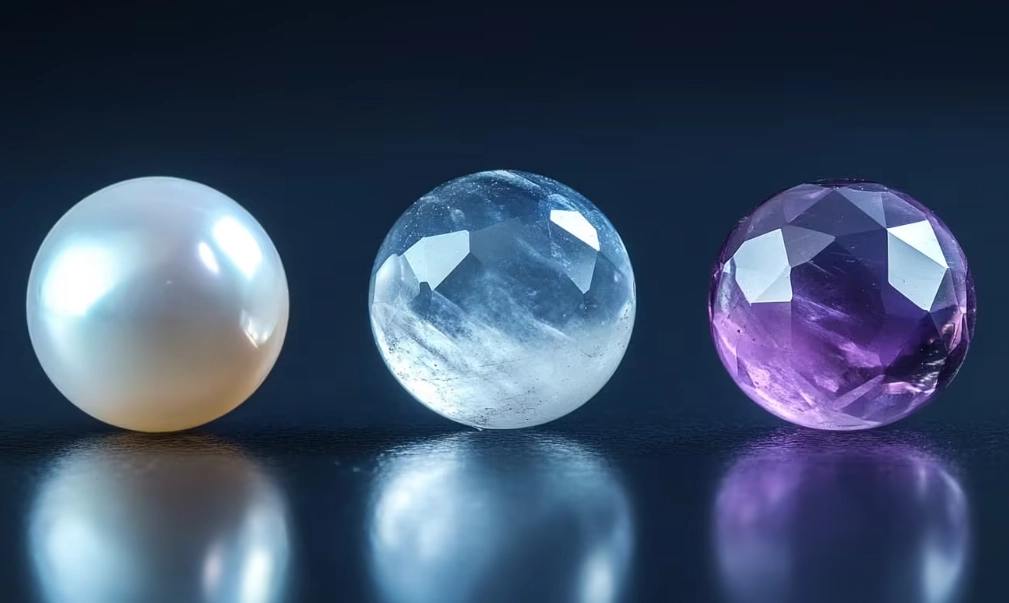
Amethyst is a variety of quartz, one of the most abundant minerals on Earth. Its iconic violet hue comes from trace amounts of iron and natural irradiation within the crystal lattice. The color can range from a pale, almost pinkish lavender to a deep, velvety purple that appears almost black in low light. The finest, most valuable gems typically show a strong, saturated purple with flashes of red and blue.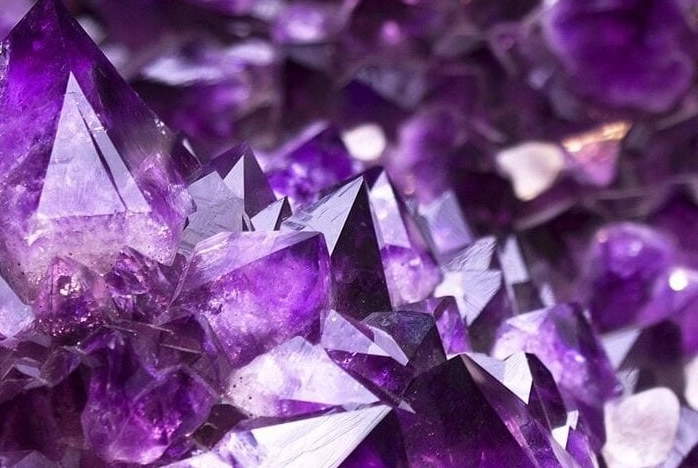
Major sources include Brazil, Uruguay, Zambia, and South Korea. The geology matters because it influences the color and sometimes the crystal formation—Zambian amethyst often has deeper, more saturated tones, for instance.
Here's a quick snapshot of its core identity:
| Property | Details |
|---|---|
| Mineral Family | Quartz (Silicon Dioxide) |
| Color Cause | Iron impurities + irradiation |
| Mohs Hardness | 7 (Durable for everyday wear) |
| Key Sources | Brazil, Uruguay, Zambia, South Korea |
| Historical Lore | Named from Greek "amethystos" (not intoxicated), believed to prevent drunkenness. |
But the real intrigue starts when we move from its physical properties to the perceived energetic ones. That's where the term "amethyst benefits" truly comes alive.
The Multifaceted Benefits of Amethyst: From Calm to Clarity
Talk to ten different crystal enthusiasts, and you might get twelve different lists of amethyst benefits. After sifting through the folklore, modern metaphysics, and my own observations, a few core themes emerge consistently. These aren't just vague promises; they're specific, actionable areas where this stone seems to have a focused impact.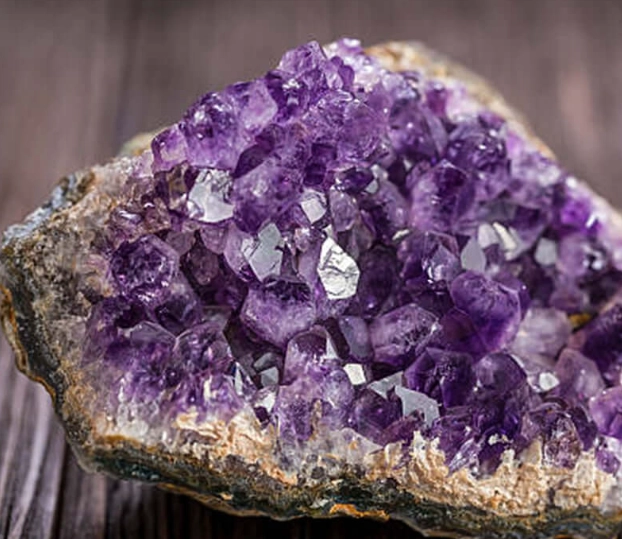
The Ultimate Calm-Down Stone
This is amethyst's headline act. In a world of constant notifications and background anxiety, its primary benefit is promoting a deep, pervasive sense of calm. It's not a sedative. It doesn't make you drowsy. Instead, it works on the nervous system like a gentle, steadying hand on your shoulder.
How does this supposedly work? In metaphysical terms, amethyst is a powerful "crown chakra" stone, linked to spiritual connection and higher consciousness. A balanced crown chakra is thought to quiet mental chatter and soothe frayed nerves. From a more psychological perspective, its cool, serene purple color alone can have a visually calming effect—think of the use of lavender in color therapy.
I keep a large amethyst geode in my home office. On days when deadlines pile up, just glancing at its deep purple crystals creates a literal visual pause. It's a reminder to breathe. That's a tangible benefit you can't get from a Google search.
Clarity and Decision-Making
Clutter isn't just in our homes; it's in our minds. Amethyst is renowned for cutting through mental fog. It's said to enhance logical thinking and intuition simultaneously, which sounds contradictory but is actually the sweet spot for good decisions.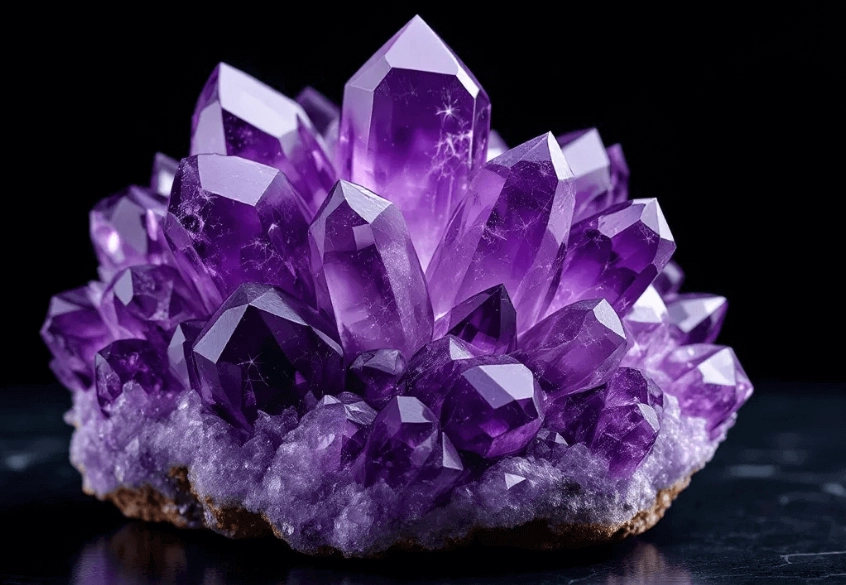
Imagine you're facing a complex career choice. Your logical mind lists pros and cons, but your gut feels uneasy. Amethyst's energy is believed to help integrate these two sources of intelligence. It quiets the panic (the "calm" benefit) so you can hear your intuitive whispers more clearly, while also sharpening your focus to assess facts.
This benefit makes it a fantastic stone for students, writers, or anyone in a problem-solving role.
Spiritual Connection and Protection
This is the more esoteric, but historically significant, benefit. Amethyst has long been considered a stone of spirituality and piety. Bishops wore amethyst rings, and it was used to adorn churches. The belief was that it facilitated a connection to the divine and offered protection from negative influences—both earthly (like gossip or ill will) and, in older beliefs, malevolent spirits.
In modern practice, this translates to creating a "bubble" of positive, high-vibrational energy. Many people place amethyst clusters in their homes to purify the atmosphere, or wear it as a talisman when they feel emotionally vulnerable or exposed to draining environments.
A common misconception is that it works like an invisible force field. It's subtler. It's more about raising your own personal vibration so that lower, negative energies simply don't resonate or stick around.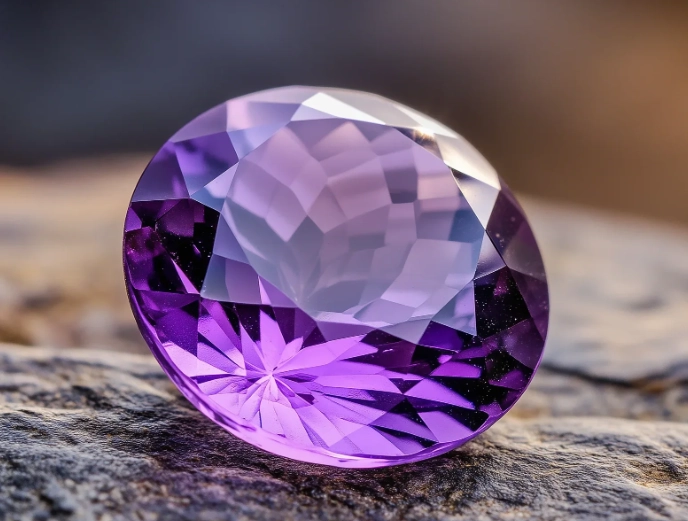
Sleep and Dream Enhancement
This benefit is a direct extension of its calming properties. By pacifying a racing mind, amethyst is believed to pave the way for deeper, more restorative sleep. It's also associated with lucid dreaming and remembering dreams more vividly.
The mechanism here is practical. Stress and anxiety are the primary thieves of good sleep. By addressing those, the stone indirectly supports the sleep cycle. Placing it near your bed creates a subtle environmental cue that it's time to unwind.
How to Use Amethyst for Maximum Benefit: A Practical Guide
Knowing the benefits is one thing. Applying them is another. Here’s how to move from theory to daily practice. The biggest mistake beginners make is buying a stone and then just letting it sit on a shelf. Intention and placement are everything.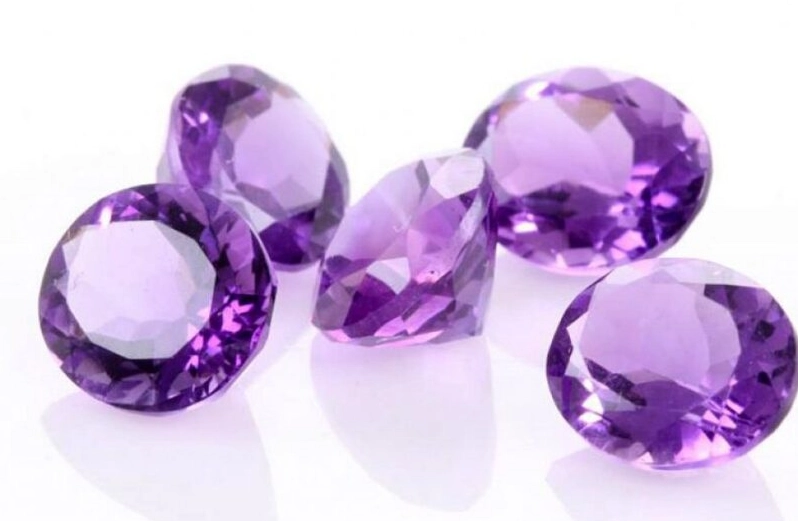
Pro Tip: Don't just place your amethyst randomly. Hold it for a moment, state your intention (e.g., "I program this stone to bring calm to my workspace"), and then position it. This conscious act makes a world of difference.
Wear It: Jewelry as Personal Energy Medicine
Wearing amethyst keeps its energy in your personal auric field all day.
- For Anxiety: A ring or bracelet on your left hand (the receptive side of the body) can serve as a constant, subtle calming influence during meetings or commutes.
- For Clarity & Focus: A pendant worn close to the throat (communication) or between the brows (third eye) can help during study sessions or strategic planning.
- For Sleep: Not practical to wear in bed, but wearing it during the evening can help initiate the wind-down process.
Place It: Strategic Environmental Design
Think of amethyst as functional decor.
- Bedroom (Nightstand): A tumbled stone or small cluster to promote peaceful sleep and pleasant dreams.
- Home Office or Study: A point or cluster on your desk to combat mental fatigue and enhance concentration. Point it towards you to draw energy in.
- Living Room (Central Area): A large geode or cluster to purify the general energy of the home, ideal for spaces where family gathers or guests visit.
- Meditation Space: Hold a tumbled stone in your hand or place a point in front of you to deepen your practice and quiet the mind.
Use It in Rituals
Place an amethyst on a vision board to clarify your goals. Put one by your computer to mitigate the effects of EMFs (a popular modern belief). Hold one while journaling to access deeper insights.
The key is consistency. Interact with your stone regularly, even if it's just a glance and a deep breath.
Caring for Your Amethyst: Keeping the Energy Clear
Crystals are believed to absorb energies from their environment. To keep your amethyst working optimally, it needs occasional cleansing and recharging. This isn't just mystical housekeeping; it's a respectful practice that also keeps the stone physically beautiful.
Cleansing Methods:
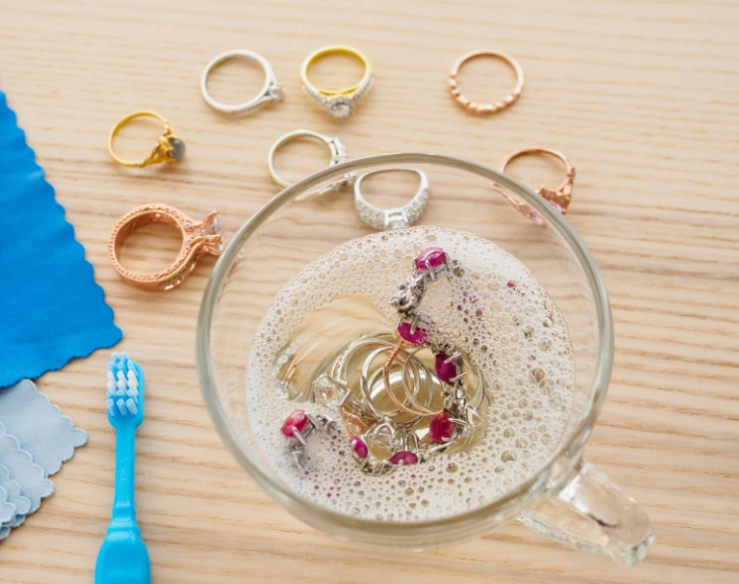
- Running Water: Hold under lukewarm running water for 30-60 seconds. Pat dry. (Avoid this for amethyst set in weak jewelry settings).
- Moonlight: Place it on a windowsill or outdoors overnight during a full moon. This is a gentle, powerful method for both cleansing and recharging.
- Smoke: Pass it through the smoke of sage, palo santo, or incense.
What to Avoid:
- Prolonged Direct Sunlight: This can cause the color to fade over time. A major practical tip many miss.
- Harsh Chemicals: Perfumes, cleaners, and salt can damage the surface or setting.
- Salt Water: While salt is a traditional cleanser, it can be abrasive to the polish of tumbled stones.
Cleanse your amethyst when you first get it, and then whenever it feels "heavy" or dull, or about once a month.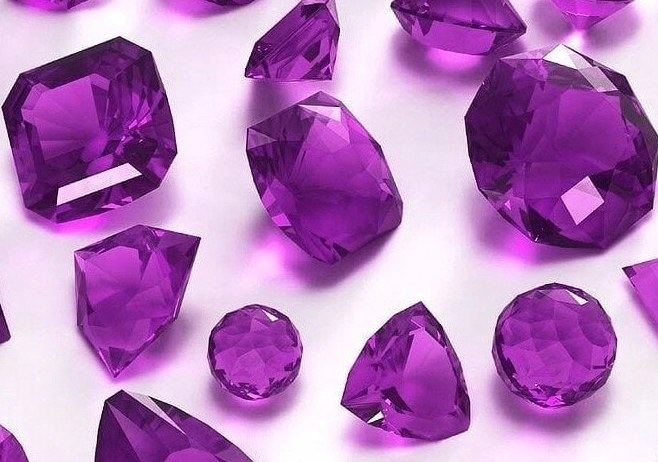
Your Amethyst Questions, Answered
Can wearing an amethyst ring really reduce anxiety at work?
Many people report a noticeable difference. The key is consistent contact and intention. Wear it on your left hand (receptive side), and when you feel stress rising, take a moment to touch the stone and take a deep breath. It's less about magic and more about creating a tactile mindfulness anchor. For maximum effect, combine it with other stress-reduction practices.
How do I cleanse and recharge my amethyst to maintain its benefits?
Think of it like charging a battery. Running it under lukewarm water for a minute is the simplest method. Avoid harsh chemicals or salt. For a deeper cleanse, leave it in moonlight overnight, especially during a full moon. A common mistake is leaving it in direct sunlight for too long, as this can fade its beautiful purple color over time.
Is there a difference in benefits between natural and lab-created amethyst?
Chemically and visually, they are identical. The debate is personal. Some believe the millennia-long formation of natural stones imbues a unique energy. Lab-created stones offer an ethical, affordable alternative with the same stunning color. For healing or spiritual purposes, your personal belief and connection to the stone matter far more than its origin. Choose what resonates with you.
What's the best way to use amethyst to improve sleep?
Place a small tumbled stone or cluster on your nightstand or under your pillow. The proximity is what helps. I've found pairing this with a brief, screen-free bedtime routine—maybe five minutes of quiet breathing while holding the stone—signals to your nervous system that it's time to wind down. It's not a sleeping pill, but a gentle nudge towards a calmer state conducive to sleep.
So, is amethyst just a folkloric placebo? Maybe. But when something has been cherished for its calming, clarifying properties from ancient Rome to the modern wellness studio, there's likely more to it. Whether you're drawn to its history, its stunning color, or the promise of a little more peace in your pocket, February's birthstone offers benefits that are as deep and multifaceted as the stone itself. Start with one piece. Set an intention. See what it does for you. The real test isn't in what anyone else says—it's in your own experience.