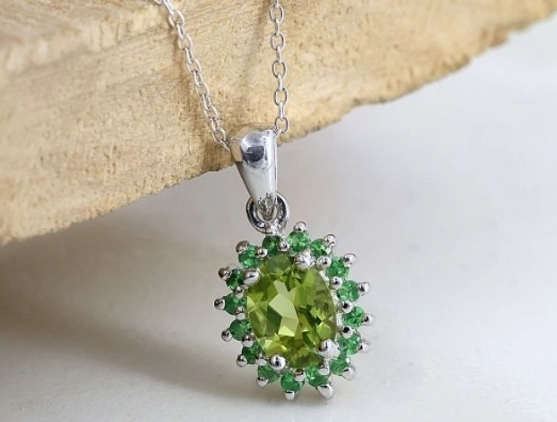
Ask anyone about February’s birthstone color, and you’ll almost always get the same answer: purple. It’s a color that dominates fashion, decor, and symbolism for the month. But to stop there is to miss the entire story. The color of February’s birthstone, amethyst, isn’t just a flat, single shade of purple. It’s a universe of meaning, history, and subtlety that directly influences its value, its energy, and how it makes you feel. Let’s move beyond the basic fact and actually understand it.
What You'll Discover Inside
What's the Real Meaning Behind Amethyst's Purple?
Purple has always been a color of contradiction. In ancient times, it was incredibly difficult and expensive to produce, making it the exclusive domain of royalty and the very wealthy. This association with power and status never really left. But amethyst’s purple carries a different weight. It wasn’t just about wealth; it was about clarity. The Greeks believed amethyst could prevent drunkenness, and medieval soldiers wore it as a protective talisman in battle. So, at its core, the color of February’s birthstone symbolizes a clear, sober mind. It’s about wisdom, dignity, and inner peace. It’s the color you reach for when the noise of the world becomes too much, and you need a mental sanctuary.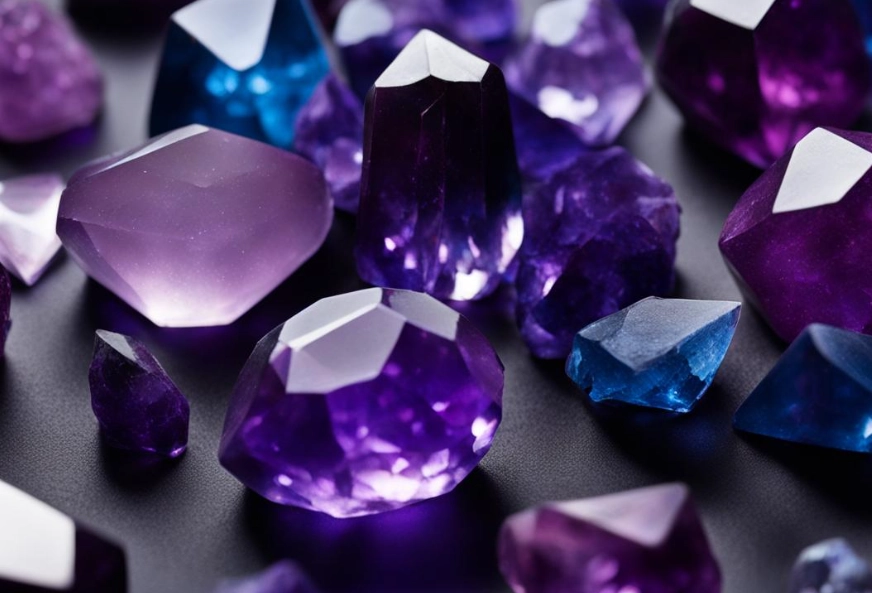
Think about that for a second. In a world saturated with marketing screaming for attention (reds, oranges), purple commands it in a different way. It doesn’t shout; it whispers. It invites introspection. This is why, when people talk about amethyst promoting “calm,” they’re often underselling it. It’s not just a passive calm; it’s an active, protective clarity. It’s the mental shield, not just the blanket.
The Amethyst Color Spectrum: From Lavender to Royal
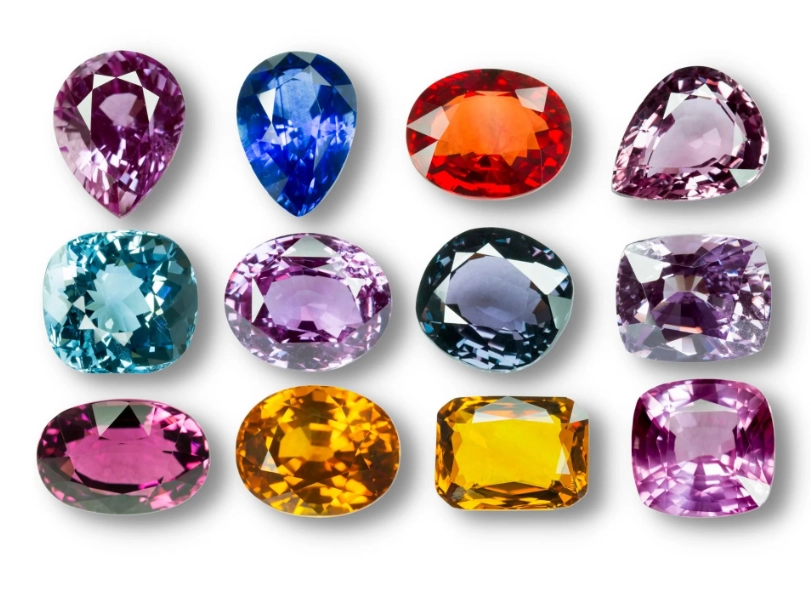
The variety of purple in amethyst is staggering, and this is where most generic articles fail. They’ll tell you it’s “purple,” full stop. But the difference between a pale, almost pinkish lavender and a deep, royal violet with red flashes isn’t just aesthetic; it’s geological. The color comes from trace amounts of iron within the quartz crystal structure. The specific shade and its distribution are what create the most desirable and valuable stones.
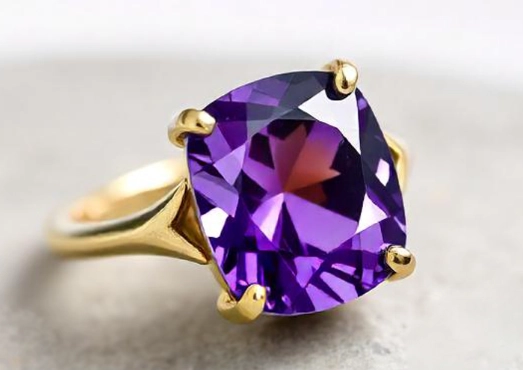
Let’s break it down with a real-world example. I remember helping a client choose an amethyst for an engagement ring. She was fixated on finding a “deep purple.” We looked at dozens of stones. Many of the “deep purple” ones in the display case, under the bright store lights, were actually a bit too dark indoors, losing their sparkle. The one she finally fell in love with wasn’t the deepest purple we saw. It was a medium violet with an incredible, almost electric, red flash that danced across the surface in certain light. That flash, that “play of color,” is what separates a good amethyst from a great one. It’s not just about the base color; it’s about the life inside.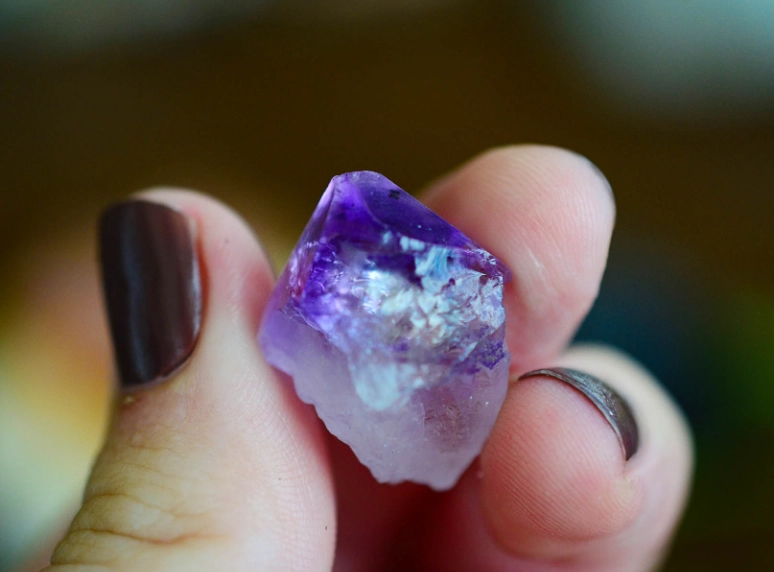
Why Color Zones Are Not Always a Bad Sign
Here’s a point that most beginners, and even some seasoned collectors, get wrong: they see a slight color zoning (a lighter or darker patch) and immediately think the stone is inferior. In many cases, especially in larger or more traditionally cut stones, some zoning is natural and expected. It can even create a unique, bi-color or “chevron” pattern that is highly prized in certain cuts, like cabochons. The key is the type of zoning. Sharp, geometric divisions between completely different colors (like purple and yellow) are a red flag. But soft, gradual shifts in tone? That’s often just the stone’s personality showing through. Rejecting a stone outright for some faint, gradual zoning might mean missing out on a larger, more vibrant piece with better overall clarity.
How Color Drives Value (and How to Spot a Fake)
So, how does this translate to your wallet? The relationship between color and value in amethyst isn’t linear; it’s exponential. A pale, washed-out lilac might be charming in a small pendant, but in a larger gem intended for a ring, it can look weak and milky. That deep, royal purple with red flashes? That’s the target. But here’s the catch: that color has to be evenly distributed. A stone with a rich, perfect color but only on one side (and dull on the other) is worth less than a stone with a slightly less intense but completely uniform color.
This is where the market gets tricky, and where I see people make a costly mistake. They go online, search for “amethyst color chart,” and find these perfectly calibrated, gemological images. They then take that chart to a local jeweler or an online auction and expect the real stone to match it exactly. It won’t. Lighting in gem photography is a controlled art. The stone in your hand, under your home’s LED lights, under the afternoon sun, under candlelight—it will show a different face in each. The chart is a guide, not a guarantee.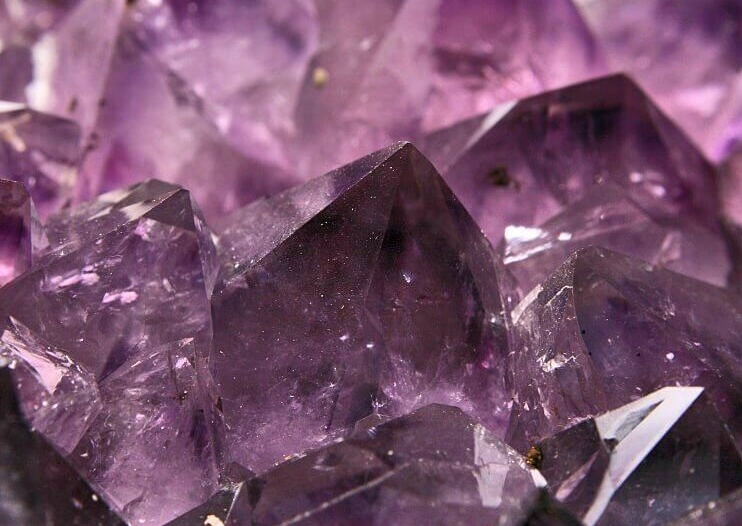
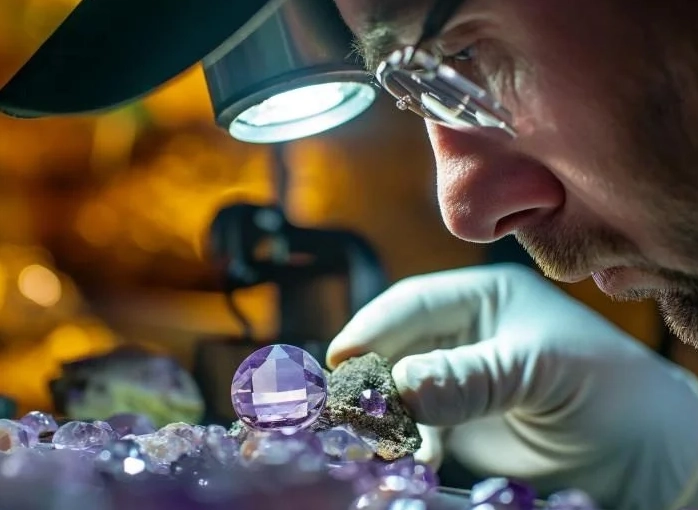
The most common fakes, or “treated” stones, are actually citrine (a yellow to brown quartz) or synthetic quartz that has been dyed purple. They often have a color that is too perfect, too uniform, and lacks any natural zoning or depth. Real amethyst color has a certain softness and depth to it. It’s not a flat, screen-like purple. It’s a color you feel you can almost fall into.
Choosing Your Perfect Purple: A Style Guide
Now, the fun part. You’ve understood the meaning, the spectrum, and the value. How do you actually wear this color? Amethyst’s purple is one of the most versatile in the gem world because it changes. It’s a chameleon. The way you style it should reflect that.
Think about your skin tone. This is the part most articles avoid because it gets personal, and they’re afraid of giving wrong advice. But I’ve seen it time and again: people get scared.
For Cool Skin Tones (Pink, Red undertones)
You’re in luck. The entire lavender to lilac range of amethyst is practically made for you. These cooler, bluish purples will complement your skin beautifully, enhancing your natural glow rather than fighting against it. They’ll look elegant, almost like an extension of yourself. A pale lavender amethyst set in white gold or platinum is a classic, safe choice that will always look sophisticated.
For Warm Skin Tones (Yellow, Peach undertones)
Here’s where you can have a lot of fun and break some rules. The warmer, reddish purples and even the deeper violets can create a stunning, high-contrast look. They add a touch of drama. Don’t shy away from them. Pair a deep violet amethyst with yellow gold. The warmth of the gold will harmonize with your skin tone, and the contrast with the stone’s color will be dynamic and modern, not harsh. Rose gold is another fantastic option that can bridge the gap beautifully.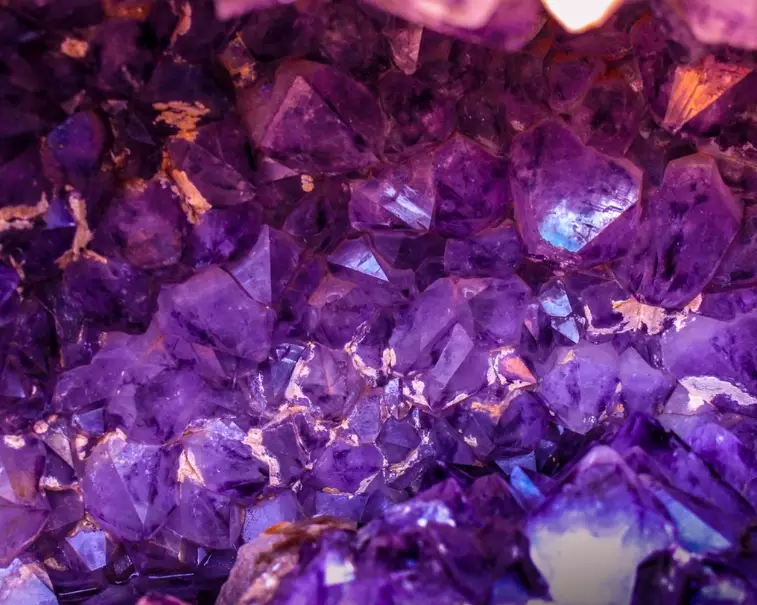
And what about neutral skin tones? You can wear anything. Literally. The world is your oyster. Use this as an opportunity to experiment with color psychology. Want to feel more calm and centered during a stressful work period? Choose a softer lavender. Want to project confidence and authority in a presentation? Go for the royal purple with red flashes. Your choice of metal (silver, gold, rose gold) then becomes less about skin tone and more about the feeling you want the piece to evoke.
Let’s talk about setting and wardrobe. A lot of people think you have to match purple with purple. That’s a quick way to look dated. Instead, think of amethyst as a neutralizer. A rich purple amethyst ring looks incredible against a crisp white shirt (classic), a soft grey sweater (modern), or even a black turtleneck (edgy). It elevates basic colors. The color of your amethyst should also dictate its setting style. A pale, delicate lavender might get lost in a complex, vintage-inspired setting with a lot of yellow gold. It would sing in a simple, modern bezel setting. A deep, powerful violet can hold its own in a more ornate, vintage design.
What About the Color of Other February Stones?
This is a fantastic question, and it highlights a common misconception. Amethyst is the primary, modern birthstone for February. But historically, there were others. The most notable alternative is bloodstone (also known as heliotrope), which is a dark green jasper with red spots. The color symbolism here couldn’t be more different. Green for growth, renewal, and red for blood, life force, courage. It represents a grounding, protective energy. So, if purple feels too… ethereal for you, or you simply want an alternative, bloodstone offers a completely different, and much more grounded, color meaning.
There’s also a lesser-known alternative: chrysoprase, a green variety of chalcedony. Green for balance, harmony, and the heart. Choosing between amethyst and bloodstone isn’t just about which color you like better; it’s about which energy you feel you need more in your life right now. Do you need clarity and peace (amethyst), or strength and protection (bloodstone)?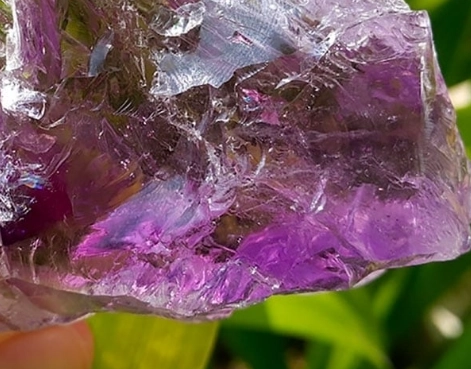
How to Photograph Amethyst Color Accurately for Selling Online
If you’re looking to sell an amethyst piece online, the single biggest mistake you can make is to photograph it under a single, harsh light source. This flattens the color and kills any of that subtle internal fire (the red flashes). Instead, you need to create a mini studio. Natural, diffused daylight is always best. A cloudy day near a window is perfect. If you must use artificial light, use two sources: one main light and a softer fill light to eliminate harsh shadows. Show the stone in multiple environments: in your hand, against a neutral background (like a white sheet), and even against your skin to show scale. The color needs to tell a story, not just be a flat swatch.
Can You Change or Enhance an Amethyst's Color?
This is a controversial topic, but one that needs addressing. Heat treatment is commonly applied to lower quality, pale amethyst or even citrine to produce a more desirable, richer purple color. This is a stable and permanent treatment that is widely accepted in the trade. However, it should always be disclosed by the seller. The treated stone is still a “real” amethyst in terms of its mineral composition, but its color is not entirely natural. For most buyers, especially for larger or investment pieces, I generally recommend seeking out an untreated stone. The value and the personal connection to a completely natural stone are often worth the premium. For smaller, fashion-oriented pieces, heat-treated stones are a perfectly acceptable and more affordable option.
The Final Word on February Birthstone Color
Ultimately, the color of February’s birthstone is a deeply personal choice. It’s not just about picking a purple; it’s about picking your purple. The one that makes you stop, look twice, and feel something. Maybe it’s the lavender that reminds you of a peaceful spring morning. Maybe it’s the deep violet that feels like a secret you’re carrying. Trust that feeling. Let the color of the stone resonate with you, not just match your outfit. After all, this is a piece of the Earth you’re wearing. Let it ground you, inspire you, and remind you of the quiet strength it symbolizes. That’s the real power of February’s birthstone color.