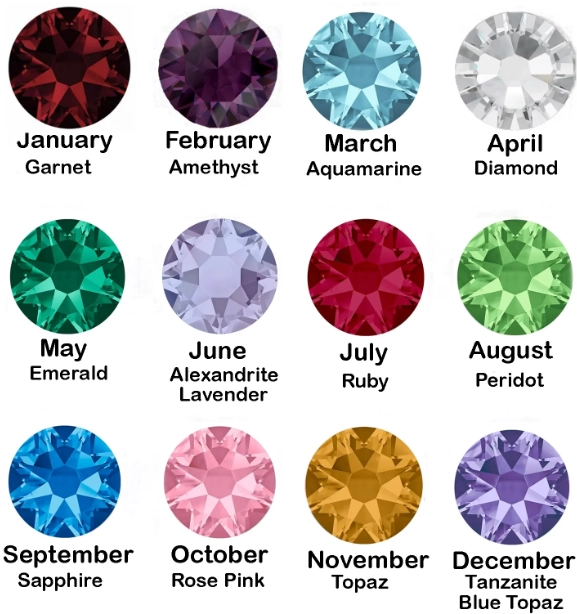
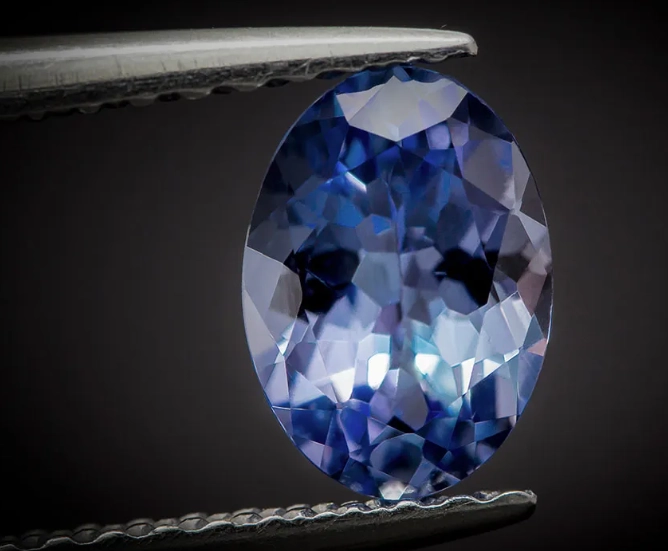
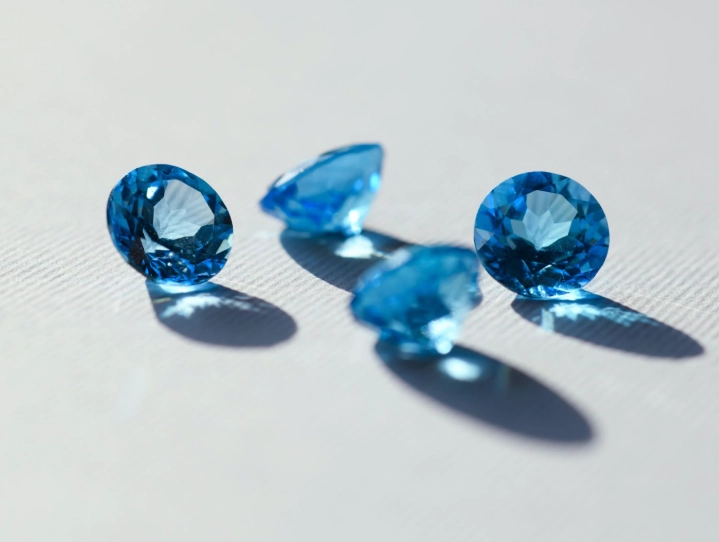
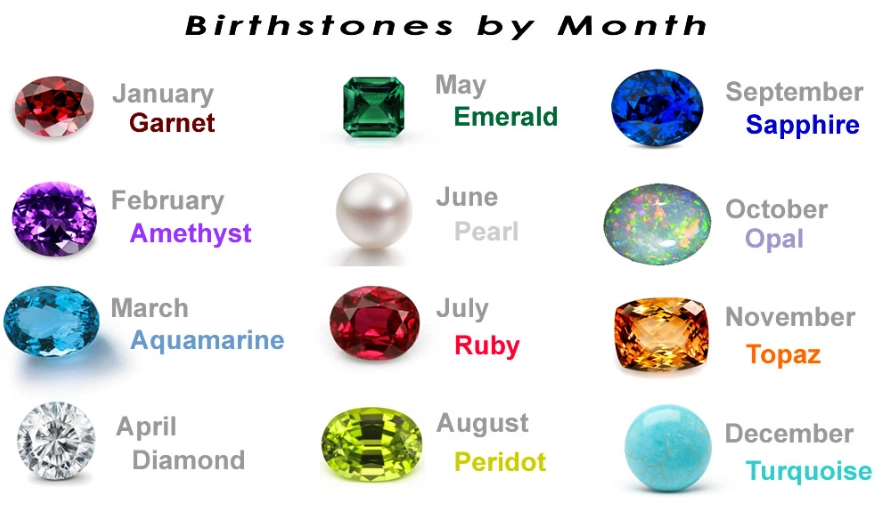
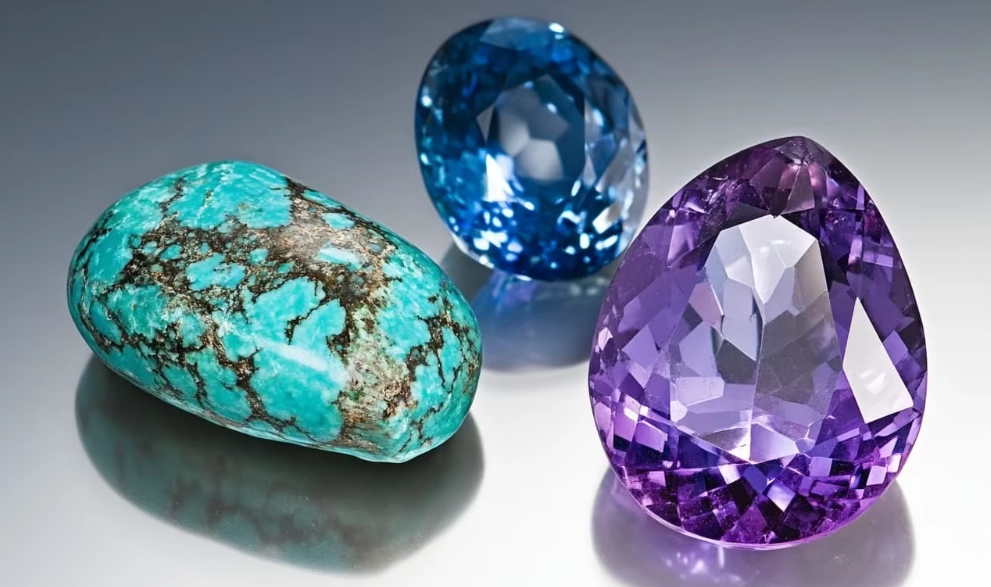
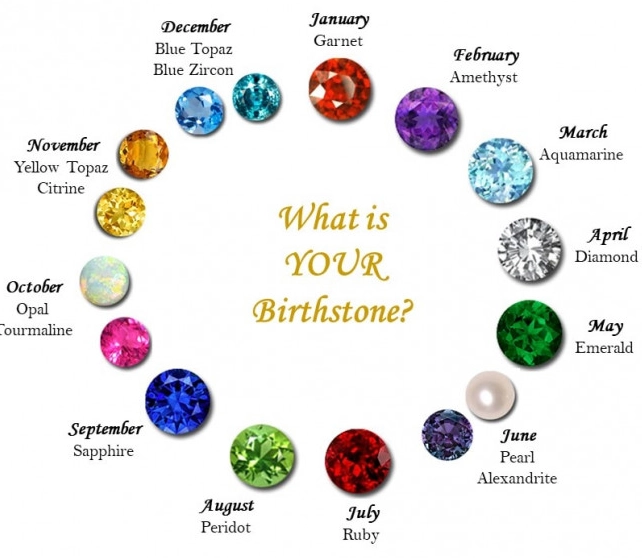
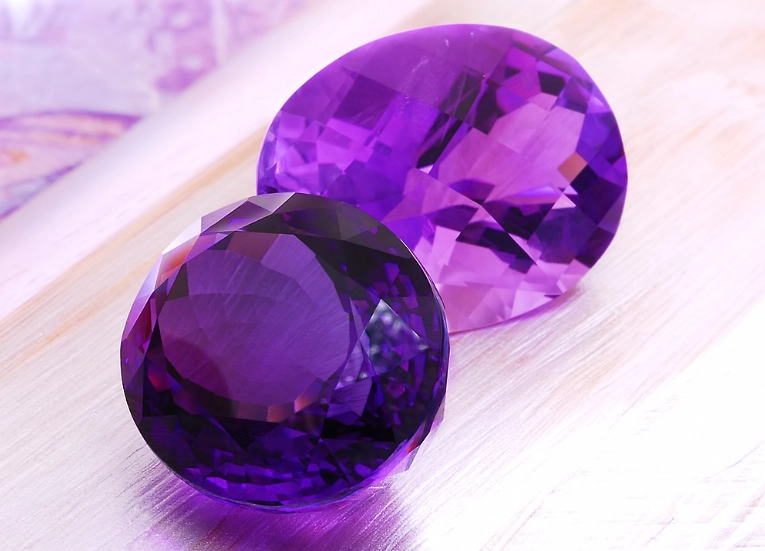
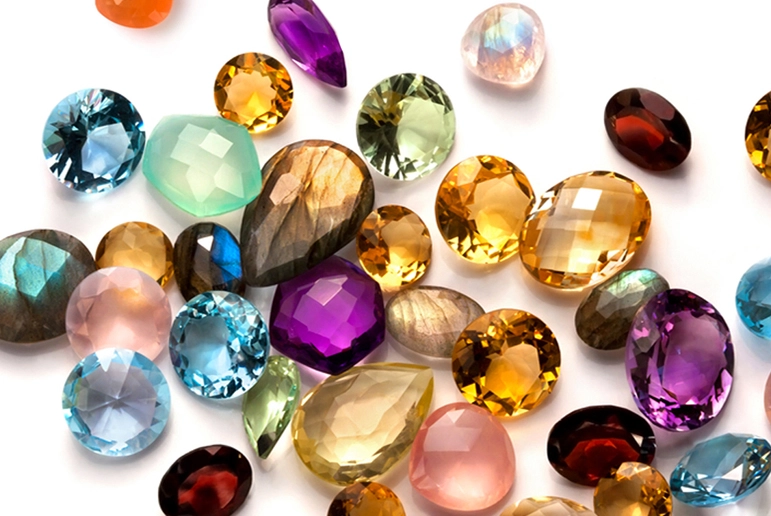
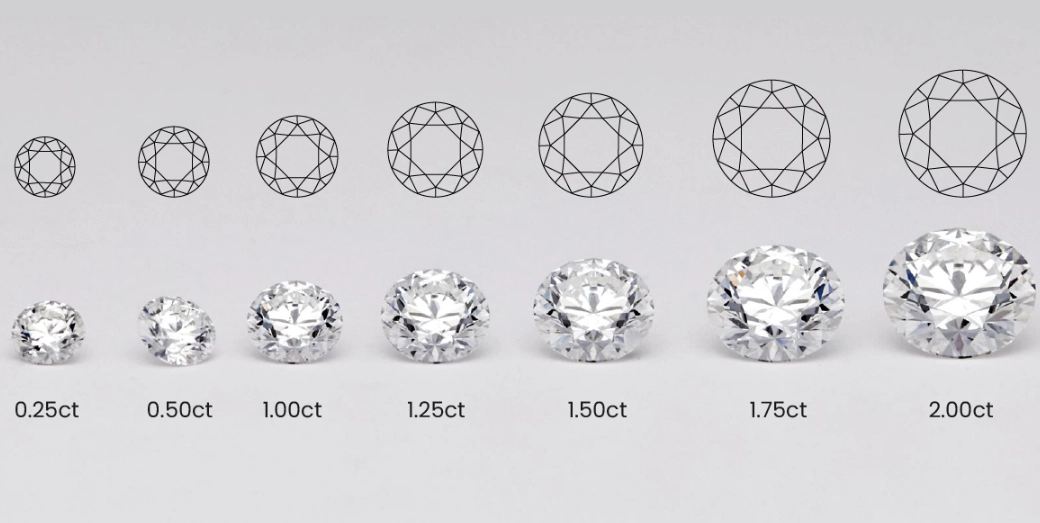
If you were born in February, you hit the birthstone jackpot. You don't have just one gem to call your own—you have two. The regal, violet amethyst and the chameleon-like, violet-blue iolite. Most people know amethyst. Far fewer know iolite. And almost no one knows why February gets two, or how to choose between them. That's what we're fixing today.
I've been collecting and writing about gems for over a decade. The story of February's stones isn't just about a list; it's about ancient lore meeting modern gemology, and about having real choices. Let's get past the basic fact sheet and into what actually matters if you're buying, wearing, or gifting one of these beauties.
What You'll Discover
Amethyst: More Than Just a Purple Quartz
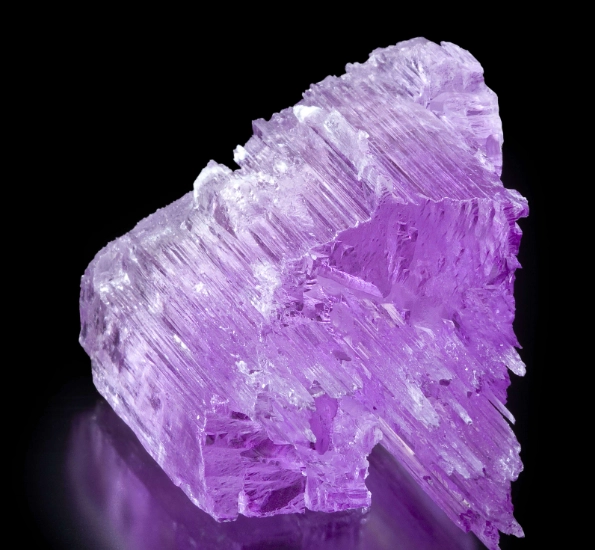
Amethyst is quartz. That's the boring scientific fact. The fascinating part is how a dash of iron and a bit of natural radiation turn common quartz into this majestic purple gem. For centuries, it was as valuable as ruby or emerald, reserved for royalty and clergy. Then, in the 19th century, massive deposits were found in Brazil, making it accessible to everyone. Some purists bemoan this, but I love it—it means more people can enjoy its beauty.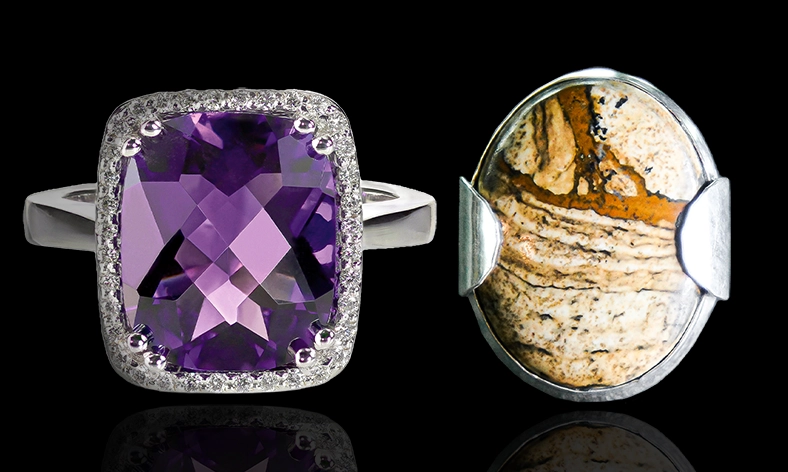
The color range is key. It goes from a pale, almost pinkish "Rose de France" to a deep, saturated "Siberian" purple with flashes of red and blue. The deepest colors are often called "Ultra Siberian" in the trade. Here's a tip most blogs miss: that coveted deep purple can fade in direct, prolonged sunlight. It's not instant, but if you leave an amethyst ring on a sunny windowsill for months, you might notice it lighten. Store it in a box.
Where is the best amethyst from? Old sources like Siberia (Russia) and Idar-Oberstein (Germany) set the standard for color, but today's major sources are Zambia, Brazil, and Uruguay. Zambian amethyst tends to have that desirable deep, slightly reddish purple. You'll pay a small premium for it.
Iolite: The Viking's Compass Gem
Now, let's talk about the underdog: iolite. Its name comes from the Greek ios, meaning violet. But its coolest nickname is "Viking's Compass." Legend has it that Norse navigators used thin slices of iolite as polarizing filters to locate the sun on cloudy days, thanks to its extreme pleochroism.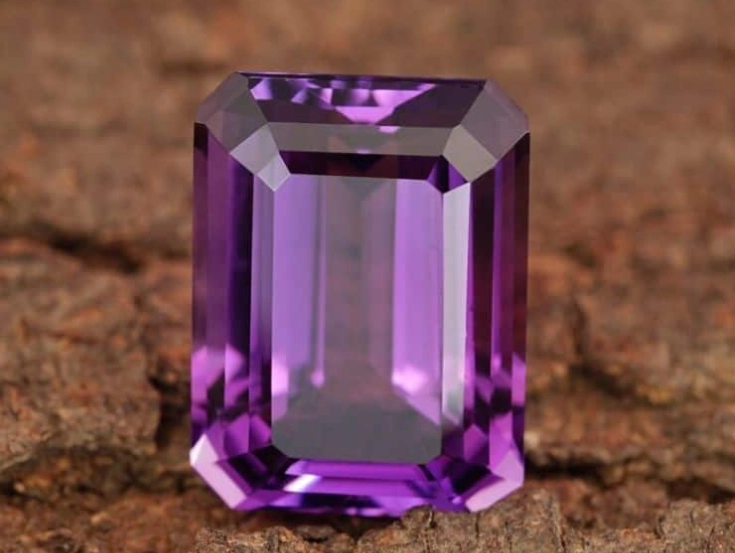
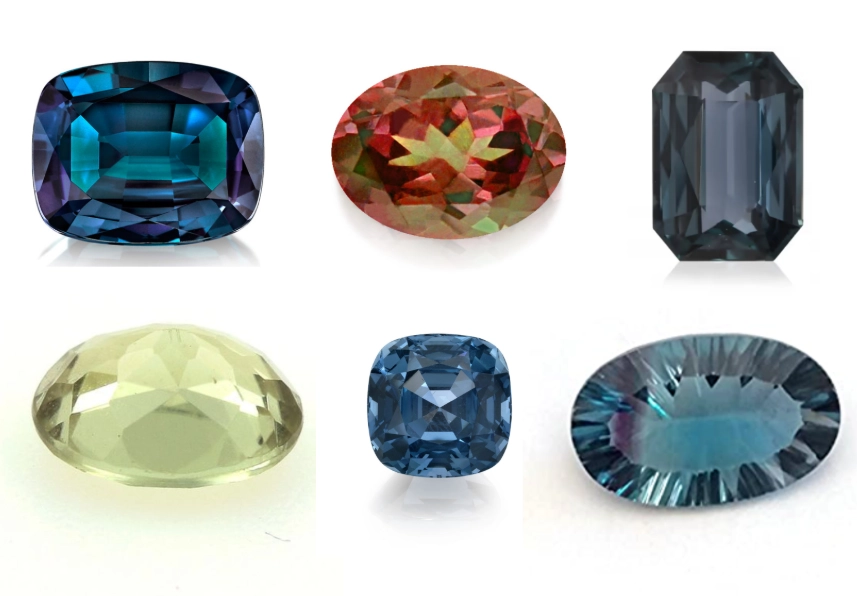
Pleochroism is iolite's party trick. It shows dramatically different colors from different angles. Hold it one way, it's a violet-blue. Tilt it, and it can shift to a grayish-yellow or a nearly colorless hue. This makes cutting iolite a high-stakes game. A bad cut can leave you with a mostly dull-looking stone. A master cutter orients the gem to maximize that beautiful blue-violet face-up.
Iolite is more than just pretty. It's a relatively hard gem (7 to 7.5 on the Mohs scale), making it decent for rings, though I'd be more careful with it than with a sapphire. Its major source is India, specifically the Orissa region, but it's also found in Sri Lanka, Mozambique, and Madagascar.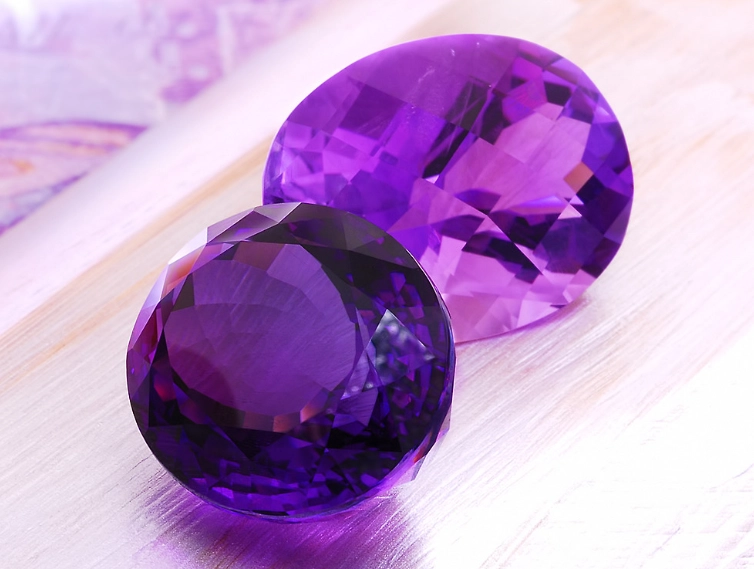
The biggest mistake people make with iolite? Expecting it to look like sapphire. It doesn't. Its color is softer, more subtle, and infinitely more variable. Think of a twilight sky, not a midday blue.
Amethyst vs. Iolite: Picking Your February Signature
So, you're a February baby or buying for one. Which stone is the right call? It's not about which is "better." It's about which fits your life, style, and budget.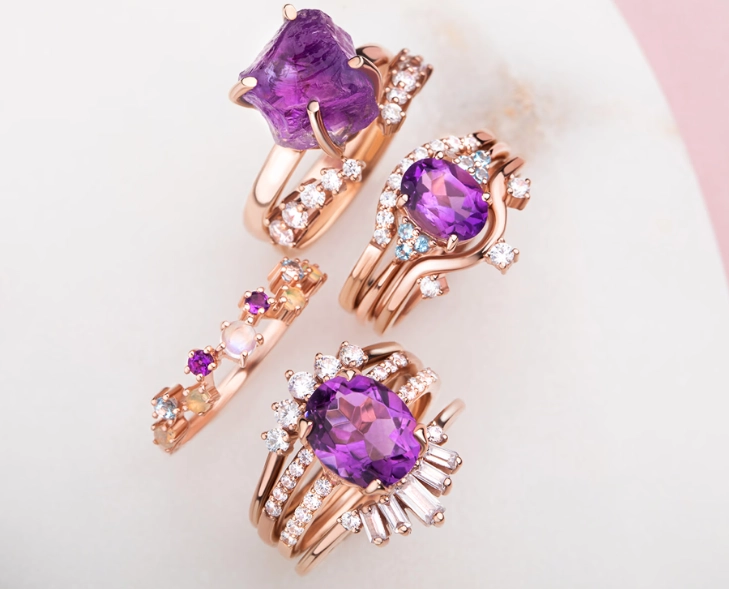
| Consideration | Amethyst | Iolite |
|---|---|---|
| Typical Color | Light to deep violet, sometimes with red/blue flashes. | Violet-blue to blue-gray, with strong color shifts (pleochroism). |
| Durability (Mohs) | 7. Good for earrings, pendants. Rings are okay for occasional wear. | 7-7.5. Similar to amethyst. Can be worn daily with care, but prongs help. |
| Price Point (1ct, good quality) | $20 - $150. Very accessible. Deep "Siberian" color costs more. | $50 - $200. Generally more per-carat than amethyst, but still affordable. |
| Uniqueness Factor | Classic, widely recognized. You'll see it everywhere. | Conversation starter. Most people won't know what it is. |
| Best For... | Traditionalists, lovers of bold color, statement pieces, budget-conscious buyers. | Modernists, those who love subtlety and mystery, "something different" seekers. |
| Care Warning | Can fade in strong, prolonged sunlight. Avoid harsh chemicals. | Pleochroism means cuts matter immensely. Inspect from multiple angles before buying. |
My personal take? If you want a stone that pops and feels timeless, go amethyst. If you want a stone that whispers and reveals its secrets slowly, go iolite. For an engagement or right-hand ring where you want durability above all, I'd lean towards a different gem family (like corundum). But for pendants, earrings, or cocktail rings, both are fantastic.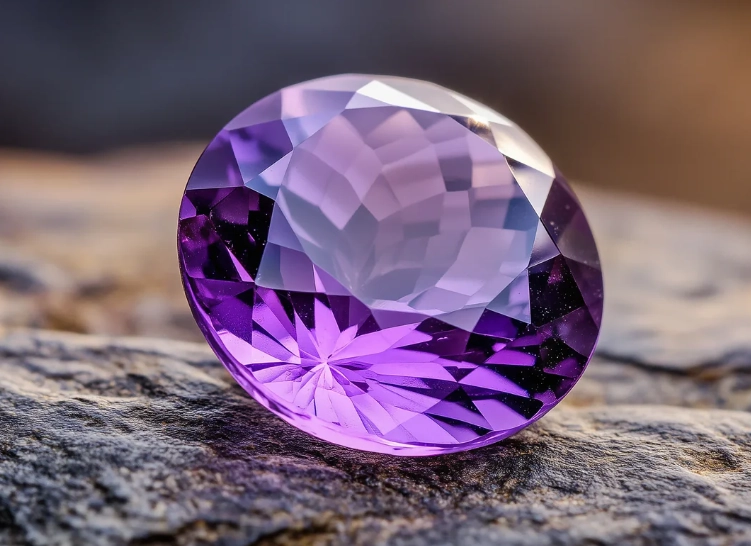
How to Buy February Birthstones Like a Pro
Walking into a store or browsing online? Keep these pointers in your pocket.
Evaluating Amethyst: Look Beyond the Purple
First, check for color zoning. Hold the stone against a white background. Is the color uneven, with lighter and darker patches? Some zoning is natural, but you want it to look pleasing, not like a mistake. Second, clarity. Amethyst is typically "eye-clean," meaning no visible inclusions to the naked eye. If you see obvious cracks or black spots, the value drops. Third, cut. A good cut should bounce light around evenly. A bad cut can create "windows"—see-through areas where light leaks out.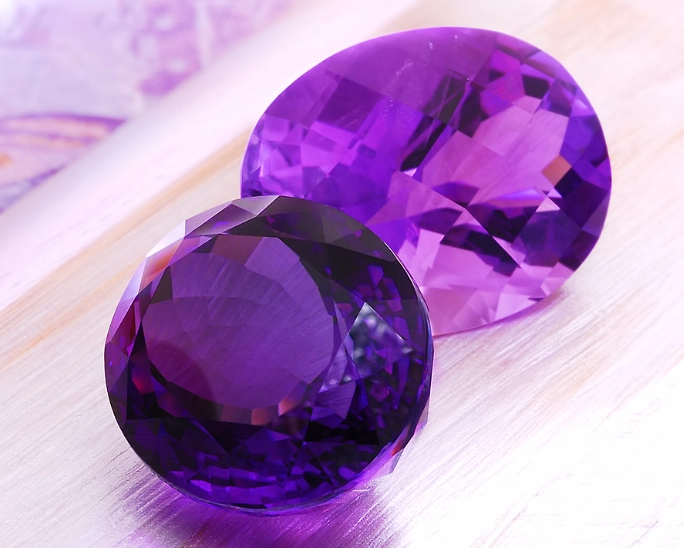
Evaluating Iolite: The Tilt Test is Everything
Never, ever buy an iolite without seeing it move. Ask the seller to tilt it under a light. You're looking for that vibrant blue-violet face-up view. If it looks mostly gray or yellowish from the top, the cut is poorly oriented. Also, iolite often has visible inclusions—tiny thread-like crystals or feathers. This is generally accepted and can even add character, as long as they don't compromise durability.
Setting and Metal Choices
Amethyst's purple sings against white metals like white gold or platinum. It creates a crisp, modern look. With yellow gold, it takes on a warmer, more vintage feel. Iolite, with its cooler blue tones, is stunning in white metals and pairs unexpectedly well with rustic yellow gold or even rose gold for a unique contrast.
For both stones, consider a bezel or halo setting for a ring. It protects the girdle (the thin edge) from chipping. A reputable source like the Gemological Institute of America (GIA) website is invaluable for unbiased gem education.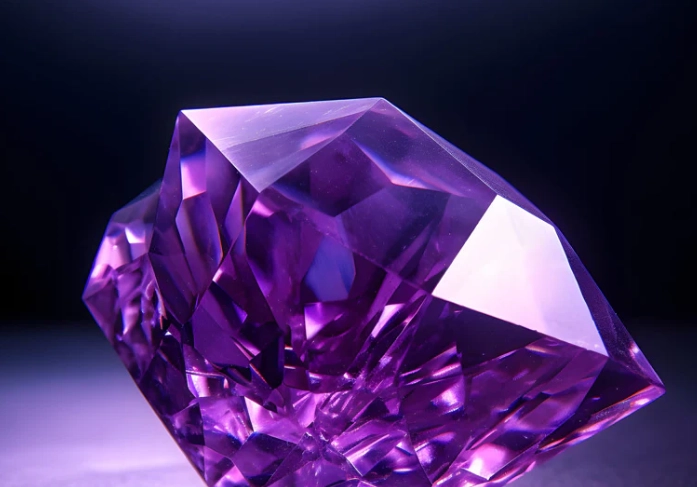
Your February Birthstone Questions Answered
So there you have it. February's gift is choice. The timeless, radiant warmth of amethyst, or the subtle, shifting mystery of iolite. One isn't a backup for the other; they're two distinct personalities from the same color family. Whether you're drawn to tradition or intrigue, there's a February stone that's uniquely yours. The next step is to go see them in person. Tilt that iolite. Hold that amethyst up to the light. Your eyes will tell you which one to bring home.