Amethyst is everywhere. It's the poster child for calming crystals, recommended for sleep, stress, and spiritual connection. But here's the thing nobody in the crystal shop usually tells you: amethyst isn't a one-size-fits-all stone. For some people, wearing it can be ineffective at best, and counterproductive or even risky at worst. This isn't about superstition; it's about understanding the intersection of energy, physiology, and personal circumstance. If you've ever felt oddly drained or agitated while wearing that beautiful purple pendant, you're not imagining it. Let's cut through the fluffy advice and talk about the real contraindications.
What You’ll Learn in This Guide
Physical & Medical Reasons: When Amethyst Clashes with Your Body
The idea that a stone could physically interact with our body seems far-fetched to some. But if you approach it from a holistic or vibrational medicine perspective—or even consider the power of belief and the placebo/nocebo effect—the conversation becomes more practical. Certain conditions warrant extra caution.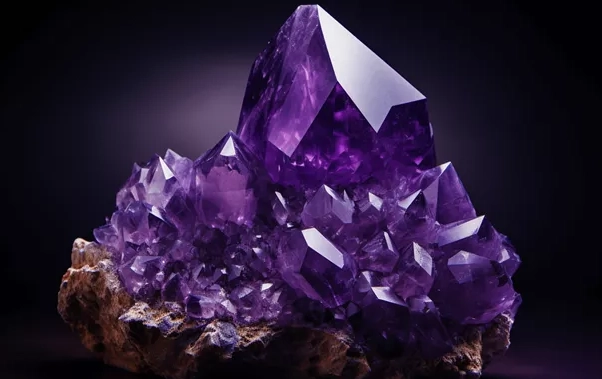
1. Neurological and Seizure Disorders
This is the most critical, non-negotiable point. If you have epilepsy or any condition involving seizures, wearing amethyst jewelry can be a physical safety hazard. Think about it: a hard, often pointed stone set in a ring or pendant. During a fall or convulsion, that stone can cut, bruise, or cause impact injuries. It's a simple risk assessment.
Beyond the physical, some seasoned practitioners in energy work suggest that amethyst’s intense focus on the crown and third eye chakras might overstimulate an already sensitive neurological system for a subset of individuals. The data isn't clinical, but the anecdotal advice is consistent enough from experts to note. Safer alternative? Keep it in your room, not on your person.
2. Low Blood Pressure (Hypotension) and Sedative Medications
Amethyst is famed for its calming, sedative qualities. It's touted to lower stress and, by energetic proxy, “bring energy down.” Now, imagine you have naturally low blood pressure. Or you're on medication for anxiety, insomnia, or hypertension that already has a calming or lowering effect. Layering amethyst’s purported influence on top of that might amplify the sensation of lethargy, dizziness, or excessive sedation.
I recall a client who took a mild beta-blocker for performance anxiety. She wore a large amethyst bracelet to her presentations hoping for extra calm. Instead, she reported feeling “foggy” and disconnected, almost too relaxed to be sharp. When she switched to a different stone (like a light citrine for confident focus), the fogginess lifted. It was a clear interaction between her physiology, her medication, and the stone's traditional association.
Energetic & Personal Compatibility: It's Not You, It's the Vibration
This is where crystal work gets personal. Two people can have the same medical profile and react completely differently to amethyst. Why? Energetic makeup and current life needs.
The "Over-Stimulated" Personality Type
Conventional wisdom says amethyst calms. But what if you're someone whose mind is already racing, spiritually seeking, or prone to anxiety with a strong psychic bent? For these people, amethyst can sometimes act like a megaphone to the crown chakra. Instead of calming, it amplifies the internal noise, leading to more vivid (and sometimes disturbing) dreams, a feeling of being “ungrounded” or spaced out, and even heightened anxiety.
It’s a classic case of “too much of a good thing.” If you're naturally a dreamer, dissociative, or struggle to stay present, amethyst might exacerbate that. You need grounding stones like hematite or smoky quartz first, to build a foundation, before inviting in high-vibration stones like amethyst.
Life Phase and Intent Contradiction
Are you in a phase of life requiring intense action, salesmanship, or physical exertion? Amethyst’s energy is receptive, introspective, and passive. Wearing it during a big job interview for a competitive sales role, or before a major athletic event, might subtly work against your goal of peak performance and outward drive. It's like listening to a meditation track when you need a pump-up anthem. The stone's energy profile, as understood in metaphysical traditions, might conflict with your immediate need for dynamic, projective energy.
| If This Is Your Current Need or State... | Amethyst Might Be A Mismatch Because... | Consider Instead... |
|---|---|---|
| Needing motivation & physical energy | Its energy is calming/sedative, not energizing | Carnelian, Red Jasper |
| Requiring strong grounding & stability | It connects to higher chakras, can promote "spaciness" | Black Tourmaline, Hematite, Smoky Quartz |
| Focus on manifesting material goals (money, career) | It's more spiritual/introspective than practical/manifestive | Citrine, Pyrite, Green Aventurine |
| You feel depressed, lethargic, low | Its deep calm might deepen low-energy states | Sunstone, Yellow Jasper, clear Quartz |
Practical Scenarios and How to Navigate Them
Let's get specific. Beyond broad categories, when in daily life should you maybe take that amethyst ring off?
During Medical Procedures or Hospital Stays
Many hospitals have policies against wearing jewelry during procedures for safety (MRI compatibility, infection control). But even beyond policy, the sterile, high-stress environment of a hospital operates on a very specific, clinical frequency. The intense spiritual-purification energy of amethyst might create a dissonant field, potentially interfering with your rest or the intended effects of medical treatments from an energetic standpoint. It sounds esoteric, but many energy workers advise leaving significant crystals at home during hospital visits, opting for a small stone in a bag if needed.
For Young Children
Kids are energetically porous and sensitive. A small tumbled amethyst under a pillow can work wonders for nightmares. But wearing it as jewelry poses a choking hazard for small kids, and for some sensitive children, its strong energy can be overwhelming, leading to restlessness or emotional volatility. Always supervise, use it for short periods, and observe their reaction closely.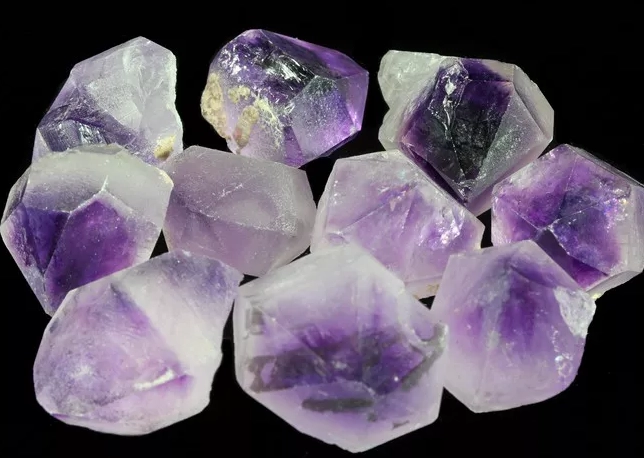
If You're in Grief or Deep Emotional Shock
This is a controversial take, but hear me out. Amethyst is a purifier and a connector to the spiritual. In the immediate, raw aftermath of a loss, its energy might feel too “high” or demanding, pushing for spiritual acceptance when the heart needs to fully feel the human grief. A stone like rose quartz (unconditional love) or howlite (calm patience) might offer more gentle, heart-centered support initially. Amethyst can be introduced later for healing and connection.
The bottom line isn't to fear amethyst. It's a magnificent stone. The goal is intelligent, personalized use. Your body and intuition are the ultimate guides. If a stone—any stone—consistently makes you feel “off,” listen. That’s the most authentic crystal wisdom there is.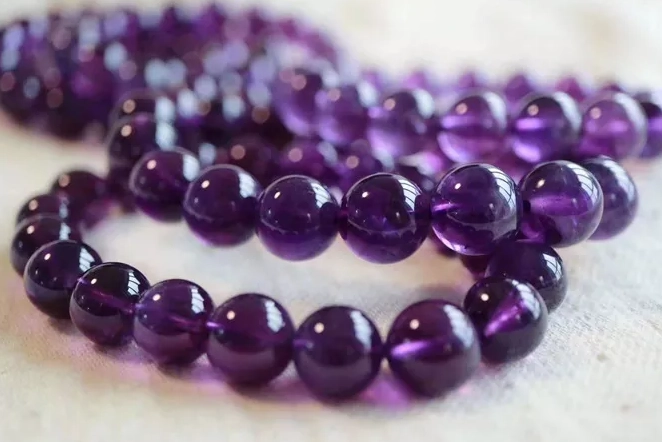
Your Amethyst Questions, Answered
Can wearing amethyst interfere with my blood pressure medication?
Potentially, yes. Amethyst is traditionally associated with calming and lowering energy. If you are on medication for hypotension (low blood pressure), the stone's purported sedative effect might amplify the medication's action, leading to dizziness or excessive lethargy. It's a subtle interaction often missed in basic guides. The key is monitoring how you feel. If you notice unusual fatigue or lightheadedness while wearing it, consider removing it and consulting your doctor about your complementary practices.
I have epilepsy. Is it true I should avoid amethyst jewelry?
This is a critical and often-overlooked point in crystal lore. The primary concern isn't mystical; it's physical safety. Amethyst, especially in rings, bracelets, or pendants with prong settings, poses a risk of injury during a seizure. A hard stone can cut or bruise you if you fall or convulse. Furthermore, the deep purple color and intense energy some associate with the crown chakra could, for a small subset of sensitive individuals, be overstimulating. The safest advice is to avoid wearing it on the body. Placing it in your environment, like on a nightstand, is a far safer alternative to explore its calming benefits.
How do I know if amethyst's energy is wrong for me personally?
Forget vague "bad vibes." Look for tangible, repeatable physical or emotional cues. Do you consistently feel drained, irritable, or scattered after wearing it for an hour, even when you started the day fine? Does it disrupt your sleep pattern when placed nearby, contrary to its sleep-aid reputation? I've seen clients who, seeking calm, became paradoxically anxious with amethyst—it was too "high-vibration" for their already overactive mind. Your body's feedback is more reliable than any book. Try a 3-day on/off test: note your energy, mood, and sleep with and without the stone. The difference tells you everything.
My child wants an amethyst necklace. Is it safe?
Safety first. Avoid necklaces or small, bead-sized amethyst on young children due to choking hazards. For older kids, a small tumbled stone in a pocket or a bracelet with securely knotted cords (not elastic) is safer. Energetically, children are often more sensitive. Watch for changes in their behavior or sleep. Some kids find its energy wonderfully soothing, while others might become overly dreamy or detached. It's less about a hard "cannot" and more about careful, observant introduction. Start with short periods and see how they respond.