I’ll never forget the first time I held a top-tier Colombian emerald. The color wasn’t just green—it was a living, breathing hue that seemed to pull light from the room. But as a gemologist with over a decade in the trade, I’ve also seen plenty of duds marketed as “premium May birthstones.” Let’s cut through the noise. Emerald color is everything for this birthstone, and getting it right means understanding more than just basic charts.
Skip to What Matters
What Emerald Color Really Means (Beyond Just Green)
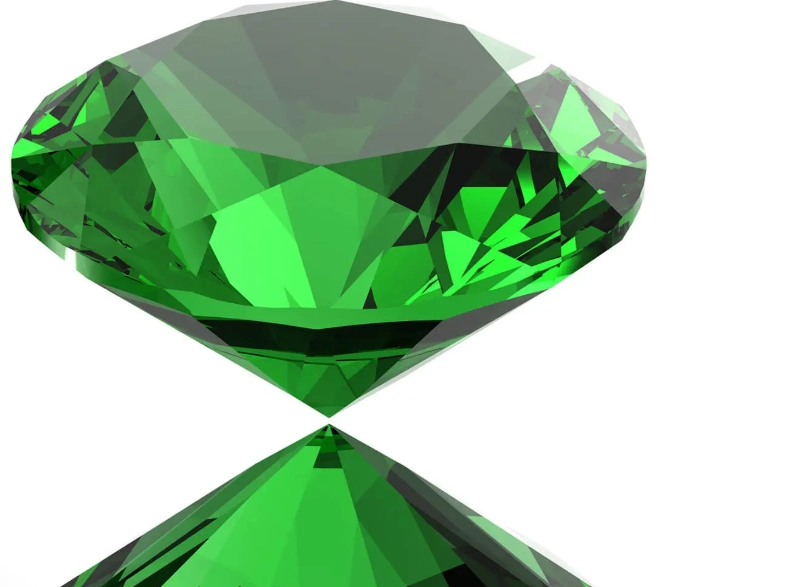
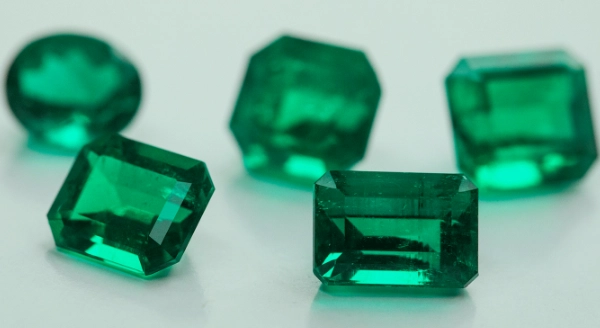
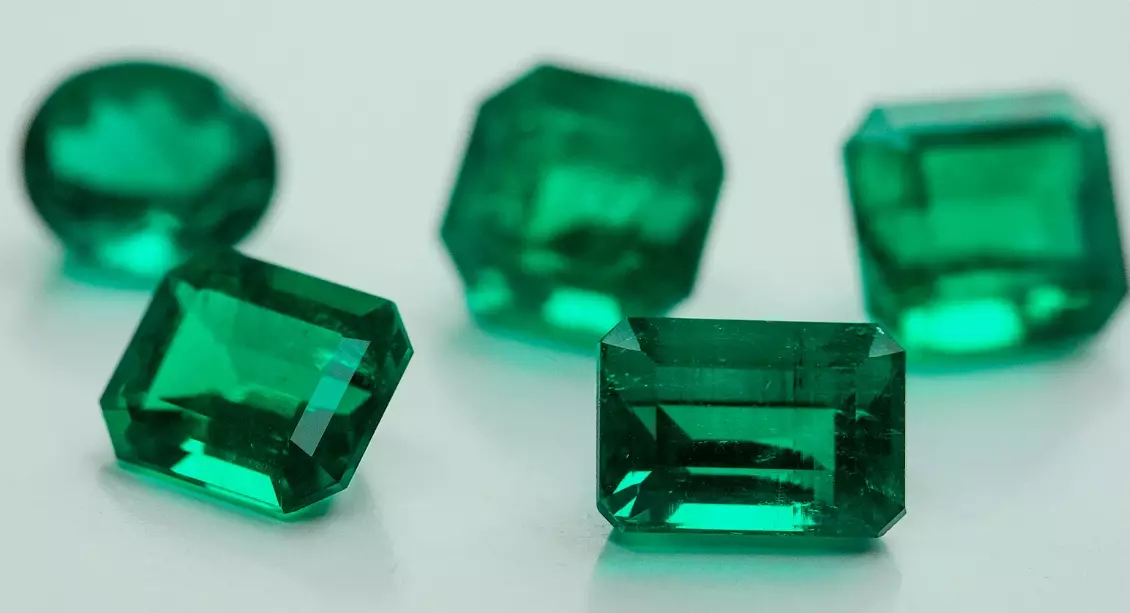
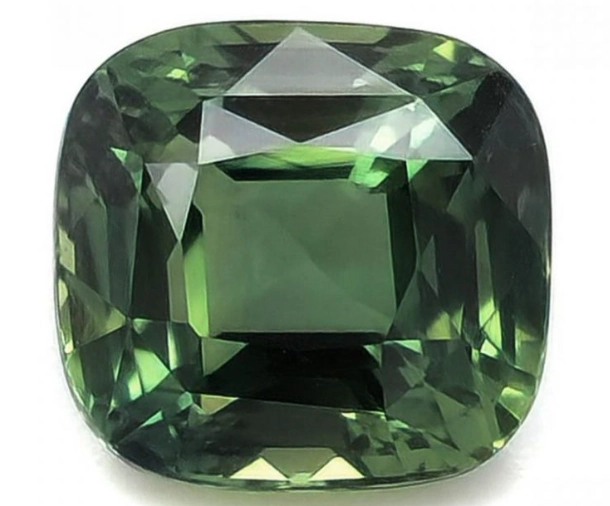
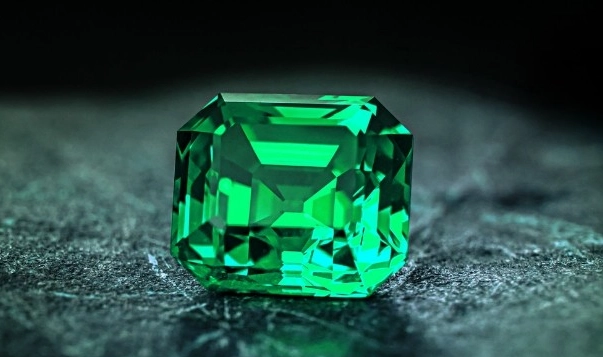
When people say “emerald color,” they’re usually picturing a rich green. But in the gem world, it’s a mix of hue, tone, and saturation. Hue is the base color—true emeralds are green, but they can lean blue or yellow. Tone is how light or dark it is. Saturation is the intensity. The ideal May birthstone emerald color? A vivid, medium-dark green with a touch of blue. Think fresh spring leaves after rain, not neon or murky.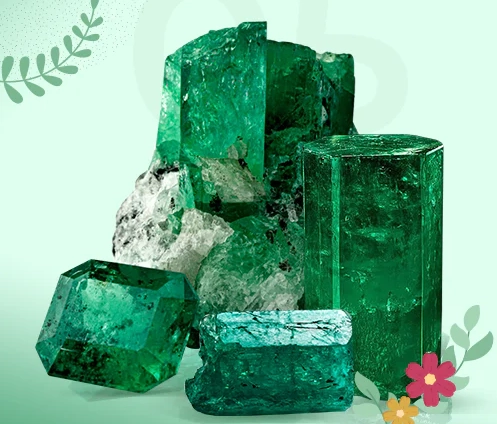
Here’s where most guides drop the ball. They don’t mention that color perception changes with light. An emerald that looks stunning in store lighting might go flat in sunlight. I learned this the hard way when I bought a piece that looked perfect under LEDs but turned dull outdoors. Always check color in multiple lights—daylight, indoor, even smartphone flash.
Origin plays a role too. Colombian emeralds often have that coveted bluish-green, while Zambian ones are deeper and cooler. But don’t get hung up on geography. I’ve seen Brazilian stones with amazing color at half the price. The Gemological Institute of America (GIA) notes that color quality trumps origin for value.
Pro tip: If you’re shopping online, ask for videos shot in natural light. Static images lie, especially with emeralds.
How Emerald Color Grading Works: The Insider View
Grading emerald color isn’t just about slapping a label like “fine” or “good.” It’s a nuanced process that even some jewelers mess up. Most labs, like GIA, use a system comparing stones to master sets. But here’s the kicker—many commercial certificates inflate grades to boost sales. I once evaluated an emerald labeled “vivid green” that was barely medium saturation.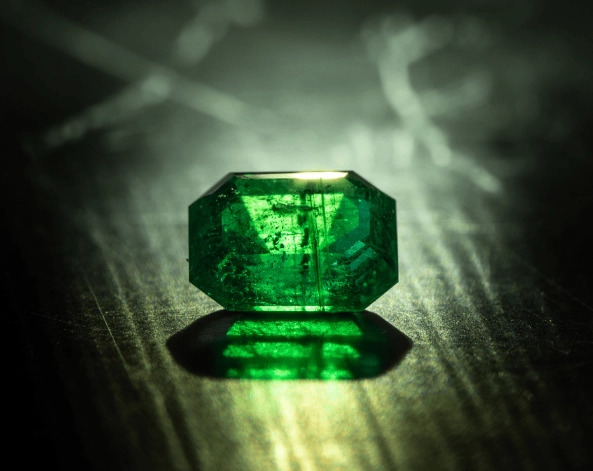
The Grading Scale Deconstructed
Forget the fancy terms. In practice, emerald color falls into a few buckets:
- Top-tier: Vivid, even color with no zoning. These are rare and pricey—often over $10,000 per carat for untreated ones. They’re what you see in high-end auctions.
- Mid-range: Good saturation with minor variations. This is where smart buys happen. A stone might have a slight yellowish tint but still sparkle beautifully.
- Lower-end: Pale or dark with visible patches. Common in mass-market jewelry, but can still be pretty if set well.
Color zoning—where the green isn’t uniform—is a big deal. Some zones might be lighter, affecting value. But I’ve found that slight zoning can add character if it’s symmetrical. Don’t dismiss a stone just for it; ask a gemologist to point it out.
References to GIA’s color grading reports are essential here. They provide objective metrics, but you need to interpret them. A report might say “green with slight blue,” but your eye should confirm it.
Choosing Your Emerald: Color Tips That Save Money
Picking an emerald based on color isn’t just about aesthetics—it’s about value for money. Let’s say you have a budget of $3,000. You could go for a smaller stone with excellent color or a larger one with mediocre hue. I’d lean toward the smaller, better-colored piece every time. Color impact fades with size if the hue is weak.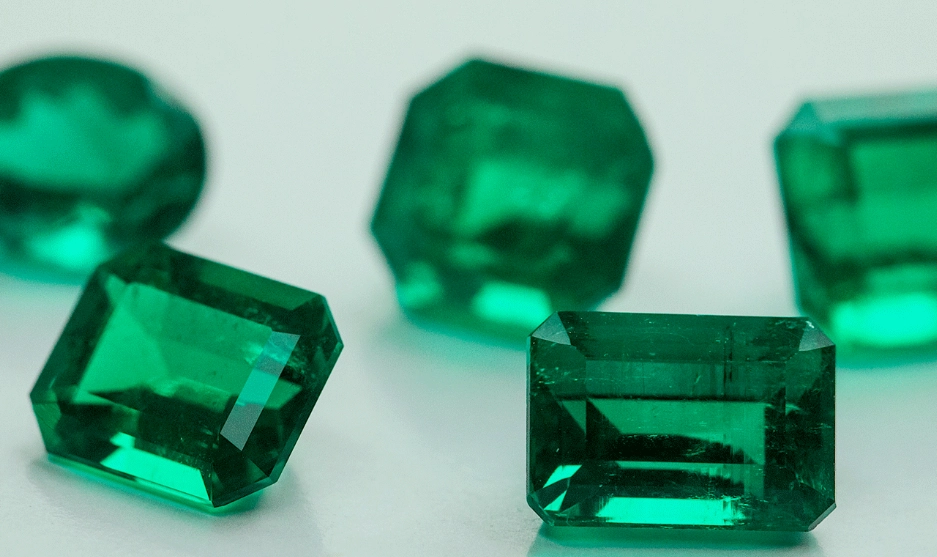
Consider the setting. Yellow gold enhances warmer, yellowish greens, while white metal makes bluish greens pop. For a May birthstone ring meant for daily wear, a slightly darker tone hides scratches better. I advised a friend to choose a Zambian emerald for her engagement ring—the deeper color has held up for years without looking worn.
Another thing: treatments. Most emeralds are oil-treated to improve color clarity. It’s standard, but ask about it. Oiled stones need more care, as the treatment can degrade. If you want longevity, look for “minor oil” or untreated stones, though they’re rarer.
Here’s a quick checklist I use when selecting:
- View under daylight and indoor light.
- Check for color consistency—no sudden dark spots.
- Ask for a gem report (GIA or AGL preferred).
- Compare with other stones side-by-side.
- Trust your gut—if the color doesn’t speak to you, skip it.
Common Color Mistakes Even Experts Make
We all mess up. Early in my career, I overvalued a Colombian emerald because of its origin, ignoring its patchy color. Big mistake. Here are pitfalls to avoid:
Mistake 1: Chasing perfection. Emeralds are inclusion-rich by nature. If you find one with flawless color and no inclusions, it’s likely synthetic or heavily treated. Accept minor flaws—they prove it’s real.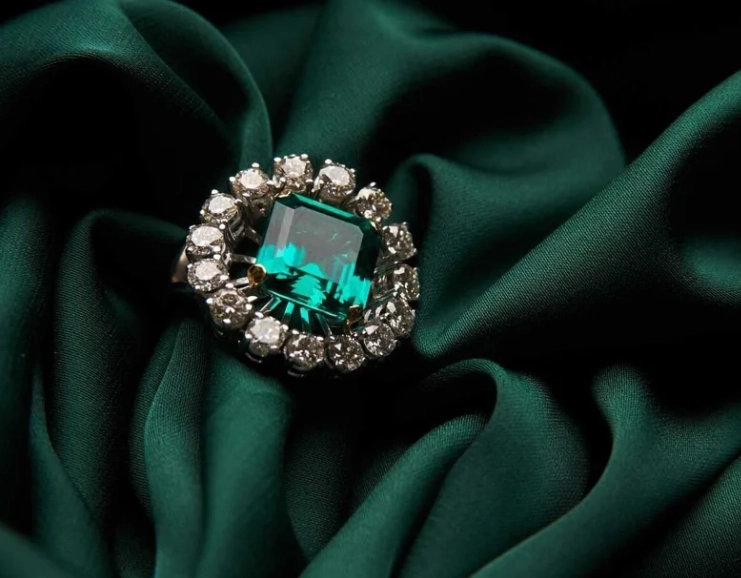
Mistake 2: Ignoring lighting. Stores use warm lights to make colors look richer. Always step outside or use a neutral LED torch. I carry a small flashlight for this.
Mistake 3: Focusing only on hue. Tone and saturation matter more for daily wear. A light-toned emerald might look washed out in a ring, while a dark one can appear black in low light.
Personal story: A client once bought an emerald online based on a glowing review. When it arrived, the color was nothing like the photo—too blue, almost turquoise. Turns out, it was a lower-grade stone digitally enhanced. Always buy from reputable sellers with return policies.
Caring for Emerald Color: Do’s and Don’ts
Emerald color isn’t static. It can degrade if mishandled. The oil treatments I mentioned? They can leak out or react with chemicals, causing the stone to look paler. I’ve seen emeralds lose their vibrancy after exposure to perfume or cleaning products.
Cleaning is straightforward but critical. Use lukewarm water with a drop of mild soap, soft brush, and pat dry. Never use ultrasonic cleaners—they can fracture the stone and leach oils. Steam cleaning is a no-go too.
Storage matters. Keep emeralds away from heat and sunlight. A fabric-lined box is better than a plastic pouch. For daily rings, consider a protective setting that covers the edges.
If color seems to fade, it might be the oil drying. A jeweler can re-oil it, but that’s a temporary fix. Better to invest in a stone with good natural color from the start.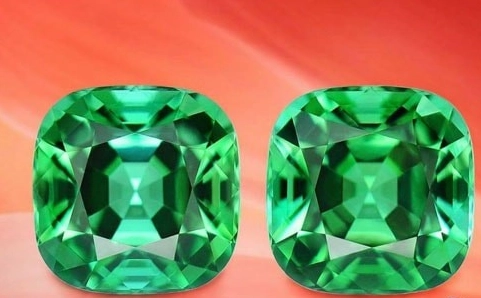
Your Emerald Color Questions Answered
Wrapping up, emerald color for the May birthstone is a blend of art and science. Trust your eyes, do your homework, and don’t rush. Whether it’s a ring, necklace, or keepsake, the right color tells a story—make yours a good one.