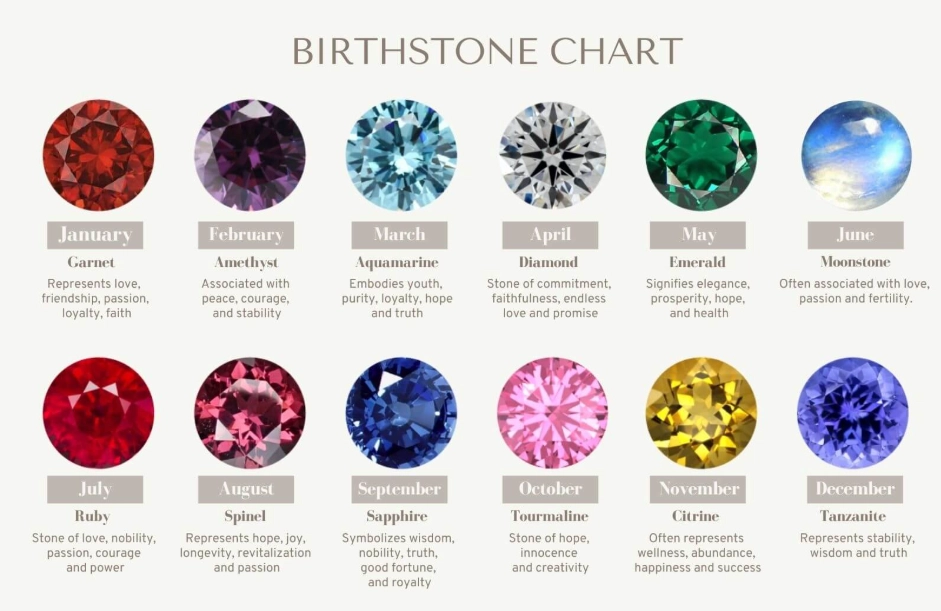
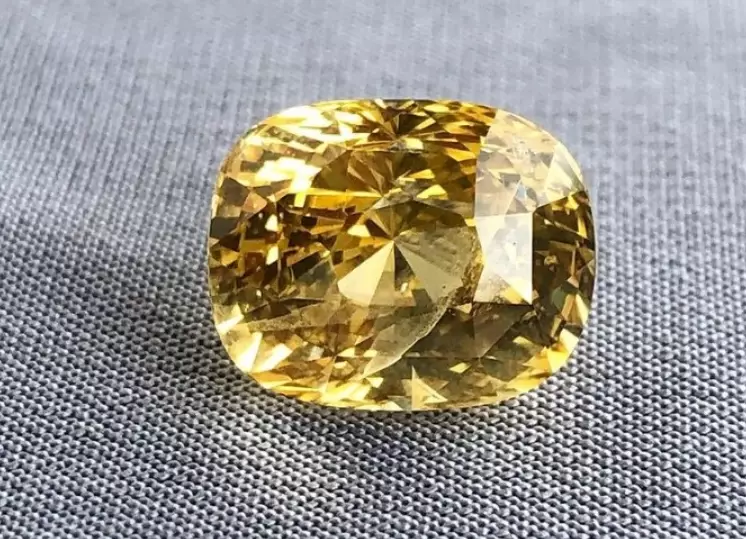
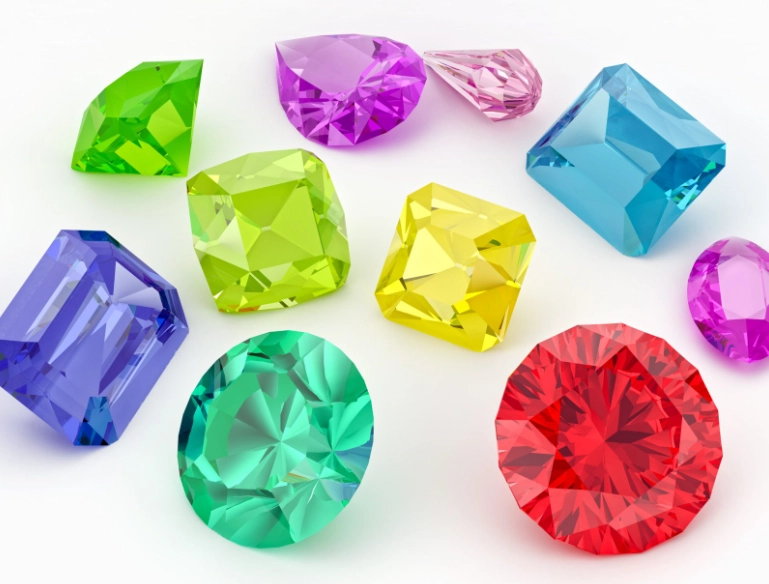
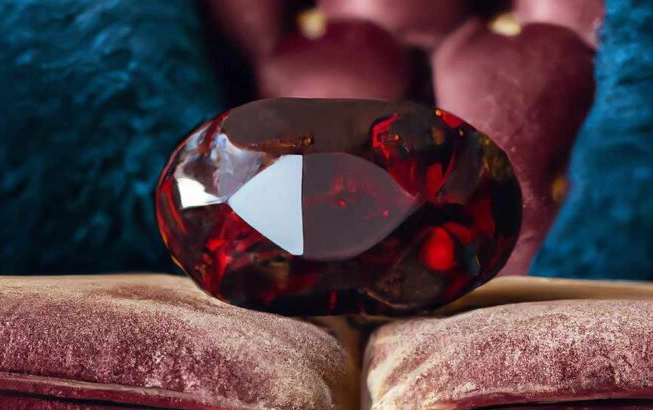
If you're born in May, you're lucky. You don't get just one birthstone, you get two stunning options: the regal emerald and the captivating agate. It's like having a choice between a classic luxury sedan and a rugged, artistic SUV. Both will get you where you need to go, but the experience is completely different.
Most articles just list their colors and meanings. That's not enough. After years of talking to jewelers and collectors, I've seen too many people buy the wrong piece because they didn't understand the real-world differences. One friend wore her emerald ring gardening, only to find a chip later. Another thought her bright blue agate was a rare find, not realizing it was commonly dyed.
This guide cuts through the fluff. We'll dive into what makes each stone unique, how to pick one that fits your life (and budget), and the insider tips most sellers won't volunteer.
What's Inside This Guide?
Let's start with a quick snapshot. This table isn't just data—it shows why your choice matters.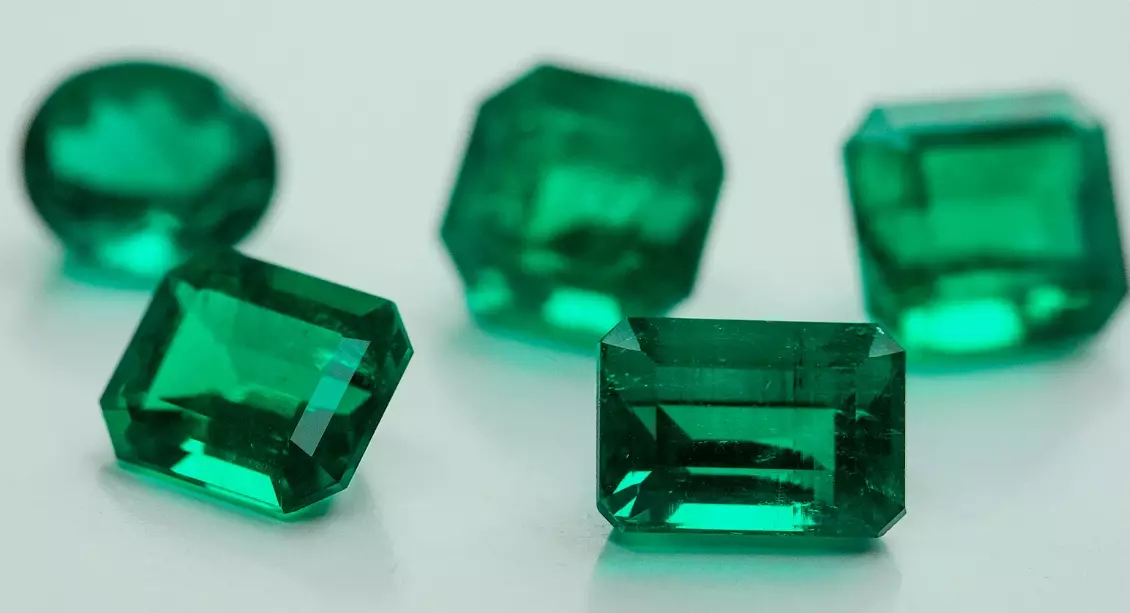
| Feature | Emerald | Agate |
|---|---|---|
| Type | Precious Gemstone (Beryl) | Semi-Precious Gemstone (Chalcedony/Quartz) |
| Key Trait | Vivid Green Color (from Chromium/Vanadium) | Banded Patterns & Massive Color Variety |
| Hardness (Mohs) | 7.5 - 8 (More Brittle) | 6.5 - 7 (Tougher) |
| Typical Clarity | Almost Always Included (“Jardin”) | Usually Eye-Clean to Translucent |
| Price Point | High to Very High | Low to Moderate |
| Best For | Heirloom, Special Occasion Jewelry | Everyday Wear, Statement Pieces, Carvings |
Emerald: The Stone of Kings
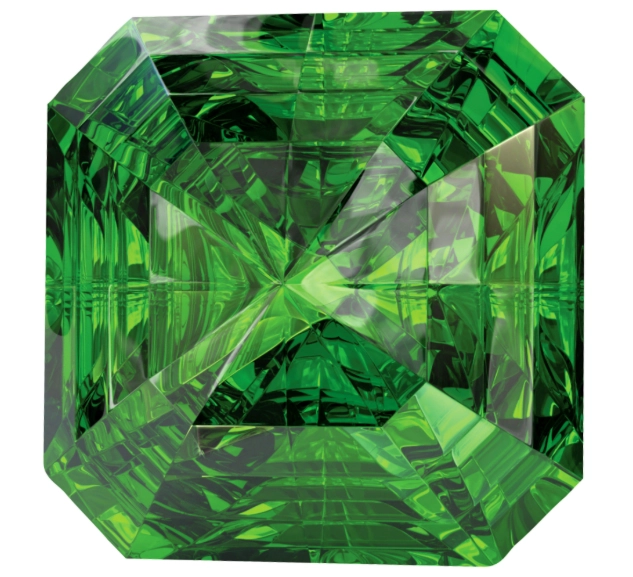
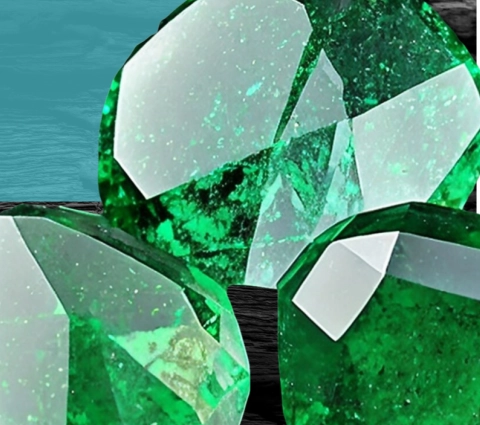
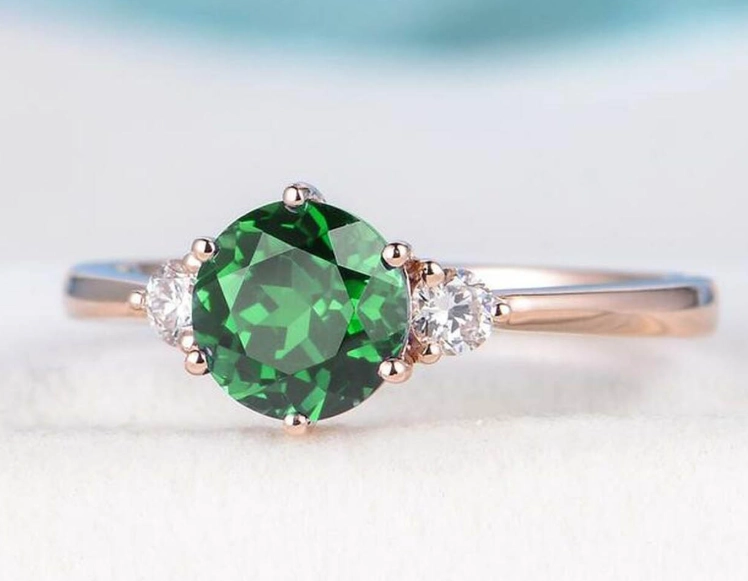
That rich green isn't just a color; it's history. Cleopatra coveted Egyptian emeralds. Spanish conquistadors plundered South American mines. Today, the finest stones still come from Colombia, but Zambia and Brazil produce stunning gems too.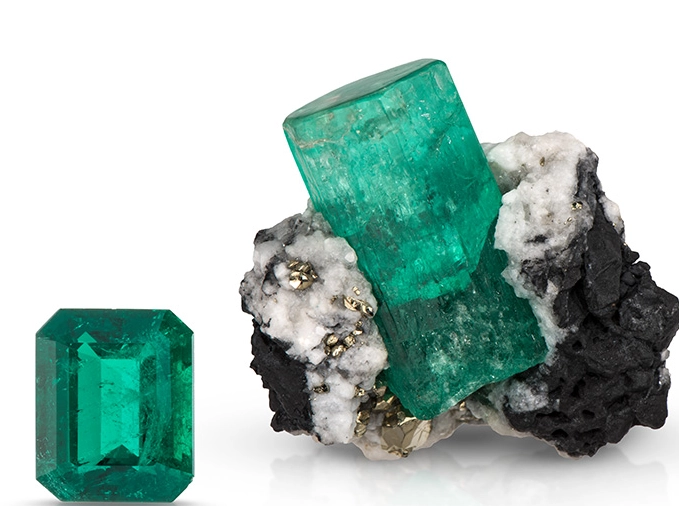
The color is everything. Gemologists at the Gemological Institute of America (GIA) grade emeralds on hue, tone, and saturation. The dream is a vivid, slightly bluish-green with medium-dark tone. Too yellow? It might be a green beryl, not a true emerald. Too dark? It loses brilliance.
The Inevitable “Jardin” and the Oil Question
Here's the first non-consensus point: flawless emeralds are a myth. The inclusions, called “jardin” (French for garden), are expected. They're like fingerprints. The problem isn't their existence, but their type. Surface-reaching fractures are a durability red flag.
Which leads to oil. Over 95% of emeralds are clarity-enhanced with oils or resins to minimize the appearance of fractures. This is standard, accepted practice. The key is disclosure.
Buying an Emerald: Look Beyond the Sparkle
You're not buying a diamond. Don't expect fiery brilliance. Emeralds have a velvety, deep glow. When shopping:
Prioritize color over clarity. A slightly included vibrant green stone is worth more than a clean, dull one.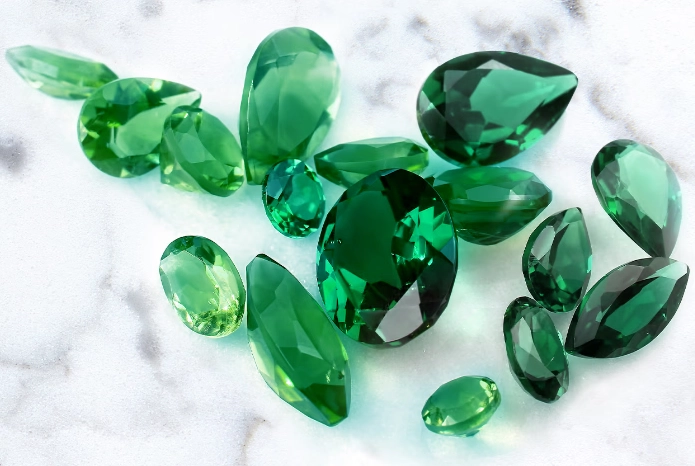
Examine the cut. The classic “emerald cut” (rectangle with stepped facets) isn't just for style. It protects the vulnerable corners. A skilled cutter orients the stone to maximize color, even if it means less carat weight.
Demand a setting that protects. Bezels or halo settings are your friends. Prong settings on a ring are asking for trouble.
Care is non-negotiable. No ultrasonic cleaners. No steam. No harsh chemicals. Warm soapy water and a soft brush are it. Store it separately to prevent scratches.
Agate: The Earth's Canvas
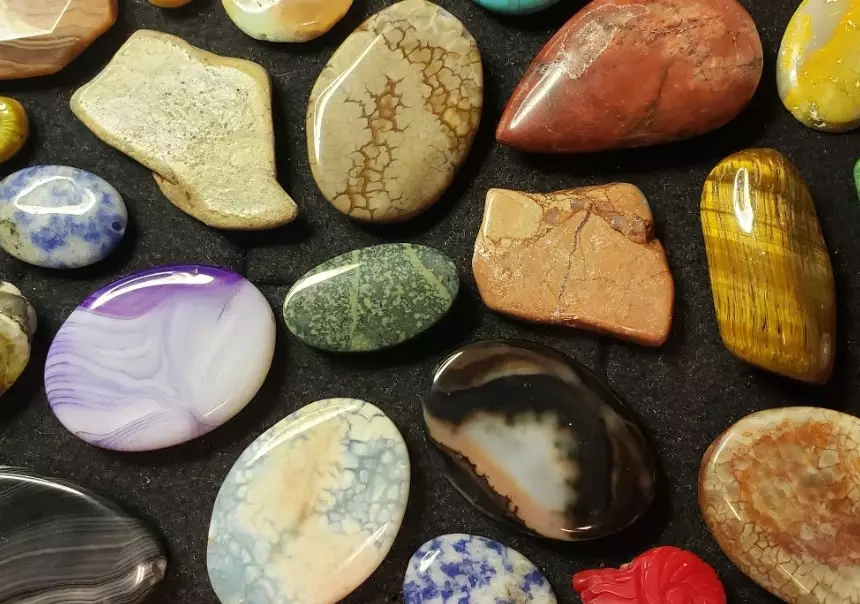
If emerald is a soloist, agate is the entire orchestra. It's a banded form of chalcedony, and its variety is staggering. From the fortress-like bands of Botswana agate to the mossy landscapes of Moss Agate, each piece tells a geological story.
Its hardness (6.5-7) makes it deceptively durable for daily wear—much more so than emerald. This is why you find it in everything from ancient cameos to modern men's bracelets.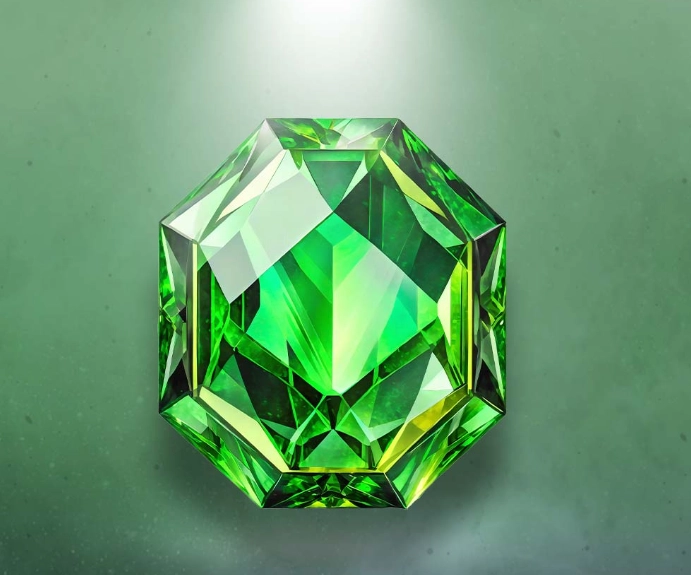
The Dyed vs. Natural Debate
This is the agate buyer's biggest crossroads. Vibrant blues, hot pinks, neon greens—these are almost always dyed. The dye permeates the porous bands, creating striking, affordable art.
There's nothing inherently wrong with dyed agate if you like the look and the price reflects it. The issue is paying a natural price for a dyed stone.
Natural agate colors are more subtle: milky whites, grays, browns, soft yellows, and the prized reds and oranges from iron oxides (like in Carnelian, a type of agate). A piece of natural, vividly banded Laguna or Brazilian agate has a quiet, earthy elegance that dyed stones can't replicate.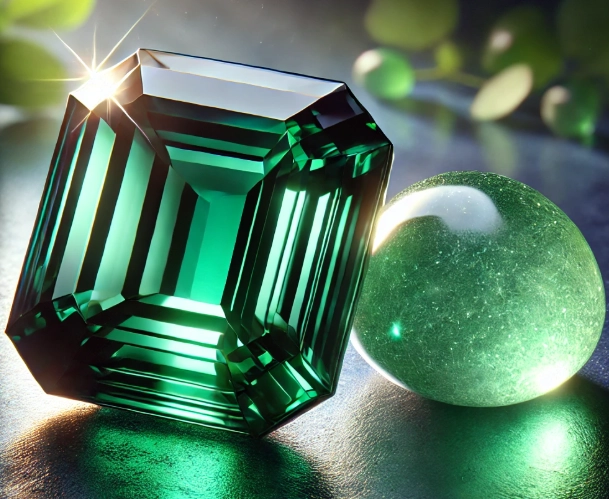
Choosing and Using Agate
Agate is the playground for jewelry designers. Look for:
Bold, statement pieces: Large cabochon rings, pendant necklaces where the banding is the star.
Functional art: Bookends, coasters, knife handles. Its stability is perfect for this.
Matched sets: Agate's consistency allows for beautiful matched pairs of earrings or stone-inlaid bracelets.
Care is simple: it's safe for most cleaners, but to preserve polish, stick to mild soap and water. Avoid extreme temperature changes, as with most stones.
How to Choose Your May Birthstone
So, emerald or agate? It's not about which is “better.” It's about which is better for you.
Choose Emerald if: You want an investment-grade heirloom. You're drawn to deep, historic symbolism (love, rebirth). You'll wear it sparingly and cherish it as a centerpiece. Your budget allows for a significant purchase.
Choose Agate if: You want to wear your birthstone daily. You love color, patterns, and artistic variety. You prefer bold, contemporary styles. You're working with a modest budget but still want a genuine, beautiful gem.
You can also have both. A classic emerald pendant for milestones and a stack of agate bracelets for everyday. That's the beauty of May.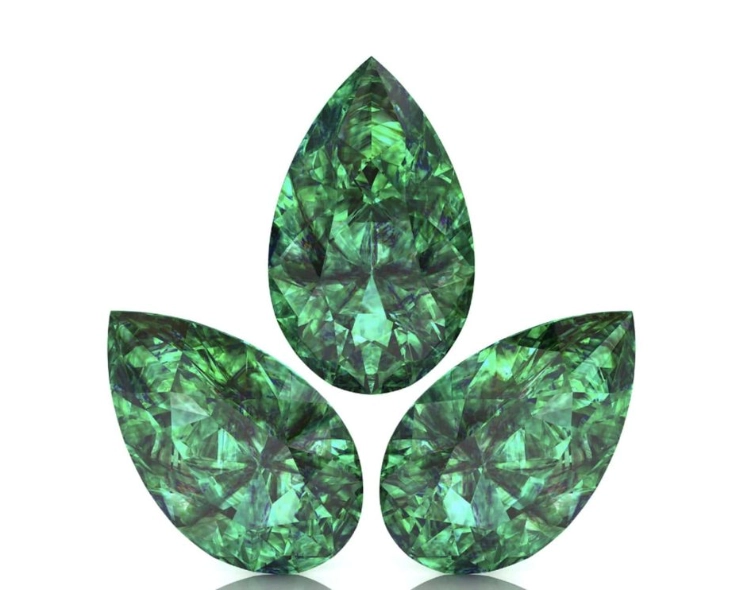
Your Questions, Answered
Whether you're drawn to the timeless elegance of emerald or the grounded artistry of agate, your May birthstone is a personal anchor. It connects you to the earth's beauty and a long tradition. The key is to choose with your eyes open, knowing not just the poetry of the stones, but the practicalities. That's how you find a piece you'll truly love for a lifetime.