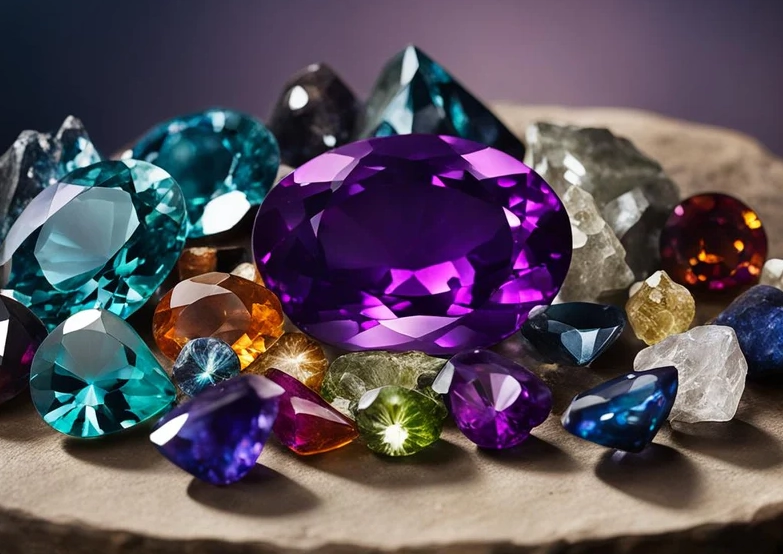
If you're born in May, you're lucky. You don't have just one birthstone, you have two stunning green gems to call your own: the legendary Emerald and the serene Chrysoprase. Most people know about the emerald. Fewer know about chrysoprase, and that's a shame—it’s a gem with its own incredible story and advantages. This isn't just a list of facts. We're going to unpack everything: the history, the real-world differences, the big mistakes people make when buying them, and how to pick the one that truly fits your life.
In This Guide
Understanding the Two May Birthstones
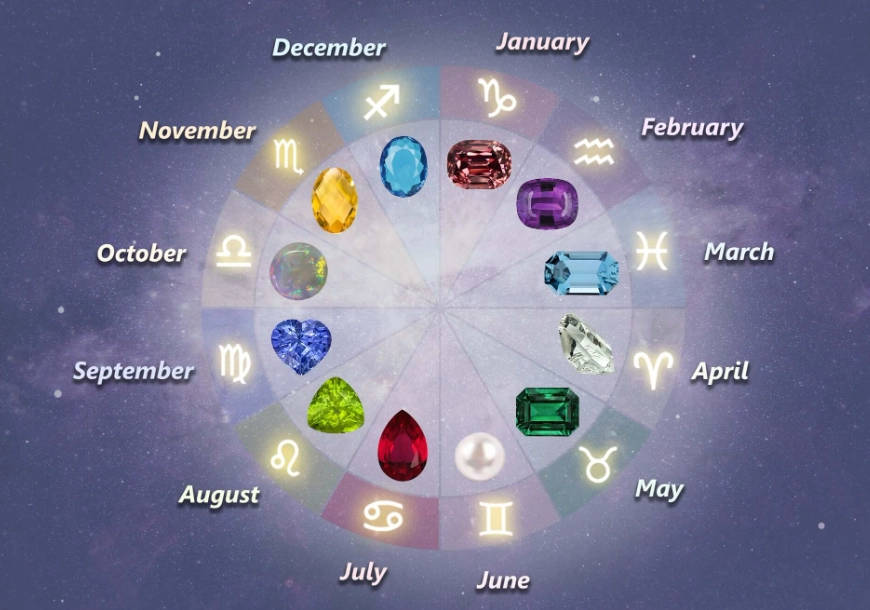
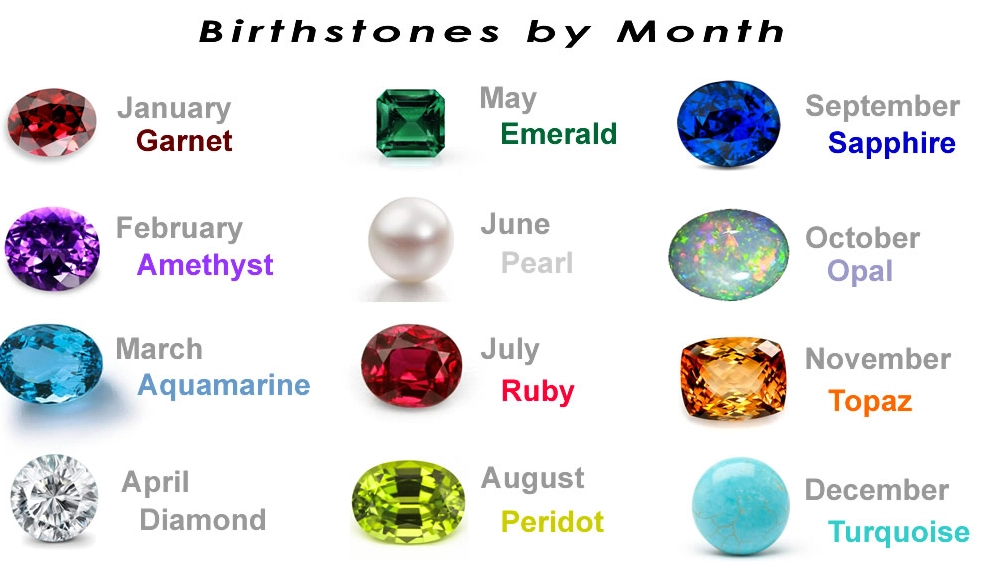
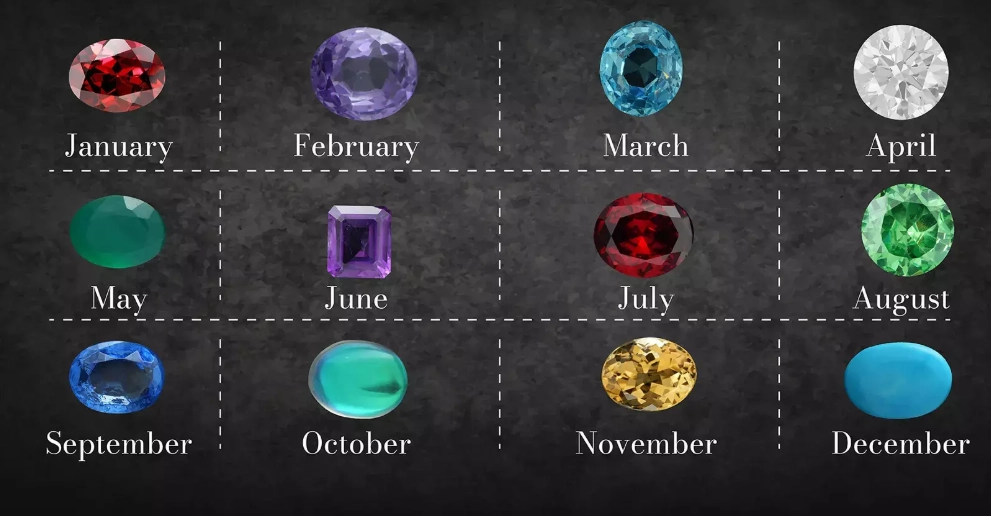
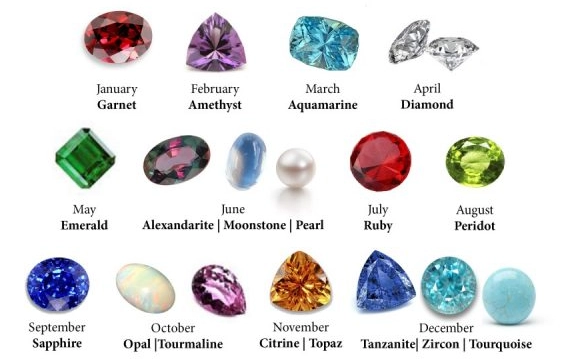
The modern birthstone list, standardized by the Jewelers of America and other associations, officially designates emerald as the primary birthstone for May. But history is richer than a single list. Ancient, traditional, and alternative lists often include chrysoprase as a second stone for this month. So, you're not choosing a "right" or "wrong" stone—you're choosing between two historically and spiritually significant verdant gemstones.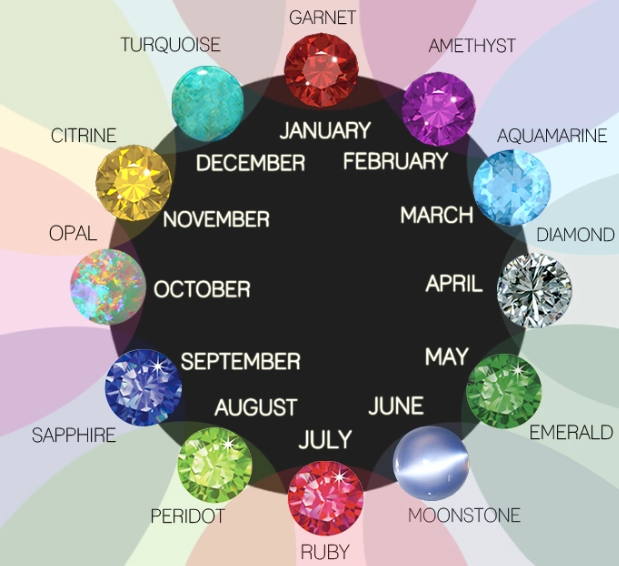
Why green? It's no accident. May sits in the heart of spring in the Northern Hemisphere. The color green symbolizes renewal, growth, life, and the heart. Both of these stones connect deeply to those themes, though in different ways. One is the aristocrat, the other is the nurturer.
Emerald: The King of Green Gems
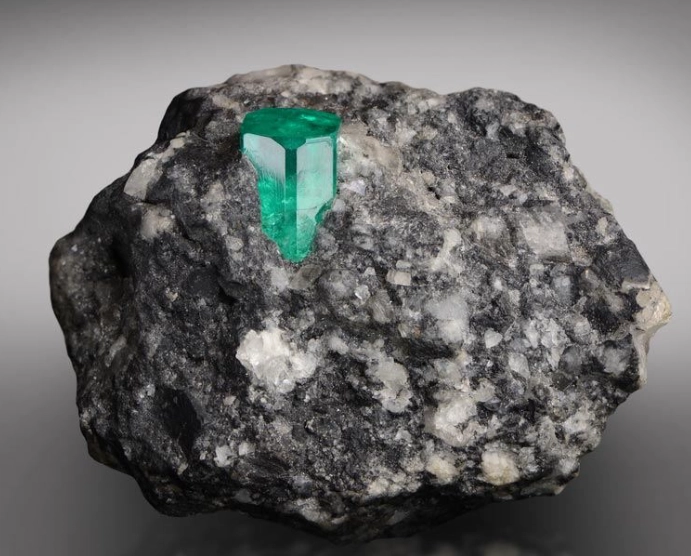
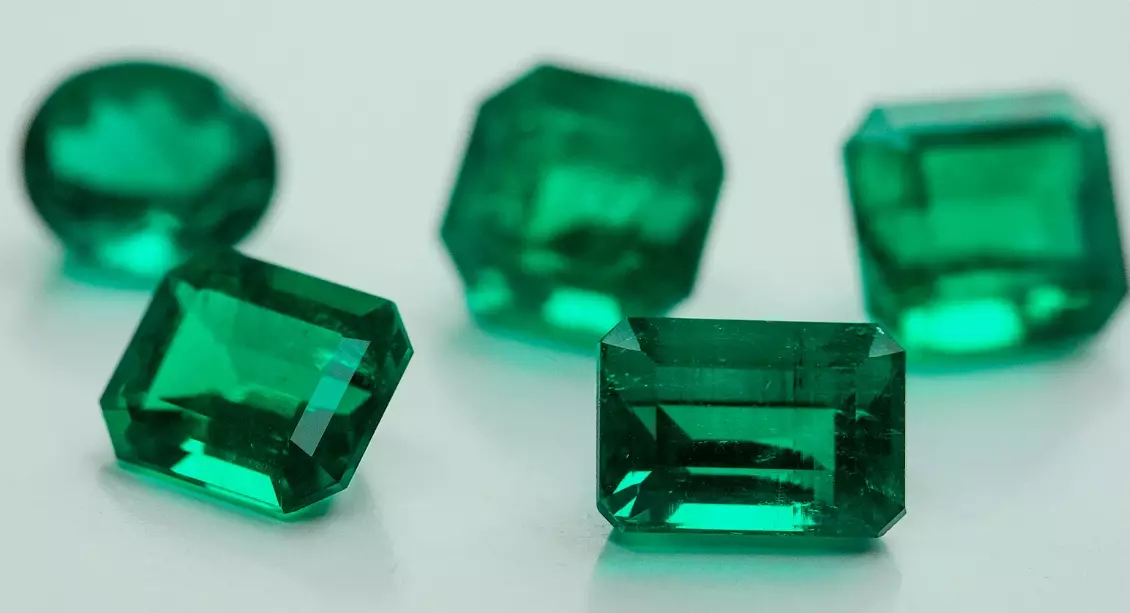
Emerald is a variety of the mineral beryl, colored by traces of chromium and sometimes vanadium. That specific chemistry is what gives it that unforgettable, intense green. Cleopatra was famously obsessed with them. The Spanish conquistadors traded them. They've been coveted for millennia.
But here's the first insider truth most gemologists know and salespeople might gloss over: a flawless, deep-green emerald is one of the rarest things on earth. Almost all emeralds have inclusions—internal features called "jardin" (French for garden), which look like tiny fissures, feathers, or crystals. The industry accepts this. In fact, if you're looking at a large, rich green emerald with no visible inclusions under 10x magnification, you should be extremely skeptical about its authenticity. It's likely synthetic or a different green stone altogether.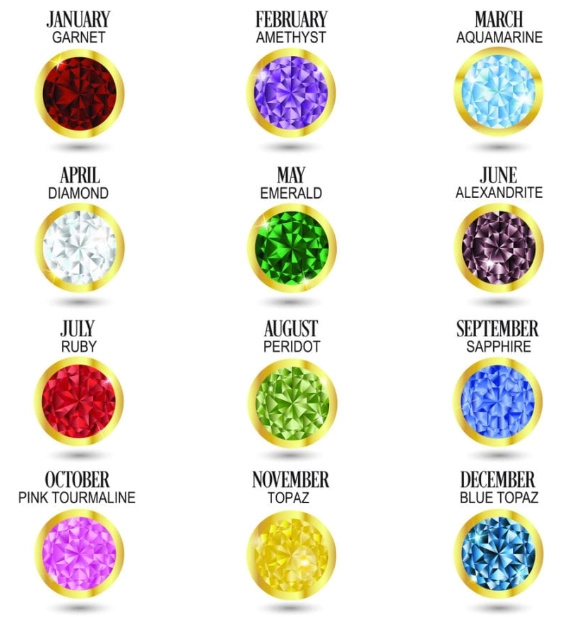
Where are the best from? Colombia (Muzo, Chivor) produces the most prized, pure grass-green emeralds. Zambia offers beautiful, slightly bluish-green stones that are often more transparent. Brazil is another major source. The origin can significantly affect value.
Care and Wear: This is crucial. Emerald has a hardness of 7.5 to 8 on the Mohs scale, which sounds tough. But its brittleness and typical inclusions make it prone to chipping. Never clean an emerald in an ultrasonic or steam cleaner. Warm, soapy water and a soft brush are your only safe bets. For a ring, choose a protective setting like a bezel or halo that guards the edges.
The Symbolism and Energy of Emerald
Beyond beauty, emerald is tied to the heart chakra. It's said to foster unconditional love, loyalty, and emotional wisdom. It's a stone of truth and insight. In my own experience with clients, those drawn to emeralds often seek a piece that feels like a legacy item—an engagement ring, a milestone birthday gift, something with profound emotional weight.
Chrysoprase: The Underrated Heart Healer
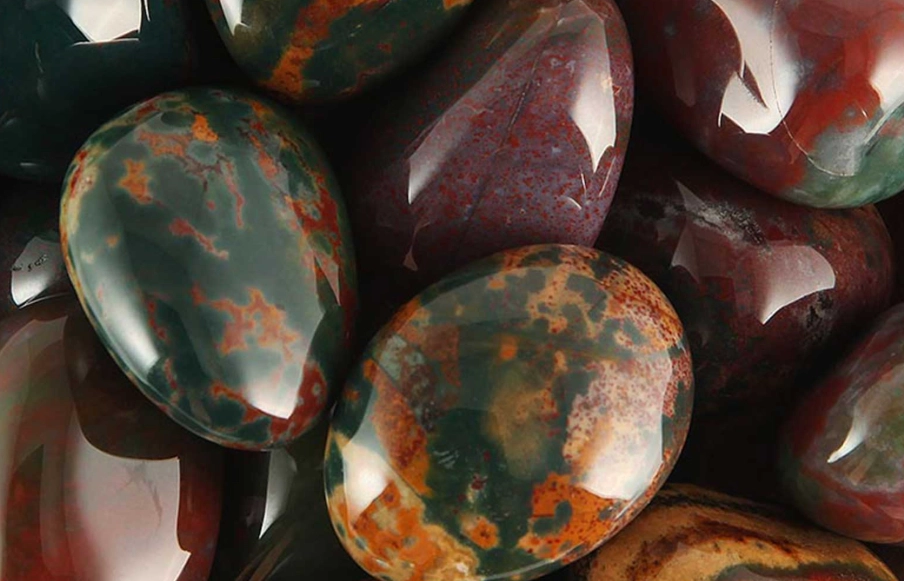
Now, let's talk about the stone that deserves way more attention: chrysoprase. It's a variety of chalcedony (a type of quartz), colored by nickel impurities. Its color ranges from a minty pastel green to a rich, almost apple-green. The finest quality has a uniform, translucent apple-green hue without brown or yellow patches.
Chrysoprase has ancient credentials too. It was a favorite in Greece and Rome for engraving and was believed to bring success. But here's my non-consensus view: People often dismiss chrysoprase as just a "cheap alternative" to emerald. That's a massive mistake. It's a completely different mineral with its own personality. Its color is often brighter and more consistent than many emeralds, and it lacks the typical inclusions. It offers something emerald can't: worry-free durability for daily wear.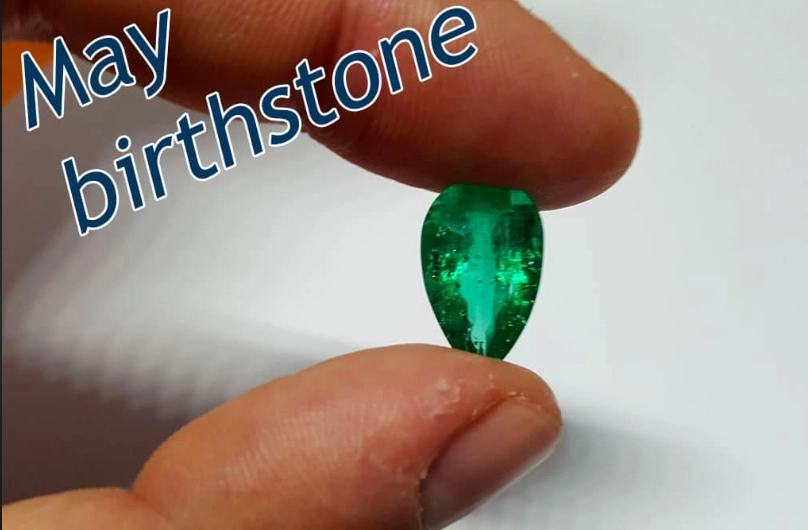
Durability is its superpower. As a quartz variety, it has a hardness of 6.5 to 7. More importantly, it has no cleavage and is very tough. A chrysoprase ring or bracelet can handle an active lifestyle far better than an emerald. You can wear it gardening, typing, or running errands with minimal concern.
Sources: Major deposits are in Australia (Queensland), Tanzania, Brazil, and Poland.
The Symbolism and Energy of Chrysoprase
Chrysoprase is also a heart chakra stone, but with a different flavor. It's associated with joy, forgiveness, and compassion. It's said to heal old emotional wounds and attract new, joyful love. It's less about grand passion and more about daily contentment and emotional cleansing. I've seen clients choose chrysoprase after a period of difficulty—it's like a fresh start in gemstone form.
Emerald vs. Chrysoprase: A Detailed Comparison
Let's put them side-by-side. This table cuts through the noise and shows you exactly what you're dealing with.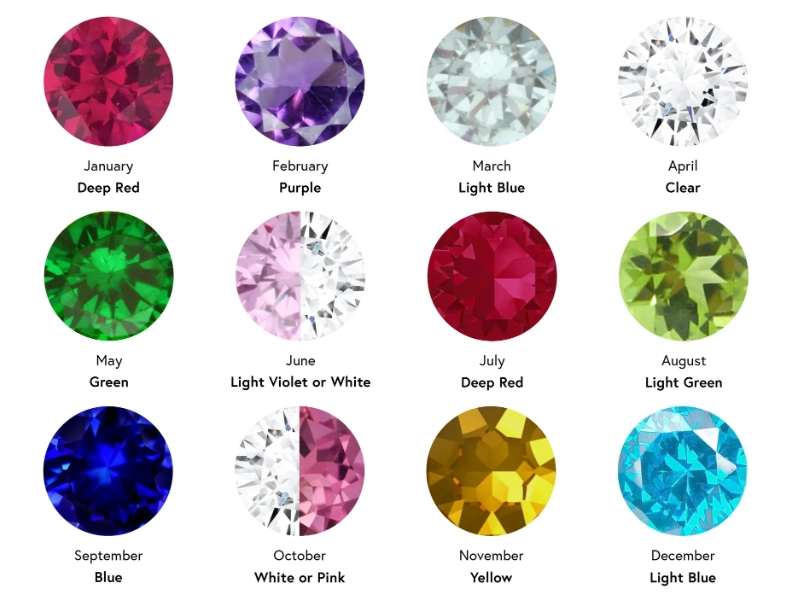
| Feature | Emerald | Chrysoprase |
|---|---|---|
| Mineral Family | Beryl | Chalcedony (Quartz) |
| Hardness (Mohs) | 7.5 - 8 | 6.5 - 7 |
| Toughness | Poor to Fair (Brittle, often included) | Good to Excellent (Tough, compact) |
| Typical Clarity | Almost always included ("jardin") | Usually eye-clean to translucent |
| Color Source | Chromium/Vanadium | Nickel |
| Color Range | Bluish-green to pure green | Mint to apple-green |
| Price Point | High to Very High (quality dependent) | Moderate to Affordable |
| Best For | Special occasion jewelry, heirlooms, statement pieces | Everyday jewelry, rings, worry-free wear, carving |
| Key Care Note | Avoid heat, ultrasonics, and hard knocks. | Can fade in prolonged direct sun; otherwise very stable. |
See the trade-offs? Emerald wins on hardness and prestige, but chrysoprase dominates in toughness and practicality. The price difference isn't just about marketing; it's rooted in the fundamental rarity and formation challenges of high-quality emerald.
How to Choose Between Emerald and Chrysoprase?
This isn't a test. It's about what resonates with you. Ask yourself these questions:
What's your budget? If you have a significant budget (thousands) for a centerpiece stone, emerald opens up. For a few hundred dollars, you can get a spectacular chrysoprase.
How will you wear it? For an everyday ring you never take off, chrysoprase is the smarter, safer choice. For a pendant or earrings worn on special occasions, an emerald can be perfectly suitable.
What's the emotional drive? Are you marking a monumental life event (emerald)? Or are you seeking a personal talisman for healing and daily joy (chrysoprase)?
Do you love the "garden" inside an emerald, or prefer a clear, uniform color? This is pure aesthetics. Some adore the unique fingerprint of inclusions in an emerald. Others find it distracting and prefer the serene, even color of chrysoprase.
You can also have both. A chrysoprase for daily wear and an emerald for gala nights. Or mix them in a single piece—a trend I'm seeing more of with savvy designers.
Buying Tips You Won't Find Elsewhere
- For Emeralds: Always ask for a lab report from a reputable lab like GIA or AGL, especially for stones over 1 carat. It verifies treatment. Most emeralds are oil-treated to improve clarity—this is standard and accepted, but it should be disclosed. "No oil" is exceptionally rare and commands a huge premium.
- For Chrysoprase: Look for that even, apple-green color. Avoid stones with grayish, brownish, or yellowish tones, as they are lower grade. Ask if the stone has been dyed—natural color is what you want. Reputable dealers like those on the International Colored Gemstone Association (ICA) member list will be transparent.
Your May Birthstone Questions Answered
So, there you have it. The two birthstones for May aren't in competition. They're a duo, offering a spectrum of green beauty, meaning, and practicality. Whether you're captivated by the deep, storied elegance of an emerald or the cheerful, resilient spirit of chrysoprase, you're choosing a piece of the earth's springtime magic to carry with you.