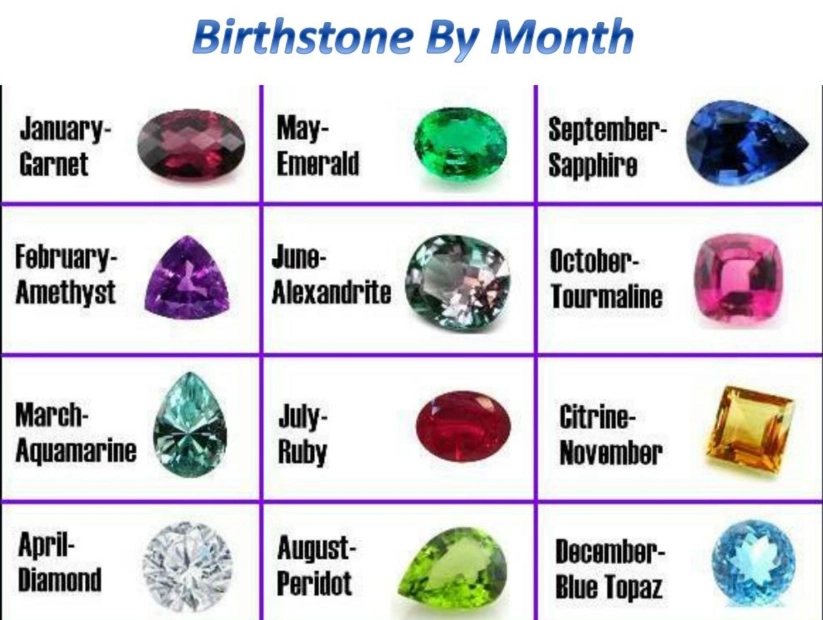
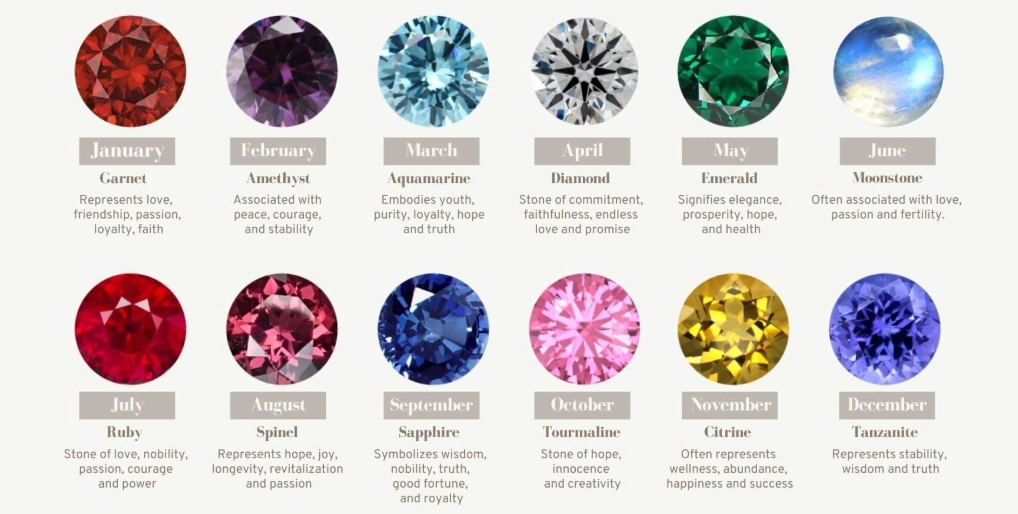
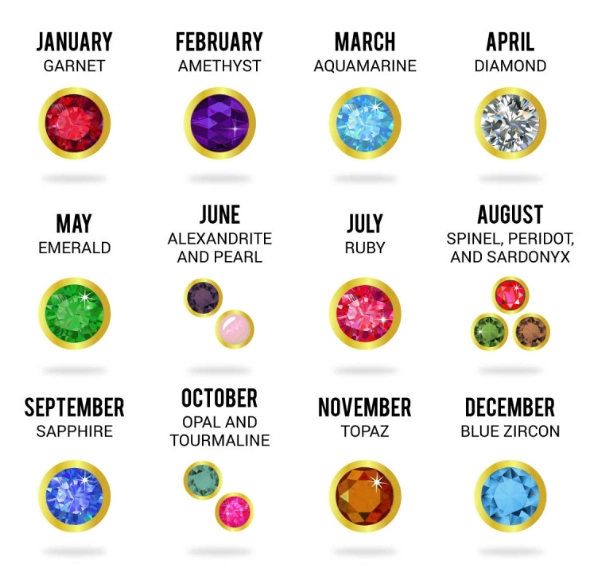
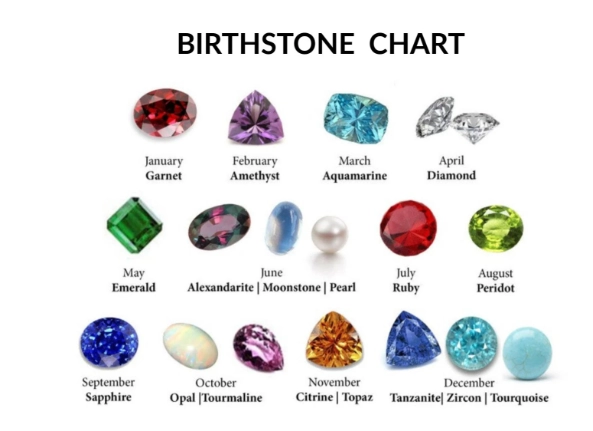
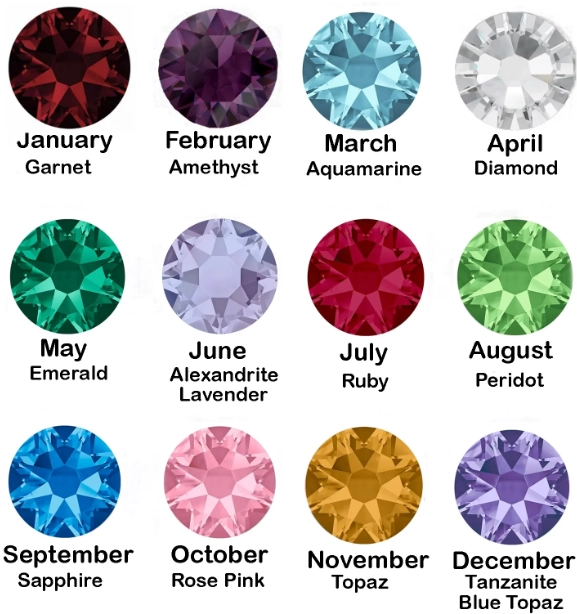
Yes, emerald is one of the birthstones for May, but it's not the only one. If you're born in May, you might have heard that emerald is your stone, but there's a twist—alexandrite also claims that spot. I've been working with gemstones for over a decade, and this confusion pops up all the time. Let's cut through the noise and get straight to what matters.
What You'll Find in This Guide
The History Behind May's Birthstones
Birthstones have been around for centuries, tracing back to biblical times. The idea was that each month had a gem linked to it for luck or protection. For May, emerald has been the go-to stone since ancient lists, like those from the first century. But in 1912, the American National Association of Jewelers threw a curveball—they added alexandrite as an alternative. Why? Alexandrite was discovered in Russia in the 1830s and gained popularity for its color-changing magic. Today, organizations like the Gemological Institute of America (GIA) recognize both, so you're not stuck with just one option.
I remember a client, Sarah, who was adamant about getting an emerald for her May birthday. She thought it was the only choice, but when I showed her an alexandrite under different lights, she was hooked. It's these little details that make gemology fun.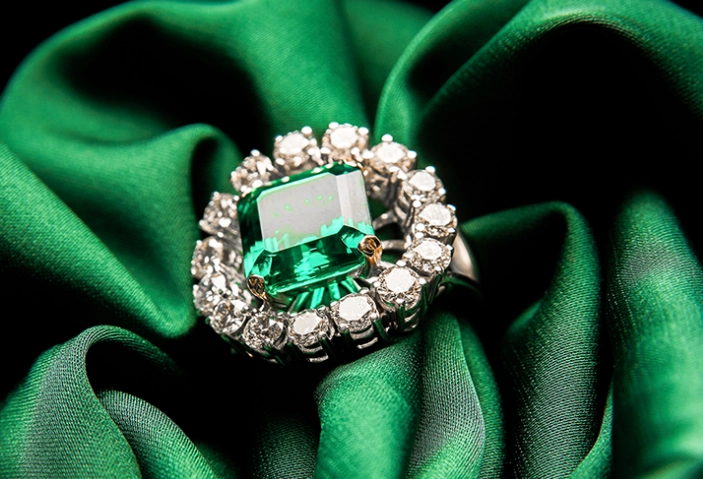
Emerald: The Traditional Pick for May
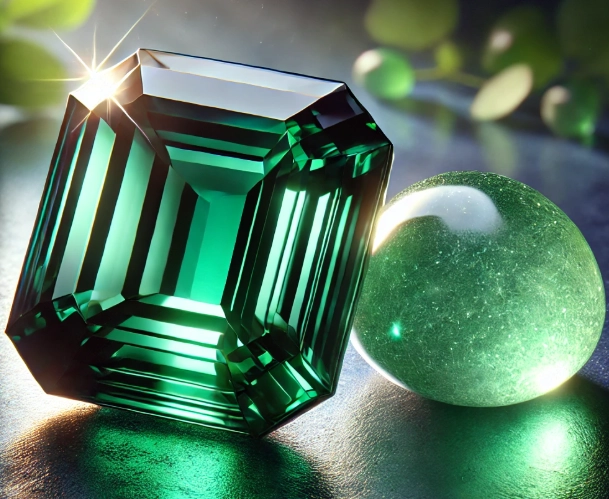
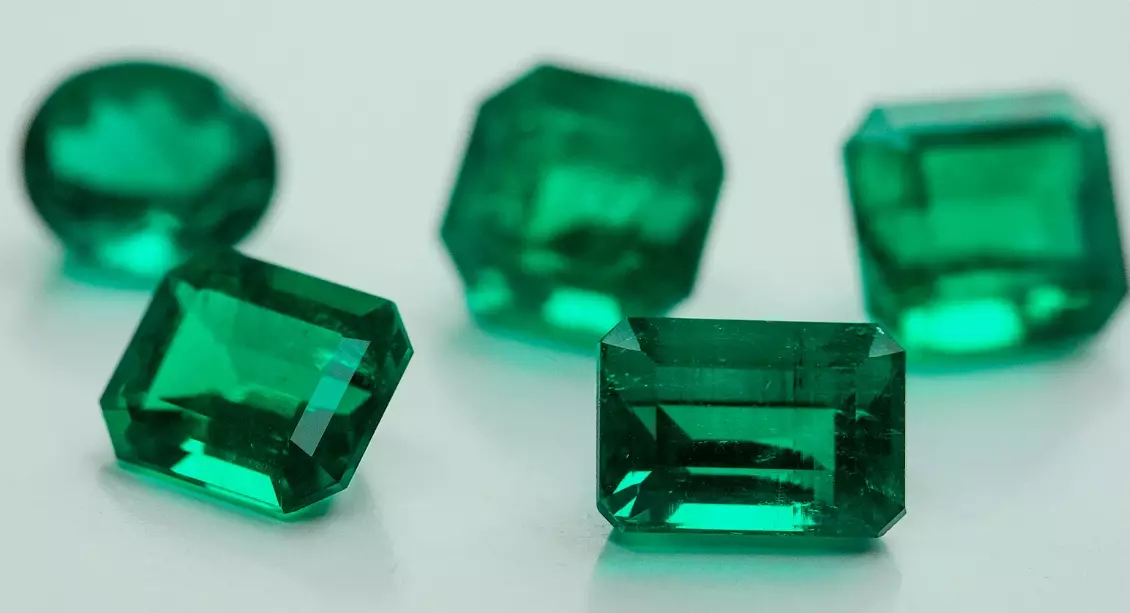
Emeralds are all about that rich green color—think deep forests or spring leaves. They're a variety of beryl, with chromium or vanadium giving them that hue. On the Mohs scale, they sit at 7.5 to 8, which means they're decently hard but can scratch if you're not careful. Most emeralds come from Colombia, Zambia, or Brazil, and the quality varies wildly.
Quick tip: Don't freak out if your emerald has inclusions. Gemologists call them 'jardin,' French for garden, because they look like tiny plants inside. It's a sign of authenticity, not a flaw.
Price-wise, emeralds can be a mixed bag. A one-carat stone might range from $500 to $5,000, depending on clarity and origin. Synthetic emeralds are cheaper, starting around $100, but they lack that natural charm. I've seen people overpay for treated stones, so always ask for a certification from a reputable lab.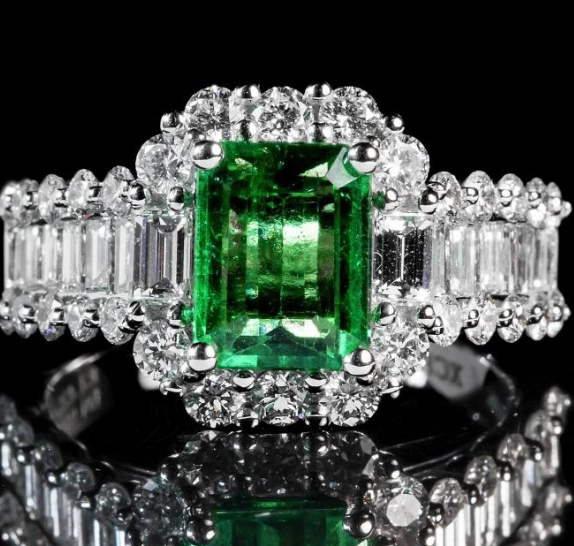
Why Emerald Might Be Overrated
Here's a non-consensus view from my experience: emeralds aren't always the best for daily wear. They're brittle. I've had clients come back with chipped rings after a few months, frustrated because they expected durability. If you're active or clumsy, think twice. Emerald is gorgeous, but it's like a delicate flower—beautiful but needs care.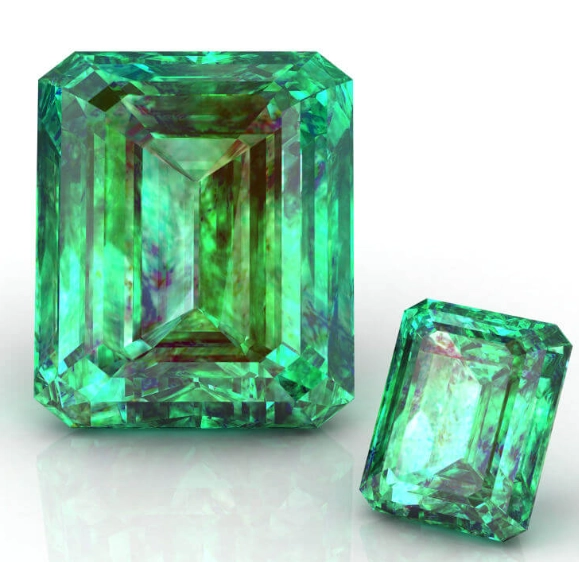
Alexandrite: The Modern Rival
Alexandrite is the chameleon of gemstones. In daylight, it's greenish-blue; under incandescent light, it shifts to purplish-red. This phenomenon, called pleochroism, makes it a standout. It's harder than emerald, rating 8.5 on the Mohs scale, so it holds up better to wear and tear.
Originally from Russia's Ural Mountains, alexandrite is rarer now, with sources in Brazil and Sri Lanka. That rarity drives up the price—a one-carat piece can cost $1,000 to $10,000. Synthetic versions are more affordable, around $200 per carat, but purists argue they miss the natural allure.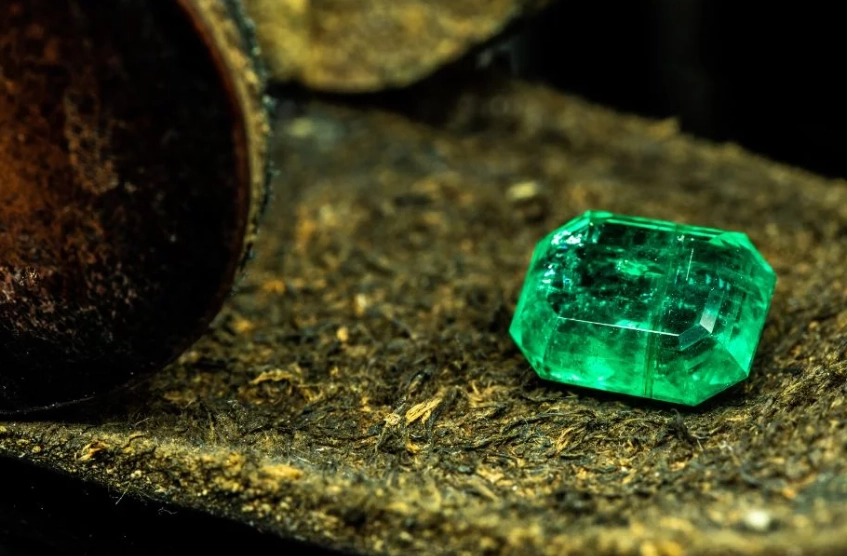
I recall a story from a miner in Brazil who told me how finding a good alexandrite is like winning the lottery. The stones are scarce, and the color change has to be dramatic to be valuable. It's not just a gem; it's a piece of geological luck.
How to Choose Between Emerald and Alexandrite
Choosing boils down to your lifestyle, budget, and taste. Let's break it down with a table—it helps visualize the trade-offs.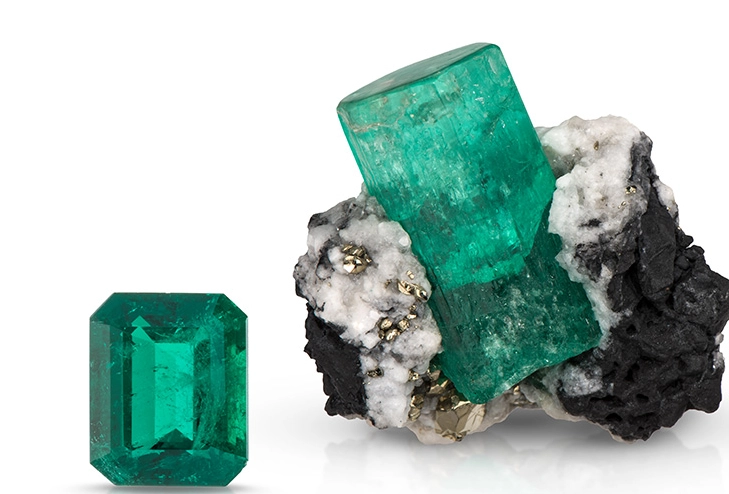
| Factor | Emerald | Alexandrite |
|---|---|---|
| Color | Consistent green | Color-changing (green to red) |
| Hardness | 7.5-8 (softer) | 8.5 (more durable) |
| Price Range (1 carat) | $500 - $5,000 | $1,000 - $10,000 |
| Best For | Occasional wear, classic looks | Daily wear, unique statements |
| Common Issues | Inclusions, brittleness | Rarity, high cost |
If you love tradition and that lush green, go for emerald. But if you want something that sparks conversation and lasts longer, alexandrite might be your gem. I've advised many May-borns to consider alexandrite for engagement rings—it's tougher and more unique.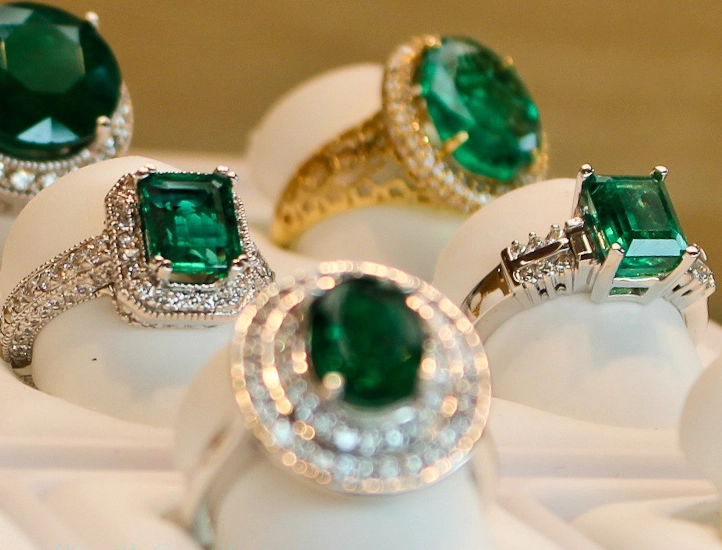
Spotting Fake Emeralds: A Practical Guide
Fake emeralds are everywhere, especially online. Here's how to avoid getting scammed. First, look for those inclusions I mentioned—real emeralds almost always have them. Synthetic ones look too clean, like plastic. Second, check the color distribution. Natural emeralds have uneven color, while fakes are uniformly green.
A simple test: use a loupe or magnifying glass. If you see bubbles or perfect lines, it's likely glass or lab-made. For alexandrite, the color change is key—if it doesn't shift under different lights, it's probably not real. I've seen sellers pass off dyed quartz as emerald, so always ask for a certificate from GIA or another trusted authority.
Personal tip: I once bought an emerald online that turned out to be glass. It was a cheap lesson, but now I insist on seeing stones in person or getting verified reports. Don't skip this step.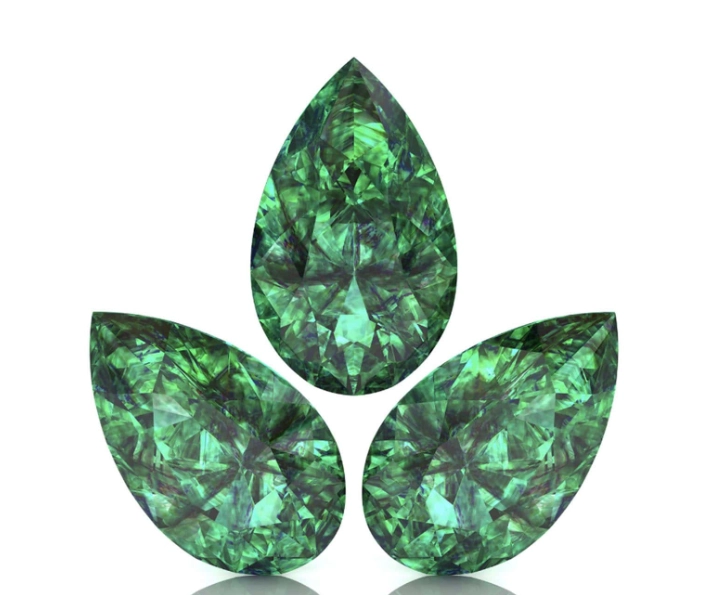
FAQs About May Birthstones
Wrapping up, whether you pick emerald or alexandrite, both are valid for May. It's about what resonates with you. I lean towards alexandrite for its practicality, but that's just my take after years in the trade. Do your research, check certifications, and don't rush the decision. After all, a birthstone is more than a gem—it's a personal story.