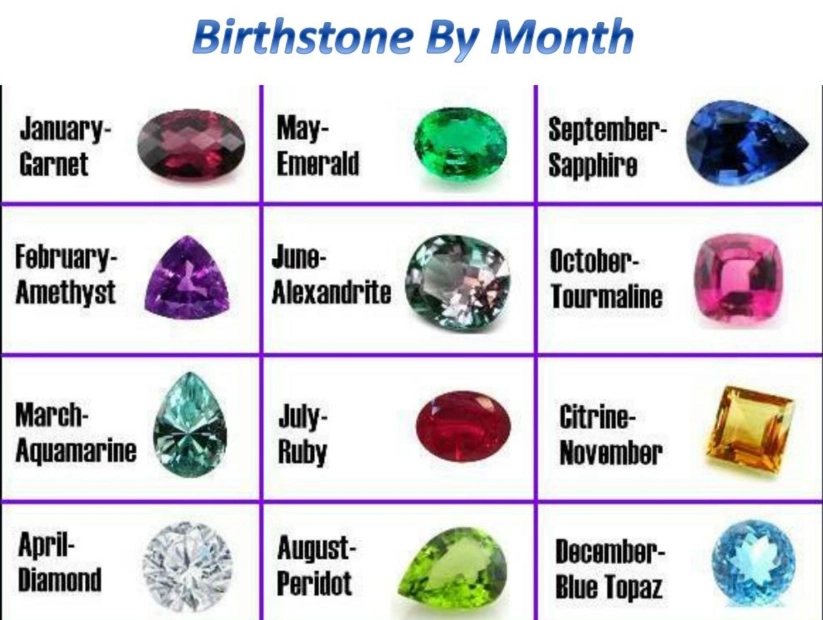
Yes, May has two birthstones: emerald and chrysoprase. If you're shopping for a May birthday gift or just curious about gemology, this isn't some marketing gimmick—it's a real thing rooted in history and different cultural lists. I've been collecting gemstones for over a decade, and the confusion around May birthstones pops up all the time. Most people think of emerald, that lush green classic, but chrysoprase? It's the underdog that deserves more attention. Let's cut through the noise and get straight to the facts.
What You'll Learn in This Guide
The Official Birthstone for May: Emerald
Emerald is the star of the show when it comes to May birthstones. According to the Jewelers of America, which sets the standard birthstone list in the U.S., emerald is the traditional and primary gem for May. But here's something most beginners miss: not all emeralds are created equal. I remember buying my first emerald—a small, included stone from Colombia—thinking it was a steal, only to learn later that its clarity issues made it prone to cracking. Oops.
What Makes Emerald Special
Emeralds are a variety of beryl, colored green by trace amounts of chromium or vanadium. They score 7.5 to 8 on the Mohs hardness scale, which sounds decent, but their inherent inclusions (often called "jardin," French for garden) make them fragile. That's why emerald-cut gems are popular: the shape minimizes stress on the stone. Price-wise, you're looking at $500 to $5,000 per carat for good quality, depending on color saturation and origin. Colombian emeralds often command a premium due to their vivid hue.
Symbolically, emeralds represent rebirth and love. Ancient cultures like the Egyptians prized them; Cleopatra was famously fond of emerald mines. Today, they're a status symbol in jewelry, but beware—many synthetic emeralds flood the market. Always ask for a certificate from a lab like the Gemological Institute of America (GIA) to verify authenticity.
The Alternative Birthstone: Chrysoprase Unveiled
Chrysoprase is May's other birthstone, and it's a gem I think gets a bad rap. Some folks dismiss it as a "cheap alternative," but that's selling it short. Chrysoprase is a green chalcedony, colored by nickel impurities, and it has a waxy luster that can be stunning in sunlight. It's harder than emerald, around 6.5 to 7 on the Mohs scale, and way more affordable—often under $50 per carat for cabochon cuts.
Historically, chrysoprase was used in Greek and Roman jewelry, and it's linked to springtime themes of growth. I've seen it in artisan markets in Australia, where it's mined, and it makes for great everyday pieces like rings or pendants. The color ranges from apple-green to mint, and it lacks the inclusions that plague emeralds. But here's a catch: prolonged exposure to sunlight can fade some chrysoprase, so store it carefully. Not many jewelers mention that.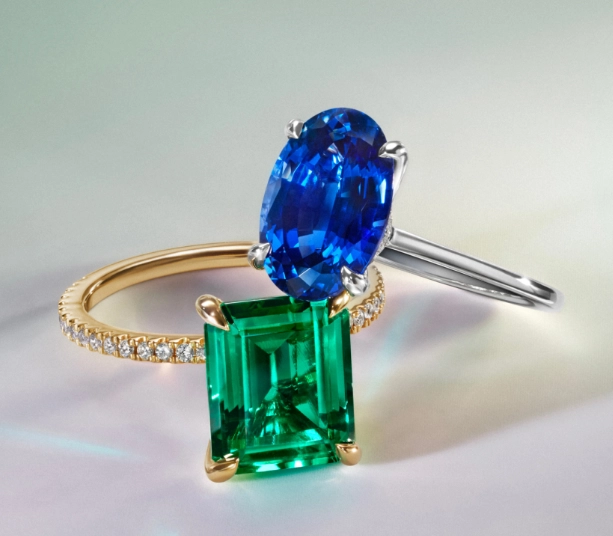
Quick Comparison: Emeralds are for luxury and tradition; chrysoprase is for practicality and color. If you're on a budget or want something durable, chrysoprase wins. But if you're after investment or heirloom pieces, emerald is the way to go.
Why May Ended Up with Two Birthstones
The dual birthstone situation for May isn't random—it's a result of evolving gemstone lists. The modern birthstone list, popularized in the 20th century, sometimes includes chrysoprase as an alternative to cater to different tastes and budgets. Organizations like the American Gem Trade Association (AGTA) have endorsed multiple stones for some months to reflect diversity.
I dug into old catalogs and found that in the early 1900s, some European lists even had agate for May, but that faded out. The takeaway? Birthstones aren't set in stone (pun intended). They shift with culture and commerce. So, when someone insists May only has emerald, they're ignoring a chunk of gemological history. It's like saying diamonds are the only option for April—technically true for some lists, but others include sapphire.
How to Pick Between Emerald and Chrysoprase
Choosing between these two gems boils down to three things: budget, lifestyle, and personal meaning. Let me break it down with a real example. A friend wanted a May birthstone necklace for her mother, who gardens a lot. Emerald? Too delicate and expensive for daily wear. Chrysoprase? Perfect—its durability and earthy green matched perfectly, and it cost under $200.
Here's a table to help you decide:
| Feature | Emerald | Chrysoprase |
|---|---|---|
| Hardness (Mohs) | 7.5-8 | 6.5-7 |
| Typical Price per Carat | $500-$5,000+ | $20-$100 |
| Best For | Formal jewelry, investments | Casual wear, budget gifts |
| Care Required | Avoid chemicals, gentle cleaning | Avoid prolonged sun, mild soap |
| Color Range | Deep green to bluish-green | Apple-green to pale mint |
If you're buying online, check return policies. I once got a chrysoprase ring that looked more gray than green in person—lesson learned. For emeralds, insist on a lab report from GIA or AGS (American Gem Society). And don't shy away from asking jewelers about treatments; most emeralds are oil-treated to enhance clarity, which is normal but should be disclosed.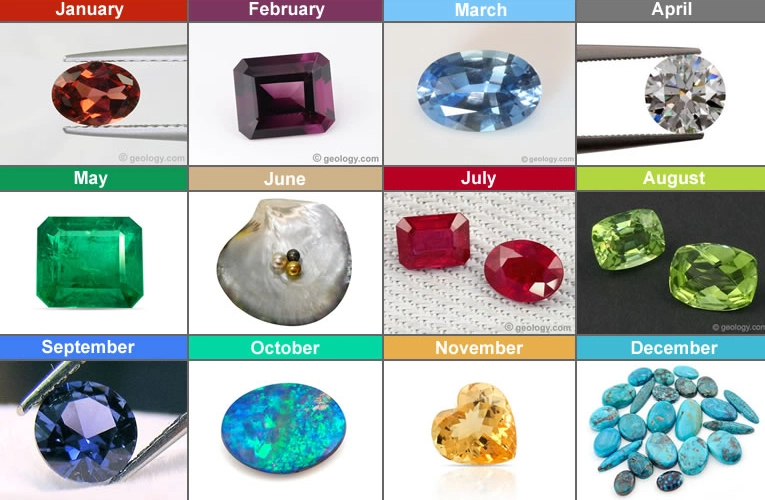
Your May Birthstone Questions Answered
Over the years, I've heard all sorts of questions about May birthstones. Here are the ones that come up most often, with straight answers based on my experience.
Wrapping up, May's two birthstones offer something for everyone. Whether you go for the timeless elegance of emerald or the vibrant accessibility of chrysoprase, you're honoring a rich tradition. Next time someone asks, "Does May have two birthstones?" you can confidently say yes—and explain why. Happy gifting!