When you think of March birthstones, the vibrant aquamarine often steals the show. But its ancient counterpart, bloodstone, holds secrets and a character that's far more complex. Forget the dusty, opaque green stone you might picture. A fine bloodstone is a miniature landscape, a deep forest green jasper dotted with vivid red iron oxide splashes that look like drops of blood. It's been a talisman for soldiers, a surgical tool, and a symbol of courage for millennia. But most guides stop there. Let's dig deeper into what makes this stone genuinely fascinating, how to avoid common pitfalls when buying it, and why its modern appeal goes way beyond traditional birthstone jewelry.
Your Quick Guide to Bloodstone
What is Bloodstone? A Technical and Visual Breakdown
First things first, bloodstone is a variety of chalcedony, which is itself a microcrystalline form of quartz. That puts it in the same broad family as agate and carnelian. The base color is a deep, opaque green—usually from deposits of chlorite or other green minerals. The signature "blood" spots are red jasper or iron oxides, primarily hematite.
Here’s a quick fact table from the Gemological Institute of America (GIA) gem encyclopedia that sums up its key properties:
| Property | Description |
|---|---|
| Mineral Family | Chalcedony (Cryptocrystalline Quartz) |
| Color | Dark green with red, orange, or yellow spots/inclusions. |
| Hardness (Mohs Scale) | 6.5 to 7. This is decent. It can scratch glass but can be scratched by harder gems like topaz or sapphire. |
| Clarity & Transparency | Opaque. You shouldn't expect to see light through it. |
| Primary Sources | India is the classic and most important source. Also found in Australia, Brazil, China, and the United States. |
The most prized specimens have a rich, even forest-green background with bright, clearly defined red spots evenly distributed. The stone is almost always cut en cabochon (a smooth, polished dome) to best showcase these patterns. Faceted bloodstone is extremely rare because of its opacity.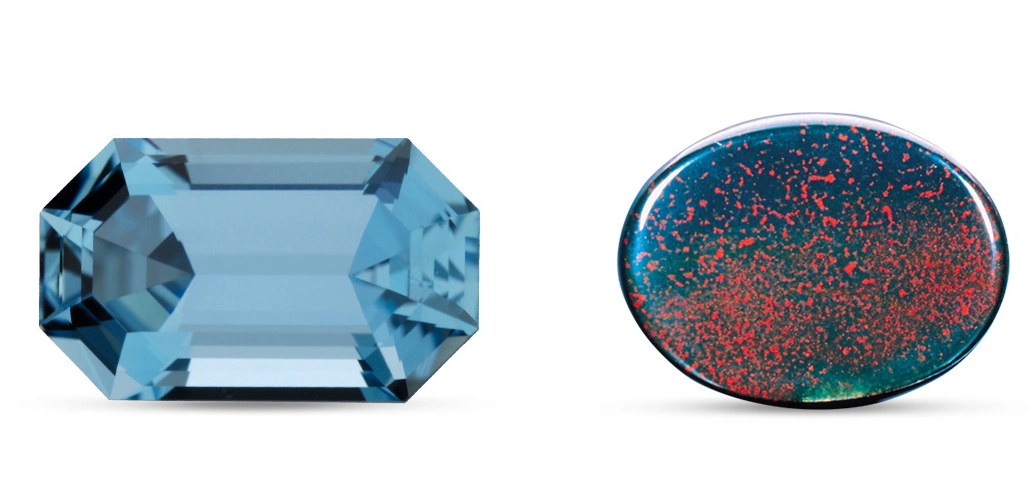
Bloodstone Meaning and History: Beyond the Battlefield
Yes, it was called the "warrior's stone" in ancient times. Roman soldiers carried carved bloodstone amulets believing it could slow bleeding from wounds—a belief stemming from the doctrine of signatures (the idea that a plant or stone's appearance hints at its healing purpose). But that's just the headline.
The history gets more interesting. In the medieval and Renaissance periods, bloodstone was highly valued for intaglio work—carving designs *into* the stone. These were often used as seals. Some of the most famous pieces depict religious scenes like the Crucifixion, leveraging the red spots symbolically. It wasn't just for brute strength; it was a stone of artistry and sacred significance.
Another overlooked chapter? Its use in early medicine. Powdered bloodstone was a common ingredient in medieval and ancient apothecaries for various ailments. While we don't subscribe to those uses today, it highlights how deeply embedded this stone was in daily life beyond warfare.
The modern metaphysical interpretation often labels it a stone of courage and action. But here's a non-consensus view from years of talking with collectors and lapidaries: its energy is less about aggressive courage and more about endurance and grounded action. The deep green connects to the earth (nurturing, stability), while the red sparks vitality and initiative. It's for the marathon, not just the sprint. Calling it merely a "warrior's stone" sells it short.
How to Identify and Value Bloodstone: Spotting Fakes and Assessing Quality
This is where most buyers get tripped up. Bloodstone isn't wildly expensive, which means it's often imitated with dyed howlite or simply mislabeled. Here’s how to be sure.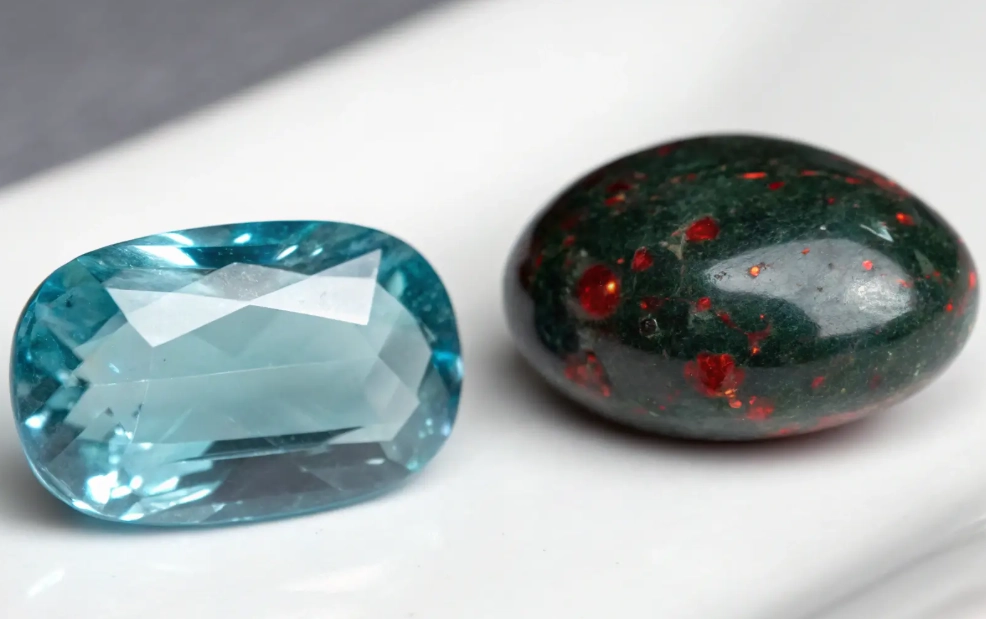
The Number One Rule: If it's translucent, brightly neon green, or has perfectly round, uniform red dots, be suspicious. Real bloodstone is opaque with an earthy, deep green color. The red inclusions are irregular—they look like splashes, drops, or streaks, not printed-on dots.
Common Mistake: Confusing bloodstone with heliotrope. They are the same thing. "Heliotrope" is the older, more academic name (from Greek for "sun turning"), while "bloodstone" is the common gemological and birthstone term. Some vendors might use them interchangeably or try to present one as more exotic than the other.
Another confusion point is with Chinese "chicken blood stone" (a type of pyrophyllite or chalcedony with cinnabar). Totally different mineral, often much brighter red and used for seals. Don't let the name fool you.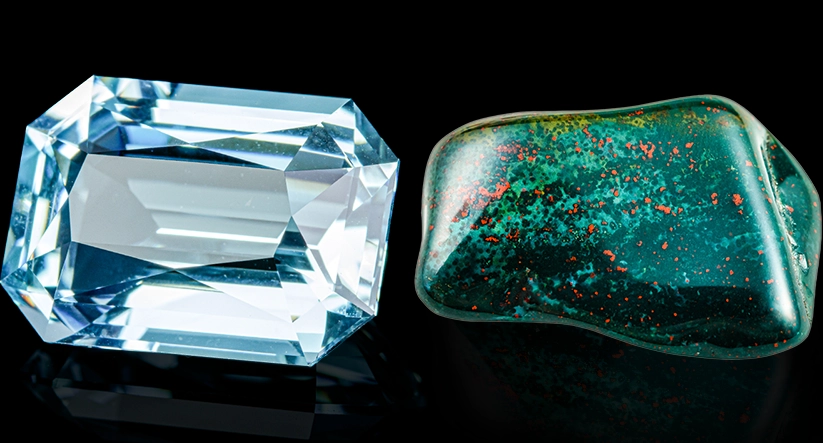
What Determines Bloodstone's Value?
Unlike diamonds, there's no strict grading system. Value is judged by eye:
- Color Contrast: High contrast between the dark green and vivid red commands a premium. Muddy green with brownish spots is less valuable.
- Pattern Distribution: An attractive, balanced scatter of red is ideal. A huge blob on one side and nothing on the other is less desirable.
- Polish and Finish: A high-quality cabochon should have a flawless, glassy polish with no visible scratches or pits.
- Cutting and Carving: Exceptional intaglio or cameo work on bloodstone can significantly increase its value as an art object.
You're generally looking at a modestly priced gemstone. A standard, nice-quality cabochon for a ring might range from $10 to $50 per stone, depending on size and quality. Larger display pieces or antique carvings cost more.
Practical Tips for Buying Bloodstone Jewelry and Specimens
So you want to buy a piece. Where do you start? Online marketplaces are full of it, but quality varies wildly.
My advice? Start with specialized lapidary or gem shows if you can. You can hold the stone under good light, ask the cutter direct questions, and often get a better sense of the material's true color than from a filtered online photo. Vendors at these shows often have a deeper knowledge.
If buying online:
- Look for sellers who provide multiple photos on a neutral background (not just on a model's hand).
- Read the description carefully. It should say "natural bloodstone" or "natural heliotrope." Avoid listings that just say "green jasper with red spots"—it might be accurate, but it shows a lack of gemological knowledge from the seller.
- Check return policies. Reputable sellers allow returns if the stone isn't as described.
For jewelry, consider the setting. Bloodstone's durability (6.5-7 Mohs) is okay for rings, but it's best in protective bezel settings or for pendants and earrings that see less abrasion. A thin, high-set silver claw setting on a daily-wear ring is asking for trouble.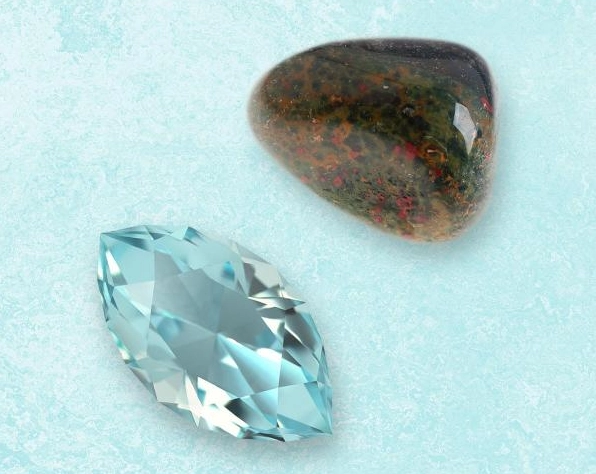
Caring for Your Bloodstone and Modern Uses
Care is straightforward but important. Clean it with warm, soapy water and a soft brush. Ultrasonic cleaners are usually safe for solid bloodstone but avoid them if the stone has fractures or is part of a delicate antique piece. Steer clear of harsh chemicals and heat.
Beyond the classic birthstone ring or pendant, how is bloodstone used today?
In Men's Jewelry: Its deep, masculine colors make it a popular choice for signet rings, cufflinks, and tie pins. It offers an alternative to onyx or black diamond with more visual interest.
In Lapidary Art: Modern carvers still love it for cameos and intricate small sculptures, playing with the red spots as part of the design—a red spot becomes a ladybug on a leaf, a drop of paint, etc.
In the Crystal Community: Whether you subscribe to metaphysical beliefs or not, bloodstone is a staple in the world of healing crystals. It's marketed as a stone for detoxification, vitality, and overcoming procrastination. This drives a significant portion of its modern market, especially for tumbled stones and palm stones.