When March rolls around, the conversation inevitably turns to aquamarine. It's the official birthstone, a fact most people know. But if you think its meaning stops at "pretty blue gem for March babies," you're missing the whole story. I've been collecting and studying gemstones for over a decade, and I've seen firsthand how aquamarine gets pigeonholed. Its pale blue color is often mistaken for being common or simple. That's the first mistake. The true aquamarine stone meaning is a dense tapestry woven from ancient mariner's lore, metaphysical beliefs about courage and calm, and some very practical considerations for anyone wanting to own a piece. Let's pull that tapestry apart thread by thread.
Quick Navigation
What Does Aquamarine Mean? A History of Sea & Sky
The name gives it away: aqua (water) and mare (sea). Roman fishermen reportedly wore it as a talisman for protection on treacherous waters, believing it could calm waves and ensure a safe voyage. That connection to water isn't just poetic. Look at a high-quality aquamarine. That serene, crystalline blue? It's the exact color of tropical shallows meeting a clear sky. It's no wonder ancient cultures linked it to Poseidon and other sea deities.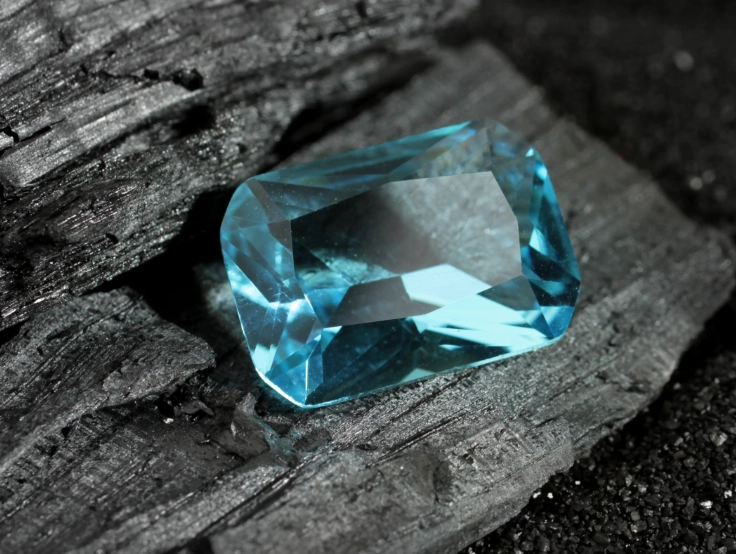
But here's a nuance often missed. This association made it a stone of truth and communication. Why? Because sailors had to read the sea and sky honestly to survive. A lie about the weather could sink a ship. Aquamarine was thought to promote that same fearless honesty, especially in difficult conversations. The International Colored Gemstone Association (ICA) notes its longstanding symbolism of youth, hope, and health, likely stemming from its life-affirming watery hue.
Aquamarine Healing Properties: Symbolism in Action
In crystal healing and metaphysical circles, the aquamarine healing properties are a powerful one-two punch targeting two fundamental human needs: courage and calm. It's seen as a paradox in a gem—energizing yet soothing.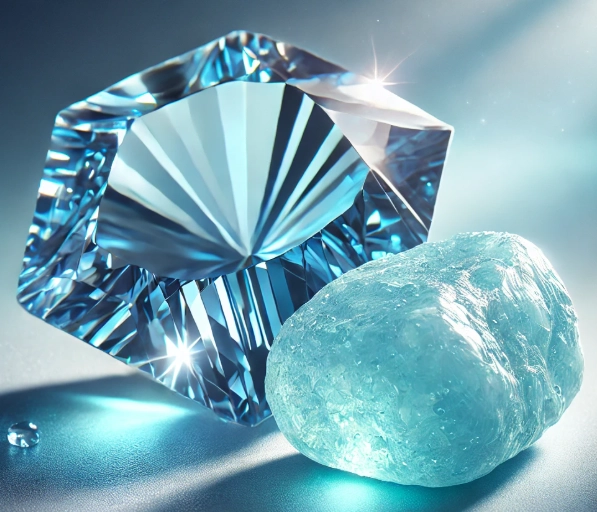
- The Throat Chara Connection: It's primarily linked to the Throat Chakra, the energy center governing communication. The idea is that it doesn't just make you talk more; it helps you speak your personal truth with clarity and compassion, especially under pressure. Think of a difficult work conversation or setting a personal boundary.
- Calm in the Storm: Its watery essence is associated with cooling fiery emotions—anger, fear, anxiety. It's not about sedation, but about creating mental space to respond, not just react. I know collectors who keep a tumbled stone on their desk during high-stakes projects for this reason.
- A Note on "Healing": When discussing these properties, it's crucial to frame them within the context of belief, symbolism, and personal intention. The Gemological Institute of America (GIA), the world's foremost gem authority, focuses on the scientific and gemological aspects. The symbolic meanings are a separate, cultural layer that many find personally valuable.
How to Choose a Quality Aquamarine (Beyond Color)
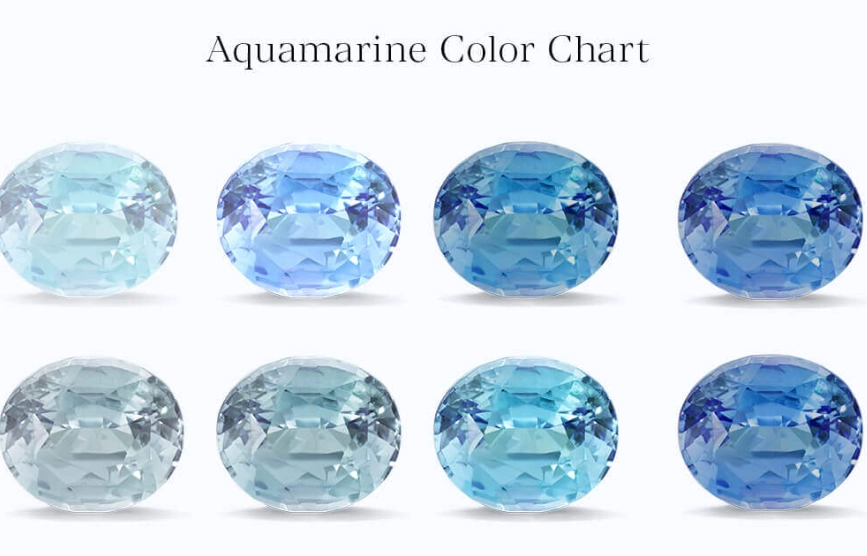
So you're drawn to the March birthstone aquamarine meaning and want to buy a piece. Everyone talks about color, but they often get it wrong. The most common mistake? Equating dark blue with high quality. In reality, the most prized aquamarine color is a vivid, medium blue to slightly greenish-blue. Very dark stones are rare and can look inky, while very pale stones are less valuable. The key is saturation and liveliness.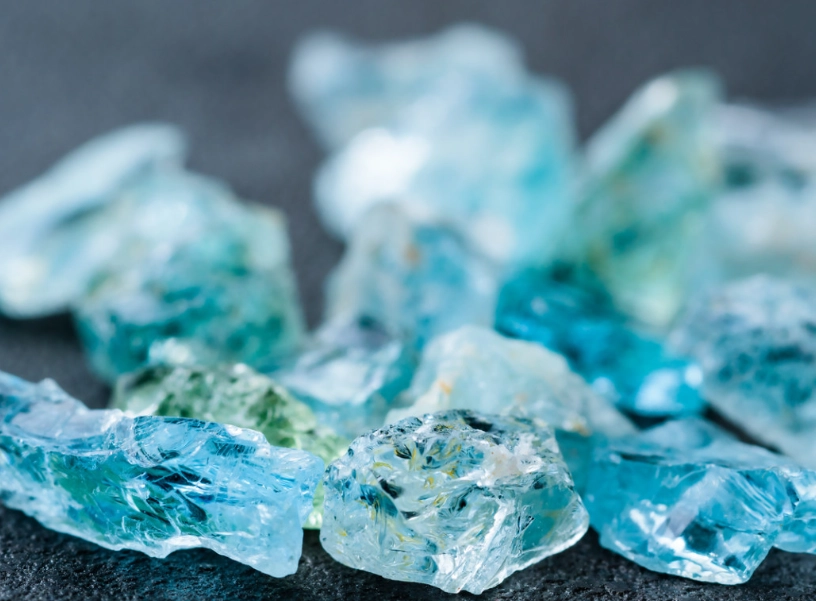
But color is just one piece. To make a smart buy, you need to think like a gemologist. Here’s a breakdown of what actually matters:
| Factor | What to Look For | Why It Matters for You |
|---|---|---|
| Color | A clear, vibrant medium blue without gray or dull tones. Top color is sometimes called "Santa Maria" after a famous Brazilian mine. | This is the primary driver of beauty and value. A lively color embodies the "sea" essence best. |
| Clarity | Eye-clean. Aquamarine is a Type I gemstone, meaning it's typically very clean to the eye. You should expect no visible inclusions in a good quality stone. | Inclusions can dull the stone's brilliance and transparency. An eye-clean stone looks pure and luminous. |
| Cut | Precise, symmetrical facets that maximize brilliance. Common shapes are emerald, oval, and cushion. The cut should enhance the color, not leak light out the sides. | A poor cut makes even a great color look dead or washed out. A great cut brings the stone to life. |
| Carat Weight | Larger sizes are more available than in many gems, but price per carat increases with size, especially for top colors. | Aquamarine lets you get a statement piece for a relatively reasonable cost compared to sapphire. |
| Treatment | Nearly all aquamarine is heat-treated to remove greenish tones and enhance the pure blue. This is permanent, stable, and fully accepted in the trade. | This is standard practice. An untreated, naturally perfect blue is exceptionally rare and commands a huge premium. Don't pay extra expecting "untreated" unless it's certified as such. |
My personal rule? Don't get hypnotized by size alone. A smaller stone with fantastic color and cut will feel more special and meaningful every time you wear it than a large, watery, pale one.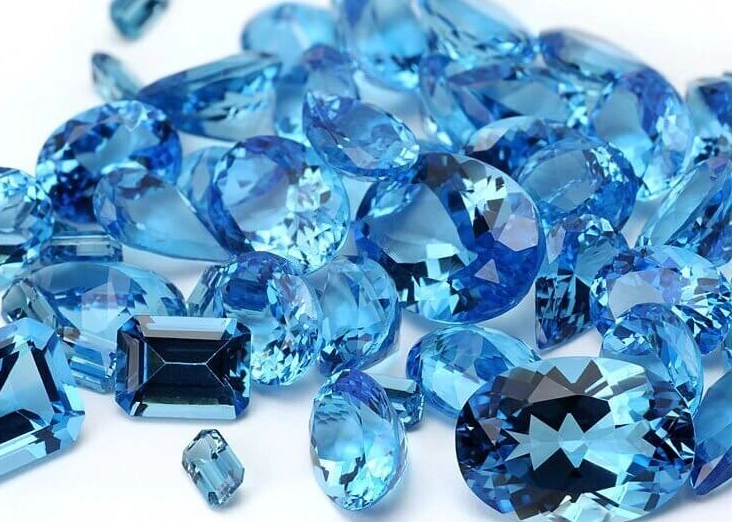
Care and Considerations
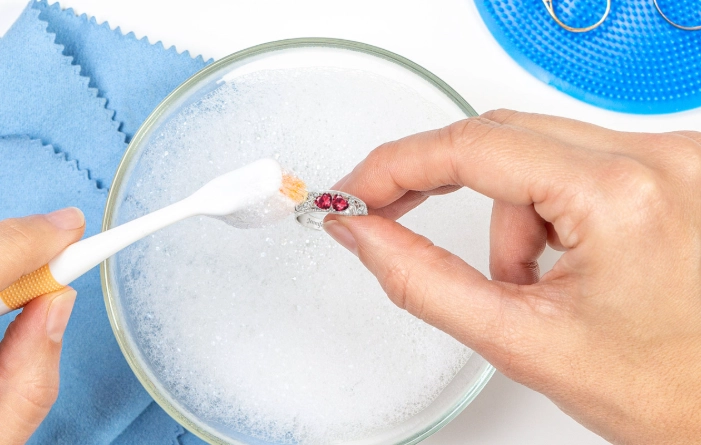
With a hardness of 7.5 to 8 on the Mohs scale, aquamarine is durable for daily wear but not indestructible. Keep it away from harsh knocks. Clean it with warm soapy water and a soft brush. Ultrasonic cleaners are usually safe for untreated stones, but I'd avoid them for any gemstone with liquid inclusions or fractures (which a good aqua shouldn't have anyway). Steer clear of steam cleaners.
How to Use Aquamarine's Energy in Daily Life
If the symbolic meanings resonate, how do you move beyond just wearing it as jewelry? Here are concrete, non-woo-woo ways to integrate the March birthstone's concept into your routine.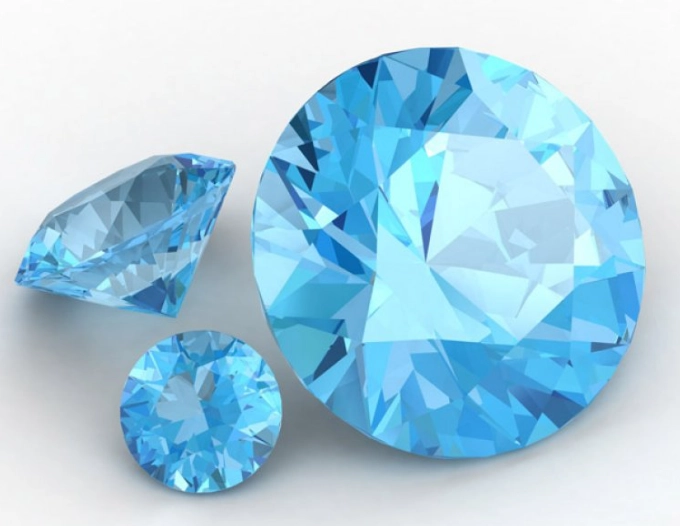
For Communication: Hold a tumbled stone or piece of jewelry before a potentially tense call or meeting. Use it as a physical anchor to remind yourself to breathe and speak clearly from your center, not from fear or anger. I know a therapist who does this between client sessions.
For Calm: Place a stone on your nightstand. Its presence can serve as a visual cue to let go of the day's mental chatter. Some people like to hold one during meditation, focusing on its cool, smooth surface to ground themselves.
As a Personal Token: The most powerful meaning is the one you assign it. Was it a gift for a milestone? Does it remind you of a loved one or a personal victory? That narrative you build around your specific stone is its most potent "property." I have an aquamarine ring I bought after finishing a major project. To me, it means "creative completion," which is just as valid as any ancient lore.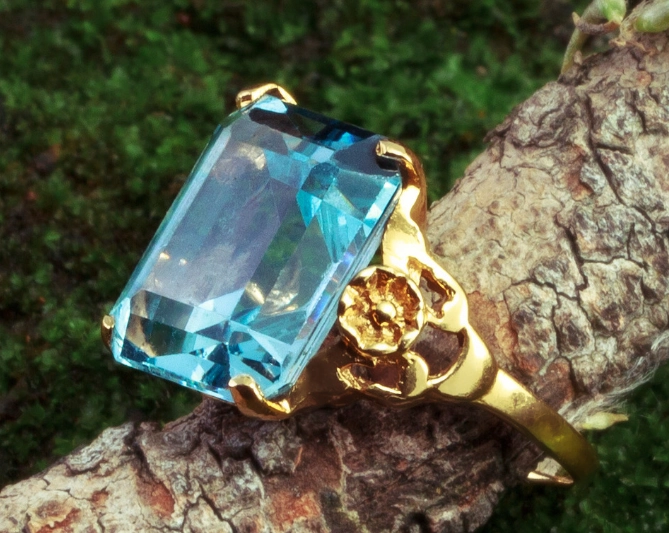
Your Aquamarine Questions Answered
From a symbolic standpoint, that's one of its classic uses. The idea is to channel its association with clear, courageous communication. Don't expect a magic cure, but as a ritual object, it can be powerful. Wear it or hold it during preparation to focus your intention on clarity. During the speech, let its presence on your body be a subtle reminder to slow down and breathe. It shifts the focus from "I am anxious" to "I am supported and clear." I've recommended this to clients, and the ritual itself often creates a useful mental shift.
Not at all. This is a widespread misconception. Value peaks at a saturated, medium-toned blue. Stones that are too dark can appear almost opaque and lose the luminous, watery quality that defines aquamarine. The GIA's color grading system emphasizes tone and saturation, not just darkness. A perfect "Santa Maria" blue is medium, not dark. When buying, prioritize a bright, lively color over simply a deep one.
Ignoring the setting. Aquamarine's beauty is in its clarity and sparkle. A setting with a high, closed basket or overly thick prongs can block light and make the stone look dull and small. Look for settings that are open below the stone (like a trellis or open claw) to allow maximum light passage. For a modern, sleek look, a bezel setting can work, but ensure the metal isn't covering too much of the gem's crown. The setting should showcase the stone, not hide it.
They're often confused! Here's the quick breakdown: Natural blue topaz is pale; most vibrant blue topaz (like London Blue or Swiss Blue) is irradiated and treated. It's harder (8 vs. 7.5-8) but can have a more "glassy" look. Aquamarine has a softer, more velvety luster and a color that's usually more natural-looking (even when heat-treated). Topaz is generally much less expensive per carat. The choice comes down to budget and the specific color you love. If you want the traditional birthstone with centuries of lore, aquamarine is the pick. If you want a larger, darker blue stone on a budget, topaz is great. Just know what you're buying.