Let's talk about the color of March's birthstone. Most people picture a faint, washed-out blue. That's not wrong, but it's like describing the ocean as "wet." The real story of aquamarine color is deeper, more nuanced, and frankly, more interesting. It's a spectrum that runs from the barest whisper of sky to the intense blue of a tropical lagoon, and where your stone falls on that spectrum decides almost everything about its value and appeal. I've seen collectors pay ten times more for a specific shade, and I've also watched buyers get disappointed because the stone in their hand didn't match the photo online. This guide will walk you through what that color actually means, how to see the differences, and how to pick one you'll love forever.
What's Inside This Guide
What Does Aquamarine Color Symbolize?
The name says it all: aqua marina, Latin for "sea water." For centuries, sailors carried these stones as talismans for calm voyages. But the symbolism goes beyond just matching the ocean's hue. The clean, transparent blue is tied to clarity of mind, emotional balance, and fearless communication. It's not a stormy or mysterious blue—it's the blue of a clear, calm day at sea. That's why in jewelry, it often feels fresh and serene, not heavy or dramatic.
There's a practical side to this lore. The most valued colors—those pure, medium blues without any gray or green—are also the rarest in nature. The association with purity and value grew hand-in-hand. When you see a top-grade aquamarine, that lack of secondary tones isn't just an aesthetic choice; it's a reflection of near-perfect chemical conditions during the crystal's formation, free from excess iron impurities that muddy the color.
A Quick Mineralogy Note
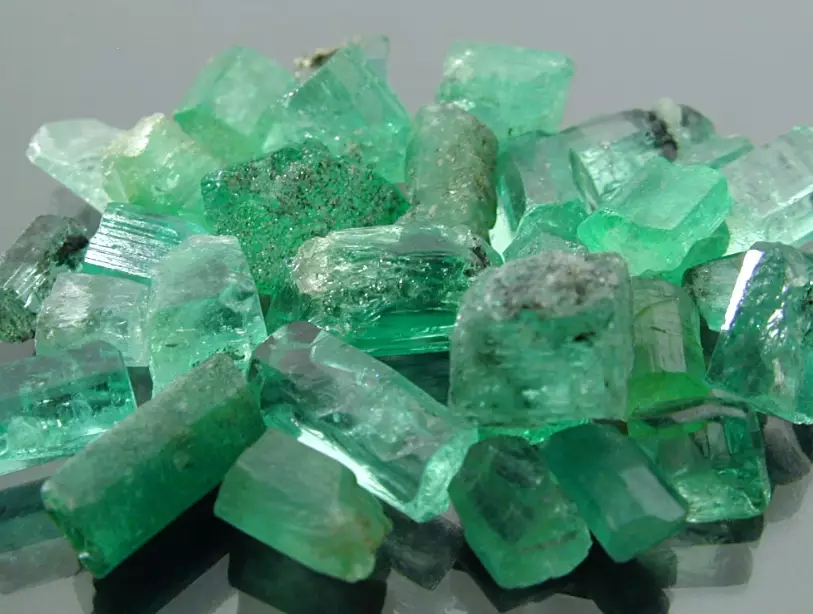
Aquamarine is a blue-to-blue-green variety of the mineral Beryl. Its color comes from traces of iron (Fe2+). Emerald is also a Beryl, but its green comes from chromium or vanadium. This iron basis is why you'll never find a neon or royal blue aquamarine—its palette is inherently softer and more pastel.
Aquamarine Color Chart: From Pale to Santa Maria
Forget vague terms like "light blue" or "sky blue." The trade uses specific, if sometimes romantic, names to classify aquamarine color. Think of it as a ladder of saturation and value.
At the bottom, you have the very pale, almost colorless stones with just a hint of blue. These are common and affordable. As the blue becomes more noticeable and saturated, the price climbs. The pinnacle is a deeply saturated, vivid blue with no green or gray modifiers. The most famous (and expensive) example is the "Santa Maria" color, named after a prolific mine in Brazil that produced exceptionally deep blue stones.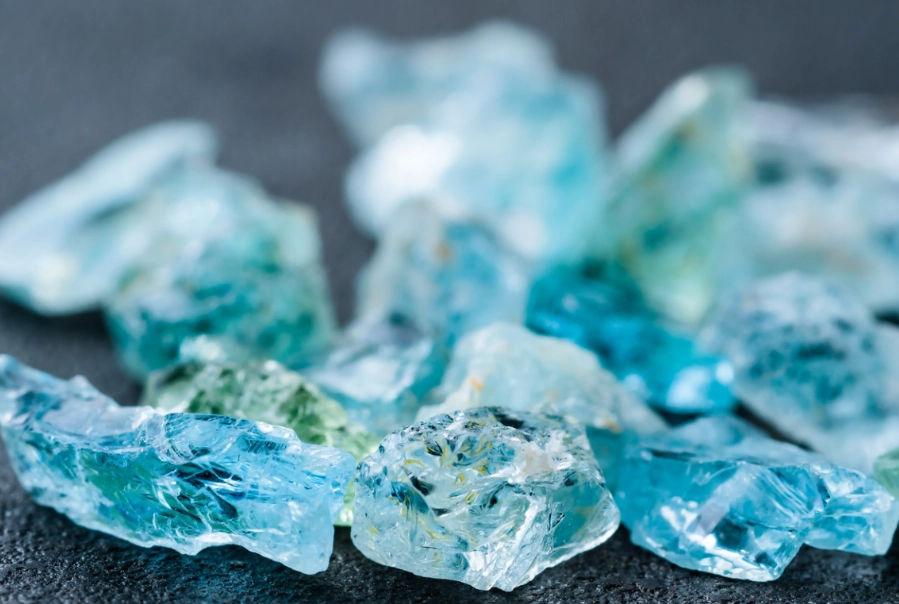
Here’s a breakdown you can use as a reference:
| Color Grade | Commercial Names You Might Hear | What It Looks Like | Rarity & Note |
|---|---|---|---|
| Pale | Sky Blue, Pastel Blue | A very faint blue tint, often in larger stones. Can look almost white in certain lights. | Most common. Great for budget-friendly statement pieces. |
| Light to Medium | Classic Aqua, Swiss Blue | A clear, recognizable blue. The classic "aquamarine" color most people imagine. | Widely available. The sweet spot for many engagement rings and everyday jewelry. |
| Medium to Intense | Brazilian Blue, Ocean Blue | A more saturated, definite blue. The color feels "present" and rich. | Less common. Commands a significant premium over lighter stones. |
| Vivid & Deep | Santa Maria, Espirito Santo | A highly saturated, vibrant blue with no greenish tone. Named after specific Brazilian mines. | Rarest and most valuable. "Santa Maria" is often treated as a brand for the finest color. |
| Greenish-Blue | Seafoam, Aqua Green | A blue with a noticeable green secondary tone. Reminiscent of tropical shallows. | Popular for its unique, watery character. Often more affordable than pure blues of similar saturation. |
A word on "Santa Maria." It's become a bit of a marketing term. True Santa Maria color from the original mine is exceptionally rare. Many dealers now use it to describe any aquamarine with a similar deep, saturated blue. Don't just buy the label—buy the color you see with your own eyes.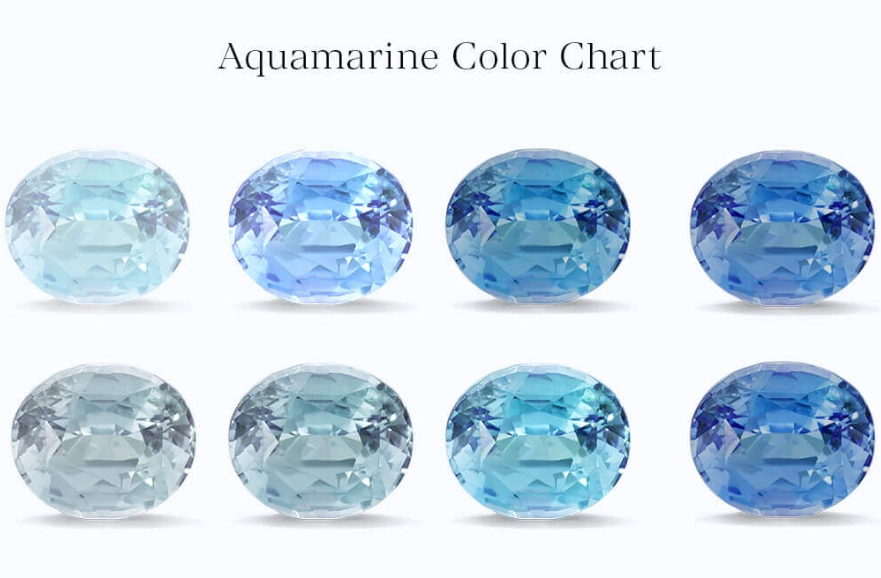
How to Choose the Perfect Aquamarine Color
This is where it gets personal. The "best" color isn't the most expensive one; it's the one that makes you stop and stare. I always tell people to consider three things together: the setting, the lighting, and their own skin tone.
First, the metal. A pale aquamarine can get lost in white gold or platinum. It often needs the warmth of yellow or rose gold to give the blue some contrast and make it pop. A deep Santa Maria blue, on the other hand, looks stunning and modern against cool white metals.
Lighting is the great revealer. Aquamarine is at its most brilliant under daylight or white LED light. Under warm, yellow-toned indoor lights (like most home lighting), the blue can look slightly duller or greener. Always ask to see the stone in different lights. If you're buying online, a reputable seller will show videos in both daylight and indoor light.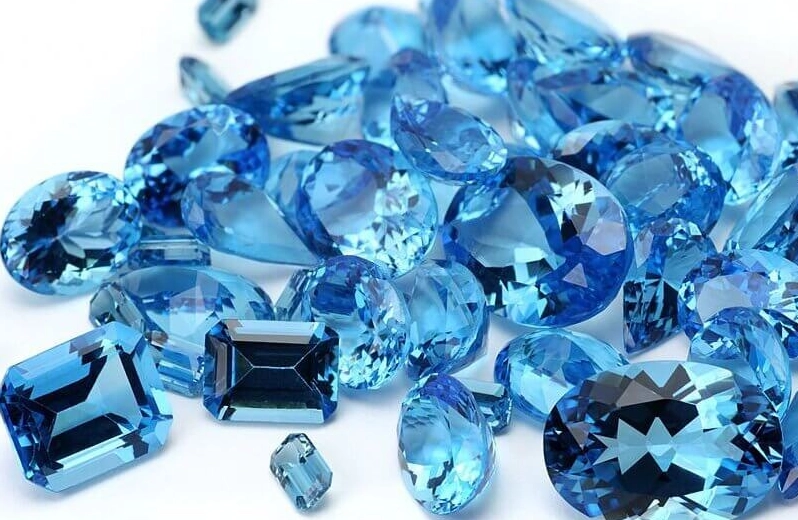
Matching Color to Your Style
Think about how you'll wear it.
- For an engagement ring or daily wear piece, a medium "Classic Aqua" blue is a fantastic choice. It's visibly blue, durable, and less likely to show everyday dust or lotion film than a very pale stone.
- For a bold cocktail ring or pendant, going for a high-saturation color makes sense. It's a centerpiece.
- If you love vintage or art nouveau styles, a slightly greenish-blue "seafoam" aquamarine can look incredibly authentic and ethereal.
I made a mistake early on, buying a very pale stone for a solitaire ring. In the showroom lights, it looked icy and elegant. In my day-to-day life, it often just looked like a clear stone. I learned to prioritize saturation over sheer size.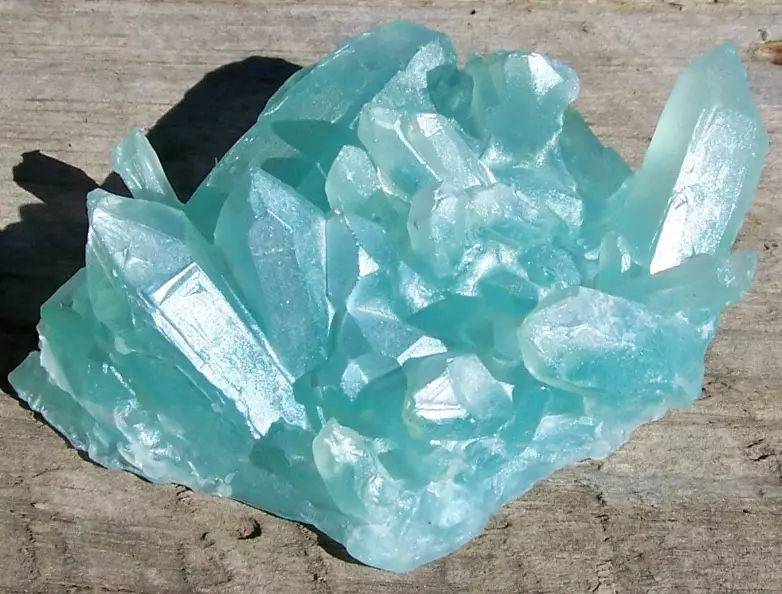
3 Common Color Mistakes (And How to Avoid Them)
After years in this field, I see the same pitfalls again and again.
Mistake 1: Chasing size over color. A large, pale aquamarine is cheaper per carat than a smaller, more saturated one. But a small, vivid stone often has more visual impact and personality than a giant watery one. Don't get blinded by carat weight. A 2-carat stone with great color is usually a smarter buy than a 5-carat stone with weak color.
Mistake 2: Not checking for gray or dullness. This is the silent killer of aquamarine appeal. Some stones have a grayish mask over the blue, which kills its liveliness. They might photograph with a nice blue tone, but in person, they look flat and sleepy. Always look for stones described as "bright" or "lively" and avoid terms like "soft" or "muted" if you want sparkle.
Mistake 3: Assuming the photo is accurate. Gemstone photography is an art. Sellers use specific lighting and backgrounds to enhance color. A stone that looks like a perfect medium blue online might arrive and lean slightly green. Always, always buy from a seller with a solid return policy. Reputable dealers, like those adhering to standards from the American Gem Trade Association, will be transparent about color.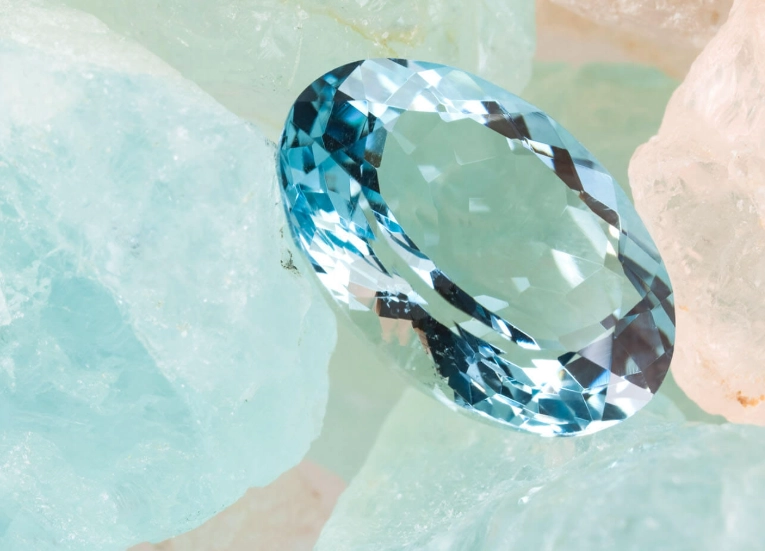
Your Aquamarine Color Questions Answered
Why does my aquamarine color look different in photos than in person?
Lighting and background are everything. Cool, bright daylight or studio lights maximize blue. Warm indoor lights suppress it. The human eye also perceives color differently than a camera sensor. A reputable dealer will provide videos in multiple light sources (daylight, indoor, hand-shot) to give you the full picture. If they only show one perfectly lit studio shot, be cautious.
Does a darker aquamarine color mean it's better quality?
Not necessarily "better," but typically more valuable. In the gem trade, for blue aquamarine, richer saturation generally commands a higher price, assuming clarity is good. However, "dark" can sometimes mean a stone that is too deep and loses brightness, looking inky. The ideal is a vivid, saturated blue that still retains brilliance and life. Don't confuse darkness with saturation.
Can heat treatment change the aquamarine color?
Yes, and this is standard practice for probably 90% of aquamarines on the market. Most rough aquamarine has a greenish or yellowish tint. Controlled heat treatment removes those secondary tones, leaving a purer, more stable blue. This process is permanent and accepted in the industry. It's not something to avoid, but it is something a trustworthy seller should disclose. An untreated, naturally pure blue aquamarine is very rare and priced accordingly.
I've seen "Maxixe" type aquamarine with a deep blue color. Is that a good buy?
I'd steer clear for jewelry. Maxixe is a type of beryl that gets its intense blue from radiation, either natural or lab-induced. The catch? This color is notoriously unstable and fades rapidly in light. You might buy a deep blue stone that turns pale yellow or colorless within months of sunlight exposure. For a permanent piece, stick with traditionally heat-treated aquamarine.
How does aquamarine color hold up over time compared to sapphire?
A properly heat-treated aquamarine's color is completely stable for a lifetime. It won't fade under normal wear. The difference with a blue sapphire is inherent. Sapphire's color (from titanium and iron) is in a different league of saturation—it's a denser, more velvety blue. Aquamarine offers a lighter, more transparent, and breezier blue. One isn't better; they're different moods. Sapphire is a classic formal blue; aquamarine is a relaxed, daytime blue.