If you're born in March, you've hit the jackpot. You don't get just one birthstone, you get a trio: the serene blue aquamarine, the ancient and grounding bloodstone, and the revered, wisdom-rich jade. Most articles just list them and call it a day. But that misses the point. The real story is why these three, how they're fundamentally different from each other, and—more importantly—how you can choose the right one for you or a loved one. This isn't just a list; it's a deep dive into the history, meaning, and practical reality of owning and wearing March's unique set of birthstones.
Your Quick Guide to March’s Gems
The 3 Official March Birthstones
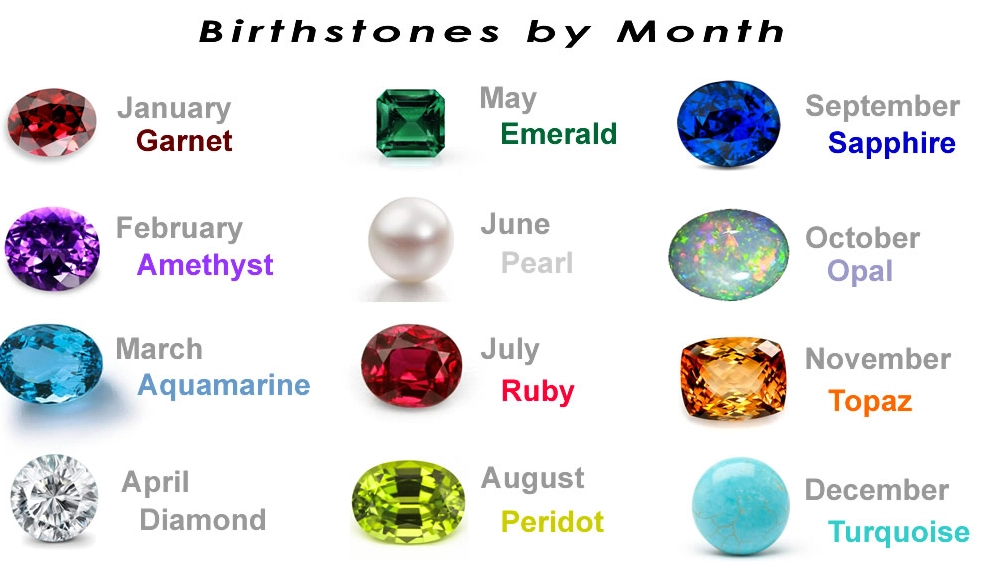
First, let's clear something up. The official list from the American Gem Trade Association (AGTA) and Jewelers of America (JA) recognizes both aquamarine and bloodstone as modern March birthstones. Jade, specifically nephrite jade, is recognized as an alternative or traditional birthstone for March. So when people ask "what are the 3 birthstones for March," they're referring to this widely accepted trio. It's not a random pick; each represents a different facet of the month's transition from winter to spring.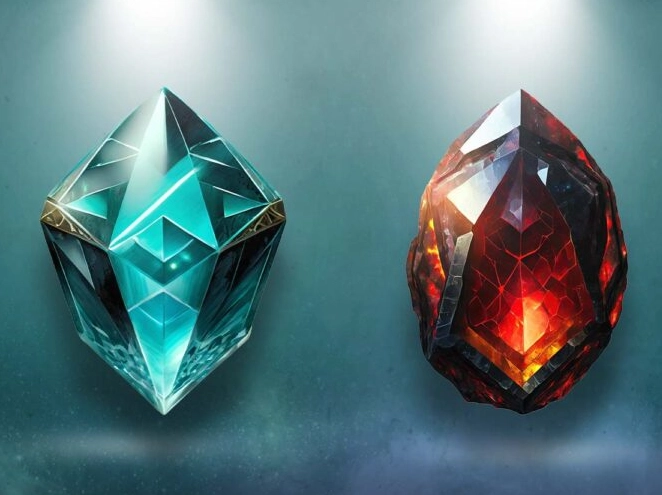
Quick Take: Think of aquamarine as the calm, clear sky after a storm (valued for its clarity and color), bloodstone as the enduring, speckled earth beginning to thaw (valued for its opaque, protective nature), and jade as the resilient, deep-green life force pushing through (valued for its toughness and cultural depth). They couldn't be more different in look, feel, and history.
Deep Dive into Each March Birthstone
Here’s where we get into the specifics. A simple table can show you the stark differences at a glance.
| Gemstone | Primary Color & Look | Mohs Hardness | Key Symbolism | Classic Use |
|---|---|---|---|---|
| Aquamarine | Light sky blue to deep sea blue, transparent. | 7.5 - 8 | Calm, courage, clarity, safe passage. | Statement rings, earrings, pendants. |
| Bloodstone | Dark green with red flecks (like blood), opaque. | 6.5 - 7 | Strength, vitality, grounding, healing. | Men's signet rings, beads, carvings, seals. |
| Jade (Nephrite) | Celery green to spinach green, often semi-translucent. | 6 - 6.5 | Wisdom, harmony, protection, longevity. | Carved pendants, bangles, sculptures, beads. |
That hardness number is crucial and often overlooked. A diamond is a 10. Aquamarine at 7.5-8 is very suitable for daily-wear rings. Bloodstone and jade, being softer, are more prone to scratches if worn in a ring you use for manual tasks. I've seen many beautiful jade rings with a network of fine scratches from daily wear—it adds character to some, but it's a dealbreaker if you want pristine perfection.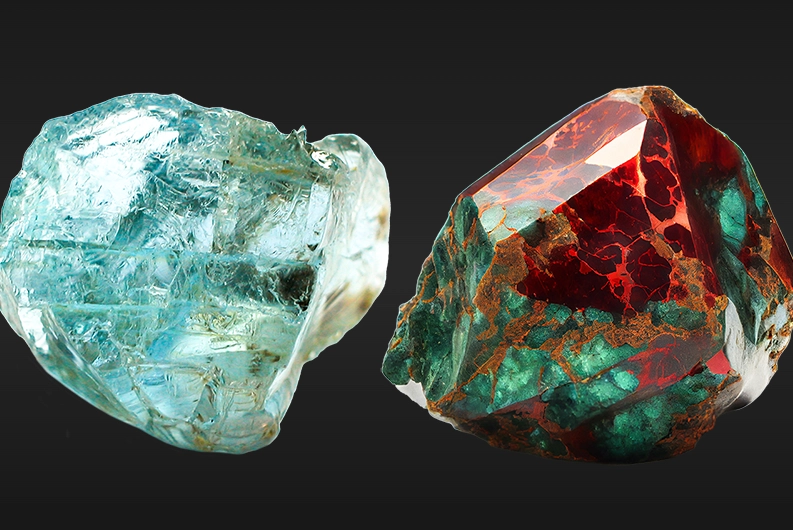
Aquamarine: The Serene Sea Stone
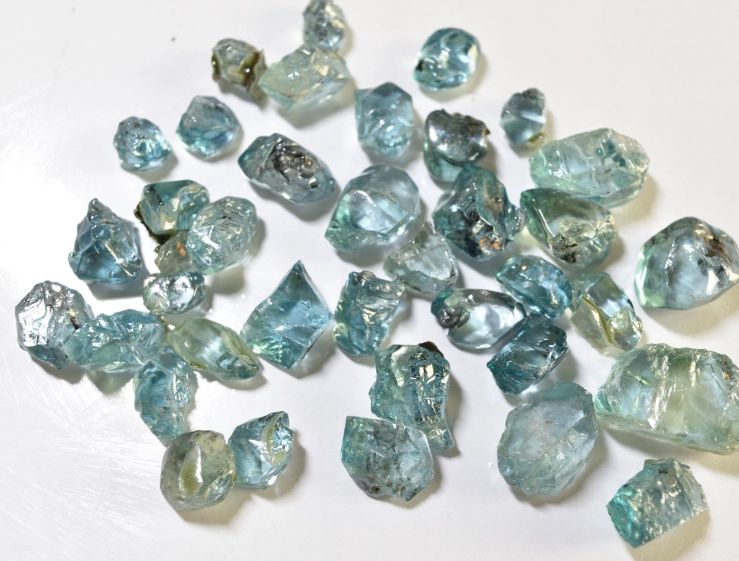
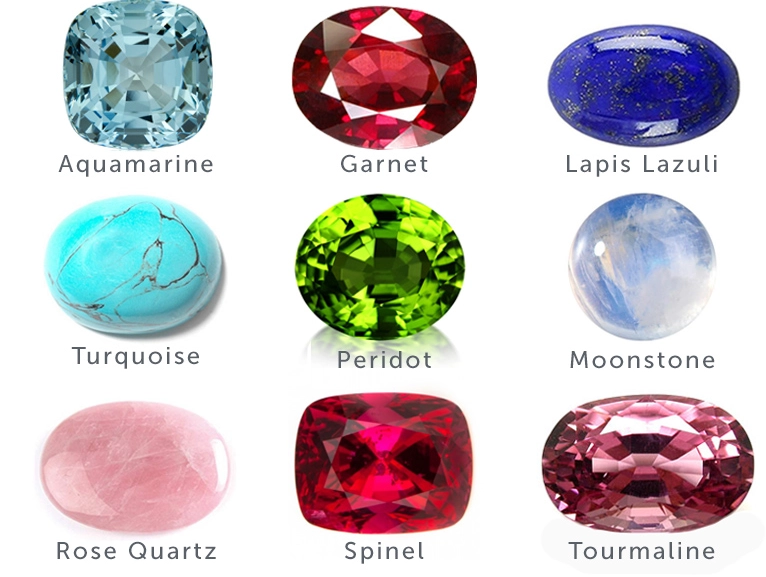
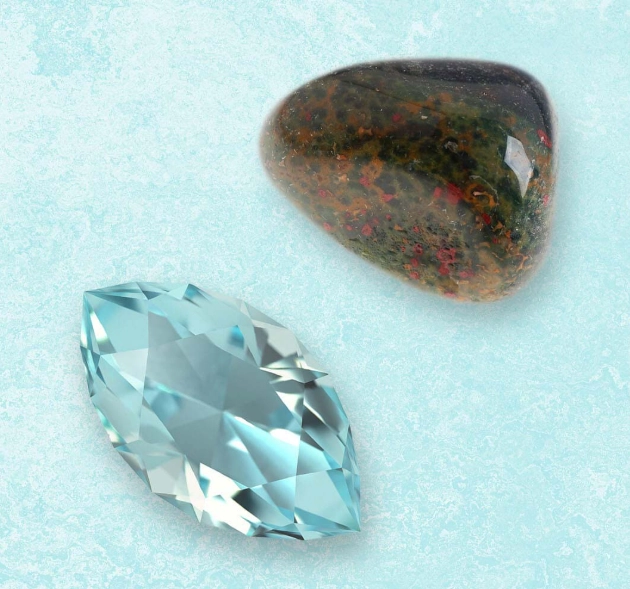
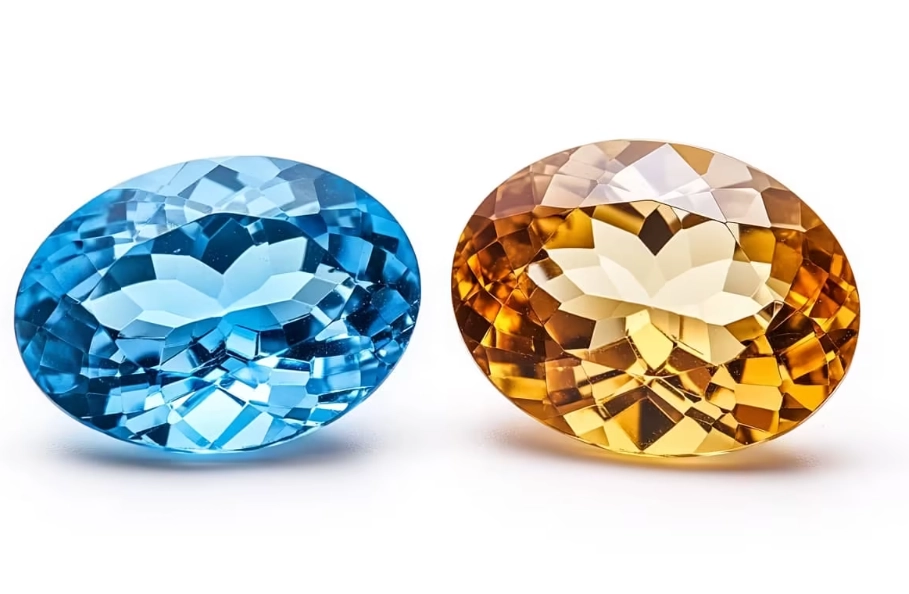
The name says it all: aqua marina, Latin for "sea water." The best stones have a clean, icy blue without any gray or green hints. Most aquamarine on the market is heated to remove greenish tones and enhance that pure blue—it's a standard, accepted practice. But here's a tip most sellers won't volunteer: if the color looks too perfect, too uniform, and the price seems surprisingly low, ask if it's a lab-created aquamarine or even a simulant like blue topaz. There's nothing wrong with lab stones if you know that's what you're buying.
Major sources include Brazil, Nigeria, and Pakistan. Brazilian stones, especially from the famous Santa Maria mine, often command a premium for their richer blue. For jewelry, it's often cut in elegant step-cuts (emerald cuts) or oval shapes to maximize its clarity and glassy luster.
Bloodstone: The Warrior's Talisman
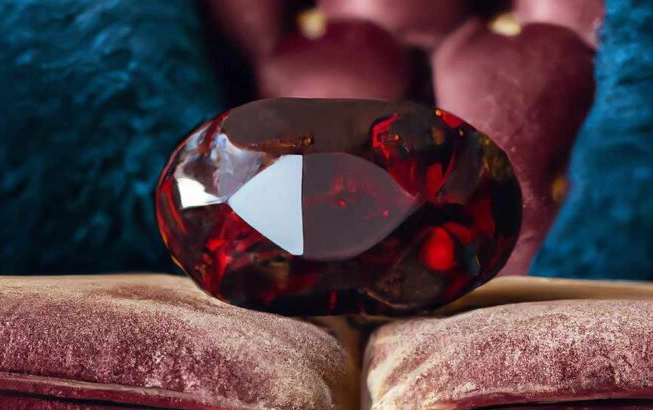
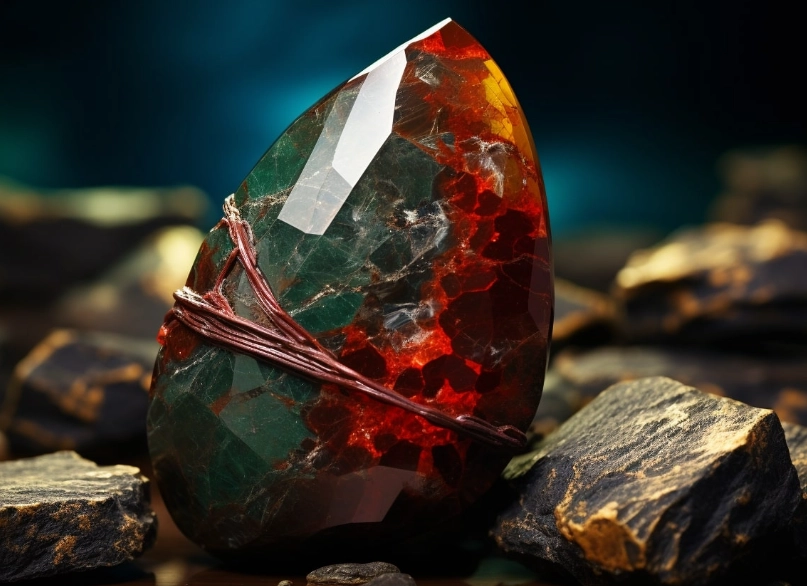
Also known as heliotrope, this is the dark horse of the trio. It's a form of chalcedony (microcrystalline quartz). The classic look is a forest-green base sprinkled with vivid red spots of iron oxide, resembling drops of blood. This appearance fueled its ancient reputation as a healing and blood-staunching stone. Roman soldiers supposedly carried it as an amulet.
It's almost always cut en cabochon (a smooth, polished dome) to best show its patterns, or carved into intaglios and seals. You won't find a "sparkly" bloodstone—its power is in its earthy, solid presence. A common mistake is confusing it with other spotted green stones. Real bloodstone has a waxy luster and those specific red inclusions. You can find fascinating historical bloodstone artifacts documented by institutions like the British Museum.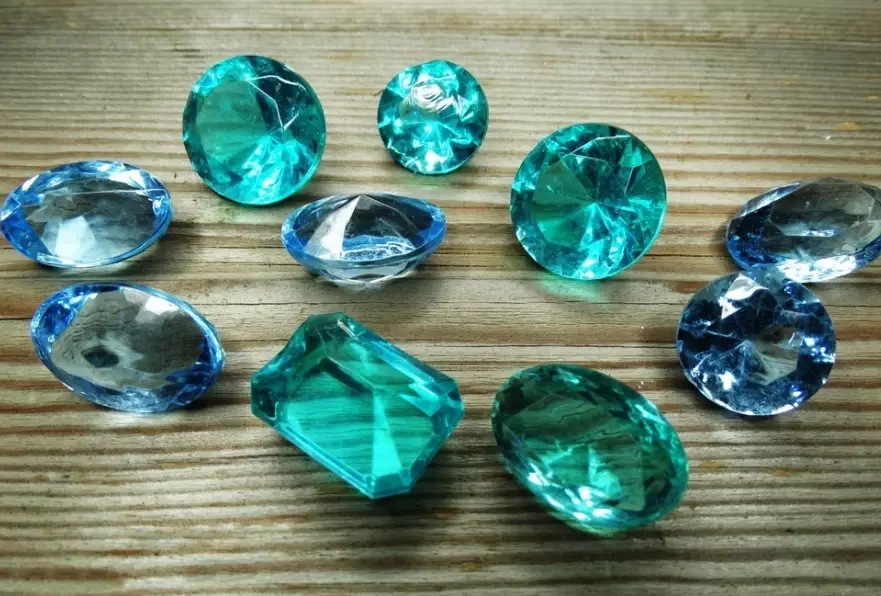
Jade: The Stone of Heaven
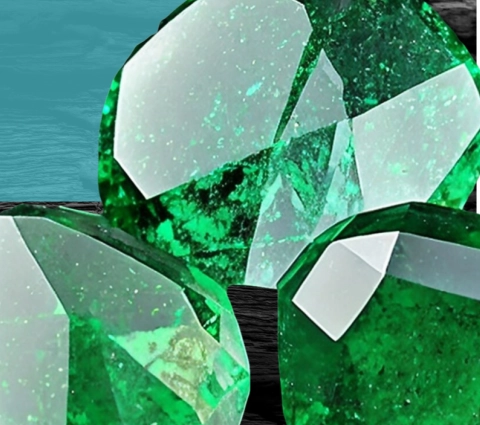
This is where things get culturally deep. For March, we're talking specifically about nephrite jade. (Jadeite is the other, often more expensive type, associated with May). Nephrite is incredibly tough—not just hard, but resistant to breaking—due to its interlocking fibrous structure. This made it ideal for ancient tools and weapons before it became sacred.
In Chinese culture, jade represents virtue, purity, and a connection between heaven and earth. The value isn't just in color, but in texture, translucency ("water"), and craftsmanship. A simple, highly translucent spinach-green nephrite cabochon can be worth more than a intricately carved piece of lower-quality material. Beware of dyed or polymer-impregnated jade flooding the market. A trusted dealer who can provide a lab report is your best bet for a significant purchase.
How to Choose Between the Three March Stones?
Your choice depends entirely on personality, lifestyle, and budget.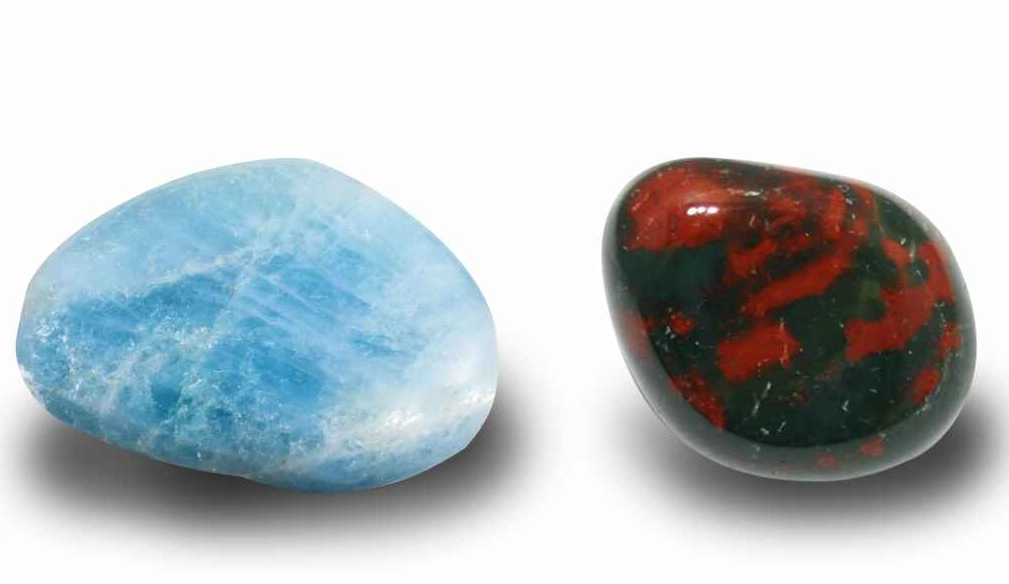
- Choose Aquamarine if: You love clean, classic, and luminous jewelry. You want a stone that sparkles and works for both everyday and formal wear. Your budget is mid to high-range (for a decent size/quality stone). You value clarity and a calming aesthetic.
- Choose Bloodstone if: You prefer unconventional, masculine, or earthy jewelry. You're drawn to history, symbolism, and pieces with a story. You're on a tighter budget—bloodstone is generally very affordable. You want a grounding, protective talisman.
- Choose Jade if: You have a deep appreciation for Eastern culture, craftsmanship, and symbolism. You value toughness and a smooth, waxy feel over brilliance. Your budget can vary wildly, but you're willing to pay for quality material and artistry. You seek wisdom and harmony.
Don't feel pressured to pick just one. I know someone who wears an aquamarine ring for daily elegance, a bloodstone bead bracelet for hiking, and a family-heirloom jade pendant for important events. They all represent March in different ways.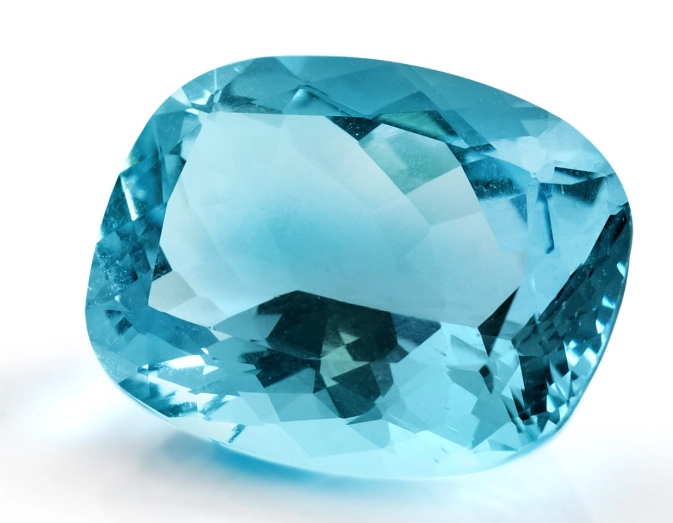
Birthstone Jewelry Care & Cleaning
This is non-negotiable if you want your jewelry to last. Each stone has different needs.
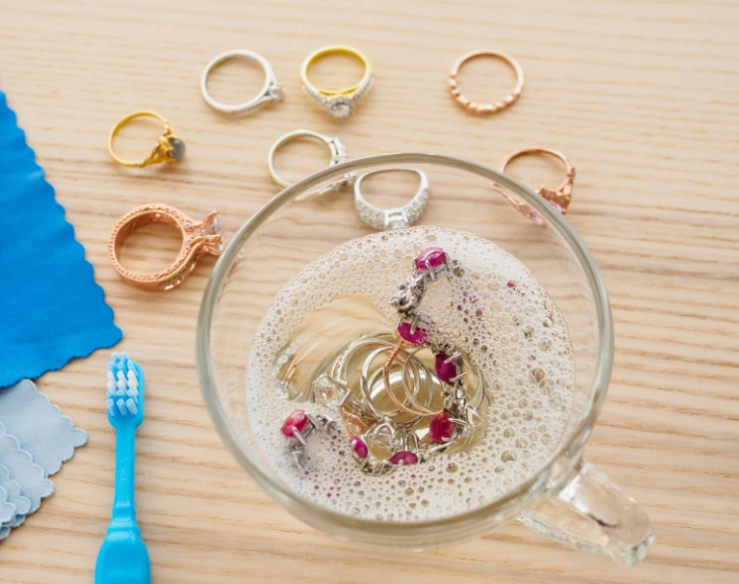
Aquamarine: Relatively durable. Clean with warm soapy water and a soft brush. Avoid ultrasonic cleaners if the stone has inclusions or fractures (which many do). Store separately to prevent scratches from harder gems.
Bloodstone & Jade: More delicate. Use only a soft, damp cloth to wipe them clean. Never use an ultrasonic or steam cleaner—the vibrations and heat can cause fractures, especially in jade pieces that may have old, stabilized fissures. For both, avoid harsh chemicals and sharp blows.
The setting matters too. Bloodstone and jade look fantastic in bezel settings that protect their edges. Aquamarine can handle a prong setting that lets in more light.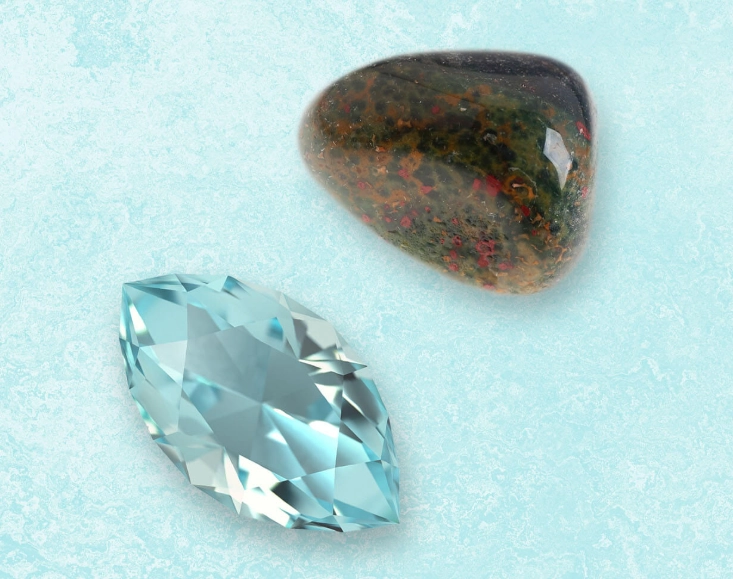
Your March Birthstone Questions Answered
So there you have it. The three birthstones for March aren't just alternatives; they're a spectrum. From the sky-blue clarity of aquamarine, through the earthy, speckled realm of bloodstone, and into the profound, cultural depths of jade, you have a choice that can reflect not just a birth month, but a facet of your personality. The key is to look beyond the basic list, understand what each stone truly offers, and choose the one—or the combination—that speaks to you.