If you think aquamarine is just a light blue gem for March birthdays, you're missing the whole story. I've worked with gemstones for over a decade, and let me tell you—the aquamarine birthstone meaning runs deep, from ancient sailor tales to modern healing practices. It's about courage, calm, and a connection to the sea that goes beyond its color. In this guide, I'll break down what aquamarine really symbolizes, how to pick one that lasts, and common pitfalls even seasoned buyers fall into.
Here's What We'll Cover
- What Is the Aquamarine Birthstone?
- A Dive into History: Where Aquamarine Comes From
- The Symbolism of Aquamarine: What It Really Means
- How to Choose the Perfect Aquamarine: A Practical Guide
- Caring for Your Aquamarine: Dos and Don'ts
- Expert Insights: Common Mistakes and How to Avoid Them
- Frequently Asked Questions About Aquamarine
What Is the Aquamarine Birthstone?
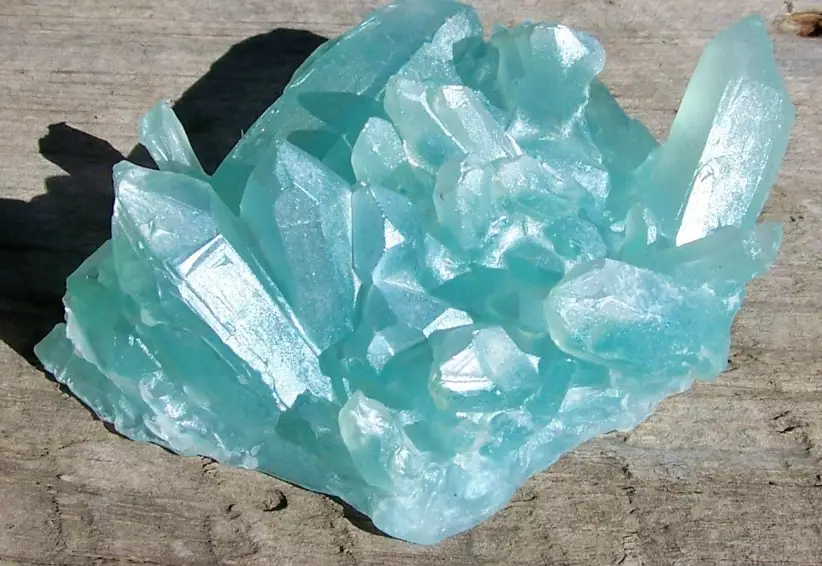
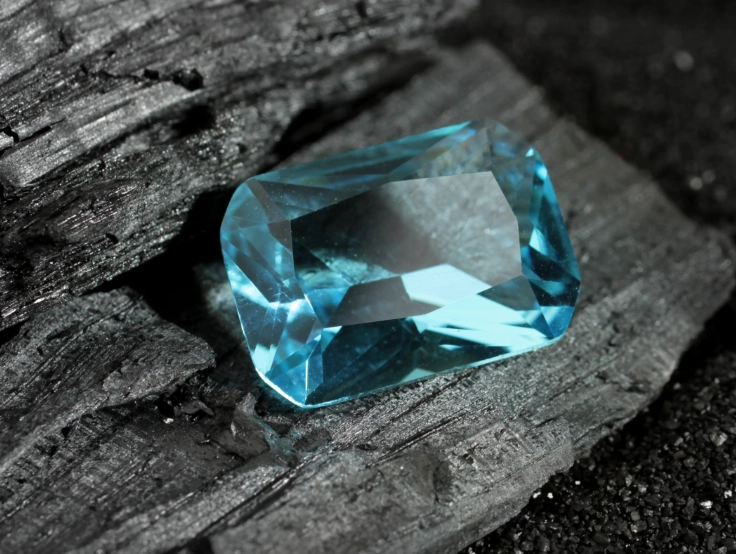
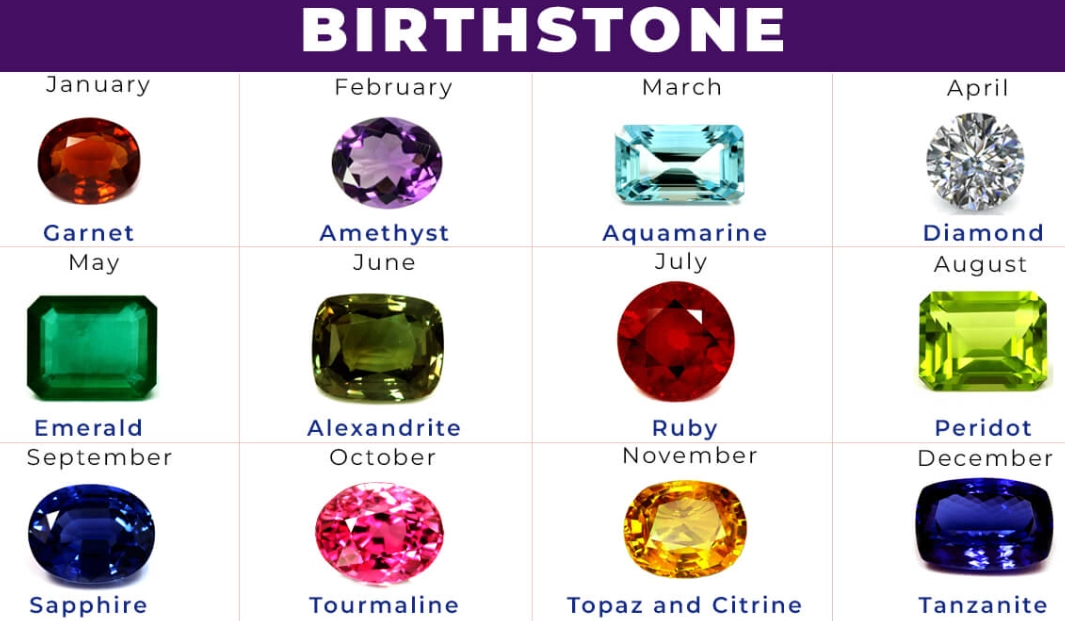
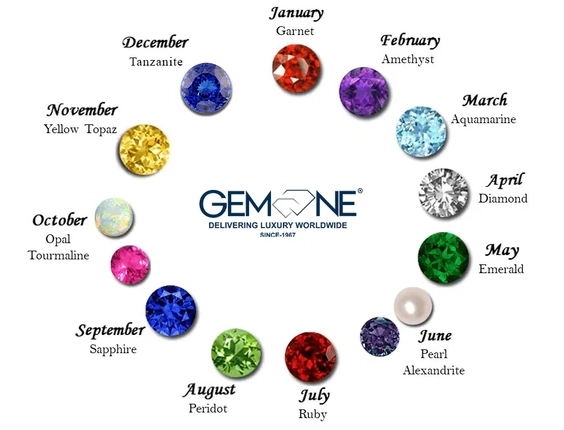
Aquamarine is the official birthstone for March, according to modern gemology lists like those from the American Gem Trade Association. But here's something many get wrong: it's not just for March babies. Anyone drawn to its serene hue can wear it. The name comes from Latin—"aqua marina" meaning "sea water"—and that's no accident. I've seen clients who assume all aquamarines are pale blue, but they range from almost colorless to deep blue-green, depending on iron impurities. It's a variety of beryl, same family as emerald, but with a hardness of 7.5 to 8 on the Mohs scale. That means it's durable but not indestructible; I've chipped one by accident when cleaning it too roughly.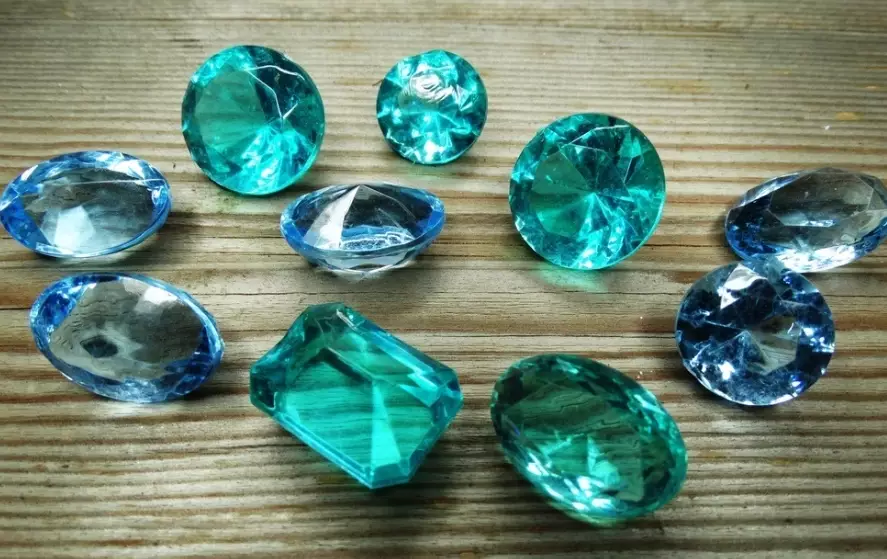
A Dive into History: Where Aquamarine Comes From
Historically, aquamarine was a talisman for sailors. Ancient Romans believed it could protect against storms and ensure safe voyages. There's a record from the Gemological Institute of America (GIA) noting that Roman fishermen wore aquamarine amulets. Fast forward to the 19th century, it became popular in royal jewelry—like the Brazilian aquamarine parure given to Queen Elizabeth II. But the history isn't all glamorous. In some cultures, it was ground into powder for medicinal potions, which I think is a waste of a beautiful stone. Today, major sources include Brazil, Nigeria, and Madagascar, but Brazilian stones often have that coveted sky-blue color.
The Symbolism of Aquamarine: What It Really Means
So, what does aquamarine symbolize? It's layered. Most people know it represents courage and calmness—think of the serene sea. But dig deeper, and it's tied to communication and marital harmony. I've had couples choose aquamarine engagement rings because they believe it fosters honesty. Yet, here's a non-consensus view: many crystal healing sites overhype its "instant peace" properties. In reality, wearing aquamarine won't magically solve anxiety; it's more about a mindful reminder, like carrying a touchstone for clarity.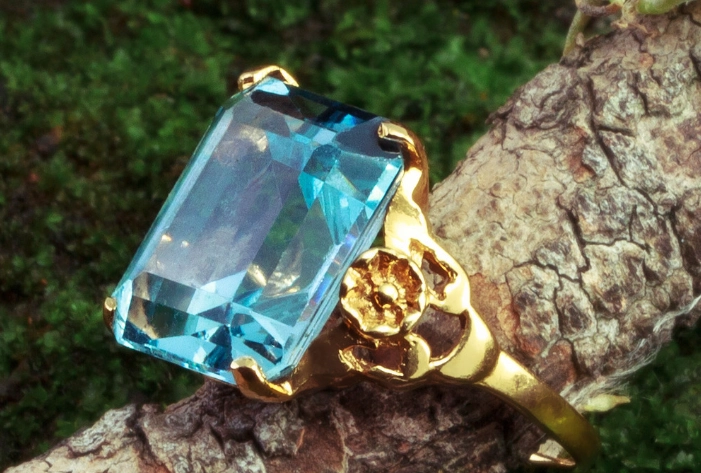
Color Variations and Their Meanings
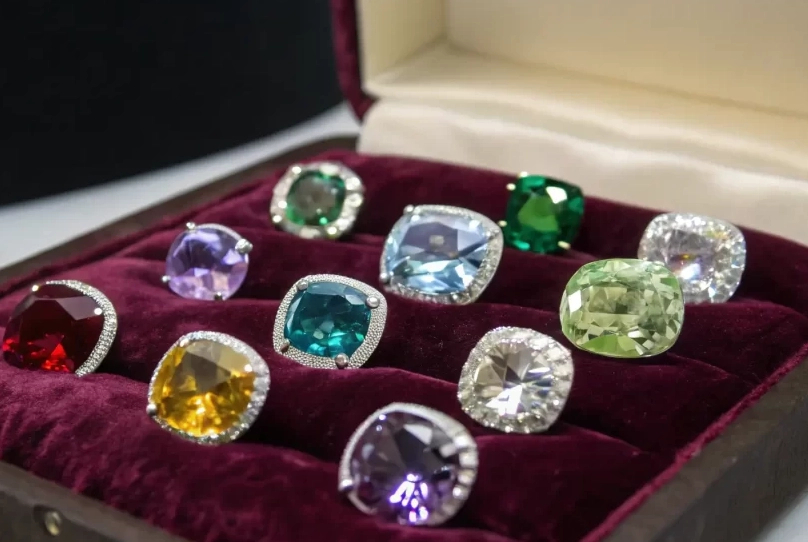
The color tells a story. Light blue aquamarines are linked to purity and new beginnings, while deeper blues symbolize wisdom and depth. Greenish tints, often overlooked, connect to earth and healing. I recall a client who rejected a slightly green stone, thinking it was inferior, but in some traditions, that hue enhances grounding effects.
Spiritual and Healing Properties
In alternative practices, aquamarine is said to soothe throat chakra issues, aiding communication. But let's be real—I've seen folks buy cheap, treated stones expecting miracles, only to feel disappointed. If you're into this, pair it with meditation, not just passive wearing. A study from the International Gem Society mentions that gemstone meanings vary culturally, so take claims with a grain of salt.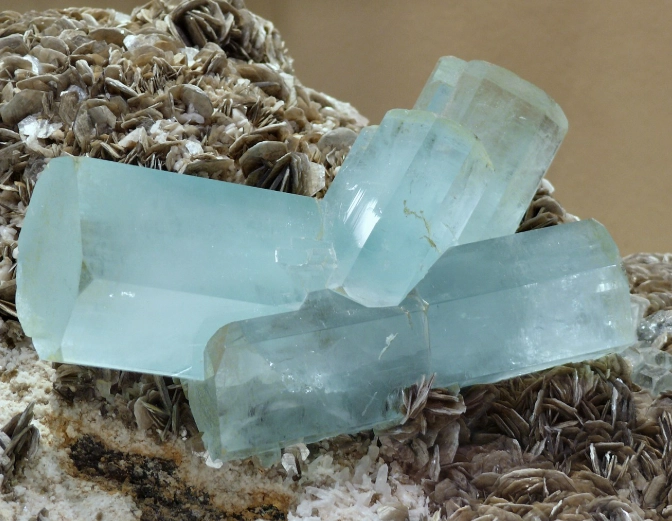
How to Choose the Perfect Aquamarine: A Practical Guide
Choosing an aquamarine isn't just about picking the prettiest blue. You need to consider color, clarity, cut, and carat. Here's a table to simplify it—based on my experience, not just textbook specs.
| Factor | What to Look For | Common Pitfalls |
|---|---|---|
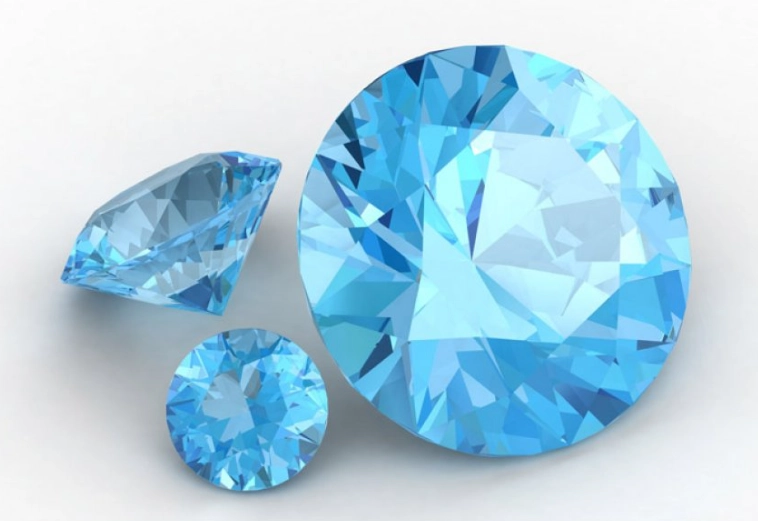
| Color | Medium to strong blue without gray tones. Saturation matters more than lightness. | Avoid stones that look washed out; they might fade over time. |
| Clarity | Eye-clean stones (no visible inclusions). Aquamarine often has few inclusions. | Don't pay premium for flawless under magnification—it's unnecessary. |
| Cut | Well-proportioned cuts that enhance brilliance, like emerald or oval cuts. | Shallow cuts can make the stone look lifeless; I've returned stones for this. |
| Carat Weight | Size depends on budget. Larger stones are common, but quality over size. | Bigger isn't always better—a small, vibrant stone beats a large, dull one. |
Imagine you're shopping for an aquamarine pendant. Start by setting a budget—say, $500. Look for a stone around 2 carats with a vivid blue color. Check the setting: prong settings protect the edges better than bezels for daily wear. I once helped a friend who bought online without seeing the stone in different lights; it looked blue on screen but greenish in person. Always ask for videos or view in natural light.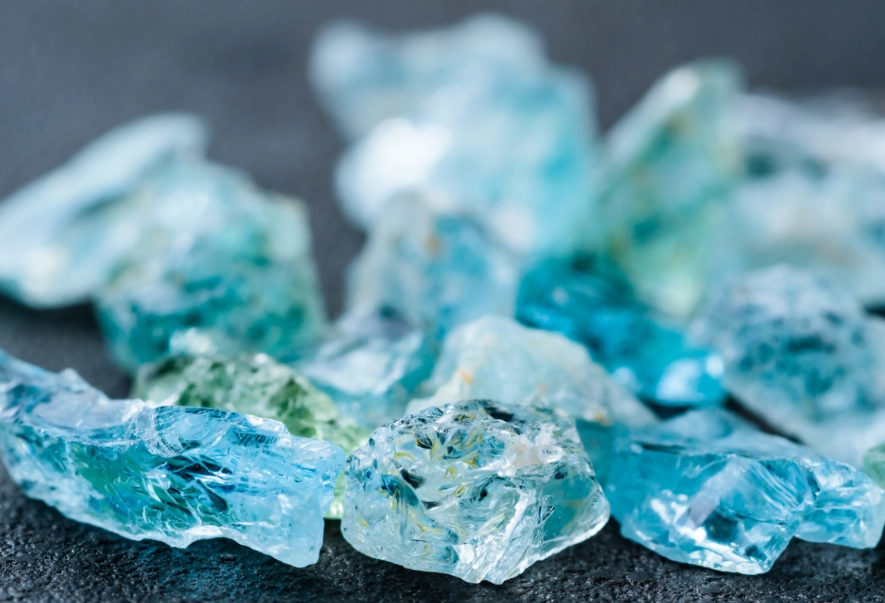
Caring for Your Aquamarine: Dos and Don'ts
How do you keep your aquamarine looking pristine? It's softer than diamonds, so treat it gently. Clean it with warm soapy water and a soft brush—avoid ultrasonic cleaners, as they can crack inclusions. Store it separately from harder gems like sapphires to prevent scratches. I've seen a ring where the aquamarine got scratched by a diamond band because they were tossed together in a box. For daily wear, consider protective settings, especially for rings.
- Do: Remove when doing heavy chores or swimming in chlorinated pools.
- Don't: Expose to sudden temperature changes, which can cause fractures.
- Do: Get it professionally checked yearly for loose settings.
Expert Insights: Common Mistakes and How to Avoid Them
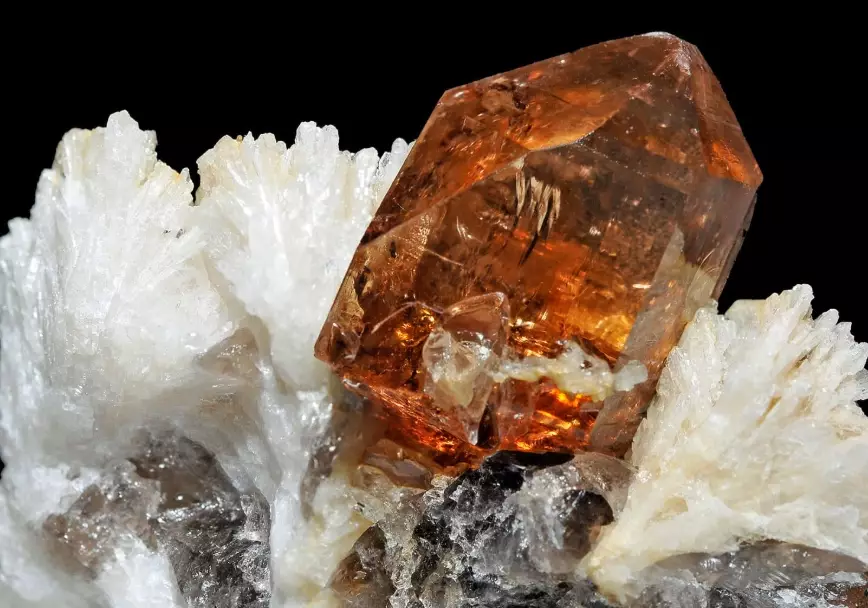
After years in the gem trade, I've noticed patterns. One big mistake: people confuse aquamarine with blue topaz. They look similar, but topaz is harder and often cheaper. Check the refractive index if you're unsure—aquamarine has a lower brilliance. Another error is ignoring origin. Brazilian aquamarines often command higher prices, but a Nigerian stone with better color might be a smarter buy. Also, many think all aquamarines are ethically sourced, but conflicts exist in some mining areas. Ask for certifications from groups like the Responsible Jewellery Council.
Here's a personal story. A client once brought in an aquamarine that had turned yellowish. Turns out, they left it in direct sunlight for months. While aquamarine is generally light-stable, prolonged exposure can affect some stones, especially if treated. So, store it in a dark place when not wearing.