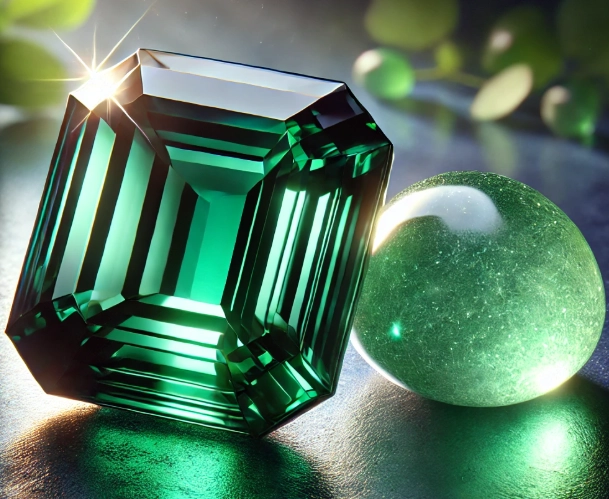
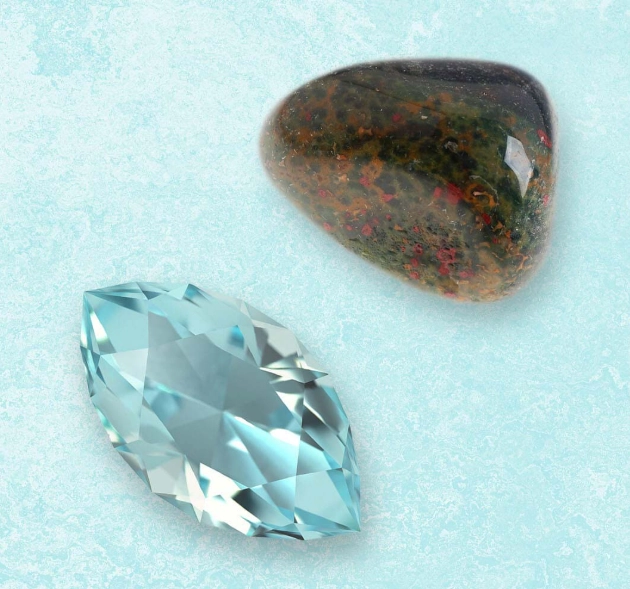
If you're born in March, you're lucky—you have two stunning birthstones to choose from: aquamarine and bloodstone. Most people know aquamarine for its serene blue hue, but bloodstone often gets overlooked. I've been collecting gemstones for over a decade, and let me tell you, both have unique stories and practical uses that go beyond the basics. In this guide, we'll dive deep into what makes these gems special, how to pick the right one for you, and common pitfalls to avoid. No fluff, just straight facts and personal insights.
What's Inside This Guide
- What Are the Two Official Birthstones for March?
- Aquamarine: More Than Just a Blue Gem
- Bloodstone: The Ancient Healer Rediscovered
- Side-by-Side Comparison: Aquamarine vs. Bloodstone
- How to Decide Which March Birthstone is Right for You
- Essential Care and Maintenance for Your Birthstones
- Frequently Asked Questions About March Birthstones
What Are the Two Official Birthstones for March?
According to the Gemological Institute of America (GIA), the recognized authority in gemology, March has two birthstones: aquamarine and bloodstone. This isn't some modern marketing gimmick—it dates back to ancient traditions. Aquamarine, from the beryl family, symbolizes tranquility and protection, while bloodstone, a form of chalcedony, is tied to courage and healing. I remember chatting with a jeweler who said many customers assume March only has aquamarine, but that's a missed opportunity. Both gems offer distinct aesthetics and meanings, making them versatile for jewelry.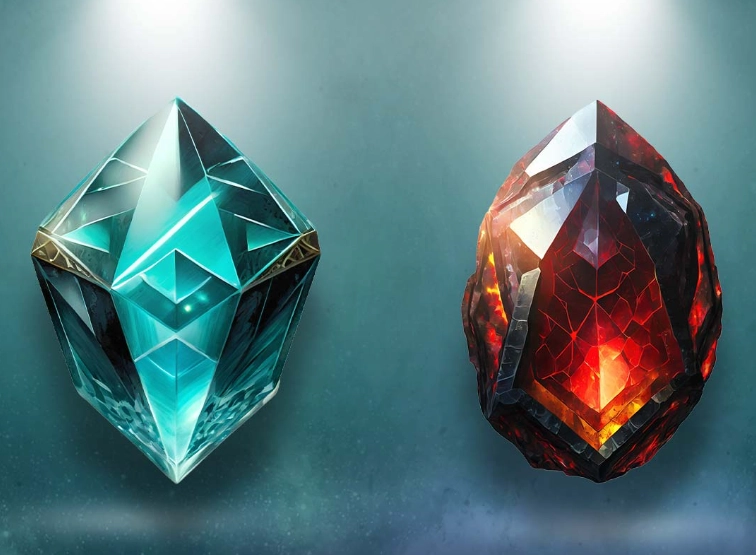
Aquamarine: More Than Just a Blue Gem
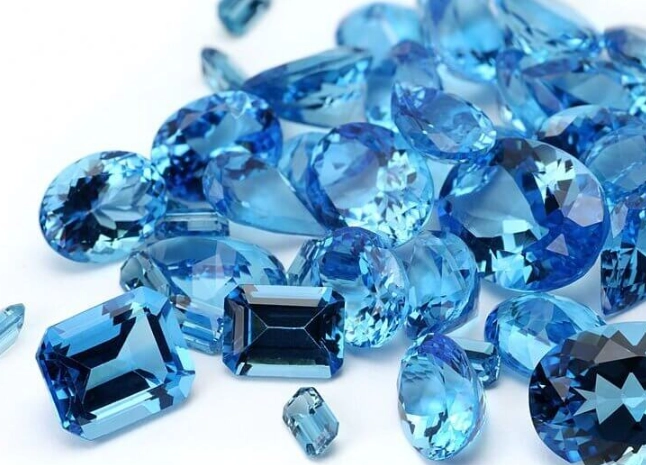
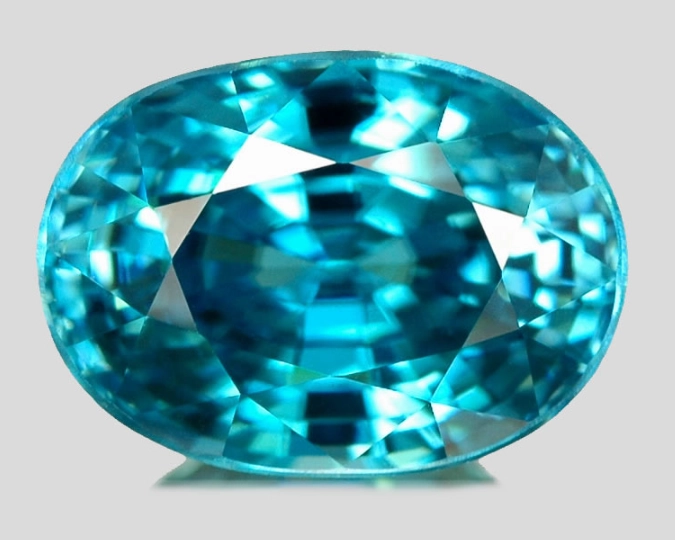
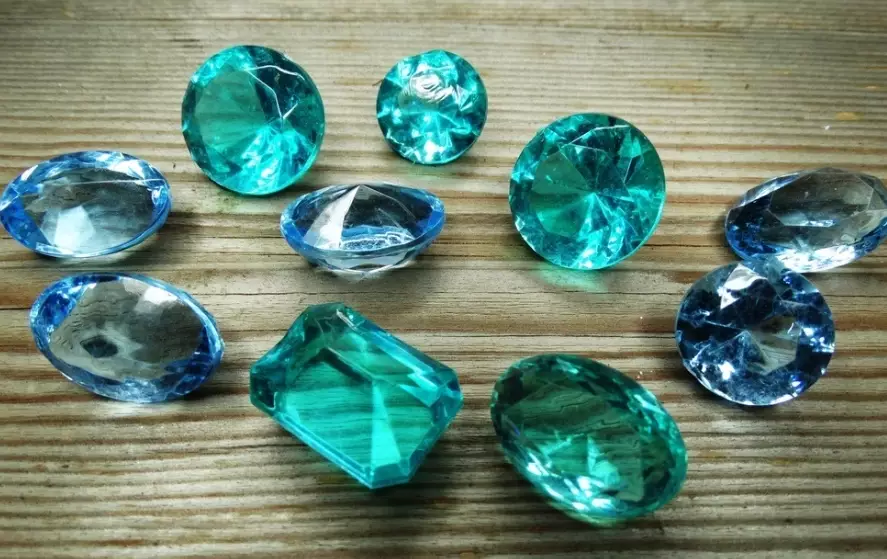
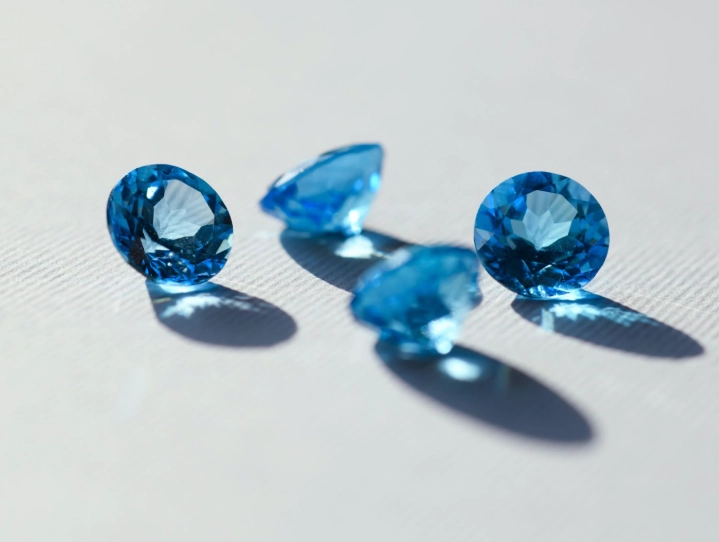
Aquamarine gets its name from Latin for "water of the sea," and yes, it's typically blue. But here's a nuance most guides skip: the color can range from pale sky blue to deep ocean shades, often influenced by trace elements like iron. If you're buying, don't just go for the darkest blue—sometimes lighter stones have better clarity and sparkle.
Color and Appearance: Not All Blues Are Equal
I've seen aquamarines that look almost greenish in certain lights, which is a common trick of the trade. The best ones have a consistent, medium blue without grayish undertones. When I bought my first aquamarine pendant, I learned to check it under natural daylight; artificial lighting can mask flaws. A tip from an old gem cutter: look for stones with minimal inclusions—those tiny internal features—as they affect durability and value.
Hardness and Durability: Is It Suitable for Daily Wear?
On the Mohs scale, aquamarine scores 7.5 to 8, which is decent for everyday jewelry like rings or bracelets. But it's not indestructible. I once chipped an aquamarine ring by knocking it against a hard surface—a rookie mistake. For active lifestyles, consider protective settings like bezels. Compared to diamonds (Mohs 10), it's softer, so avoid wearing it during heavy chores.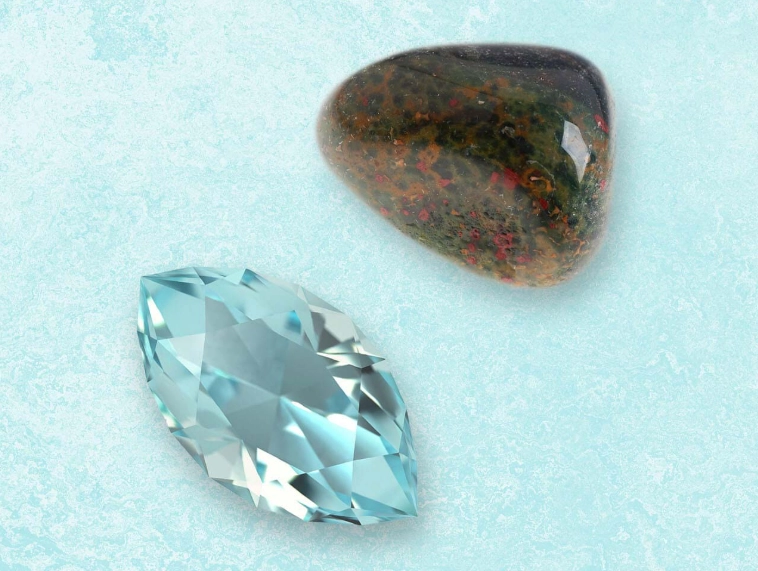
How to Buy Aquamarine: A Practical Guide
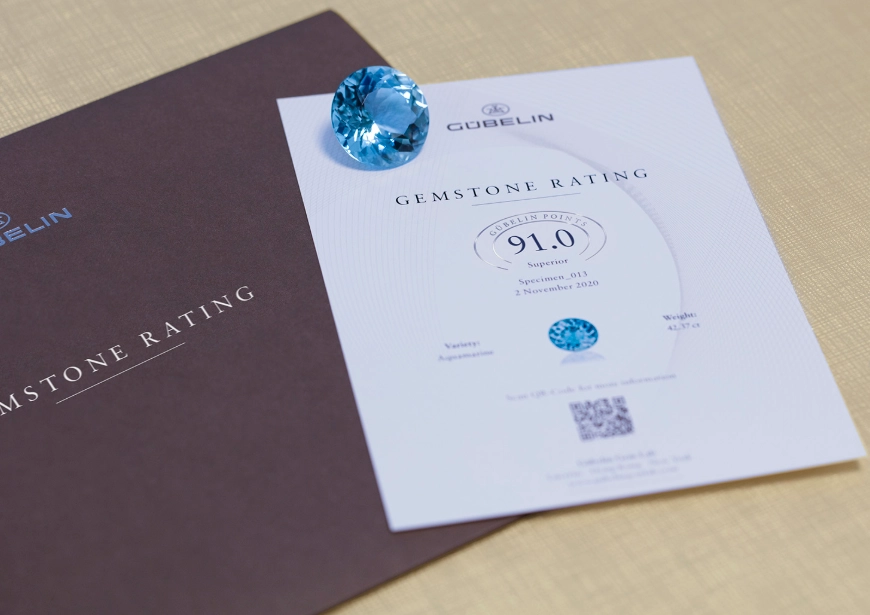
Let's get specific. Prices vary wildly: a 1-carat aquamarine can cost from $100 to over $1,000, depending on color, clarity, and cut. For a standard engagement ring-style stone, expect $300-$500 per carat. Where to buy? I recommend reputable jewelers or online platforms with certification, like those endorsed by the International Gem Society. Avoid auctions unless you're experienced—I've seen fakes passed off as natural. Look for reports from labs like GIA; they detail treatments, such as heat enhancement, which is common and acceptable but should be disclosed.
Personal anecdote: When shopping for my sister's March birthday, I found a local jeweler who sourced aquamarines directly from Brazil. The stone had a certificate, and we paid around $400 for a 1.5-carat piece. It taught me that building a relationship with a trusted seller saves money and stress.
Bloodstone: The Ancient Healer Rediscovered
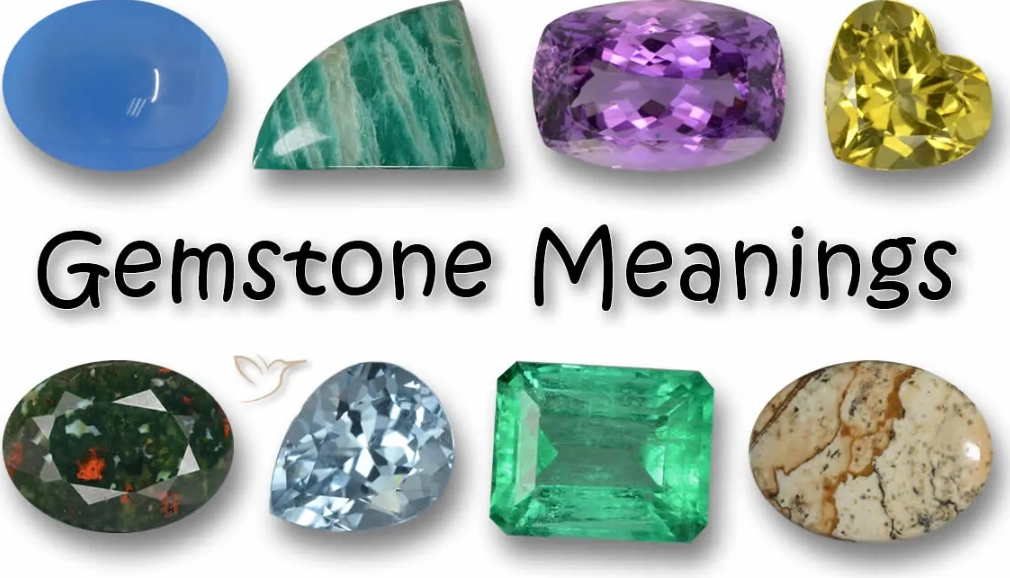
Bloodstone, also known as heliotrope, is often dismissed as "too dark" for modern tastes. That's a shame—it's a gem with rich history. Composed of green chalcedony with red iron oxide inclusions, it resembles drops of blood, hence the name. In medieval times, it was believed to have healing properties, and warriors carried it for protection. Today, it's making a comeback in minimalist jewelry.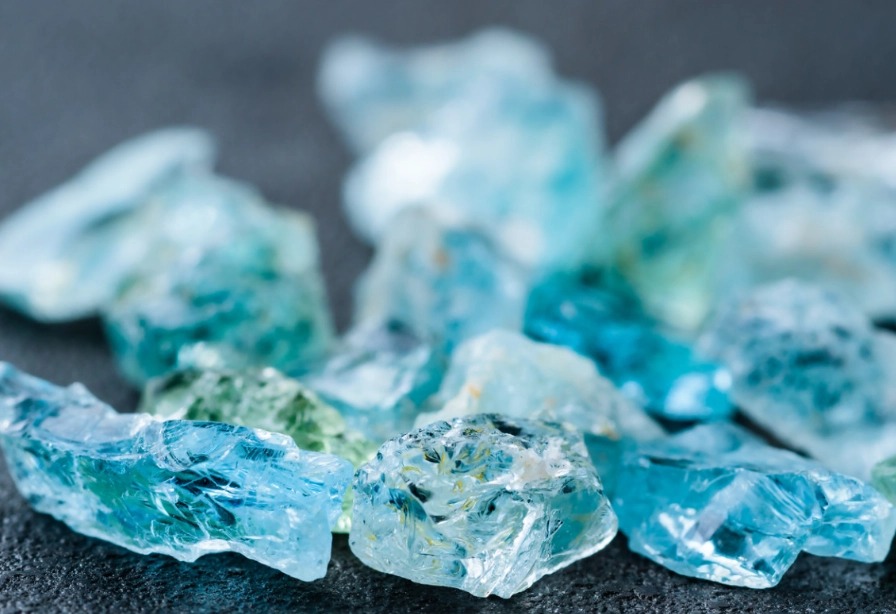
Identifying True Bloodstone: Color and Patterns
Genuine bloodstone should have a deep green base with vivid red or brown speckles. I've encountered imitations dyed to look similar; real bloodstone feels cooler to the touch and has a waxy luster. A gemologist friend told me that the best specimens come from India, but supplies are limited, so prices have crept up. For a cabochon-cut piece (polished, not faceted), you might pay $20-$50 per carat.
Historical Significance and Healing Beliefs
Beyond aesthetics, bloodstone was used in ancient amulets. Some cultures thought it could stop bleeding—a belief rooted in symbolism rather than science. I find this adds character; wearing it feels like carrying a piece of history. In my collection, I have a bloodstone seal from the 1800s, and it's a conversation starter. Modern jewelers often pair it with silver to highlight its earthy vibe.
Bloodstone in Modern Jewelry: Styles and Settings
Because it's opaque, bloodstone works well in beads, cameos, or men's rings. I've seen it set in sterling silver for around $100-$300 per piece. If you're into ethical gemstones, bloodstone is often mined in smaller, artisanal operations, which can be a plus for sustainability. Check with sellers about sourcing; some platforms like Ethical Gemstones provide transparency reports.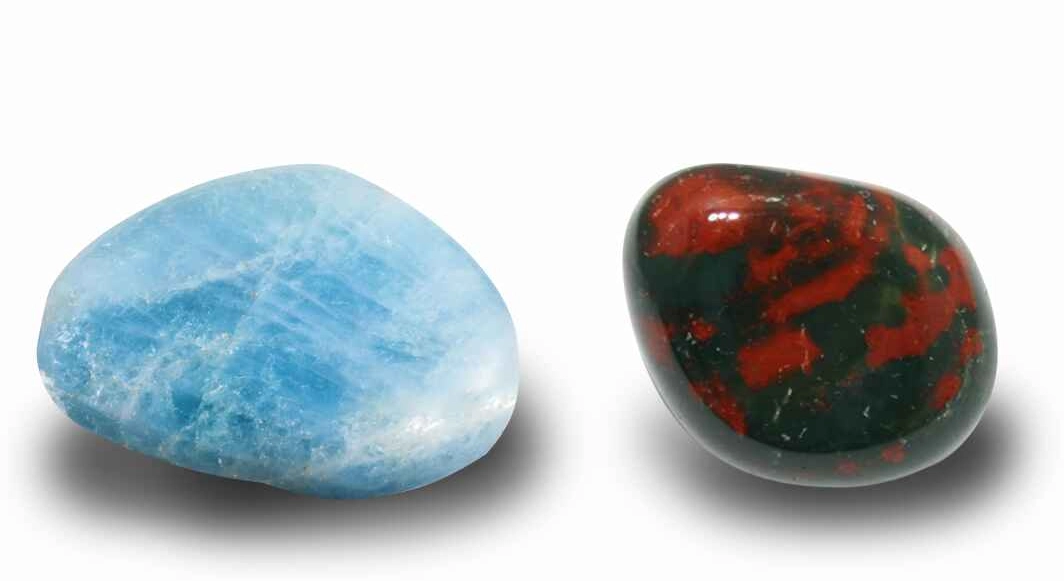
Side-by-Side Comparison: Aquamarine vs. Bloodstone
To help you decide, here's a quick breakdown. I've based this on my own experience and data from industry sources like the GIA.
| Feature | Aquamarine | Bloodstone |
|---|---|---|
| Color | Blue to blue-green, transparent | Green with red spots, opaque |
| Mohs Hardness | 7.5-8 | 6.5-7 |
| Typical Price per Carat | $100-$1,000+ | $20-$100 |
| Best for Jewelry | Rings, earrings, pendants | Beads, cufflinks, statement pieces |
| Symbolism | Calm, courage, protection | Strength, healing, vitality |
| Maintenance | Avoid harsh chemicals; clean with mild soap | Wipe with damp cloth; store separately |
Notice how aquamarine is pricier but more versatile for fine jewelry, while bloodstone offers affordability and uniqueness. I've made the mistake of assuming hardness alone matters—it's about how you'll use the gem.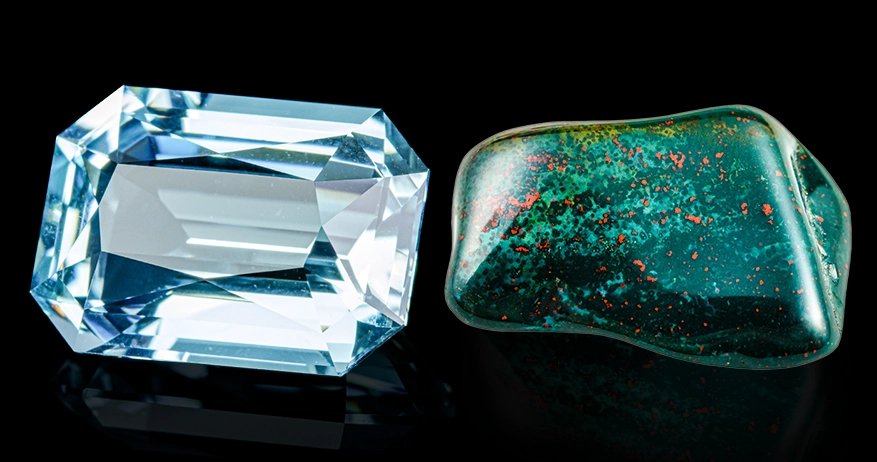
How to Decide Which March Birthstone is Right for You
Think about your lifestyle and budget. If you want something sparkly for daily wear, aquamarine might be better. But if you prefer a bold, earthy look, bloodstone could be your go-to. I helped a friend choose last year; she wanted a birthstone necklace under $200. We went with bloodstone because it allowed for a larger, custom design. For gifts, consider the recipient's taste—aquamarine suits classic styles, while bloodstone appeals to bohemian or vintage lovers.
Here's a scenario: imagine you're buying a March birthday present. List your priorities:
- Budget: Under $500? Bloodstone gives more options.
- Occasion: Engagement ring? Aquamarine's durability wins.
- Style: Modern and sleek vs. rustic and textured.
I often advise visiting a local jeweler to see both gems in person. Photos can be misleading, especially for bloodstone's patterns.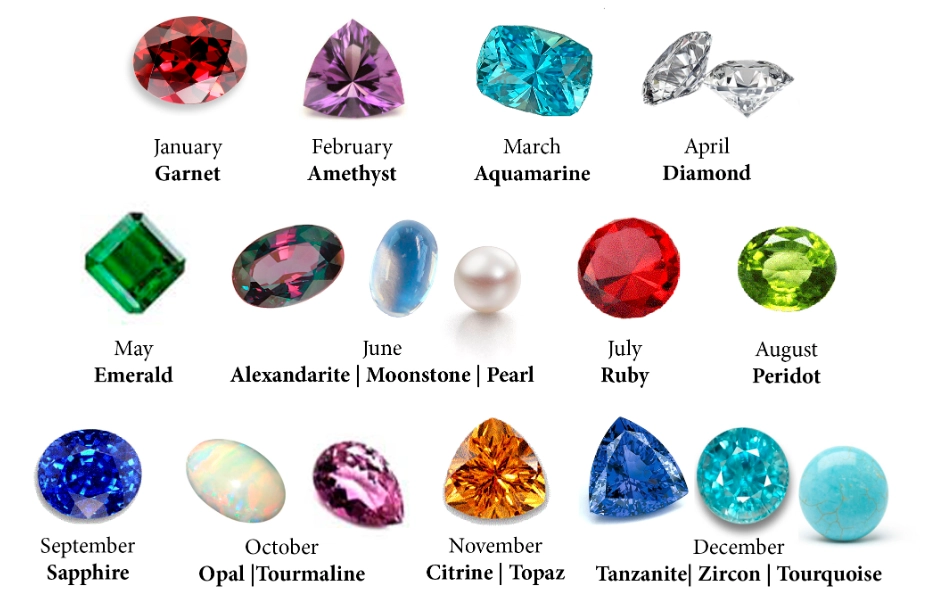
Essential Care and Maintenance for Your Birthstones
Both gems need care, but differently. Aquamarine can fade if exposed to prolonged sunlight—store it in a soft pouch. Clean it with warm water, mild detergent, and a soft brush; ultrasonic cleaners are risky unless certified by a professional. Bloodstone is porous, so avoid soaking it in water or using harsh chemicals. A quick wipe with a microfiber cloth keeps it shiny. I learned this the hard way when a bloodstone ring lost its luster after a swim in chlorinated water.
For storage, keep them separate from harder gems like diamonds to prevent scratches. A jewelry box with compartments works best.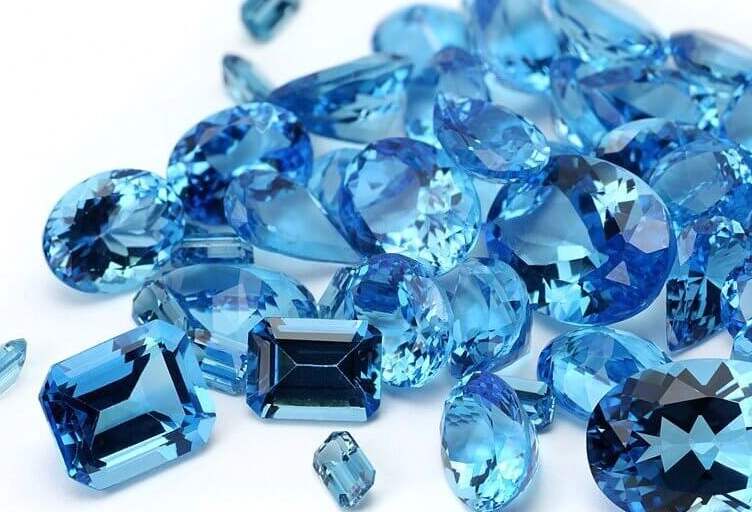
Frequently Asked Questions About March Birthstones
Wrapping up, March's birthstones offer a blend of beauty and history. Whether you lean towards aquamarine's serene blue or bloodstone's rugged charm, understanding their specifics helps you make a smart choice. Don't just follow trends—pick what resonates with you. If you have more questions, drop a comment below; I'm happy to share from my decade in gem collecting.