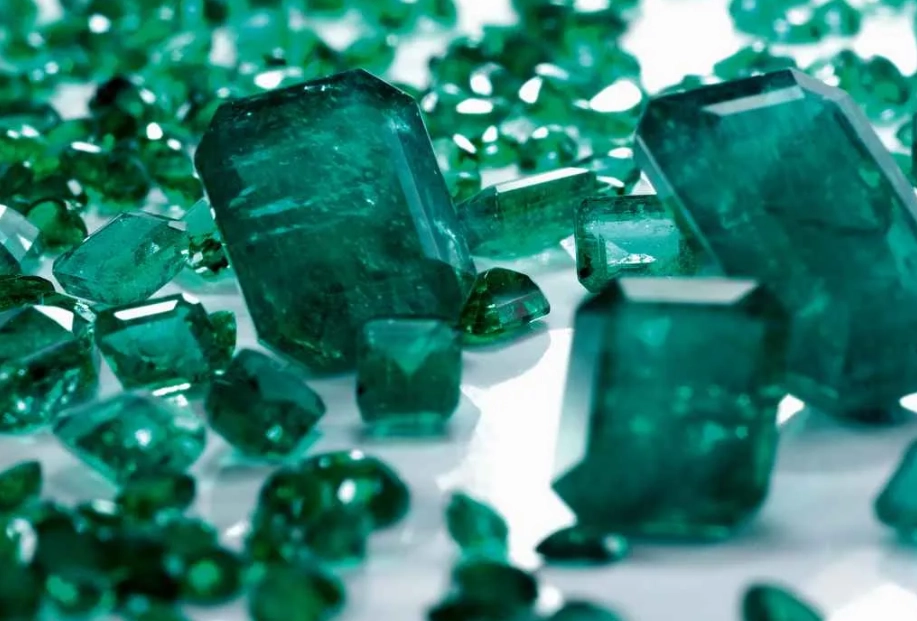
Aquamarine, the birthstone for March, symbolizes courage, clarity, and communication—but that's just the surface. If you've ever held a piece of aquamarine jewelry and wondered about its deeper meaning, you're not alone. I remember buying my first aquamarine pendant years ago, thinking it was just a pretty blue stone. It wasn't until a friend pointed out how it helped her through a tough conversation that I dug deeper. Today, let's cut through the generic info and explore what aquamarine truly represents, from ancient myths to modern-day uses, and why it might be more than just a birthstone for you.
What You'll Discover in This Guide
The Core Symbolism of Aquamarine: Beyond the Basics
Most articles will tell you aquamarine means "peace" or "serenity." That's true, but it's like saying water is wet—it misses the nuance. Aquamarine's symbolism is rooted in its name: from Latin "aqua marina," meaning "sea water." This connection to the ocean gives it layers of meaning that go beyond calmness.
First, courage. Ancient sailors carried aquamarine as a talisman for safe voyages, believing it could calm storms and ward off dangers. Today, that translates to emotional courage. Think about it—when you're facing a difficult talk or a new challenge, aquamarine is said to bolster your confidence. I've seen clients use it before job interviews, not as magic, but as a reminder to stay composed.
Second, communication. This is where many people get it wrong. Aquamarine isn't about talking more; it's about speaking with clarity and honesty. In crystal healing circles, it's linked to the throat chakra, which governs expression. But here's a non-consensus point: aquamarine works best when you're already willing to listen. If you're using it to dominate a conversation, it might backfire. I learned this the hard way when I wore an aquamarine ring during a heated debate and ended up blurting out things I regretted.
Third, emotional balance. The stone's light blue hue is associated with soothing energy. It's not about suppressing feelings, but about navigating them without drowning. For example, during grief or stress, aquamarine can provide a sense of perspective—like looking at the ocean from a distance.
Quick Takeaway: Aquamarine symbolizes courage (for facing fears), communication (for clear expression), and emotional balance (for staying afloat in tough times). It's a stone of action, not just passive peace.
How Aquamarine Compares to Other Blue Gemstones
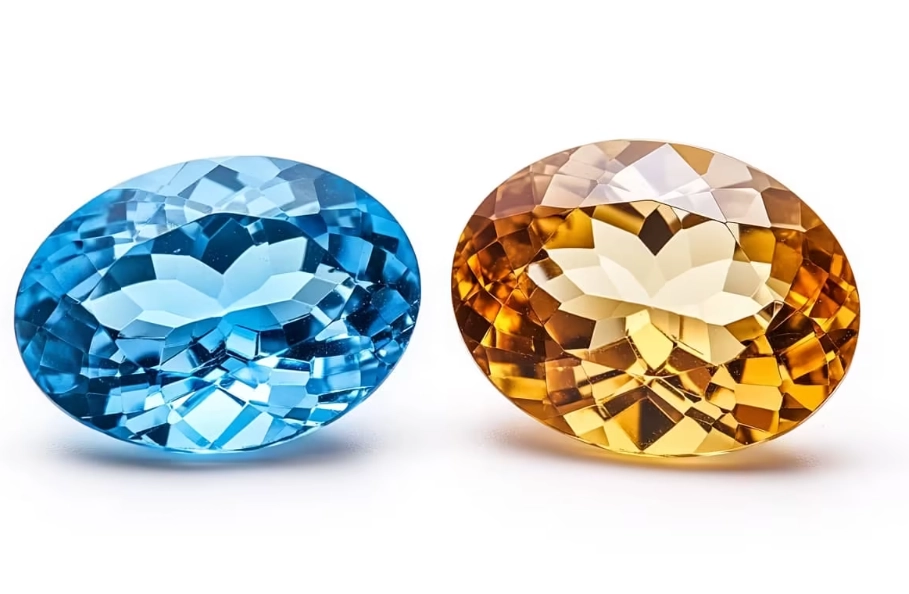
People often confuse aquamarine with blue topaz or sapphire. Here's a simple breakdown based on symbolism:
- Aquamarine: Focus on personal courage and verbal communication. It's more introspective and calming.
- Blue Topaz: Often linked to creativity and manifestation. It's about outward expression and achieving goals.
- Sapphire: Symbolizes wisdom and royalty. It's broader, covering spiritual insight and protection.
If you're looking for a stone to help with public speaking, aquamarine might edge out topaz because of its historical tie to clear speech. But that's my opinion—some experts disagree.
History and Origins: From Sailors to Royalty
Aquamarine's history isn't just a footnote; it shapes its modern symbolism. The stone has been prized since antiquity, with records from the Greeks and Romans. They believed it was treasure from mermaids, offering protection at sea. This isn't just folklore; it highlights how aquamarine was seen as a practical tool for survival, not just decoration.
In the Middle Ages, aquamarine was used by seafarers who engraved it with Poseidon's image. Fast forward to the 19th century, and it became popular in royal jewelry. Queen Elizabeth II's aquamarine tiara, for instance, showcases its elegance but also its association with authority and calm leadership. I visited the British Museum once and saw an ancient aquamarine amulet—it was粗糙ly carved, yet you could feel the intent behind it: safety over beauty.
Geologically, aquamarine is a variety of beryl, like emerald. It gets its blue color from iron impurities. Most aquamarine comes from Brazil, but deposits exist in Nigeria and Pakistan too. The Gemological Institute of America (GIA) notes that Brazilian aquamarine tends to have a clearer, more saturated blue, which might influence its perceived potency in symbolism. However, origin doesn't change the core meaning; it's more about quality.
One overlooked aspect: aquamarine was often used in medicinal practices. Ancient texts mention it being ground into powder for eye ailments. Today, we don't ingest it, but this history underscores its association with clarity—both visual and mental.
Practical Uses in Jewelry and Healing
So, how do you actually use aquamarine? It's not enough to know the symbolism; you need to apply it. Let's break it down into jewelry choices and healing practices.
Choosing Aquamarine Jewelry: A Hands-On Guide
When buying aquamarine jewelry, most guides focus on the 4Cs (cut, color, clarity, carat). That's important, but for symbolism, consider the setting and wearability.
- Necklaces and Pendants: Worn near the throat, they're ideal for enhancing communication. A simple pendant can be a daily reminder to speak your truth. I prefer bezel settings for durability, especially if you're active.
- Rings: Great for courage, as hands are tools of action. A ring on the dominant hand might boost confidence in tasks. Avoid prong settings if you work with your hands—they snag.
- Earrings: Linked to balance and listening. Stud earrings are subtle for everyday wear, while drops can add elegance for special occasions.
Color intensity matters too. Lighter aquamarine is often associated with gentle calm, while deeper blues might amplify courage. But don't get hung up on shade—a pale stone can be just as effective if it resonates with you.
Here's a table summarizing key considerations for aquamarine jewelry:
| Type of Jewelry | Best for Symbolism | Practical Tip |
|---|---|---|
| Pendant | Communication, clarity | Choose a secure chain; avoid long lengths if prone to tangling. |
| Ring | Courage, action | Opt for a low-profile setting to prevent damage. |
| Earrings | Balance, listening | Hypoallergenic posts are best for sensitive ears. |
| Bracelet | Emotional soothing | Elastic bands can break; go for sturdy links. |
Incorporating Aquamarine into Daily Life
Beyond jewelry, aquamarine can be used in meditation or as a decor piece. Place a raw aquamarine crystal on your desk to foster clear thinking during work. I keep one near my computer, and it's a visual cue to pause before sending emails.
For healing practices, aquamarine is often used in crystal grids or carried in a pocket. But here's a mistake I see: people charge it under the moon, then leave it in direct sunlight. Aquamarine can fade over time with prolonged sun exposure. Instead, cleanse it with running water or moonlight briefly—just a few hours, not all night.
If you're into energy work, pair aquamarine with rose quartz for compassionate communication, or with citrine for confident action. But don't overcomplicate it. Sometimes, holding the stone during a stressful moment is enough.
Common Misconceptions and Expert Tips
After years of collecting and studying gemstones, I've noticed several myths about aquamarine that need debunking.
Misconception 1: Aquamarine is only for March babies. False. While it's the birthstone for March, anyone can benefit from its symbolism. I'm an August Leo, but I wear aquamarine when I need extra clarity in writing.
Misconception 2: All aquamarine is natural and untreated. Not true. Many aquamarines are heat-treated to enhance color, which is accepted in the industry. According to the GIA, this treatment is stable and doesn't affect symbolism, but it's something to ask about when buying. Some sellers don't disclose it, which can mislead buyers seeking "pure" stones.
Misconception 3: Aquamarine guarantees peace. No stone guarantees anything; it's a tool, not a solution. I've met people who expected aquamarine to magically resolve conflicts, only to be disappointed. It works best when combined with intention and effort.
Expert tip: When selecting aquamarine, prioritize clarity over size. A small, clear stone often carries more symbolic weight than a large, included one because inclusions can disrupt energy flow in healing contexts. Also, clean it gently with mild soap and water—avoid ultrasonic cleaners, as they can damage fractures.
FAQ: Your Burning Questions Answered
Aquamarine's symbolism is rich and multifaceted, blending history with personal application. Whether you're drawn to it for courage, communication, or calm, remember that its true power lies in how you integrate it into your life. Don't just buy it—engage with it. And if you ever feel stuck, go back to its oceanic roots: like the sea, it offers both depth and clarity.