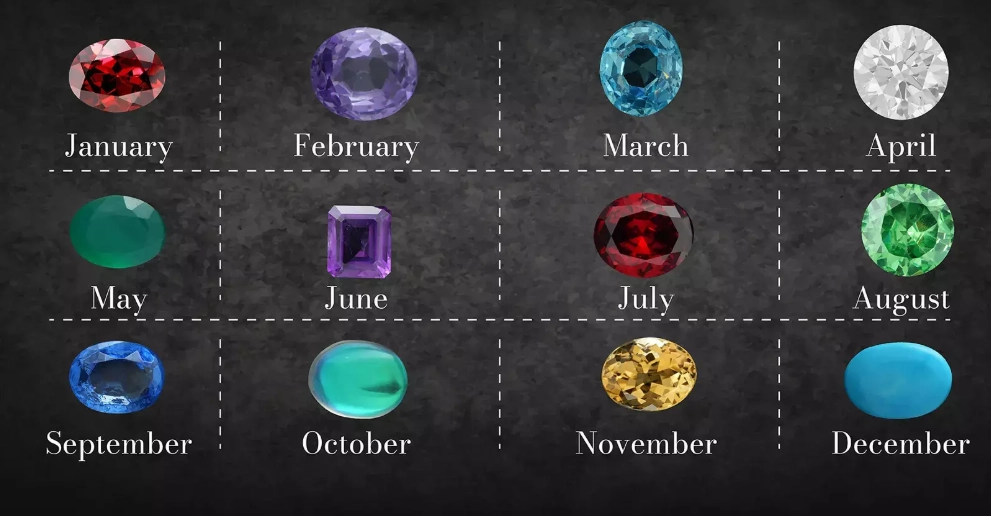
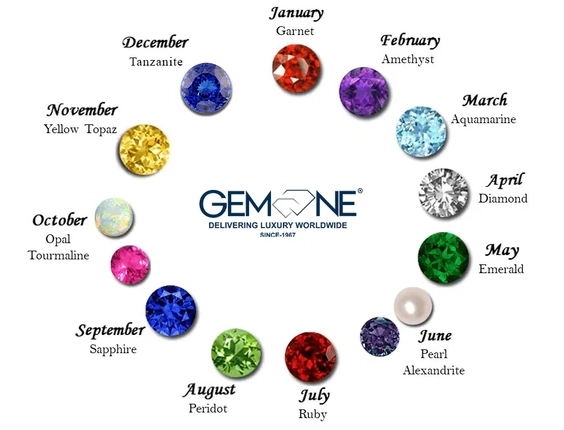
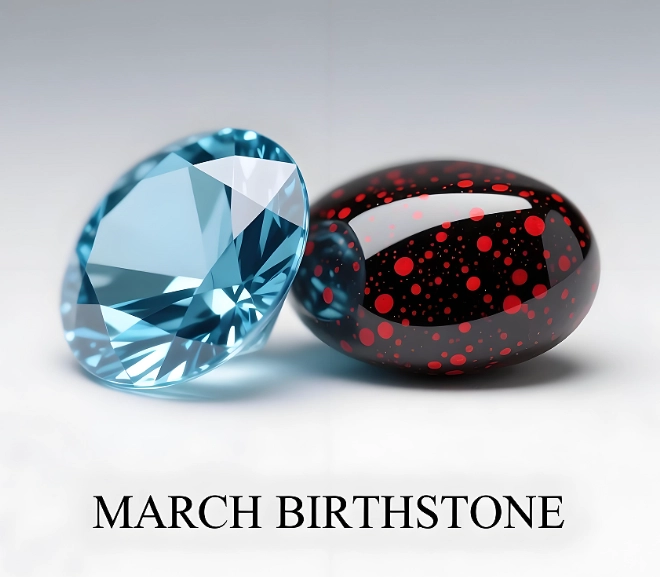
If you were born in March, you've hit the birthstone jackpot. While most months have to make do with a single gem, March gets two stunning options: the serene blue aquamarine and the deeply historical bloodstone. This isn't some random glitch in the jewelry universe. It's the result of a fascinating clash between ancient tradition and modern marketing, a story that most quick online guides completely gloss over. Let's dig into the real reasons, beyond the simple "modern vs. traditional" label you usually see.
In this article:
The History of March Birthstones: Why Two?
Think of birthstones as a language that's evolved over centuries. The original dialect was ancient, symbolic, and tied to the 12 stones on the High Priest's breastplate described in the Book of Exodus. Fast forward to 1912, and a group of American jewelers decided the language needed a modern update.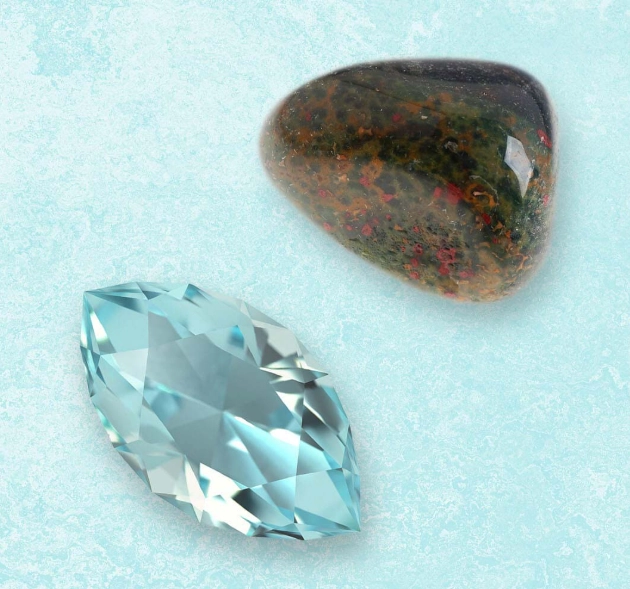
The American National Association of Jewelers (now part of the American Gem Trade Association or AGTA) met in Kansas City. Their goal was practical: standardize a birthstone list to boost sales. They looked at the old lists—which varied wildly by culture—and tried to create something cleaner, more marketable, and based on gems that were commercially available.
The 1912 Decision: For March, they chose aquamarine. It made sense. Its clear, ocean-blue color was universally appealing, it had good hardness for jewelry (7.5 to 8 on the Mohs scale), and large, clean specimens were becoming more accessible. The old March stone, bloodstone (a dark green jasper with red speckles), was deemed less commercially viable. It was opaque, often cut into cabochons rather than faceted, and its name, while cool to us now, might have sounded a bit morbid for a booming consumer market.
But here's the twist they didn't account for: tradition has a long memory.
Bloodstone, also known as heliotrope, wasn't just some random green rock. For centuries across Europe, it was the definitive March stone. Medieval lapidaries credited it with incredible powers—stopping bleeding, granting invisibility, predicting the future. Soldiers carried it as an amulet. Its connection to March was cemented in both ancient Arabic and later Polish traditions. You can't just erase that with a committee vote.
So, the "modern" list (aquamarine) became the dominant one promoted by jewelers in the West. But the "traditional" list (bloodstone) never went away. It lived on in historical texts, alternative gemology guides, and among people who valued esoteric symbolism over commercial trends.
This is why March has two birthstones. It's not an error; it's a snapshot of a transition. You have the officially sanctioned, beautifully marketable aquamarine, and you have the rugged, myth-packed bloodstone that refuses to be forgotten. Most official sources, like the AGTA and the Gemological Institute of America (GIA), now list both, acknowledging this dual heritage.
Aquamarine vs. Bloodstone: Which March Birthstone is Right for You?
This is where it gets personal. Choosing isn't about which one is "correct"; it's about which one resonates with your story, style, and what you want the stone to represent. Let's break them down side-by-side, beyond the basic color description.
Aquamarine: The Serenity of the Sea
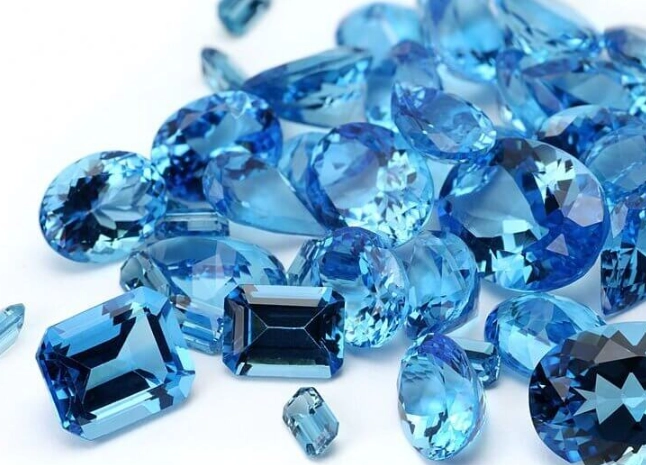
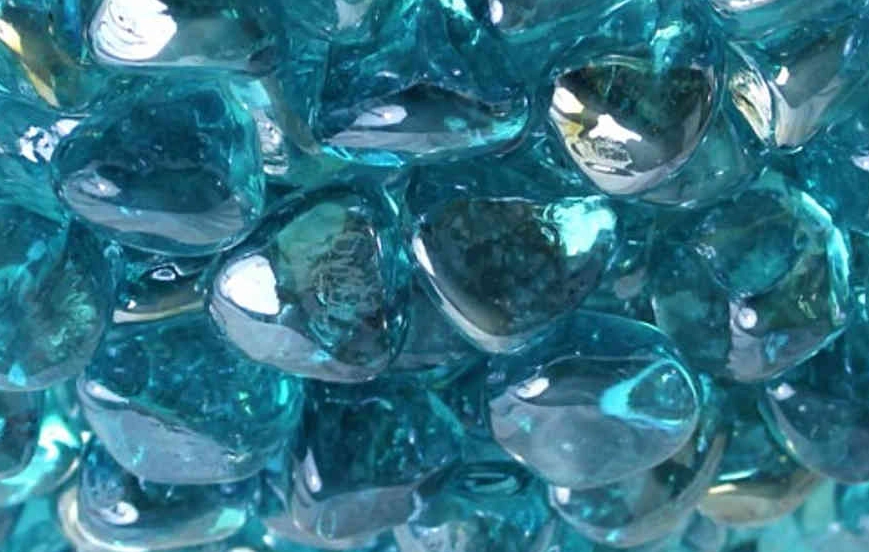
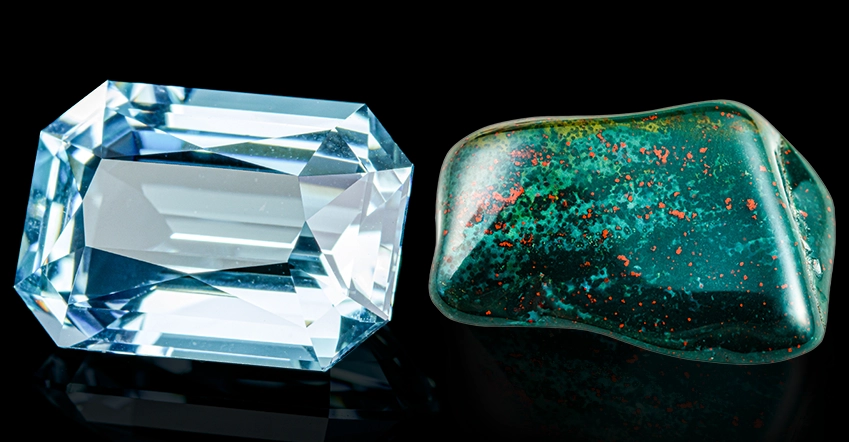
Named from the Latin for "seawater," aquamarine is all about calm, clarity, and communication. Its pale blue to blue-green hue is instantly recognizable.
- What it's really good for: If you want a stone that looks elegant in both daylight and evening settings, aquamarine wins. Its transparency and sparkle make it a classic for engagement rings, pendants, and statement earrings. It's a "safe" choice in the best way—timeless and unlikely to go out of style.
- The nuance most miss: Not all aquamarines are created equal. The most prized color is a moderately strong, pure blue without green tones (often called "Santa Maria" blue after a famous Brazilian mine). Many stones on the market are a very pale blue. There's nothing wrong with that, but be aware that intense color significantly increases the price. A common pitfall is buying a large, pale stone thinking it's a high-grade gem.
- Who it's for: The communicator, the traveler, anyone seeking peace and mental clarity. It's perfect for someone with a classic or minimalist style who still wants a gem with presence.
Bloodstone: The Warrior's Talisman
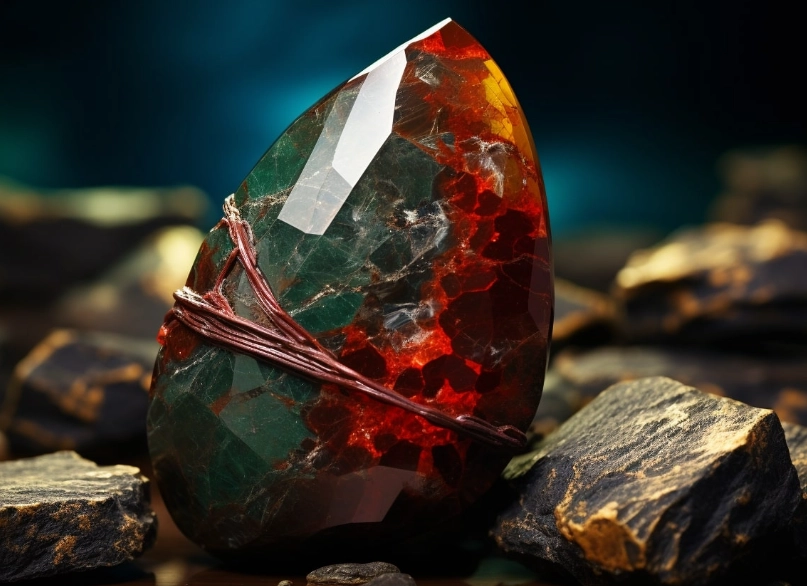
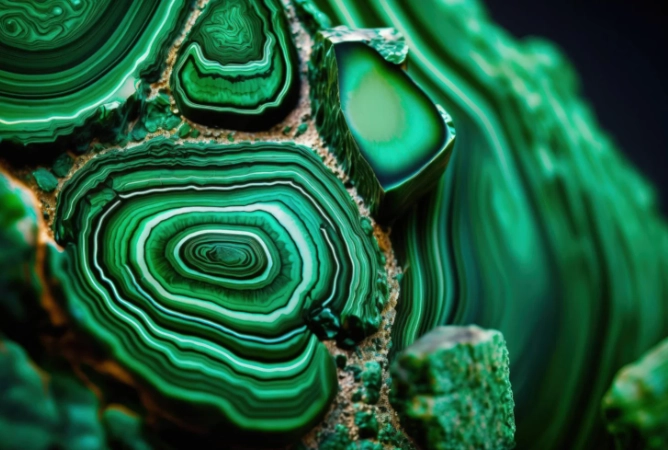
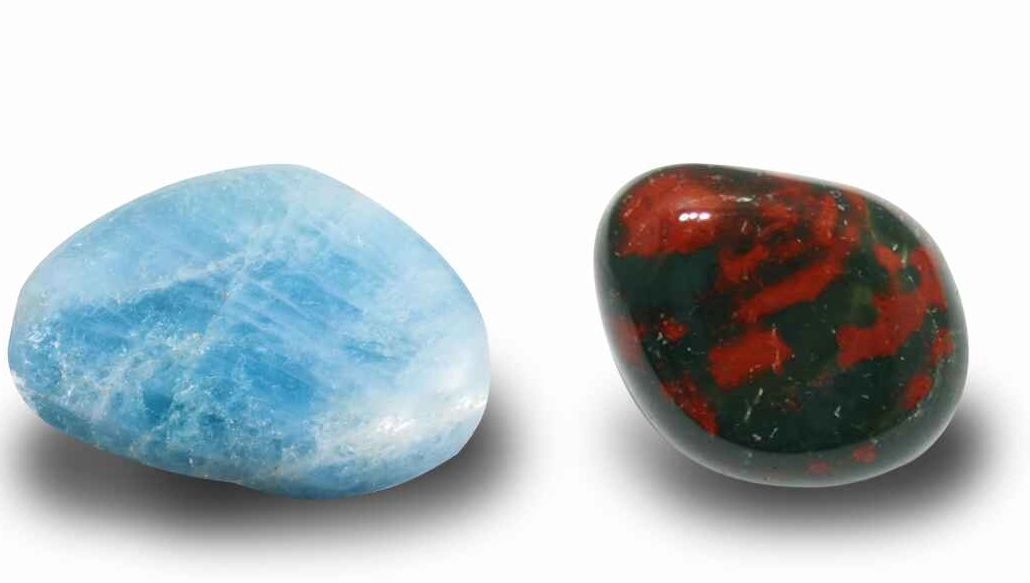
Bloodstone is the polar opposite in appearance: an opaque, dark green chalcedony sprinkled with vivid red spots of iron oxide (the "blood"). It's earthy, powerful, and loaded with history.
- What it's really good for: This is a stone for making a different kind of statement. It's grounding, protective, and connected to vitality and courage. You won't get sparkle, but you'll get depth and intrigue. It's fantastic in men's jewelry, signet rings, bold beads, and carved pieces. I've seen stunning bloodstone cufflinks that become conversation starters.
- The nuance most miss: Quality in bloodstone is about the contrast. The best pieces have a rich, forest-green base with bright, distinct red spots. A muddy green with brownish specks is less desirable. Also, because it's often cut as a cabochon, the polish is everything. A high-gloss, dome-shaped finish can make it look almost wet and incredibly luxurious.
- Who it's for: The individualist, the history buff, the person drawn to earthy or alternative styles. It's for someone who values symbolism and story over pure brilliance.
Still stuck? Ask yourself these questions:
- Do I want my jewelry to sparkle or to tell a story?
- Am I drawn to ocean blues or deep forest greens?
- Is my style more "modern classic" or "grounded and unique"?
There's no wrong answer. You can even embrace both. I know a March-born artist who wears an aquamarine ring daily for calm and a bloodstone pendant when she needs a boost of creative courage.
| Feature | Aquamarine | Bloodstone (Heliotrope) |
|---|---|---|
| Color | Pale blue to blue-green, transparent. | Dark green with red spots, opaque. |
| Meaning (Traditional) | Calm, courage, clarity, safe travel. | Strength, vitality, blood purification, courage. |
| Hardness (Mohs) | 7.5 - 8 (Durable for daily wear). | 6.5 - 7 (Good, but more prone to scratching than aqua). |
| Typical Cut | Faceted (emerald, oval, round). | Cabochon, carved, beads. |
| Price Point* | Moderate to high (color dependent). | Generally low to moderate. |
| Best For | Rings, pendants, earrings – elegant everyday wear. | Statement rings, pendants, beads, men's jewelry. |
*Price is highly variable based on size, quality, and setting.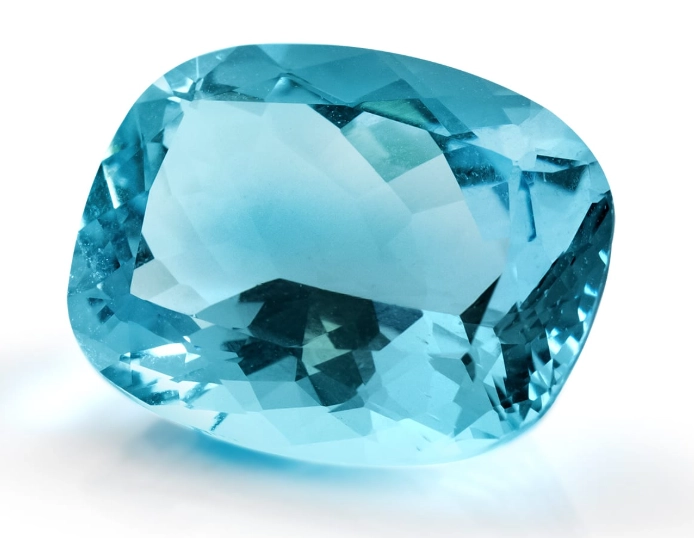
Your March Birthstone Questions, Answered
So, why does March get two birthstones? It's a gift born from history's complexity. You're not stuck with one option; you have a choice between two vastly different worlds of beauty and meaning. The serene, open sky of the aquamarine, and the deep, storied earth of the bloodstone. One speaks of clarity, the other of courage. Your March birthday gives you access to both narratives. The real question isn't "why two?" but "which one, or both, will become a part of my story?"