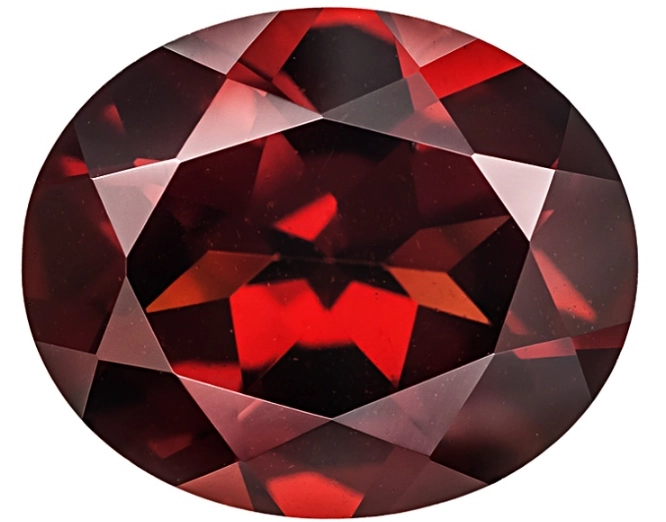
If you're born in June, your birthstone is the pearl—a gem that's more than just a pretty accessory. It's packed with history, symbolism, and practical wisdom that often gets overlooked. I've been studying gemstones for over a decade, and let me tell you, pearls are misunderstood. Most people think they're just for formal wear or older generations, but that's a mistake. In this guide, we'll dive into what pearls really mean, how to choose the right one, and why they might be the perfect gift for anyone, not just June babies.
What You'll Find in This Guide
What is the June Birthstone Pearl?
Pearls are unique among gemstones because they come from living creatures—oysters and mollusks. Unlike diamonds or rubies that are mined from the earth, pearls form organically when an irritant gets inside a shell. The creature coats it with layers of nacre, creating that signature glow. This process is why pearls have always been linked to purity and resilience.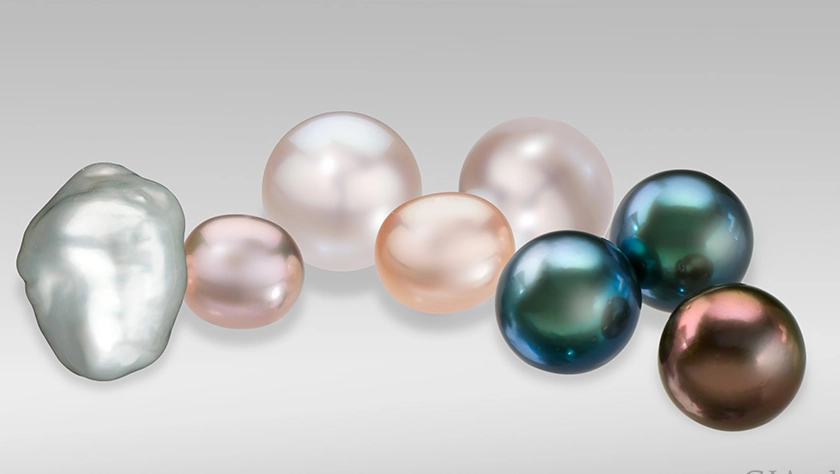
Historically, pearls were prized by ancient civilizations. The Romans associated them with Venus, the goddess of love, while in ancient China, they symbolized wisdom and wealth. According to the Gemological Institute of America (GIA), pearls have been used in jewelry for over 4,000 years, making them one of the oldest gemstones in human history. You can find more details in GIA's gem encyclopedia, which is a trusted resource for gemstone facts.
Historical Significance of Pearls
Back in the day, pearls were so valuable that they were often reserved for royalty. Cleopatra famously dissolved a pearl in vinegar to show off her wealth. In medieval Europe, knights wore pearls for protection in battle. It's funny how today, we mostly see them in necklaces and earrings, but their roots are much deeper.
Cultural Meanings Across the World
Different cultures attach different meanings to pearls. In Japan, they represent perfection and beauty, often given as gifts for weddings. In Hindu tradition, pearls are linked to the moon and emotional balance. I remember talking to a jeweler from India who said that in his community, pearls are believed to calm the mind—something not many Westerners know.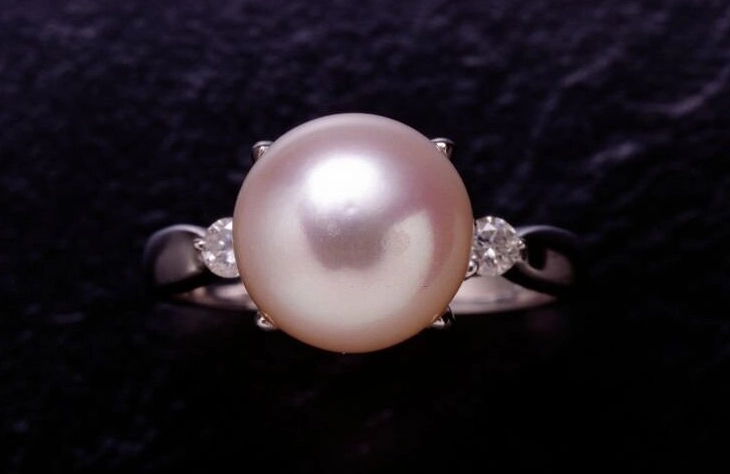
Pearl Symbolism and What It Represents
So, what do pearls symbolize? At their core, they stand for purity, wisdom, and protection. But there's more to it. Modern interpretations include themes of transformation and inner strength. Think about it: a pearl starts as a grain of sand, something irritating, and turns into a thing of beauty. That's a powerful metaphor for personal growth.
Key Symbolic Meanings: Purity (from their white color), Wisdom (linked to ancient teachings), Protection (historical use in armor), Transformation (from irritant to gem).
Purity, Wisdom, and Protection
Purity is the most obvious—pearls are often white and shiny, reminiscent of innocence. Wisdom comes from their association with learned figures in history, like scholars in ancient Greece who wore pearls to enhance intellect. Protection is a lesser-known aspect; in some cultures, pearls were thought to ward off evil spirits. I've met collectors who swear by wearing pearls during stressful times, claiming it helps them stay grounded.
Modern Interpretations
Today, pearls are making a comeback in fashion, but with a twist. Designers are using them in edgy, non-traditional ways. Symbolically, they've become a badge of resilience. For example, after a difficult period, gifting a pearl can mean "you turned challenges into something beautiful." It's a subtle nod that goes beyond the surface.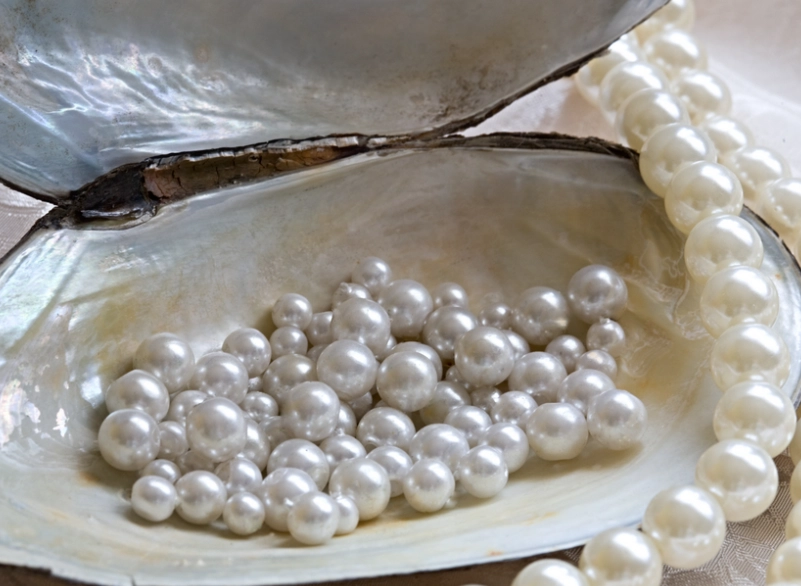
How to Choose the Right Pearl for June Birthdays
Choosing a pearl isn't just about picking the shiniest one. There are types, qualities, and factors that matter. As someone who's helped dozens of clients select birthstone jewelry, I've seen too many people focus on size alone and end up with a dull pearl that loses its appeal quickly.
First, understand the types. The main categories are freshwater and saltwater pearls. Freshwater pearls, often from China, are more affordable and come in various shapes. Saltwater pearls, like Akoya or South Sea pearls, are typically rounder and have higher luster, but they're pricier. According to a report from the World Pearl Association, saltwater pearls account for about 20% of the market but are preferred for high-end jewelry.
Types of Pearls: Freshwater vs. Saltwater
Here's a quick comparison to help you decide:
| Type | Origin | Common Shapes | Average Price Range | Best For |
|---|---|---|---|---|
| Freshwater Pearls | Lakes and rivers, mostly China | Baroque, button, round | $50 - $500 per strand | Everyday wear, gifts on a budget |
| Saltwater Pearls (Akoya) | Japan, China coasts | Mostly round | $300 - $3000 per strand | Formal occasions, heirlooms |
| South Sea Pearls | Australia, Philippines | Large, round to baroque | $1000 - $10,000+ per strand | Luxury investments, statement pieces |
Factors to Consider: Luster, Shape, Size
Luster is king. It's the glow that makes a pearl stand out. A high-luster pearl will reflect light sharply, almost like a mirror. Shape matters too—round pearls are classic, but baroque (irregular) shapes can be unique and often more affordable. Size is personal; bigger isn't always better. For a June birthday gift, I'd recommend focusing on luster first. A small, glowing pearl often outshines a large, dull one.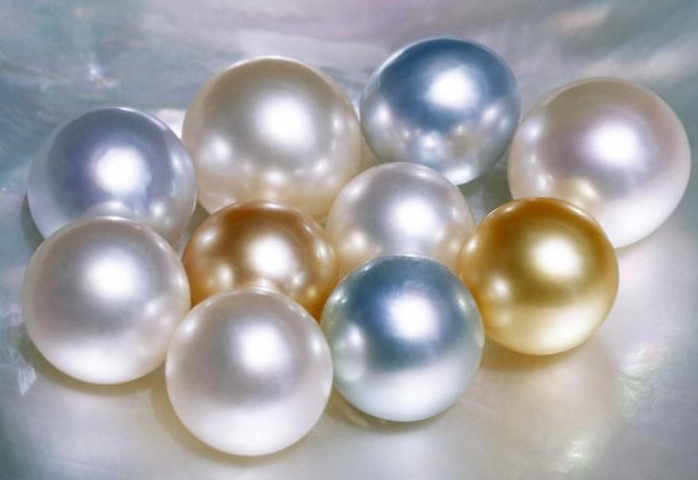
Also, consider sustainability. The pearl industry has issues with overharvesting. Look for brands that use sustainable farming practices, like those certified by the Cultured Pearl Association. It's a growing trend, and choosing ethical pearls adds meaning to your gift.
Caring for Your Pearl Jewelry
Pearls are delicate. They can scratch easily and lose luster if not cared for properly. Many people ruin their pearls by exposing them to chemicals or storing them incorrectly. Here's a simple routine I follow for my own collection.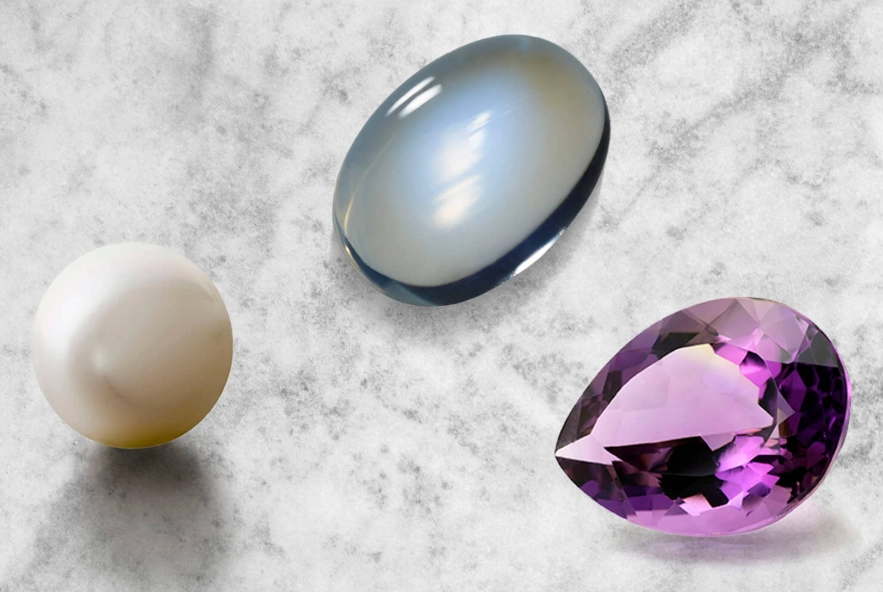
After wearing, wipe pearls with a soft cloth to remove oils and sweat. Store them separately in a soft pouch, not jumbled with other jewelry. Avoid contact with perfumes, hairsprays, or cleaners—these can damage the nacre. And don't wear pearls while swimming; chlorine is a killer.
Common Mistakes to Avoid
One big mistake is cleaning pearls with ultrasonic cleaners. These devices use vibrations that can crack pearls. Another is leaving them in direct sunlight, which can fade their color. I've seen vintage pearls turn yellow because someone left them on a windowsill. Treat pearls like you would a delicate silk scarf—gentle and mindful.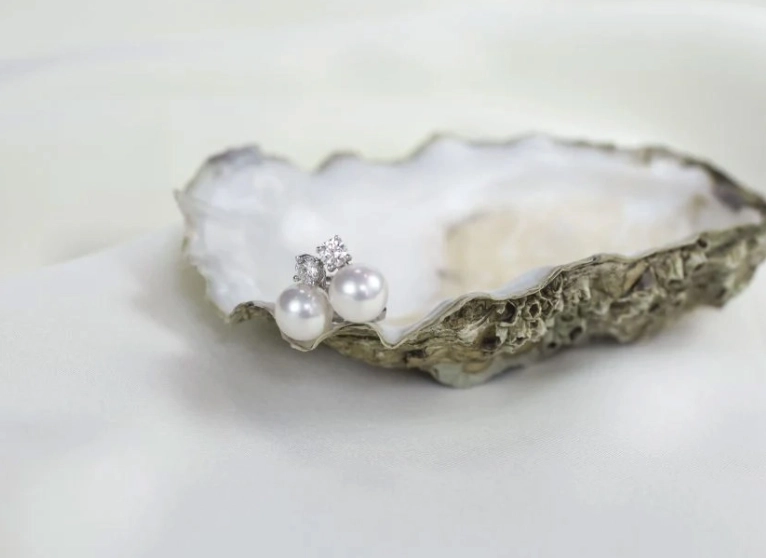
Frequently Asked Questions (FAQ)
Pearls for June birthdays are more than a tradition; they're a chance to connect with history and personal growth. Whether you're buying for yourself or a loved one, remember that the best pearl is one that speaks to you—in its glow, its story, and its quiet strength. Dive deeper, ask questions, and don't be afraid to break the mold. After all, that's what pearls are all about: turning the ordinary into extraordinary.