If you're born in June, your birthstone is the pearl. It's not a mineral like a diamond or a ruby—it's an organic gem formed inside a living creature. That fact alone makes it fascinating. But there's so much more to the pearl birthstone month story than just a calendar date. We're going past the basic "pearls are for June" fact. Let's talk about why they became the June birthstone, how to spot a good one (and avoid overpaying for a bad one), and the simple mistakes people make that ruin their pearl jewelry in a year.
Quick Navigation: What's Inside This Guide
Why is the Pearl June's Birthstone?
The link between pearls and June goes way back. The modern birthstone list we use today was standardized by the Jewelers of America in the early 20th century, but the association has older roots. Many trace it to ancient Roman and Greek traditions. In Roman mythology, pearls were linked to Venus, the goddess of love and beauty, born from sea foam. June, named after Juno (the Roman queen of the gods and protector of marriage), naturally paired with a gem symbolizing purity, love, and marital harmony.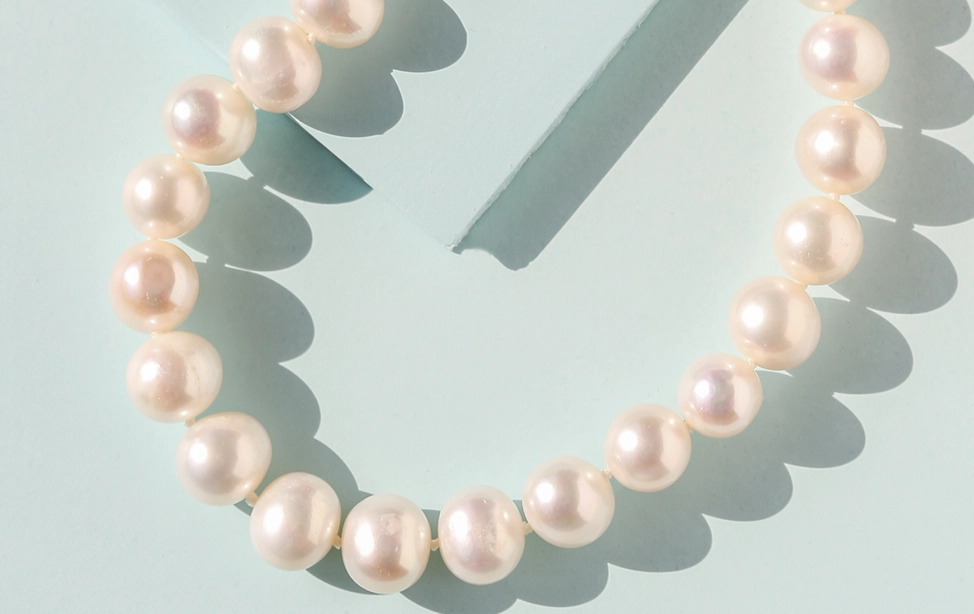
It makes sense. For centuries, pearls have been the ultimate wedding gem. I remember a client who insisted on a pearl necklace for her June wedding, not just because it was her birthstone, but because it felt timeless. She didn't want something that shouted "trendy"; she wanted heirloom quality. That's the pearl's power—it whispers elegance rather than shouting it.
Beyond mythology, the pearl's luminous, cool beauty perfectly mirrors the soft light of early summer. While other months get fiery rubies or deep sapphires, June gets this gentle, glowing gem. It's a unique spot on the birthstone calendar.
Types of Pearls: Beyond the Classic White
Most people picture a white, round, shiny bead. The reality is a stunning variety. Choosing the right type is your first major decision. Here’s a breakdown of the main players you'll encounter.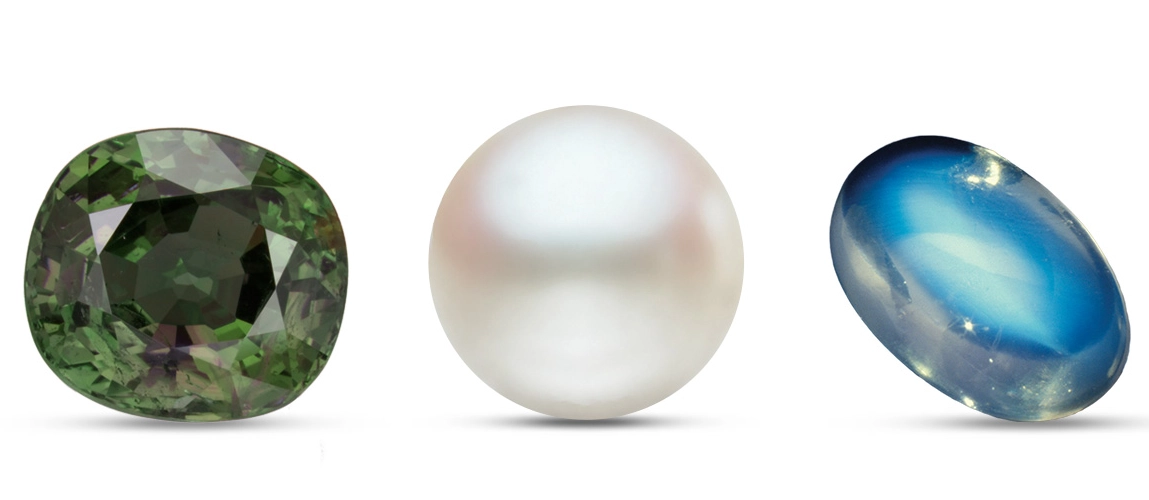
| Type | Key Source | Typical Colors | What Makes It Special | Price Range (General) |
|---|---|---|---|---|
| Natural Pearl | Wild oysters/mollusks | White, cream, slight tints | Extremely rare, formed without human intervention. The "original" pearl. | Very High (Auction) |
| Saltwater Cultured Pearls | Akoya (Japan/China), South Sea (Australia, Philippines), Tahitian (French Polynesia) | Akoya: White/cream. South Sea: White, golden. Tahitian: Charcoal gray, peacock green, aubergine. | Human-assisted but real. Known for superb luster (Akoya), large size (South Sea), and exotic dark colors (Tahitian). | Mid to Very High |
| Freshwater Cultured Pearls | Lakes & rivers (primarily China) | White, peach, pink, lavender, mauve | More affordable, often baroque (irregular) shapes, great for creativity in design. | Low to Mid |
Natural Pearls are museum pieces now. If a dealer claims to have a strand of natural pearls at a bargain price, be deeply skeptical. Almost all pearls on the market today are cultured, meaning a technician inserted a nucleus to start the process. This isn't a bad thing—it makes beautiful pearls accessible.
Akoya Pearls are the classic. When you think of a perfectly round, mirror-like white pearl necklace, you're thinking of Akoyas. They're smaller, usually under 10mm, and have that sharp, brilliant luster. A single strand of high-quality Akoyas is a lifetime piece.
South Sea Pearls are the royalty. They're big, often 10mm to 20mm, and have a soft, satiny luster rather than a mirror shine. The golden varieties from the Philippines are incredibly warm and luxurious.
Tahitian Pearls aren't just black. Their color range is incredible—peacock green, eggplant purple, silver-gray. They're not dyed; that's their natural color. A Tahitian pearl ring makes a bold but sophisticated June birthstone statement.
Freshwater Pearls are the workhorses and the innovators. They're grown in mussels in lakes, often producing multiple pearls per shell. This keeps costs down. The shapes are more varied—rice, button, baroque—which designers love. The colors are soft and pretty. For a first piece of pearl jewelry or something trendy, they're perfect.
What Determines a Pearl's Value?
You're looking at a necklace. One costs $300, another $3,000. Why? It comes down to six factors, often called the "Six Virtues" by organizations like the Gemological Institute of America (GIA).
1. Luster: This is the most important factor. Luster is the sharpness and intensity of the reflections on the pearl's surface. High luster looks like a clear mirror. Low luster looks hazy or chalky. Don't confuse size or perfect roundness with quality if the luster is weak. A slightly off-round pearl with amazing luster is always more valuable than a perfect ball that looks dull.
2. Surface: No pearl is flawless. Look for clean surfaces with minimal bumps, spots, or wrinkles. A few minor blemishes are normal and don't drastically affect beauty or value. But a surface covered in marks will look less clean and reflect light poorly.
3. Shape: Round is the most desired and most expensive, especially for saltwater pearls. But don't dismiss baroque (irregular) or semi-baroque shapes. They can be stunning and unique, often offering more pearl for your money. A symmetrical drop or oval is also highly valued.
4. Color: This includes body color and overtone. A white pearl might have a rosé overtone. A Tahitian pearl might have a peacock green overtone over a gray body. Personal preference rules here, but rarity drives price. Natural golden South Sea pearls are rarer than white ones. Perfectly matched colors in a strand add cost.
5. Size: Measured in millimeters. Larger pearls are rarer and more expensive, all other factors being equal. A jump from 7mm to 8mm can mean a significant price increase.
6. Nacre Quality: This is the layered coating the mollusk secretes. Thick nacre means better luster and durability. Thin nacre can wear away or look dull. This is a big differentiator. A pearl that feels a bit light for its size might have thin nacre.
How to Care for Your Pearl Birthstone Jewelry
Pearls are delicate. They're 2.5 to 4.0 on the Mohs hardness scale. For context, your fingernail is about 2.5. So they scratch easily. Their organic nature also means they're sensitive to acids, dryness, and chemicals. Here’s the no-nonsense routine.
The Golden Rule: Last On, First Off. Perfume, hairspray, lotion, makeup—all of these can damage pearl luster. Put your pearls on after you've applied all that stuff. Take them off before you wash your hands, shower, or do dishes.
Cleaning: Never use ultrasonic or steam cleaners. The vibrations can shatter them, and heat can damage them. Wipe them gently with a soft, damp cloth after wearing. If needed, use a tiny bit of mild, non-detergent soap (like baby shampoo) in water. Never submerge a strand, as water can weaken the silk thread. Dry them flat on a towel, never hanging.
Storing: Don't toss them in a jumbled jewelry box. They will get scratched by metal and other gems. Store them separately in a soft pouch or a lined compartment. They need a bit of moisture, so avoid airtight plastic bags for long periods. Wearing them regularly is actually good for them—the natural oils from your skin keep them from drying out.
If you wear a pearl ring daily, expect it to show wear. The setting should protect the pearl as much as possible (a bezel or a partial basket is better than prongs that expose the pearl).
Buying Pearl Birthstone Jewelry: A Practical Guide
Let's get practical. You want to buy a pearl piece for a June birthday, an anniversary, or for yourself. How do you navigate this?
1. Set a Budget & Type:
- Under $200: Look at freshwater pearl pieces. You can find lovely necklaces, earrings, or bracelets. Focus on luster within this range.
- $200 - $1000: You're entering quality Akoya pearl territory (smaller strands, earrings) or designer freshwater pieces. This is a great range for a special gift.
- $1000+: This is where you find finer Akoya strands, Tahitian or South Sea pearl solitaires (pendants, rings), and higher-end designer work.
2. Consider the Occasion:
- Everyday Wear: Stud earrings, a simple pendant, or a short freshwater necklace. Something durable and low-maintenance.
- Heirloom/Formal: A classic Akoya pearl necklace (16-18 inches), a pair of South Sea pearl studs. Think timeless.
- Fashion-Forward: Baroque freshwater pearls, keshi pearls (non-nucleated), pearls in mixed metals or with diamonds.
3. Where to Buy:
- Reputable Jewelers: They should be able to tell you the pearl type, origin, and treatment (e.g., if they are dyed or irradiated). Ask questions.
- Online Retailers: Look for detailed photos/videos (showing luster), clear return policies, and specifications. A site that just says "white pearl" without details is a red flag.
4. Ask for a Pearl Report: For significant purchases (especially South Sea or Tahitian), a report from GIA or a similar lab verifies the pearl is natural-color cultured, not dyed, and details its characteristics. It's like a birth certificate for your gem.
Pearl Birthstone Month: Frequently Asked Questions
The pearl birthstone for June is a gem of quiet depth. It's not about flashy sparkle; it's about a deep, inner glow that has captivated people for millennia. Whether you choose the classic perfection of Akoya, the exotic hues of Tahitian, or the playful charm of freshwater pearls, you're choosing a piece of natural history. Treat it with respect, understand what makes it valuable, and it will carry meaning and beauty for a very long time.