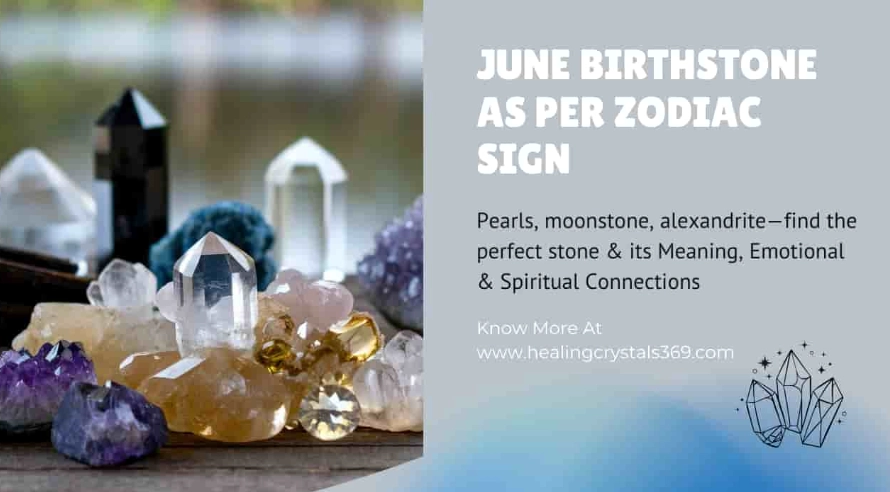
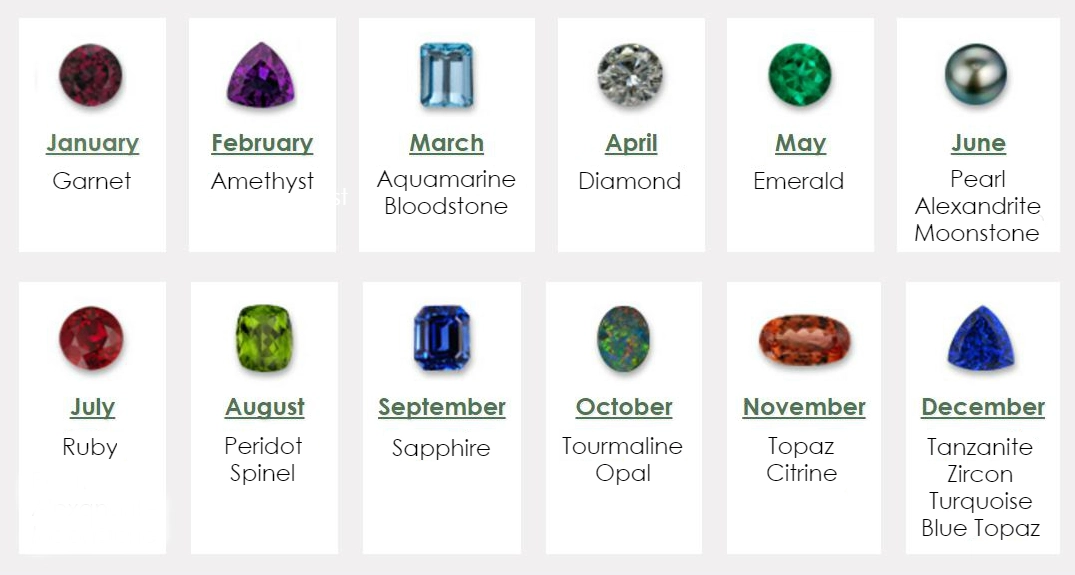
Let's cut straight to the chase. If you're a Gemini born in June, or shopping for one, you've probably hit a confusing wall of information. Some sources scream "Pearl!" Others whisper "Alexandrite!" Which one is right? The truth is, both are correct, and understanding why is the key to picking the perfect gem. The traditional June birthstone is the luminous pearl, while the modern alternative, established in the 1950s, is the color-changing wonder, alexandrite. For a Gemini, this duality is almost poetically fitting.
Your Quick Guide to June & Gemini Gems
The Two Official June Stones Explained
This isn't some internet rumor. The dual-stone situation for June is official, recognized by major gemological bodies like the American Gem Trade Association (AGTA) and Jewelers of America. It started with the pearl, a gem of organic origin formed within mollusks. For centuries, it was the sole symbol of June.
Then came the 1950s. The jewelry industry wanted to standardize and modernize birthstone lists, offering more durable and varied options. Enter alexandrite, a spectacularly rare stone discovered in Russia's Ural Mountains in the 1830s. Its claim to fame? Color change. It shifts from a lush green in daylight to a raspberry red under incandescent light. This rarity and wow-factor earned it a spot as the "modern" June birthstone.
So, no one's wrong. It's history versus modernity, organic beauty versus geological marvel.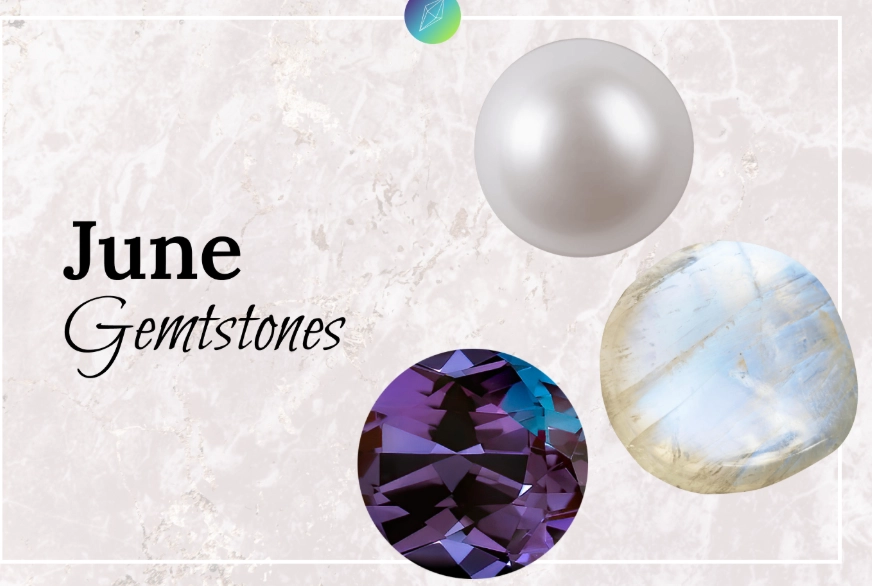
Why the Gemini Personality Fits Both Stones Perfectly
If you know a Gemini, you know they're not one-dimensional. They're the communicators, the curious minds, the adaptable social butterflies of the zodiac. This inherent duality makes the June birthstone debate particularly relevant for them.
A Gemini isn't choosing between two stones; they're choosing which facet of their personality to celebrate. A pearl necklace might be their go-to for a sophisticated dinner, while an alexandrite ring could be their secret weapon for a night out that promises surprises.
Pearl vs. Alexandrite: The Head-to-Head Comparison
To make a real choice, you need the facts laid out side-by-side. This isn't about which is "better," but which is better for the purpose you have in mind.
| Feature | Pearl (Traditional) | Alexandrite (Modern) |
|---|---|---|
| Origin | Organic (from oysters/mussels) | Mineral (Chrysoberyl variety) |
| Key Trait | Luster, Oriented (surface glow) | Color-Change (green to red) |
| Durability (Mohs Scale) | 2.5-4.5 (Soft, requires care) | 8.5 (Excellent, very hard) |
| Typical Colors | White, cream, pink, silver, black, gold | Green in daylight, Red/Purple in lamplight |
| Price Range (for a decent quality stone) | $50 - $500+ (cultured); Thousands for natural | $500 - $5,000+ per carat for natural; Lab-created from $30/carat |
| Best For | Heirloom pieces, classic elegance, occasional wear | Everyday wear jewelry (rings), conversation-starting pieces |
| Maintenance | Avoid chemicals, perfumes, store separately | Standard gemstone care; very resilient |
See the trade-offs? Pearls offer timeless beauty but demand a gentle touch. Alexandrite is tough as nails and magical, but the natural stone commands a king's ransom.
The Big Misconception About Pearl Care
Most people think pearls are too delicate to ever wear. I used to think that too. The trick isn't to lock them away, it's to wear them. The natural oils from your skin gently polish them. Just make it the last thing you put on (after perfume and hairspray) and the first thing you take off. Wipe it with a soft cloth after wearing. That's 90% of the battle won. Storing them in a soft pouch, not jumbled with harder gems, is the other 10%.
The Alexandrite Color-Change Secret
Not all alexandrite color-change is created equal. A strong, 100% shift from emerald green to ruby red is exceptionally rare and expensive. Most stones have a 50-80% shift, maybe greenish-blue to purplish-red. The key is the light source. True alexandrite needs incandescent light (old-school light bulbs) to show its red side. Under LED or fluorescent light, the change can be subtle or non-existent. Always ask to see the stone under both daylight-simulating and warm bulb light before buying.
How to Choose Between Pearl and Alexandrite for a Gemini
Decision time. Let's move beyond the specs and into the Gemini's world.
Choose a Pearl if your Gemini:
Values tradition and has a classic, timeless style. Is a gifted communicator or works in a field like writing, teaching, or public speaking (pearls are linked to clarity and wisdom). Prefers understated, elegant jewelry for special occasions. You're looking for a meaningful gift like a strand for graduation or a pair of studs for a milestone birthday.
Choose an Alexandrite if your Gemini:
Loves the unique, the rare, and the conversation-starting. Has a dynamic, unpredictable side that enjoys change and mystery. Wants a birthstone they can wear every single day without worry (in a ring or pendant). Is a tech enthusiast or modern thinker—the lab-created option is perfect here, offering the magic without the astronomical cost.
Can't decide? Get both. A simple pearl pendant and an alexandrite pinky ring cover the full Gemini spectrum.
Where to Buy Smartly & What to Expect Price-Wise
This is where most guides get vague. Let's get specific.
For Pearls: You're almost certainly buying cultured pearls (Akoya, Freshwater, Tahitian, South Sea). Reputable jewelers like Mikimoto or local independent stores with good reviews are safe bets. For a classic 7-8mm Akoya pearl necklace, expect $300-$1,000. A single high-quality South Sea pearl for a pendant can be $200-$800. Always ask about luster and surface cleanliness—the sharper the reflection and the fewer blemishes, the better.
For Natural Alexandrite: Be prepared for sticker shock. A 1-carat natural stone with a good color change can easily start at $8,000-$15,000. Your best sources are specialized gem dealers or high-end auction houses. You must request a gemological report from a lab like the Gemological Institute of America (GIA) to verify authenticity and quality.
For Lab-Created Alexandrite: This is the smart, accessible choice for 99% of people. The color change is often even more dramatic than in natural stones! You can find beautiful lab-created alexandrite rings on sites like Brilliant Earth, James Allen, or even well-reviewed Etsy shops. A 1-carat lab stone in a silver setting can be under $200; in gold, maybe $500-$1,500 for the whole piece. It's real alexandrite, just grown in a lab.
Your Gemini Birthstone Questions, Answered