If you're born in July, your birthstone isn't just a pretty red gem—it's packed with history, symbolism, and practical insights that most guides gloss over. I've spent over a decade in the gemstone industry, and let me tell you, the ruby's meaning goes way beyond "love and passion." We'll cut through the fluff and dive into what really matters: from ancient legends to modern buying pitfalls, and how to make this gem work for you. First off, ruby symbolizes vitality, protection, and deep emotional connections, but stick around because there's a lot more under the surface.
Your Quick Ruby Meaning Guide
What is the July Birthstone? – Ruby Basics
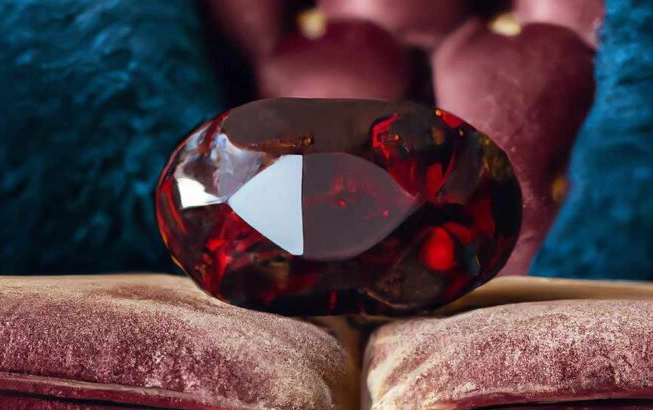
Ruby is the sole birthstone for July, and it's a variety of the mineral corundum—same family as sapphire, but with chromium giving it that iconic red hue. Most people think "red gem," but the color range is subtle. It can span from pinkish-red to deep, almost purplish-red. The Gemological Institute of America (GIA) notes that the finest rubies have a vivid, medium-dark tone often called "pigeon's blood" red, primarily from Myanmar.
Here's a quick rundown of key properties:
| Property | Details |
|---|---|
| Color | Red due to chromium; best grades are vivid red with slight purple undertones. |
| Hardness | 9 on the Mohs scale—second only to diamond, making it durable for daily wear. |
| Common Sources | Myanmar (Burma), Mozambique, Thailand, Sri Lanka; Myanmar rubies often command premium prices. |
| Typical Treatments | Heat treatment is common to enhance color and clarity; untreated stones are rare and expensive. |
I remember a client once bought a "ruby" online that turned out to be a cheap garnet—a common mistake because they didn't check the hardness or ask for certification. Always insist on a report from a reputable lab like GIA or AGS (American Gem Society).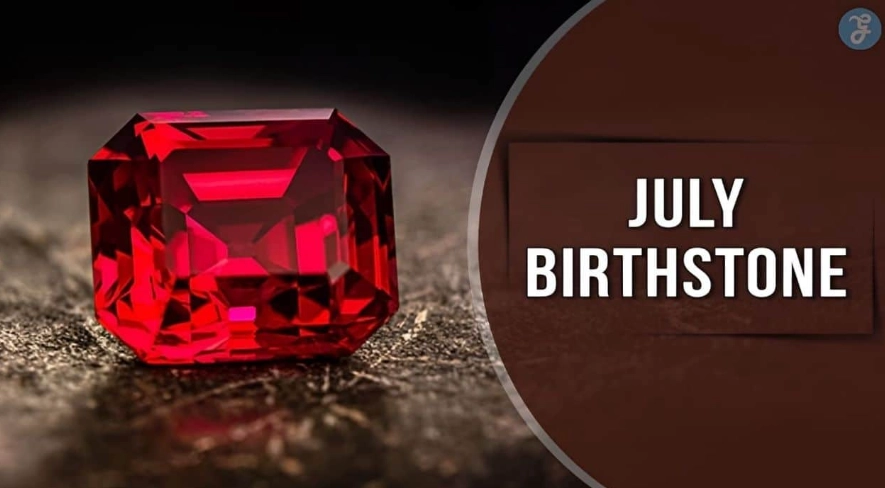
The Color and Properties of Ruby
Color is everything with rubies. It's not just about being red; saturation and tone make or break the value. A pale ruby might look nice, but it lacks the depth that carries symbolic weight. In my experience, newcomers focus too much on size, thinking a bigger stone is better. Wrong. A small, intensely colored ruby often outshines a large, washed-out one in both beauty and meaning.
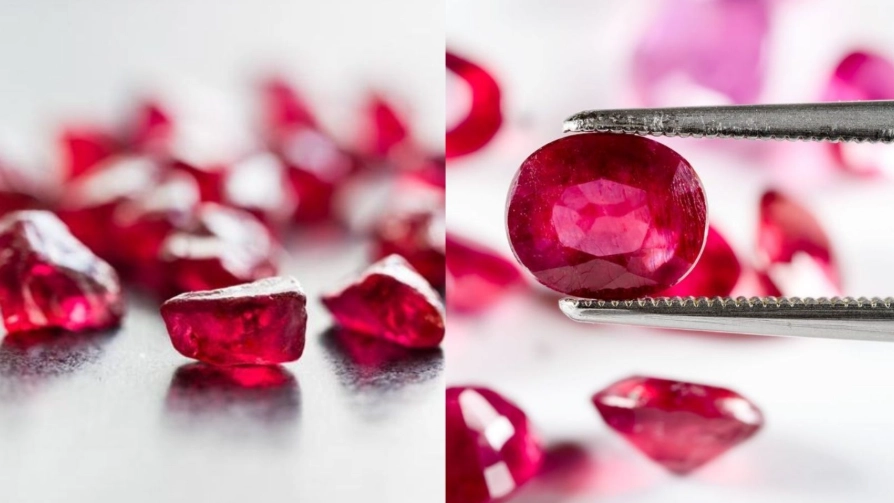
Clarity matters too, but rubies naturally have inclusions—tiny imperfections called "silk." These can actually prove authenticity. If a ruby is too clean, be suspicious; it might be synthetic or heavily treated. The cut should enhance the color, not just maximize carat weight. A poorly cut ruby can look dull, killing that fiery glow everyone loves.
Historical and Cultural Significance of Ruby
Rubies have been treasured for millennia. Ancient Hindus called them "ratnaraj," meaning king of precious stones, believing they offered protection in battle. In medieval Europe, rubies were thought to guarantee health, wealth, and wisdom. I've seen antique pieces where rubies were set into armor or crowns—not just for show, but as talismans.
One story that sticks with me is from a Burmese legend: rubies were considered to have a life force, glowing from within. Warriors embedded them in their skin for invincibility. Sounds wild, but it shows how deeply the stone was revered. Today, this history adds layers to its meaning; it's not just a gem, but a piece of human culture.
In modern times, rubies are still linked to power and passion. Think of Elizabeth Taylor's famous ruby necklace—it symbolized not just love, but a bold, unapologetic lifestyle. When you wear a ruby, you're tapping into this rich tapestry, whether you realize it or not.
Symbolic Meanings of Ruby: Beyond Love and Passion
Sure, ruby means love and passion—that's the headline. But dig deeper, and you'll find nuances most articles miss. For instance, ruby is strongly tied to vitality and energy. In some Eastern traditions, it's believed to stimulate the heart chakra, promoting courage and motivation. I've had clients tell me wearing a ruby pendant helped them feel more confident during tough times. Placebo? Maybe, but the symbolism is real.
Protection is another big one. Historically, rubies were worn to ward off evil or misfortune. In a practical sense, this translates to emotional resilience. If you're going through a rough patch, a ruby might serve as a reminder of inner strength. It's not magical armor, but a psychological anchor.
Here's a non-consensus point: many people assume ruby symbolism is universal. Not true. In some cultures, red can signify danger or anger, so the meaning shifts. For example, in certain Asian contexts, ruby might be more about prosperity than romance. When gifting a ruby, consider the recipient's background—it can change how the meaning is received.
Let's break it down with a quick list of core symbolic associations:
- Love and Passion: The classic meaning, linked to deep emotional bonds and romance.
- Vitality and Energy: Thought to boost physical and mental stamina.
- Protection and Courage: Used as a talisman against negative forces.
- Wealth and Success: In some beliefs, rubies attract abundance.
I once advised a friend to choose a ruby for an engagement ring not just for love, but because its durability symbolized lasting commitment. She loved that angle—it made the stone more personal.
How to Choose a Ruby: A Practical, No-Nonsense Guide
Buying a ruby can be overwhelming. Prices vary wildly, and there's a lot of misinformation out there. Based on my years in the trade, here's a step-by-step approach to avoid common pitfalls.
First, set a budget. Rubies range from a few hundred to millions per carat. Know what you can spend, and don't get swayed by flashy marketing. Second, prioritize color over everything else. A vivid, medium-dark red is ideal. Use the GIA's color grading system as a reference if you can—it's a trusted resource in the industry.
Clarity comes next. Accept that inclusions are normal; they're like birthmarks. But avoid stones with cracks that might affect durability. Cut is crucial: a well-cut ruby reflects light evenly, enhancing that fiery glow. I've seen too many rubies cut too shallow to save weight, resulting in a lifeless appearance.
Carat weight is last. Bigger isn't better if the quality suffers. A 1-carat high-quality ruby often holds more value than a 2-carat mediocre one.
Key Factors to Consider: Color, Clarity, Cut, Carat
Let's get specific. For color, look for stones labeled "vivid red" or "pigeon's blood"—but beware, these terms aren't regulated. Always see the stone in person or under neutral light. Online photos can be misleading.
Clarity: Use a jeweler's loupe. Silk inclusions are fine, but avoid large fractures. Some treatments, like lead glass filling, can mask flaws but weaken the stone. Ask about treatments upfront; untreated rubies are rare and pricey.
Cut: Opt for oval or cushion cuts—they maximize color. Avoid overly fancy shapes unless you're sure of the cutter's skill.
Carat: Remember, density varies. A ruby might be smaller in size than a diamond of the same weight.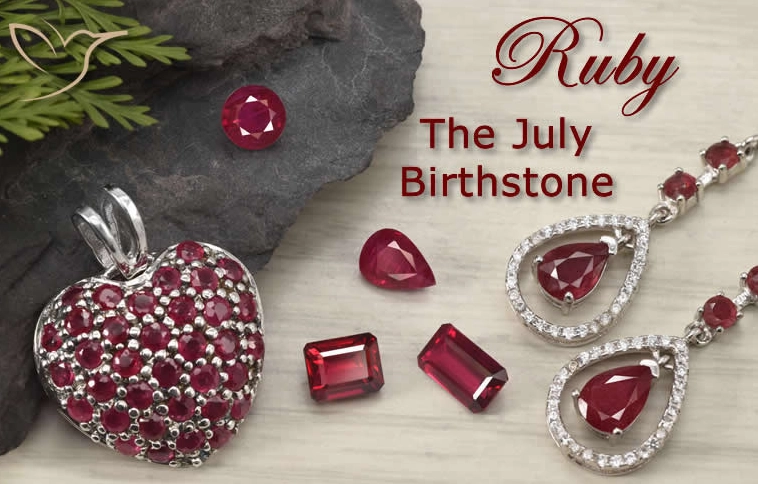
Common Mistakes When Buying Rubies
Here's where my expert opinion kicks in. Newbies often make these errors:
- Ignoring Certification: Never buy without a gem lab report. I've seen synthetics passed off as natural—it's a rampant issue.
- Overpaying for Origin: Myanmar rubies are famous, but Mozambique produces excellent stones at lower prices. Origin isn't everything.
- Neglecting Setting: A ruby needs a secure setting, like bezel or prong, to prevent chipping. I once had a client lose a stone because of a flimsy setting.
Consider this scenario: You're shopping for a July birthstone gift. Instead of going for the biggest stone, pick one with great color and a simple setting. It'll mean more and last longer.
Caring for Your Ruby Jewelry: Dos and Don'ts
Rubies are tough, but they're not indestructible. Proper care keeps them looking their best and preserves their meaning. Here's a straightforward guide.
Do clean your ruby regularly with warm, soapy water and a soft brush. Avoid harsh chemicals—bleach or chlorine can damage treatments or the metal setting. I learned this the hard way when a friend's ruby ring lost its shine after a swim in a chlorinated pool.
Don't expose rubies to extreme heat or sudden temperature changes. While they can handle some heat, it might affect treated stones. Store them separately from other jewelry to prevent scratches, even though ruby is hard.
Do get professional check-ups annually. A jeweler can tighten settings and inspect for damage. It's a small step that prevents big losses.
Think of ruby care as maintaining a legacy. That stone might be passed down for generations, so treat it with respect.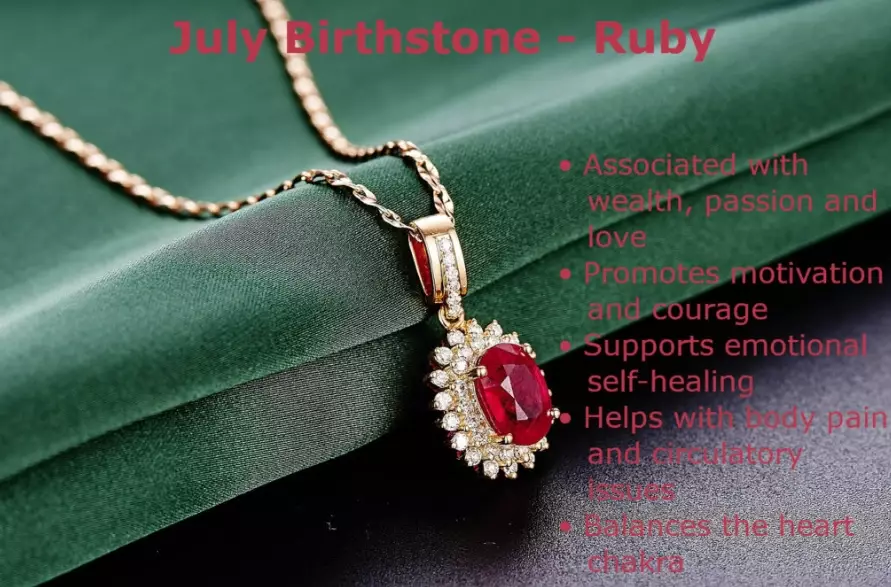
Frequently Asked Questions About July Birthstone Meaning
 What are the hidden meanings of ruby in different cultures that affect gift-giving?
Wrapping up, the July birthstone ruby is more than a gem—it's a blend of history, emotion, and practicality. Whether you're buying for yourself or as a gift, focus on what resonates. Skip the hype, trust certified sources, and let the stone's meaning enrich your life. After all, a ruby isn't just red; it's alive with stories waiting to be told.