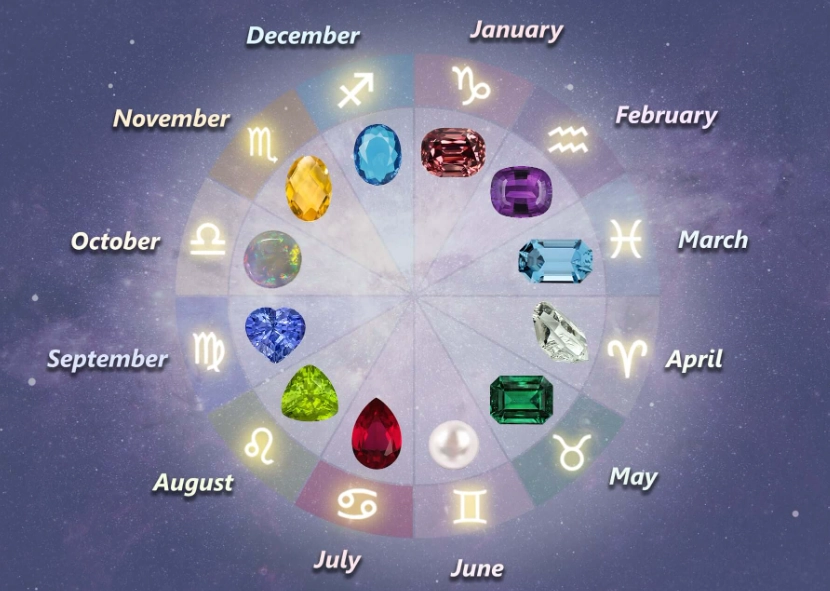
If you're born in July, you probably know ruby is your birthstone. But here's the thing—most people get hung up on size or clarity and completely overlook color. And color is what makes or breaks a ruby. I've been in the gem trade for over a decade, and I've seen too many buyers pay top dollar for rubies that look vibrant in photos but fall flat in person. Let's cut through the noise and dive into what really matters: the color of a ruby.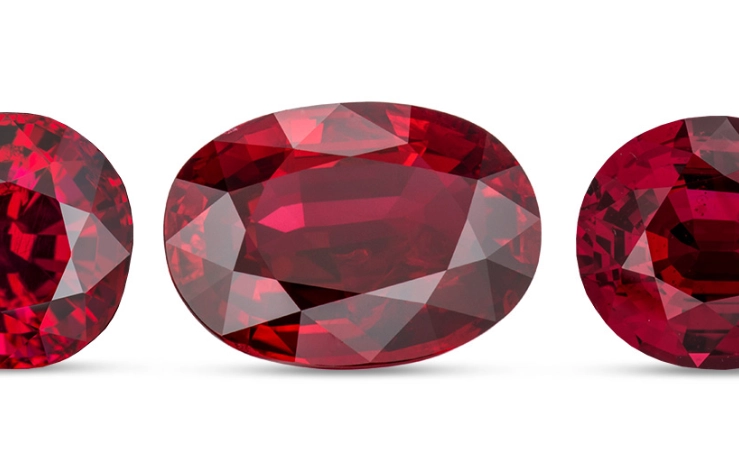
Jump Straight to What Matters
What Ruby Color Actually Means (Beyond Just Red)
When we say "ruby color," it's not just about being red. It's a mix of three things: hue, tone, and saturation. Hue is the basic color—like purplish-red or orangish-red. Tone is how light or dark it is. Saturation is the intensity. The Gemological Institute of America (GIA) breaks this down in their color grading system, which is the industry standard.
Most rubies aren't pure red. They have secondary hues. A purplish-red ruby often commands higher prices, while an orangish-red might be more affordable. But here's a nuance beginners miss: the ideal ruby color isn't just about being vivid. It's about balance. Too dark, and the stone looks black in dim light. Too light, and it loses that fiery appeal.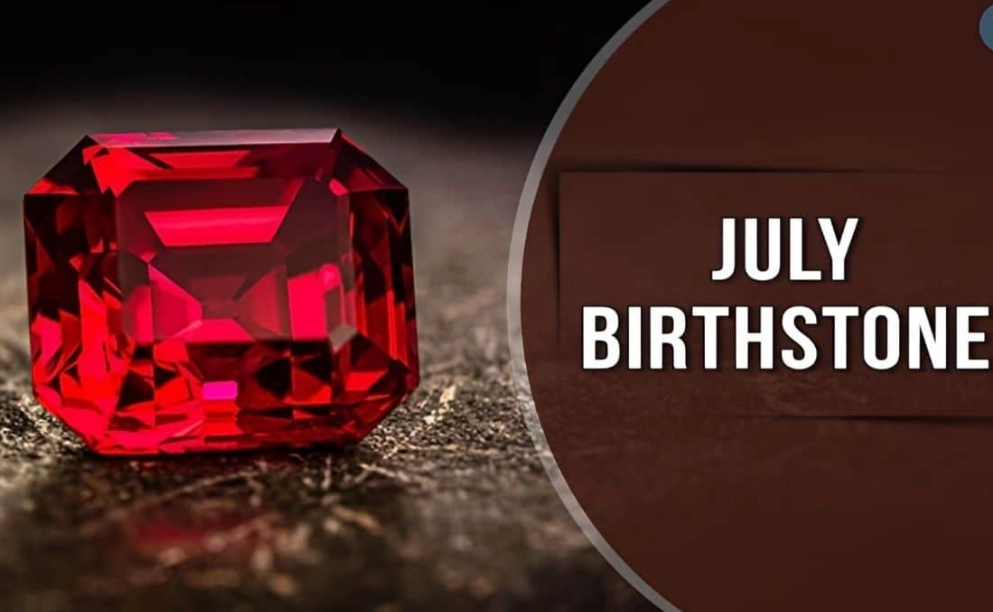
The Spectrum of Ruby Hues You'll Encounter
In the trade, we categorize ruby hues into a few common types:
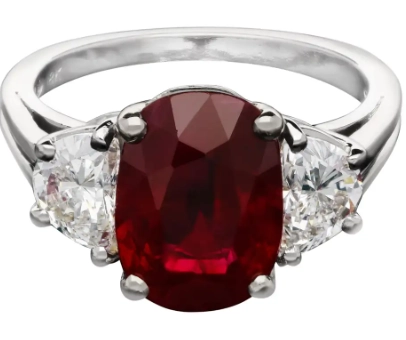
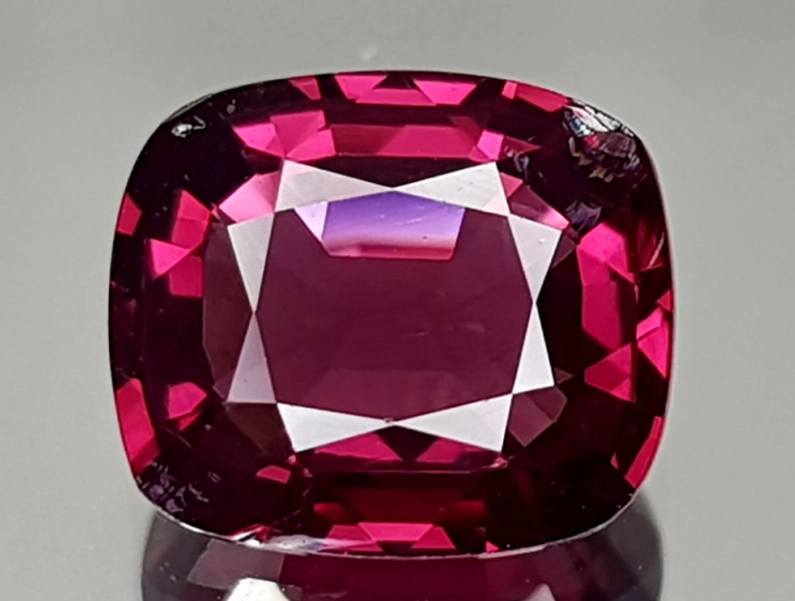
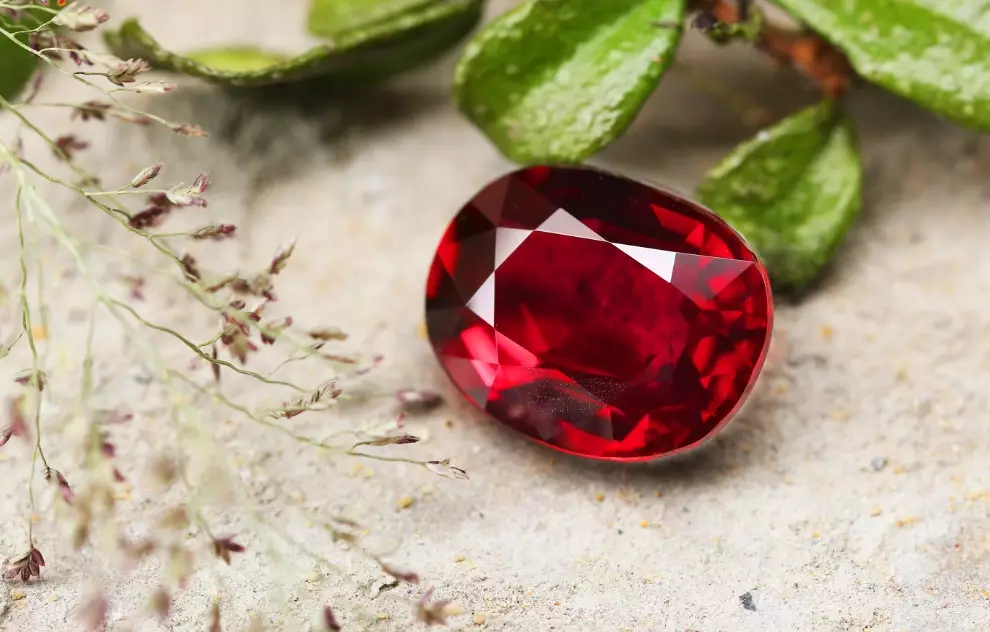
- Pigeon Blood Red: This is the holy grail. It's a vivid, medium-toned red with a slight purple undertone. The name comes from old Burmese legends, but today, it's used loosely. True pigeon blood rubies are rare and mostly from Myanmar.
- Purplish-Red: More common in African rubies, like those from Mozambique. They can be stunning but sometimes look too purple under artificial light.
- Orangish-Red: Often found in Thai or Cambodian rubies. They're warmer and can be a great budget option, but they don't have the same premium cachet.
I once had a client insist on a "pigeon blood" ruby for an engagement ring. She bought one online based on a certificate, but when it arrived, the color was more orangish under her home lighting. She felt cheated. That's why understanding hue matters—it's not just a label.
Pigeon Blood Red: Why It's Overhyped (And What to Look For Instead)
Everyone wants pigeon blood, but let's be real: many dealers use the term to inflate prices. According to GIA reports, only a tiny fraction of rubies truly qualify. The key is to focus on the visual effect. A good ruby should glow from within, not just look bright under a jeweler's spotlight.
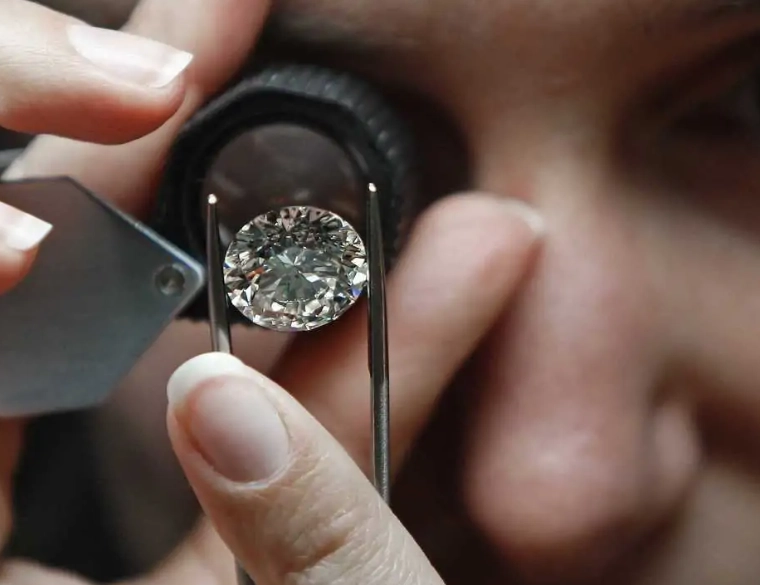
Instead of chasing the label, look for a ruby with even color distribution. Many rubies have color zoning—patches of lighter or darker areas. Hold the stone under natural daylight and tilt it. If you see uneven patches, it might affect value. A trick I use: place the ruby on a white paper and observe. The color should be consistent from all angles.
How Color Drives Ruby Value—The Real Numbers
Color can swing ruby prices by 50% or more. A vivid, medium-toned red ruby might cost $5,000 per carat, while a similar stone with a brownish tint could drop to $2,000. It's that dramatic.
Here's a breakdown based on market data from industry sources like the International Colored Gemstone Association (ICA):
| Color Grade | Typical Hue Description | Price Range per Carat (Approx.) | Common Sources |
|---|---|---|---|
| Premium Vivid Red | Pigeon blood type, even saturation | $8,000 - $15,000+ | Myanmar, rare Mozambique |
| Vivid Purplish-Red | Strong red with purple secondary | $3,000 - $7,000 | Mozambique, Madagascar |
| Medium Orangish-Red | Warm red, good saturation | $1,000 - $3,000 | Thailand, Cambodia |
| Light or Brownish-Red | Low saturation, visible tints | $500 - $1,500 | Various, often treated |
Note: These prices assume good clarity and cut. But color is the biggest factor. A ruby with inclusions but excellent color can still be valuable—I've sold stones with visible silk (tiny inclusions) that fetched high prices because the color was exceptional.
Enhancements play a role too. Heat treatment is common to improve color, but it's accepted if disclosed. However, some treatments like glass filling can mask poor color and are red flags. Always ask for a lab report from GIA or AGL (American Gemological Laboratories).
A Practical Method to Identify Ruby Hues Yourself
You don't need to be a gemologist to judge ruby color. Here's a step-by-step approach I teach my clients: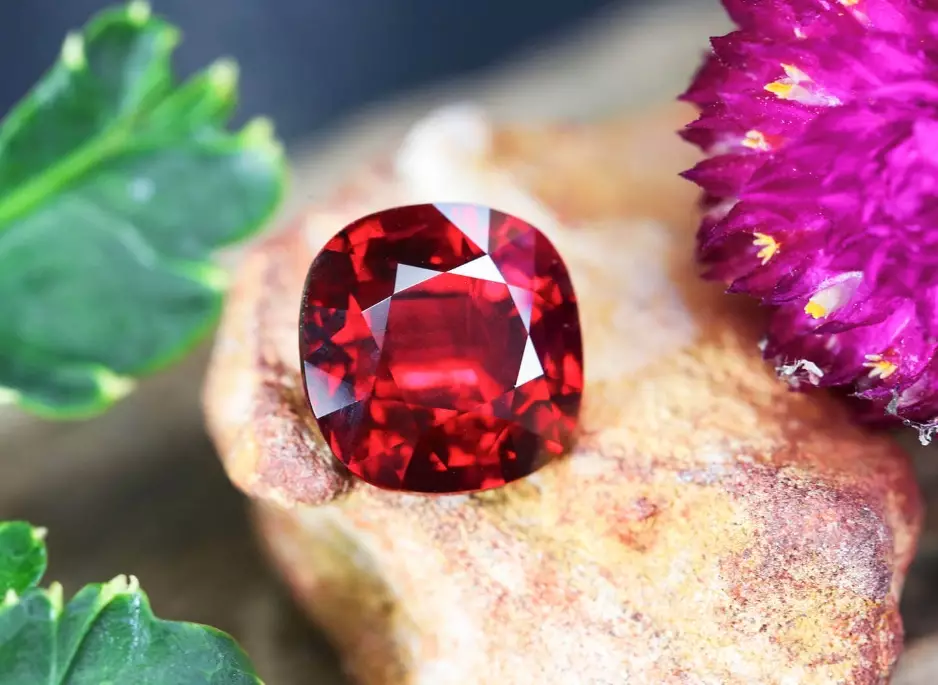
- Use Natural Daylight: Avoid jewelry store lighting, which is often optimized to make gems pop. Step outside or near a window. Morning light is best—it's neutral.
- Compare Side-by-Side: If possible, place multiple rubies next to each other. Differences in hue and tone become obvious. Even a slight purplish tint can stand out against an orangish one.
- Check for Color Zoning: Rotate the stone slowly. Look for bands or patches. A uniform color is preferable, but some zoning is natural. If it's too pronounced, it might affect the stone's beauty.
- Assess Saturation: Does the color feel intense or washed out? A highly saturated ruby will look rich even in shadowy areas. I use a simple test: cover part of the stone with your finger. If the uncovered part still looks vibrant, saturation is good.
Last year, a friend asked me to evaluate a ruby she inherited. It looked dull in her display case. Under daylight, though, it revealed a lovely purplish-red hue—just needed cleaning. She almost sold it for a fraction of its worth.
Pro Tip: Don't rely on smartphone photos. Cameras often oversaturate reds. I've seen online listings where rubies look fiery in images but are actually brownish in person. Always request a video in natural light before buying.
Common Pitfalls Everyone Makes with Ruby Color
We all make mistakes. Here are the big ones I see repeatedly:
- Chasing Certificates Over Visuals: A certificate might say "vivid red," but if you don't like how it looks, it's not worth it. I've had clients buy certified rubies that felt lifeless to them. Trust your eyes first.
- Ignoring Lighting Conditions: Rubies can look different under LED vs. incandescent light. A purplish-red ruby might appear more purple under warm home lighting. Ask to see the stone in multiple settings.
- Overpaying for Treatments: Some dealers sell heavily treated rubies as "natural color." Glass-filled rubies, for instance, can have enhanced color but are fragile and worth less. Always get a treatment disclosure.
A common misconception is that darker rubies are better. Not true. A dark ruby might look impressive in a store, but in daily wear, it can appear almost black. I recommend aiming for a medium tone—it's more versatile.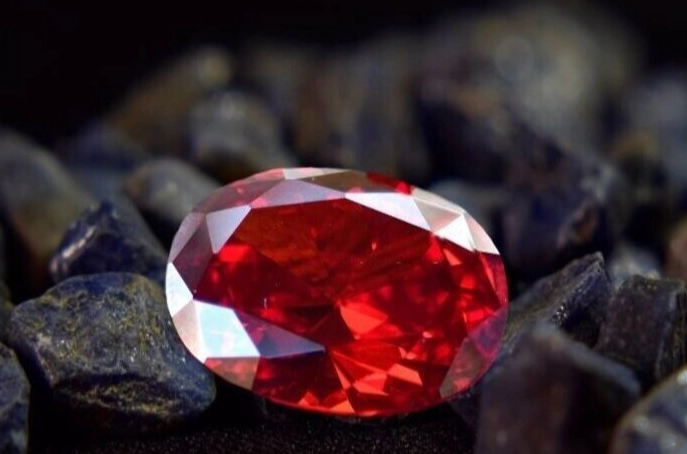
Choosing the Right Ruby Color for Gifts or Investment
If you're buying a July birthstone ruby, think about the purpose. For an engagement ring, you might want a vivid, eye-catching color. For investment, focus on rarity—pigeon blood types from Myanmar hold value better.
Consider the setting too. Yellow gold complements orangish-red rubies, while white gold or platinum enhances purplish-red ones. I helped a client pick a purplish-red ruby for a pendant, and in a simple platinum setting, it stole the show.
Budget-wise, you don't need to break the bank. A smaller ruby with excellent color can be more impactful than a larger one with poor hue. Look for stones around 1-2 carats with strong saturation—they're often the sweet spot.
Your Burning Questions on Ruby Color Answered
 Is pigeon blood ruby color worth the premium for a July birthday gift?