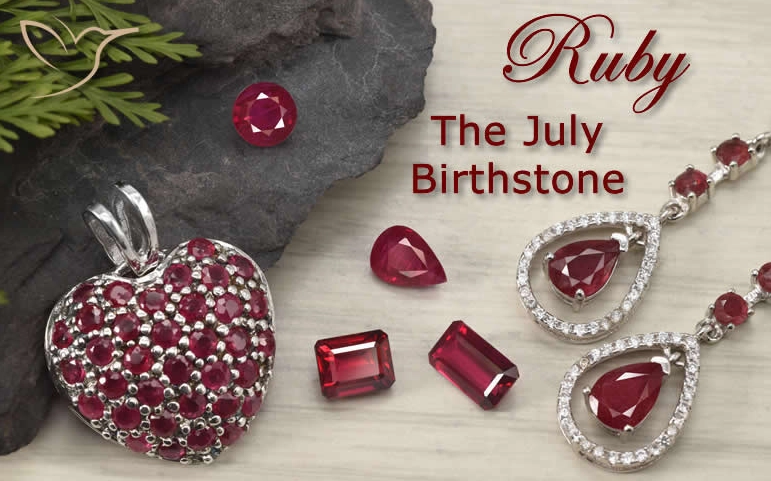
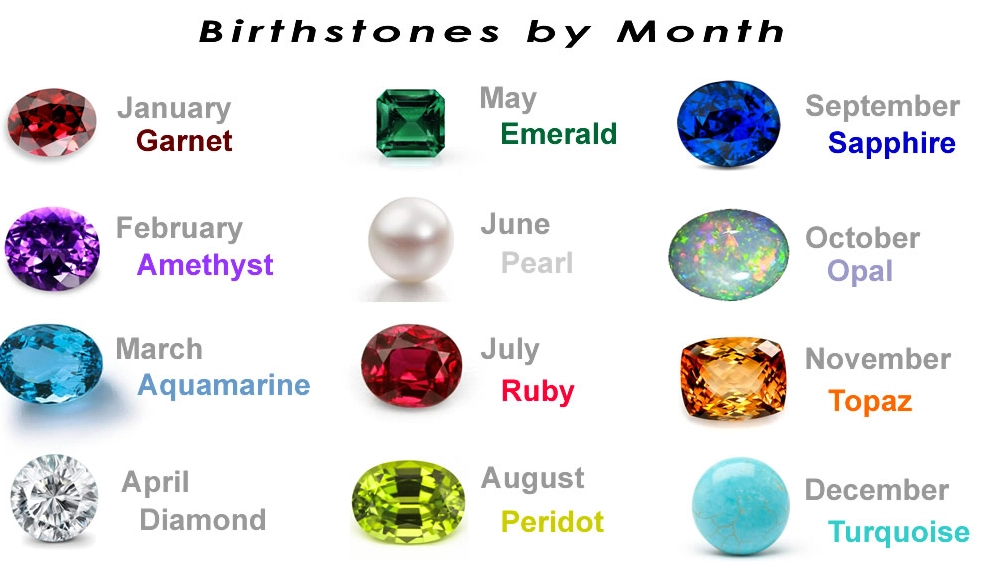
When people ask about the July birthstone color, they're usually expecting a simple answer: red. But as someone who's spent over a decade in the gem trade, I can tell you it's anything but simple. Ruby, the birthstone for July, comes in a spectrum of reds that can make or break its value, symbolism, and appeal. I've seen buyers pay thousands for a stone that looks dull under certain light, or overlook a stunning hue because they focused too much on carat weight. Let's cut through the noise and dive into what really matters about ruby color.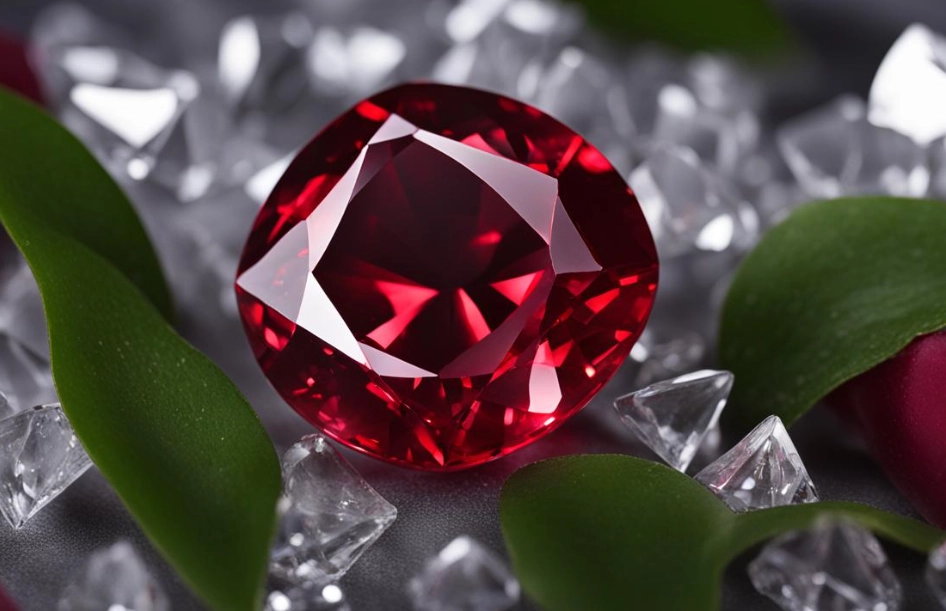
What You'll Discover in This Guide
What Is the Actual Color of July's Birthstone?
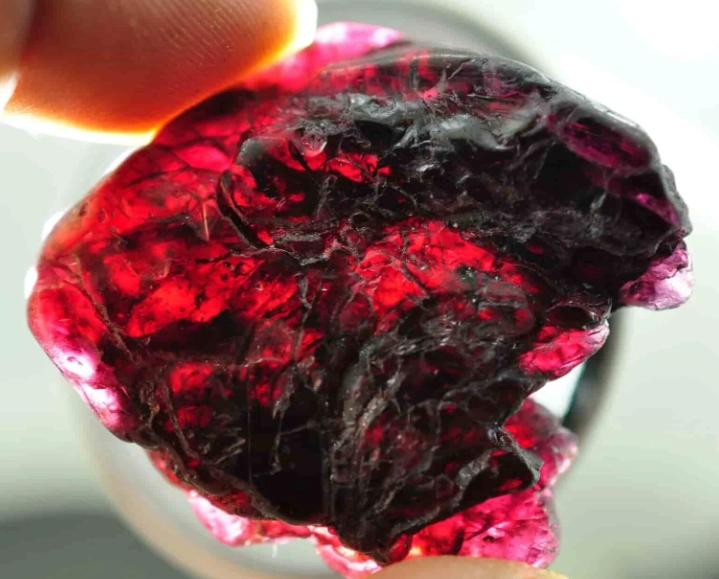
Ruby is red, sure, but from a pale pinkish-red to a deep, almost blackish-red. The ideal July birthstone color is what gemologists call "pigeon's blood red" – a vibrant, pure red with a hint of blue undertone. It's not just about being bright; it's about saturation and tone. I remember a client once brought in a ruby she bought online, boasting about its "fiery red" color. Under my loupe, it had a brownish tint that made it look muddy in daylight. She'd missed the nuance.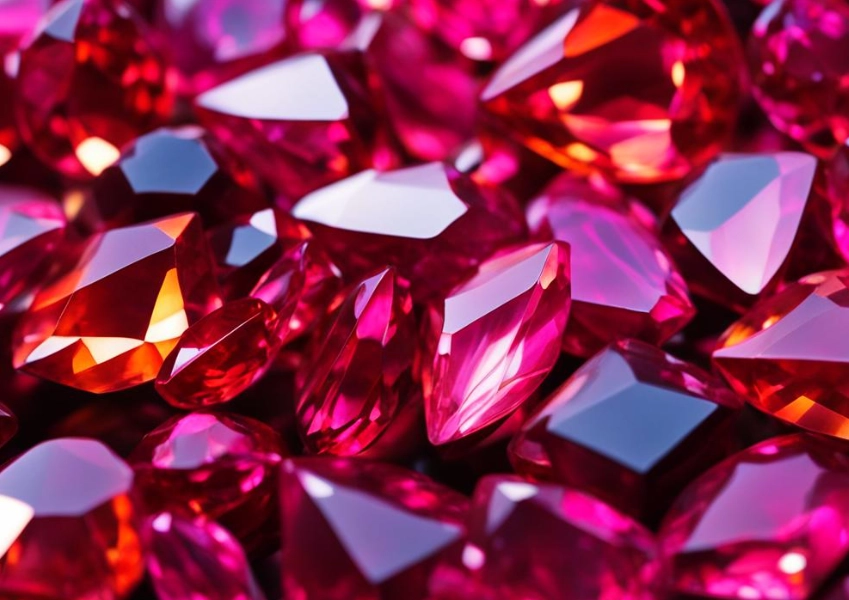
The color comes from chromium impurities in the mineral corundum. More chromium means a deeper red, but too much can lead to cracks. That's why the finest rubies balance color intensity with clarity. According to the Gemological Institute of America (GIA), ruby color is graded based on hue, tone, and saturation. Here's a quick breakdown:
| Color Grade | Hue Description | Typical Appearance |
|---|---|---|
| Pigeon's Blood | Vivid red with slight purple/blue undertones | Most valuable, often from Myanmar |
| Vivid Red | Bright red, no strong undertones | Common in Thai rubies, highly sought after |
| Deep Red | Dark red, can appear blackish in low light | Affordable, but may lack brilliance |
| Pinkish Red | Light red with pink tones |
Many beginners think all rubies are the same red. They're not. A ruby from Mozambique might have a more orangey red, while one from Afghanistan leans purplish. It affects price and perception. I always advise checking the origin on certificates from labs like GIA or AGL (American Gemological Laboratories).
The Surprising Range of Ruby Hues
Beyond the basics, rubies can show secondary colors. You might see hints of orange, purple, or brown. This isn't necessarily bad – some collectors love unique hues. But for the classic July birthstone color, stick to pure reds. A common mistake is confusing ruby with pink sapphire. Gemologically, they're both corundum; the line between them is blurry. In the trade, if it's light pink, it's often called sapphire to sell for less. Don't get tricked.
How to Evaluate Ruby Color Like a Pro
Evaluating ruby color isn't just about looking at it under a store light. You need to consider lighting, setting, and even your own eyesight. I've met jewelers who use specific LED lights to enhance red tones, making stones appear more vibrant than they are. Here's my step-by-step approach, honed from years of mistakes.
First, always view the ruby in multiple light sources: daylight, incandescent, and fluorescent. Daylight reveals true color, while incandescent light can make reds look richer. Fluorescent light might flatten the hue. I once bought a ruby that looked stunning in a shop's warm lighting, but outdoors it turned dull. Lesson learned.
Second, check for color zoning. Rubies often have uneven color distribution – patches of lighter or darker red. Hold the stone against a white background and rotate it. If you see streaks or spots, it might affect value. High-end rubies have uniform color.
Third, consider the cut. A well-cut ruby enhances color by reflecting light internally. A shallow cut can make color look washed out, while a deep cut might darken it. Ask the seller about the cut proportions. Most rubies are cut to preserve weight, not optimize color, so be wary.
Pro tip: Use a color grading chart if possible. Many online resources from GIA provide visual aids. But nothing beats comparing stones side-by-side. Visit a reputable jeweler with a range of rubies to train your eye.
Common Mistakes People Make with Ruby Color
Everyone focuses on "red," but they ignore saturation. Saturation is how intense the color is. A ruby with high saturation looks vivid and alive; low saturation appears grayish or brown. I've seen buyers choose a larger ruby with poor saturation over a smaller, more saturated one, only to regret it later. Size isn't everything.
Another error: neglecting undertones. Ruby with blue undertones (pigeon's blood) is prized, but orange undertones can make it look cheaper. In some cultures, though, orange-red rubies are preferred for their warmth. Know what you want.
Lastly, assuming all treatments are bad. Heat treatment is common to enhance ruby color – it's accepted in the industry. But disclose it. Untreated rubies with great color are rare and expensive. If a deal seems too good, the stone might be treated or even synthetic. Always ask for a lab report.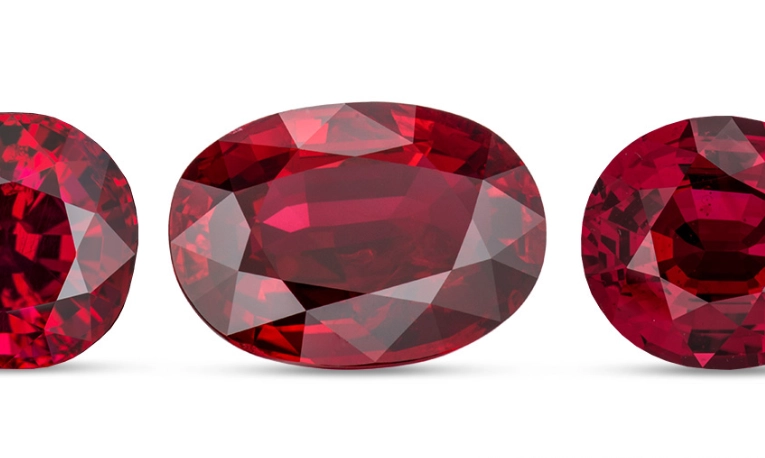
The Symbolism and Meaning Behind Ruby Red
The July birthstone color isn't just pretty; it's packed with meaning. Red symbolizes passion, love, and energy. In ancient times, rubies were believed to protect warriors in battle. Today, they're often given as gifts for 15th or 40th wedding anniversaries. But there's a deeper layer.
In my experience, people choose ruby for its emotional resonance. A client once told me she picked a ruby ring because the color reminded her of her grandmother's favorite rose garden. That personal connection matters more than technical specs sometimes.
Cultural meanings vary. In India, ruby is associated with the sun and power. In medieval Europe, it symbolized divine love. Modern spirituality ties it to the root chakra, promoting vitality. When selecting a ruby, think about what the color means to you. A dark red might feel regal, while a bright red could be more playful.
Interestingly, ruby color can affect perceived value beyond price. A vibrant red might boost confidence in the wearer. I've had customers report feeling more energetic after wearing ruby jewelry. Placebo or not, it's real to them.
A Practical Guide to Buying Ruby Jewelry Based on Color
Buying ruby jewelry isn't like picking a blue sapphire where you can go by standard grades. With ruby, color is king. Here's how to make a smart purchase, whether it's a ring, necklace, or earrings.
Start by setting a budget. Ruby prices skyrocket for top colors. A 1-carat pigeon's blood ruby can cost over $10,000, while a deep red might be $1,000. Decide how much color quality matters to you. For everyday wear, a slightly lighter red might be fine and more affordable.
Consider the jewelry setting. Yellow gold enhances warm red tones, while white gold or platinum makes reds appear cooler. I often suggest rose gold for rubies – it complements the hue beautifully. For rings, think about durability; ruby is hard but can chip if set poorly.
Ask about origin and treatments. Burmese rubies are famous for color, but Mozambican rubies offer great value. Be upfront: "Is this ruby heated?" Most are, but it should be disclosed. Synthetic rubies have perfect color but lack rarity – they're fine for fashion jewelry, not heirlooms.
Case Study: Choosing a Ruby Engagement Ring
Let's walk through a real scenario. Sarah wanted a ruby engagement ring but was overwhelmed by color choices. Her budget was $5,000. She loved the idea of a vibrant red but didn't need perfection.v
We looked at three options:
- A 0.8-carat Burmese ruby with pigeon's blood color, but it had minor inclusions. Price: $4,500.
- A 1.2-carat Thai ruby with vivid red color, heated, excellent clarity. Price: $3,800.
- A 1.5-carat African ruby with deep red color, untreated, but some color zoning. Price: $2,500.
Sarah chose the Thai ruby because the color was consistent and bright under all lights. She prioritized appearance over origin or treatment. The ring came with a GIA report confirming the heat treatment. She's thrilled with it years later.
Key takeaway: Define your priorities. Color might trump size or purity.
FAQ: Your Burning Questions About July Birthstone Color
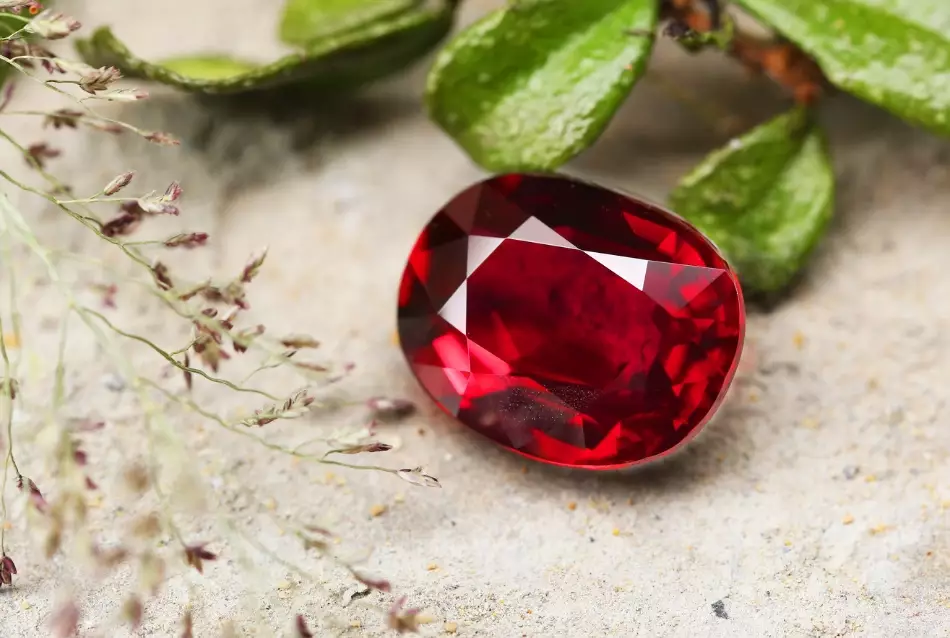 What's the best lighting to showcase July birthstone color in jewelry?
Final thought: The July birthstone color is more than a shade; it's a story of geology, culture, and personal taste. Whether you're buying for a birthday or treating yourself, take time to appreciate the nuances. And remember, the best ruby is one that makes you smile every time you see its red glow.