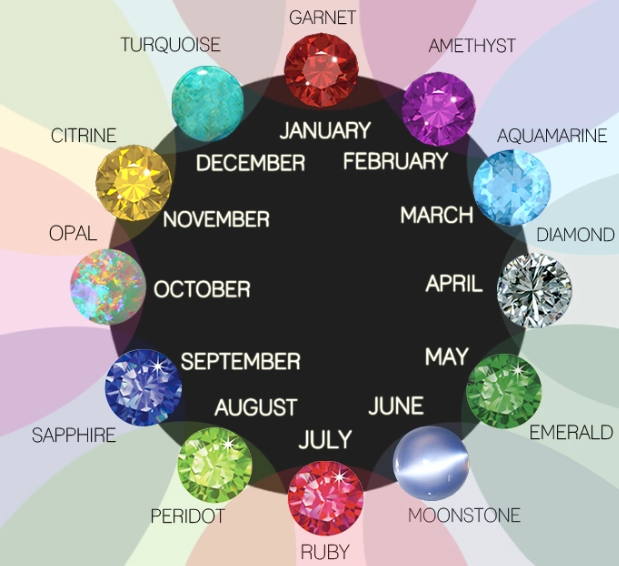
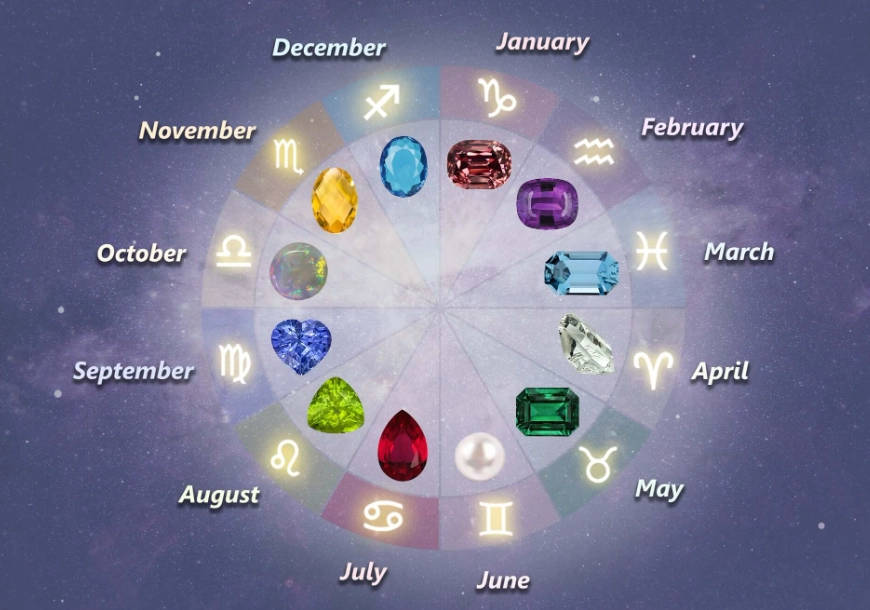
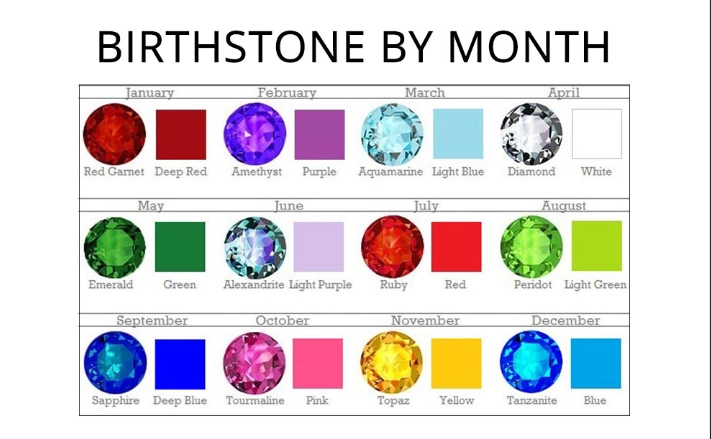
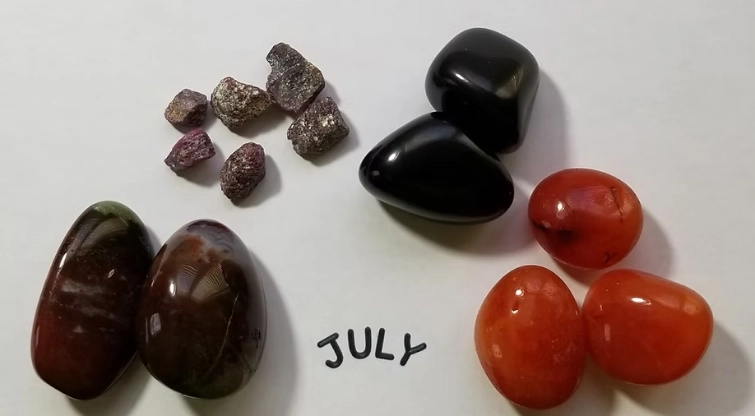
If you were born in July, you're in luck. You don't just get one birthstone, you get two. That's right, the answer to "what are the 2 birthstones for July" is the fiery, passionate Ruby and the sleek, grounding Onyx. It's like having a best-of-both-worlds scenario in the gemstone universe. One shouts with vibrant color, the other whispers with sophisticated depth. For decades, Ruby was the sole official July stone, but modern lists, including the one from the American Gem Trade Association, often include Onyx as a modern or alternative choice. This gives July babies way more flexibility when picking jewelry that fits their style and budget.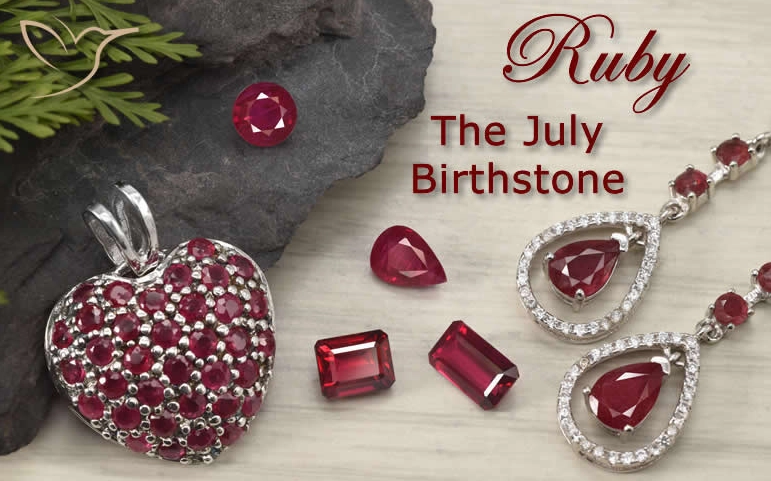
Let's be honest, most people know Ruby is the main July birthstone. But Onyx? That often comes as a surprise. I've seen many clients light up when they realize they have a cool, affordable black stone option alongside the regal red one. This guide isn't just a list of facts. We're going deep into what makes each stone special, how to spot quality (and avoid overpaying), and which one might be the right fit for your life.
What's Inside This Guide
The Ruby: King of Gemstones
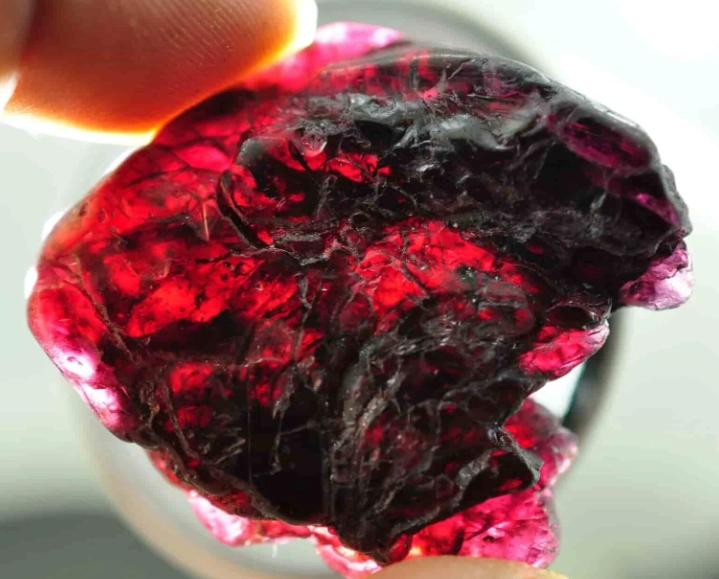
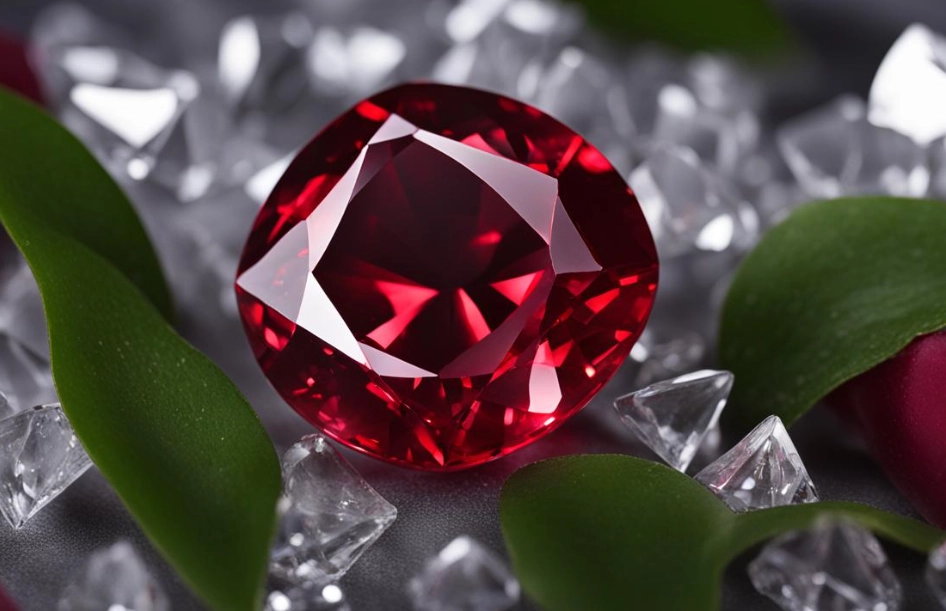
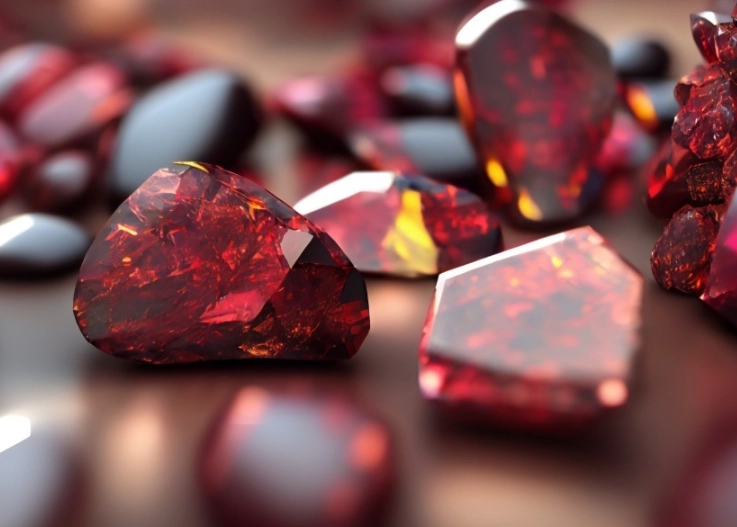
Ruby is corundum. The same mineral family as Sapphire. But when corundum contains chromium, it turns red, and we call it Ruby. It's that simple, and that rare. The name comes from the Latin "ruber," meaning red. Throughout history, from ancient Burma to medieval Europe, Ruby was prized above almost all other gems, believed to hold the power of life and blood.
Its color is everything. The most coveted shade is a pure, vibrant red with a hint of blue, often called "pigeon's blood." But you'll find a range from pinkish-red to a deeper purplish-red.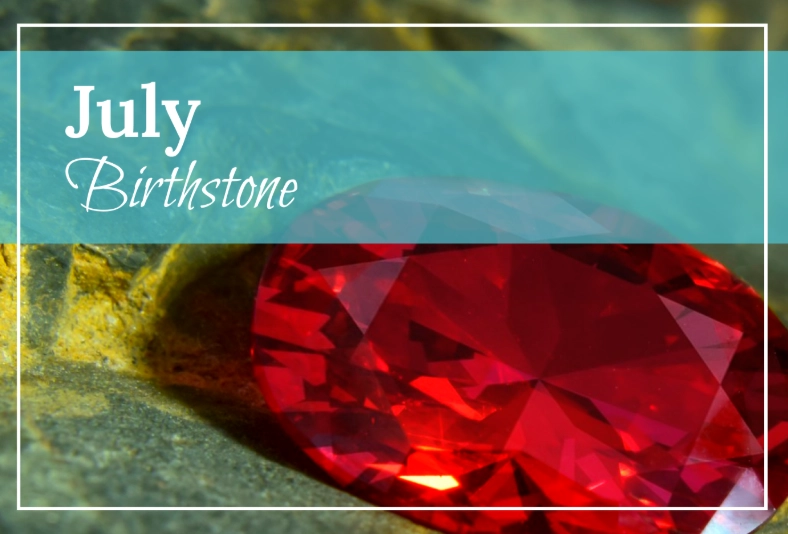
What You're Really Paying For (The Quality Factors)
Looking at a Ruby and thinking "it's red, so it's expensive" is the first mistake. The value is in the details.
Color is King (90% of the value): The ideal is a strong, saturated red without being too dark (which makes it look black in dim light) or too light (which leans toward pink). That perfect, vivid saturation is what commands top dollar. A common trap is buying a large, but washed-out, Ruby thinking it's a deal. It often isn't.
Clarity Matters, Differently: Unlike diamonds, inclusions in Ruby are expected. The gem trade even calls them "silk." A completely flawless Ruby is extraordinarily rare and suspiciously expensive. The key is that inclusions shouldn't significantly weaken the stone's structure or make it look cloudy. Some silk can even enhance value by causing a soft, velvety glow or asterism (a star effect).
The Treatment Talk (The Big Secret): Here's the insider bit most generic articles gloss over. Over 90% of Rubies on the market are heat-treated. This is a standard, accepted practice to improve color and clarity. It's permanent and stable. The problem? Not all sellers disclose it transparently. A heated Ruby is less valuable than a natural, unheated one of identical appearance. Always ask. For significant purchases, insist on a report from a lab like GIA or AGL that states the treatment.
Then there's fracture filling. Lower-quality Rubies with surface-reaching cracks might be filled with lead glass. These stones are much cheaper but are fragile. Heat from a jeweler's torch or even harsh chemicals can damage the filling. Know what you're buying.
Ruby in Jewelry: Passion Made Wearable
Ruby is a 9 on the Mohs hardness scale (diamond is 10), making it excellent for daily wear. It's a staple in all types of jewelry.
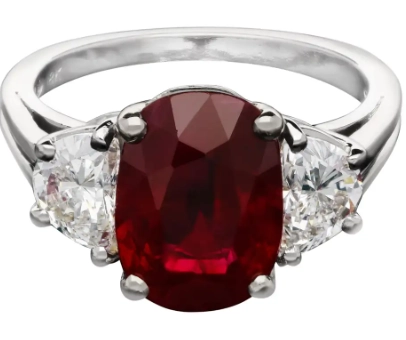
Engagement Rings: A stunning, non-traditional choice. A well-cut Ruby in a bezel or protective setting makes a bold statement. Just ensure it's a quality stone without major fillings.
Statement Necklaces & Earrings: Ruby's color pops against any skin tone. Paired with diamonds in a pavé setting, it's pure luxury.
Heirloom Pieces: Ruby has held value for centuries. A good piece is an investment you can pass down.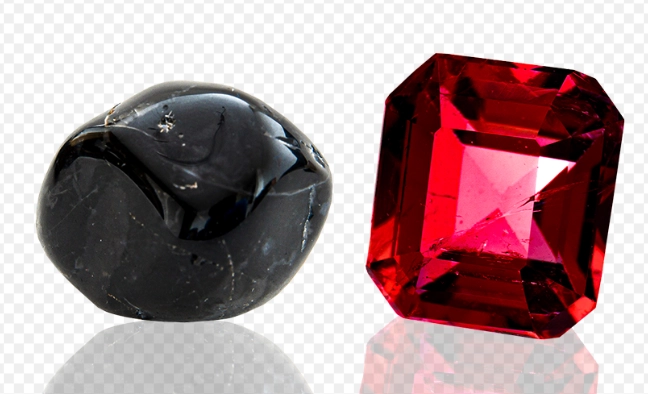
My Take: I love a Ruby with character. Don't fear slight inclusions if the color is vibrant. And if you're on a budget, consider a smaller, finer-quality stone over a larger, included one. The brilliance and color will make it look more expensive than it is.
The Onyx: A Stone of Strength and Grounding
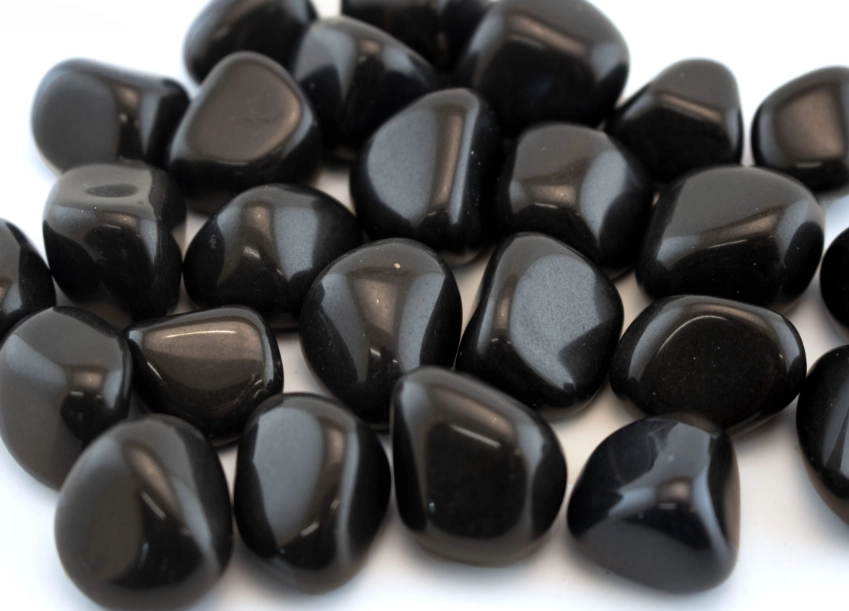
Onyx is the yang to Ruby's yin. It's a banded variety of chalcedony (a type of quartz), but the birthstone variety is typically the solid black version. Its name comes from the Greek word for "claw" or "fingernail," perhaps due to its texture. Historically, Onyx was carved into cameos and intaglios because its layers allowed for contrasting images. Romans believed it could help control emotions and ward off evil.
Today, its meaning is often tied to protection, grounding, and strength. It's seen as a stone that absorbs negative energy. Whether you buy into the metaphysics or not, there's no denying its aesthetic power.
Beyond Just "Black": Understanding Onyx
Many people think Onyx is just a cheap, plain black stone. That's a surface-level view.
It's Often Treated: A lot of black Onyx is actually agate that has been dyed or heat-treated to achieve that uniform, jet-black color. This is a standard and completely accepted practice for this stone. Natural, uniformly black Onyx is rarer.
The Look is Key: Since color treatment is standard, you're judging Onyx on its polish and finish. A high-quality piece will have a deep, glossy, mirror-like polish without visible scratches, pits, or cloudy areas. The black should be intense and even.
Onyx in Modern Design: The Cool Factor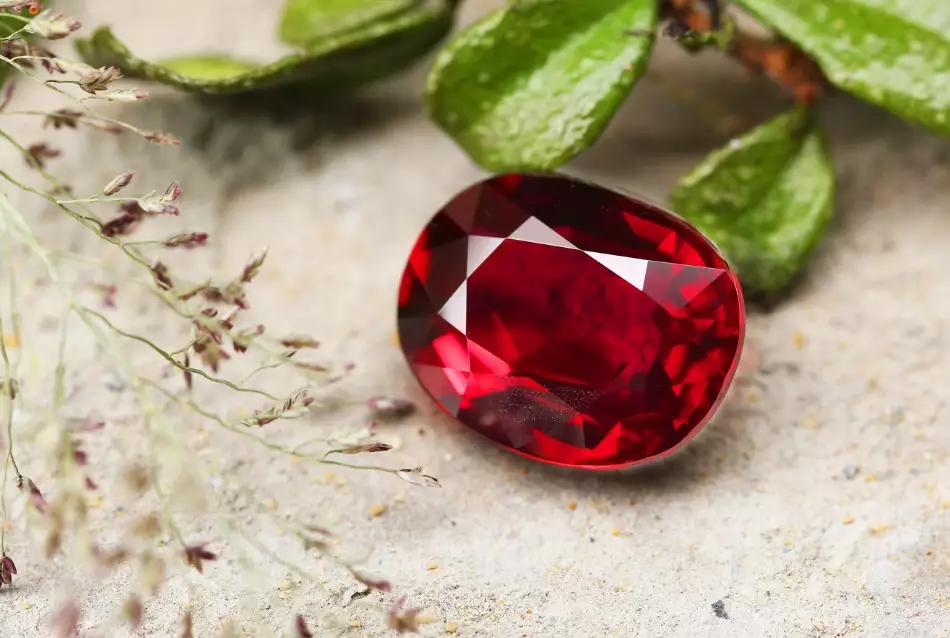
With a hardness of 6.5-7 on the Mohs scale, Onyx is decent for jewelry but is more prone to scratching than Ruby. It's best used in pieces that won't see extreme abrasion.
Men's Jewelry: Onyx is hugely popular in men's rings, cufflinks, and bracelets. Its sleek, black appearance is masculine and pairs perfectly with sterling silver, white gold, or platinum.
Art Deco & Modern Styles: Onyx was a darling of the Art Deco era, often paired with diamonds and platinum in geometric patterns. That look is timeless. Modern designers use it for striking contrast in stackable rings or as inlay in wider bands.
Affordable Statement Pieces: This is where Onyx shines (figuratively). You can get a substantial, dramatic piece of jewelry for a fraction of the cost of a similar-sized Ruby. A large Onyx cocktail ring or pendant makes an impact without breaking the bank.
My observation: Onyx is having a moment in minimalist and gender-neutral jewelry. A simple, polished black Onyx bead on a leather cord or a slim Onyx cabochon in a thin ring feels contemporary and cool. It's no longer just a "formal" stone.
Ruby vs. Onyx: A Side-by-Side Look
| Feature | Ruby | Onyx |
|---|---|---|
| Primary Color | Vivid red (pinkish to purplish-red) | Solid, jet black |
| Mineral Family | Corundum | Chalcedony (Quartz) |
| Mohs Hardness | 9 (Excellent for daily wear) | 6.5-7 (Good, but can scratch) |
| Typical Treatments | Heat (very common), sometimes fracture filling | Dyeing/heat to achieve uniform black (very common) |
| Price Point | High to very high. Quality stones are among the most expensive gems. | Very affordable to moderate. Cost is driven by craftsmanship, not the raw stone. |
| Best For... | Heirloom pieces, engagement rings, bold color statements, investment. | Men's jewelry, modern/geometric designs, affordable dramatic pieces, everyday wear with care. |
| Vibe | Passionate, luxurious, classic, energetic. | Grounding, protective, sleek, modern, cool. |
How to Choose Between Ruby and Onyx Jewelry
Stuck between the fire and the depth? Ask yourself these questions.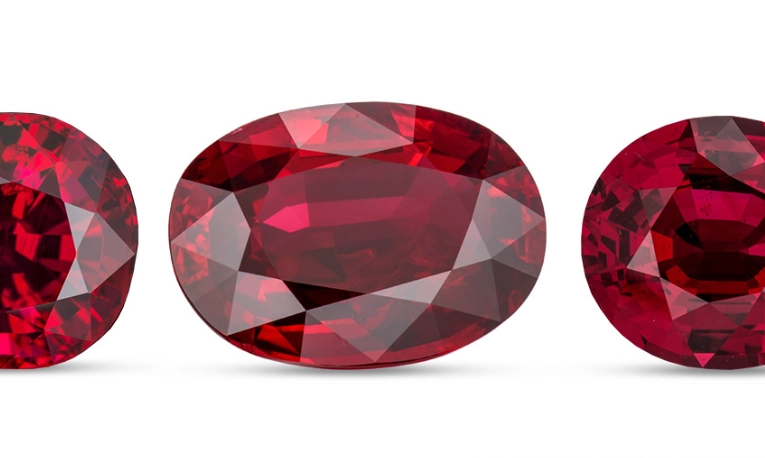
What's your budget? This is the practical starting point. A decent, small Ruby in a simple setting might start around a few hundred dollars and go up exponentially. A stunning Onyx piece can be found for well under a hundred. If budget is tight but you want something substantial, Onyx wins.
What's your lifestyle? If you're rough on your hands, a Ruby's hardness of 9 makes it a safer bet for a daily-wear ring. An Onyx ring might be better for occasional wear or in a protected setting. For pendants or earrings, both are fine.
What's your personal style? Do you gravitate toward color and classic elegance? Ruby. Do you prefer monochrome, modern, or edgy styles? Onyx. Look at your wardrobe. Which stone appears more often in your color palette?
Is it a gift? For a July birthday gift, you can't go wrong with either, but consider the recipient. A Ruby feels more traditional and celebratory. An Onyx might appeal to someone with a more minimalist or modern aesthetic. When in doubt, a piece that incorporates both (like a ring with a Ruby center and Onyx side stones) can be a brilliant, personalized solution.
Don't forget about gemstone combinations. Ruby looks breathtaking with diamonds or white sapphires. Onyx creates stunning contrast with pearls, mother of pearl, or even rose gold.
Your July Birthstone Questions Answered
Is a Ruby or Onyx ring more suitable for everyday wear?
Can you tell me how to spot a low-quality, glass-filled Ruby when shopping online?
 I love the look of black jewelry. Is Onyx the only black birthstone option for July?
My July birthstone jewelry has gotten dull. What's the safest way to clean Ruby and Onyx at home?