Ask anyone on the street what the July birthstone is, and nine times out of ten they'll say "ruby." Jewelry store displays and modern birthstone charts all point to that fiery red gem. But is that the whole story? If you dig a little deeper into history and tradition, you'll find the answer to "What is the true birthstone for July?" is more nuanced, and frankly, more interesting. The real picture involves two stones: the celebrated modern ruby and its often-overlooked historical counterpart, carnelian. Let's cut to the chase: July has two legitimate birthstones, and choosing between them depends entirely on what "true" means to you—modern convention or ancient tradition.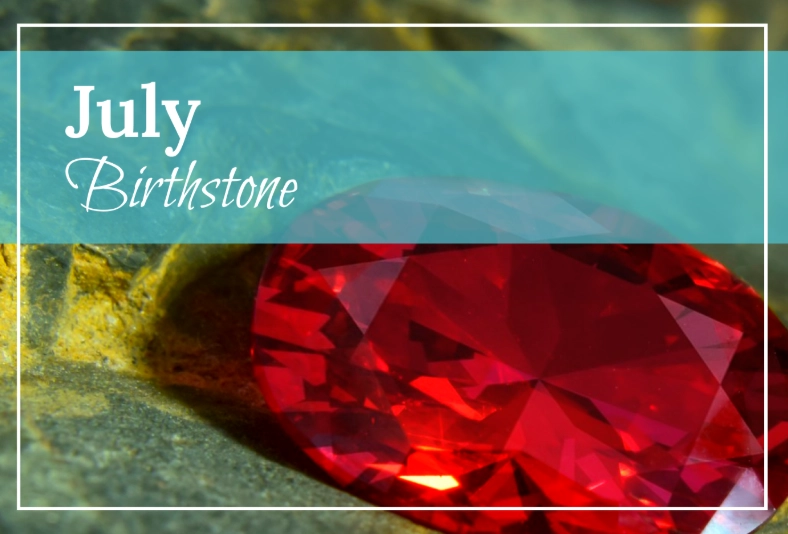
What You'll Discover in This Guide
What is the Traditional Birthstone for July?
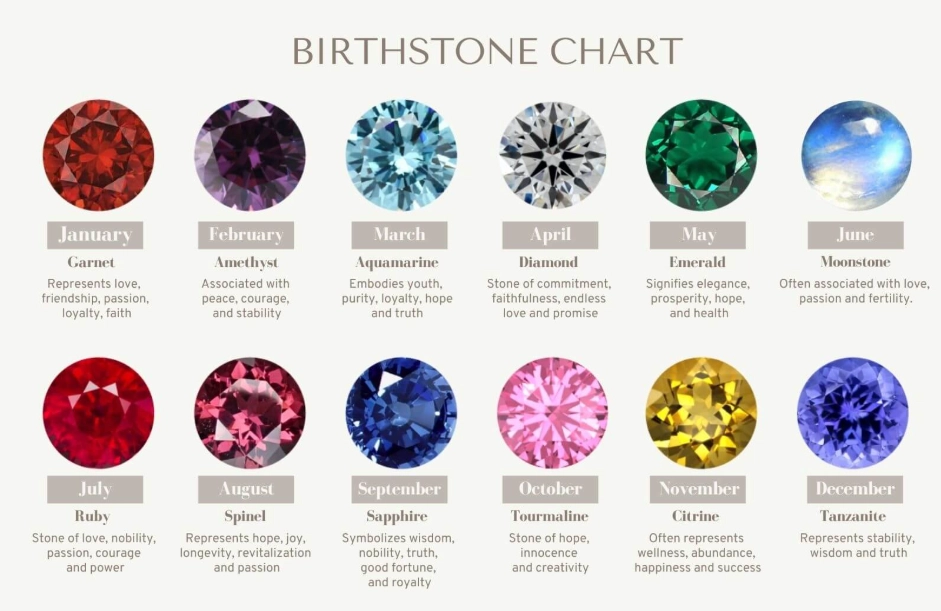
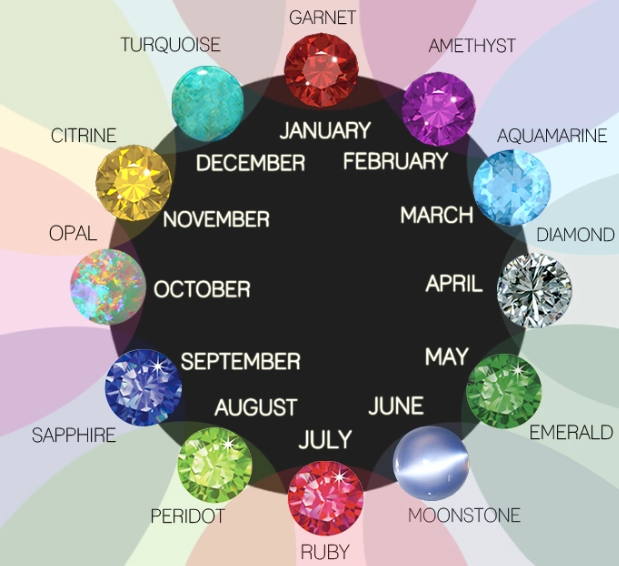
This is where most online articles stop. They state ruby and move on. But the history of birthstones is messy, human, and full of revision. The "modern" list we know today, with ruby assigned to July, was officially standardized in 1912 by the National Association of Jewelers (now Jewelers of America) in the U.S. This was a commercial effort to simplify and promote gemstone sales. Before that? Chaos, but a beautiful kind of chaos.
For centuries, many cultures used different lists. One of the most influential historical lists comes from 1st-century Jewish historian Josephus, who linked the twelve stones on the biblical High Priest's breastplate to the twelve months and signs of the zodiac. Later, Christian traditions adapted these lists. In these older systems, the stone most commonly associated with the summer month corresponding to July was not ruby, but carnelian (sometimes called sardius).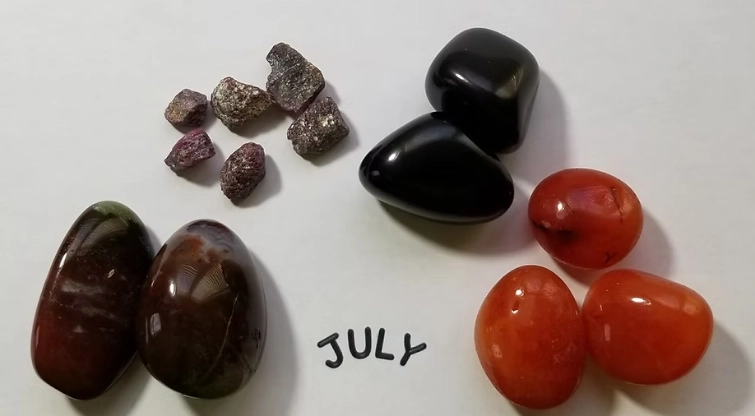
So, if you're asking from a historical, pre-20th century perspective, carnelian is the "true" birthstone. If you're asking from a modern, Western jewelry-industry perspective, ruby is the official answer. Neither is wrong. It's like asking for the capital of a country—the answer can change depending on the year you're referencing.
Here's a tip most jewelers won't volunteer: The push for ruby in 1912 wasn't just about beauty. Ruby, a variety of the mineral corundum, was (and is) far more valuable and durable than carnelian, a type of chalcedony quartz. Standardizing on a high-value gem had obvious business benefits. This shift effectively sidelined carnelian, a stone with millennia of lore, in favor of a more commercially lucrative option.
Ruby: The Modern King of July Birthstones
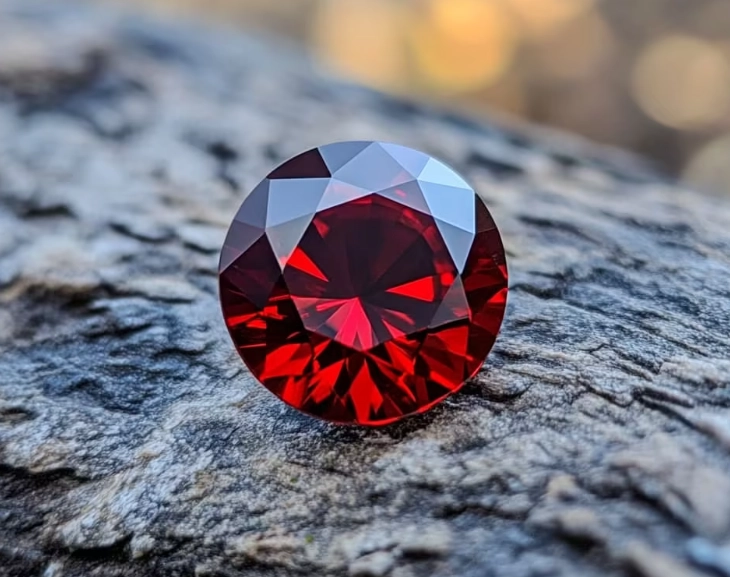
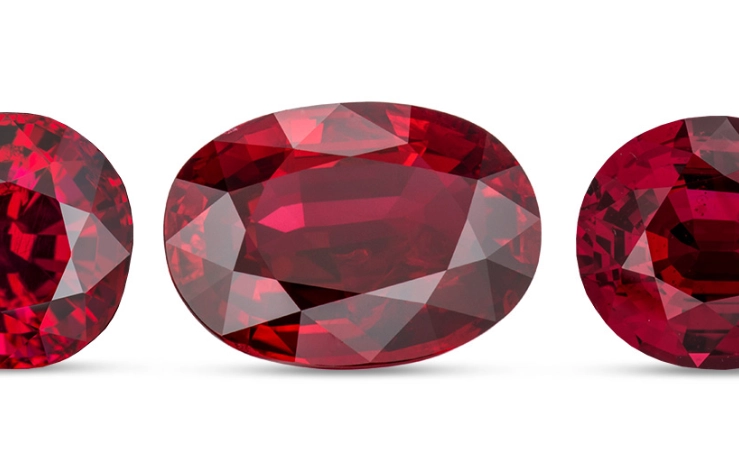
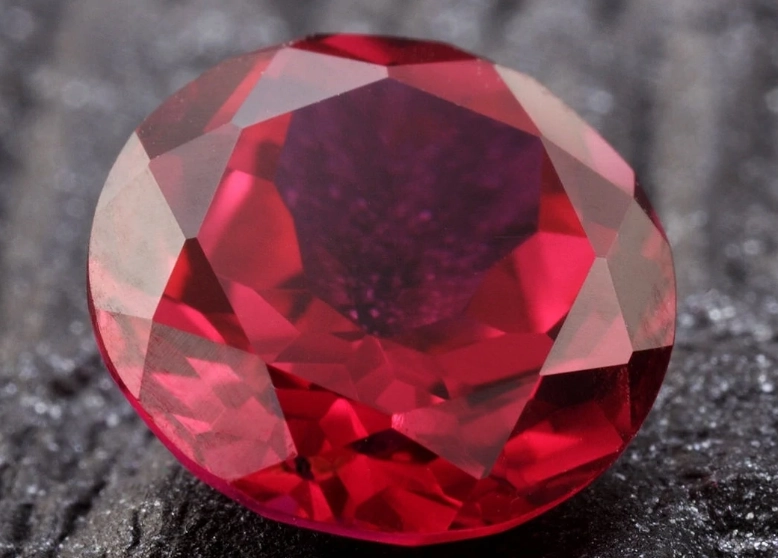
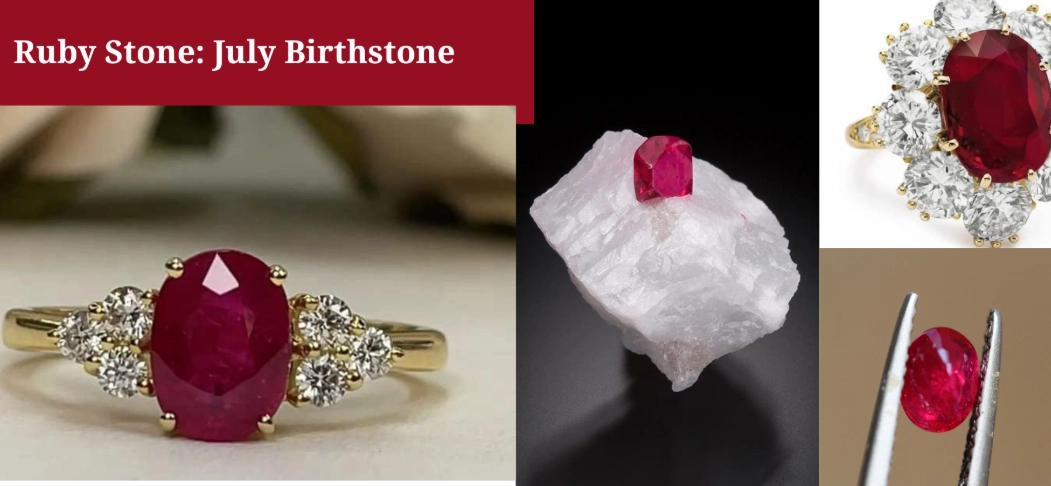
Let's talk about ruby. Its reign as the July birthstone is well-deserved based on its properties alone. The name comes from "ruber," Latin for red. It's a red corundum, the same mineral family as sapphire. Any other color of corundum is a sapphire; only the red one gets the royal title of ruby.
Why Ruby Fits July Perfectly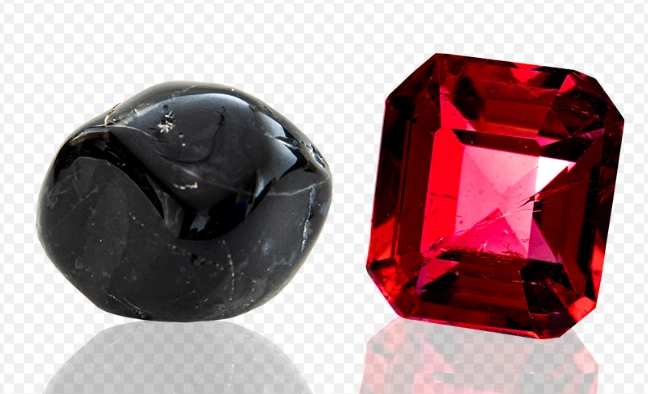
Think of July: heat, passion, the height of summer. Ruby embodies that. Its color ranges from a vibrant pinkish-red to a deep, blood-red. The most prized color is a pure, vivid red with a hint of blue, often called "pigeon's blood" red (though the trade is moving away from that term).
Beyond color, ruby is incredibly tough. With a Mohs hardness of 9, it's second only to diamond. This makes it perfect for everyday wear in rings and bracelets—something I always stress to my July-born clients who are active. You won't have to baby a ruby ring.
Symbolically, ruby has long been the stone of nobility, passion, and vitality. Ancient cultures believed it held the power of life and offered protection in battle. Today, it's a classic symbol of love and courage, making it a profound gift beyond just a birthstone.
Carnelian: The Forgotten Traditional Choice
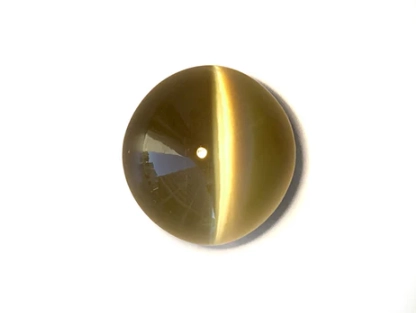
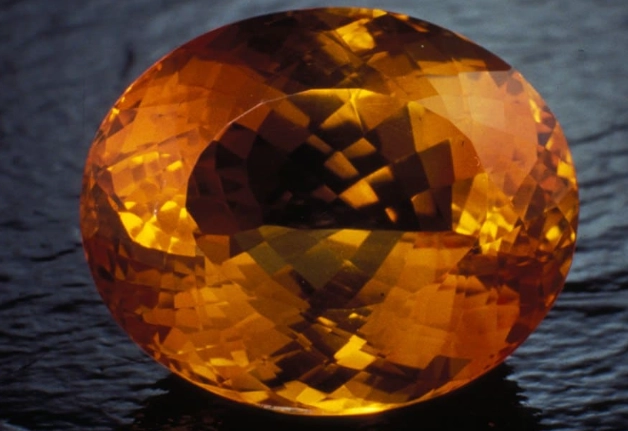
Now, let's give carnelian its due. This stone is the underdog of July birthstones, and in my opinion, it's criminally overlooked. Carnelian is a translucent to opaque chalcedony quartz, colored by iron oxides. Its hues range from a pale orange-pink to a deep, rich rusty red or brownish-red. The best pieces have a warm, glowing quality, like a captured sunset.
Its history is ancient and global. The Egyptians called it the "setting sun" stone and used it extensively in amulets for protection in the afterlife. Roman soldiers wore carnelian intaglio rings as seals and talismans for courage. In Islamic and Buddhist traditions, it was also highly regarded. For centuries, this was the red stone of power and protection.
One practical advantage carnelian has over ruby? Accessibility. A high-quality carnelian cabochon or bead strand is vastly more affordable than even a small, decent ruby. This makes it an excellent entry point for someone wanting a genuine, historical July birthstone without the premium price tag. It's also quite durable (Mohs 6.5-7), suitable for pendants, earrings, and rings with protective settings.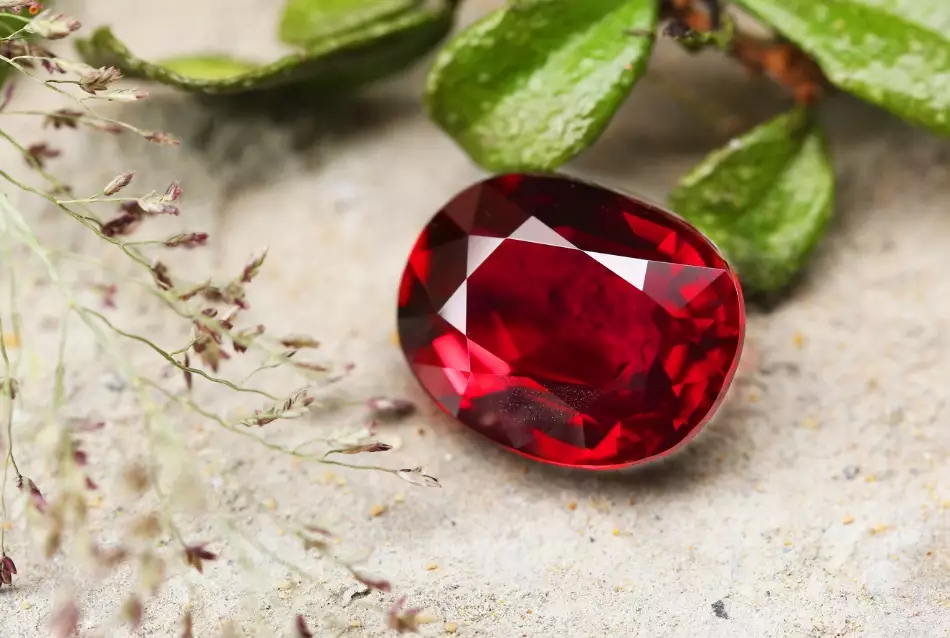
How to Choose Between Ruby and Carnelian
So, you're a July baby or shopping for one. Which stone is right? Don't just default to ruby because it's the first name you hear. Ask yourself a few questions.
- Are you a traditionalist or a modernist? Do you connect more with ancient history and lore, or with contemporary standards?
- What's your budget? This is a major deciding factor. A fine ruby is an investment. A beautiful carnelian is an accessible luxury.
- What's the purpose of the jewelry? An everyday piece? A high-impact heirloom? A subtle, meaningful token?
To make it clearer, let's break down the key differences side-by-side.
| Feature | Ruby (Modern) | Carnelian (Traditional) |
|---|---|---|
| Mineral Family | Corundum | Chalcedony (Quartz) |
| Hardness (Mohs) | 9 (Excellent for daily wear) | 6.5-7 (Good, but avoid harsh impacts) |
| Typical Color | Vivid pink-red to deep blood-red | Warm orange-red to brownish-red |
| Clarity | Often included (imperfections common); eye-clean stones are rare & expensive. | Usually translucent to opaque; inclusions less critical to value. |
| Price Point | High to very high. Quality dramatically affects price. | Low to moderate. High-quality material is very affordable. |
| Best For... | Heirloom jewelry, engagement rings, statement pieces where budget allows. | Everyday wear, historical authenticity, bold beads and cabochons, budget-friendly options. |
| Vibe | Regal, passionate, luxurious. | Earthy, protective, warm, connected to ancient wisdom. |
I had a client last year, a history teacher born in July, who was set on a ruby. When I showed her a beautifully polished, deep red-orange carnelian set in a simple gold bezel and explained its link to Roman scholars, her eyes lit up. She chose the carnelian. It resonated with her identity far more than a ruby ever could. That's the power of knowing the full story.
July Birthstone Value, Meaning, and Care
Understanding Ruby Value
With ruby, the big four value factors are Color, Clarity, Cut, and Carat (the 4Cs). Color is king. A pure, vivid red commands the highest prices. Most rubies have inclusions (rutile needles called "silk")—a completely flawless ruby is exceptionally rare. Treatments are common; heat treatment to improve color and clarity is standard and accepted, but always ask for disclosure. Major sources include Mozambique, Myanmar (Burma), and Thailand. According to the Gemological Institute of America (GIA), Burmese rubies traditionally set the benchmark for color.
Understanding Carnelian Value
For carnelian, color and polish are everything. The most desirable color is a uniform, deep reddish-orange with good translucency. Lighter or blotchy stones are less valuable. A high-quality polish that gives it a waxy, glowing luster is crucial. It's rarely treated, and sources are widespread, including India, Brazil, and Uruguay.
Care and Cleaning
Ruby: Tough but not invincible. Use warm soapy water, a soft brush, and rinse well. Ultrasonic cleaners are usually safe for heat-treated stones, but steam cleaners can be risky if the ruby has fracture fillings. When in doubt, stick to the soapy water method.
Carnelian: Simpler. Soapy water and a soft cloth are perfect. Avoid ultrasonic and steam cleaners, as the vibrations and heat can sometimes cause damage to quartz family stones, especially if they have pre-existing fractures.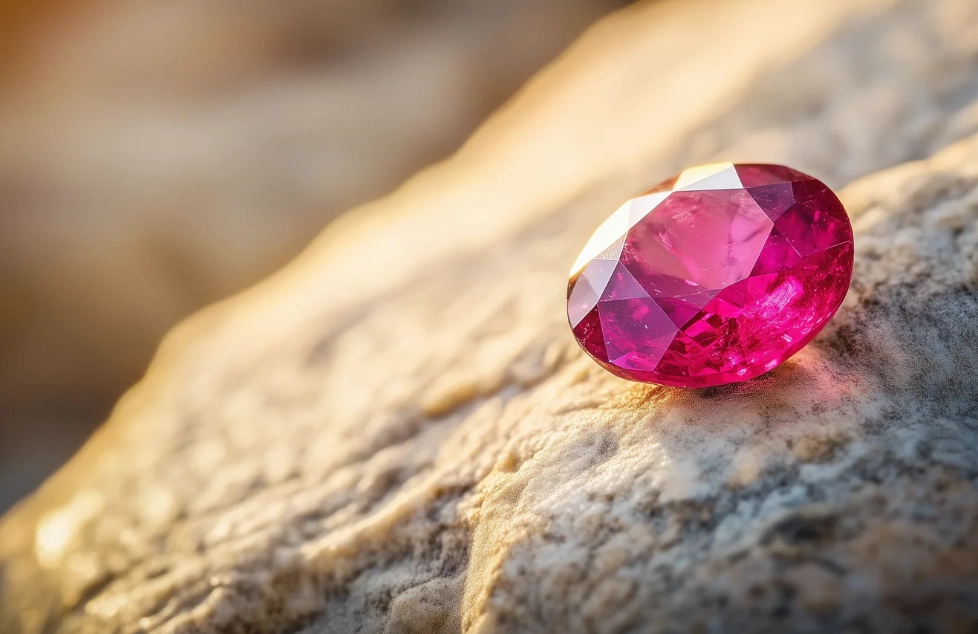
Your July Birthstone Questions Answered
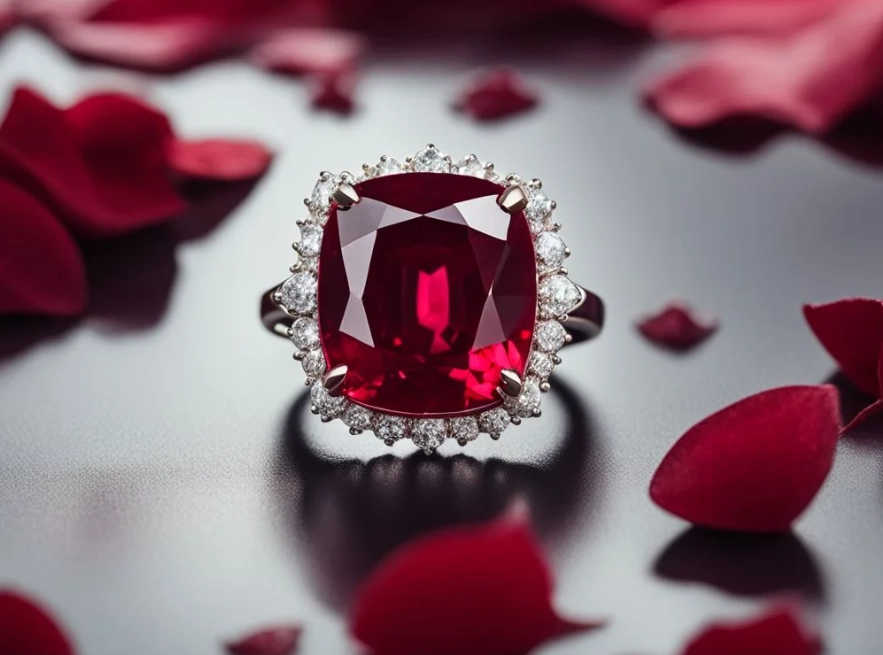 So, what is the true birthstone for July? The final answer is yours to give. You have the fiery, enduring luxury of the modern ruby. And you have the warm, ancient, grounded power of the traditional carnelian. One isn't truer than the other—they represent different chapters in the same long, beautiful story of humans and gems. Your choice simply depends on which chapter resonates with you. Now that you know the full history, you can choose with confidence, whether you're buying for yourself or for someone born in the heat of July.