Ask anyone what a ruby represents, and you’ll likely hear "love" or "passion." That's not wrong, but it's like describing a symphony as just "some nice music." The symbolism of ruby runs far deeper, woven into the fabric of history, power, and human belief. Its fiery red isn't just a color; it's a story. For centuries, from the crowns of kings to the lockets of lovers, this stone has carried meanings of invincibility, vitality, and profound protection. So, what does the ruby really symbolize? Let's move past the surface glitter and uncover the layers that make this gemstone one of the most symbolically charged treasures on Earth.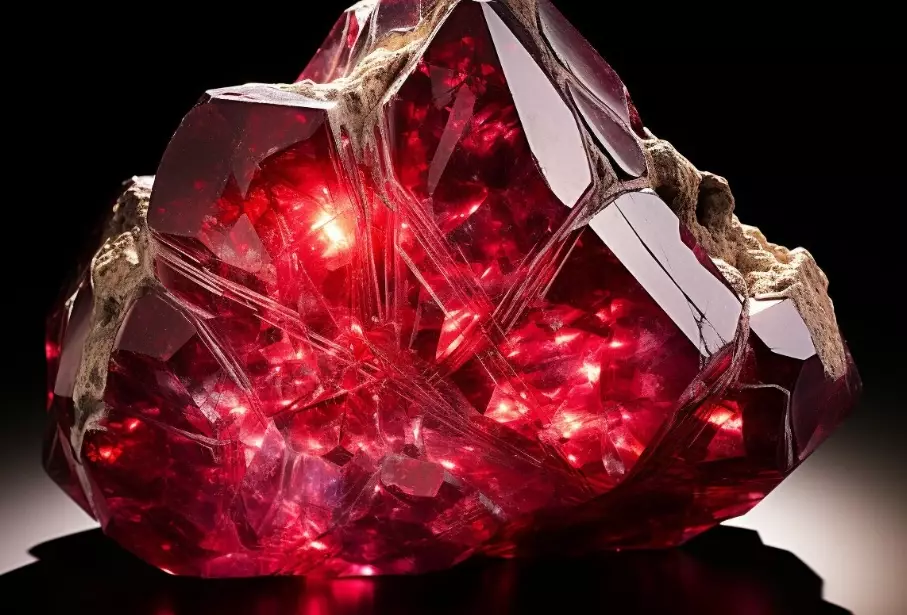
What's in This Deep Dive?
The Universal Language of Ruby Symbolism
You can't pin the ruby's meaning to just one culture or era. Its symbolism is a global dialect.
In ancient India, rubies were called "ratnaraj," the king of precious stones. They weren't just for show. Warriors embedded them in their flesh, believing the stone would make them invincible in battle. Think about that level of faith. It wasn't about aesthetics; it was about survival. The ruby symbolized an unbreakable life force, a literal armor against harm.
Flip to medieval Europe, and the ruby became the ultimate symbol of divine favor and royal authority. Kings and queens wore them to signify God's blessing on their rule. The deep red was associated with the blood of Christ, representing sacrifice and divine love. This is where the notions of nobility, courage, and passion really cemented themselves in the Western mind.
In many Eastern cultures, including China, the ruby's red connected it to luck, prosperity, and vitality. It was thought to stimulate the life force (Chi or Qi) and attract abundance. I've spoken with gem traders in Bangkok who still prefer to close major deals with a ruby ring on their hand, not for flash, but for that ingrained belief in its power to attract success.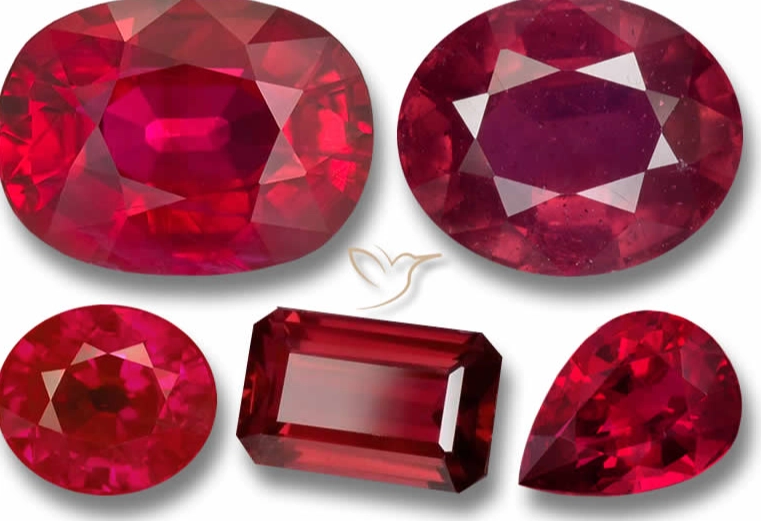
Here’s a perspective you don't hear often: The common advice is "ruby for passion." But in my experience, the people most drawn to rubies aren't just seeking romantic love. They're often individuals craving self-empowerment and the courage to pursue a daunting goal. The ruby's symbolism speaks to the fire within, not just the fire between two people.
Passion, Power, Protection: The Core Trinity
Let's break down the big three symbolic pillars.
Passion & Love: Yes, this is the most famous. But it's a specific kind of passion—enduring, courageous, and alive. It's less about fleeting infatuation and more about the deep, sustaining flame of commitment. That's why it's a historic favorite for engagement rings, long before diamonds took the spotlight.
Power & Vitality: This is the "king of gems" energy. Ruby symbolizes leadership, confidence, and the vitality to get things done. It's about inner strength. Wearing one can feel like a personal reminder of your own authority and capability. I find executives and entrepreneurs are subtly drawn to rubies for this reason, even if they can't articulate it.
Protection & Safety: This is the ancient, almost mystical layer. Across cultures, ruby was believed to warn the wearer of danger by darkening in color. It was a talisman against plague, poison, and evil thoughts. Today, that translates into a symbol of safety, grounding, and shielding one's energy—a gemstone guardian, if you will.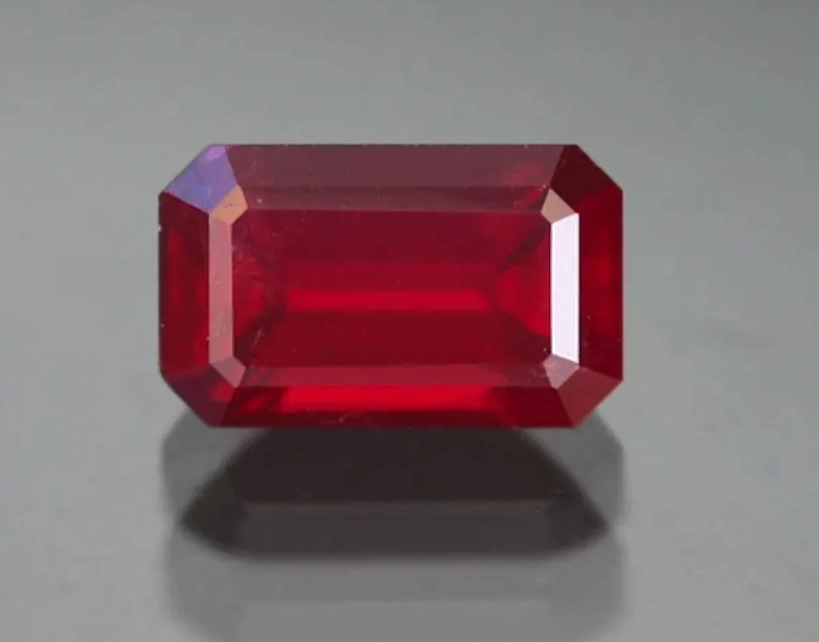
How Ruby Color and Quality Influence Its Meaning
Not all reds are created equal. The specific hue, saturation, and even clarity of a ruby can subtly shift its perceived symbolism. This is where gemology meets meaning.
The most coveted color is a pure, vivid red to slightly purplish-red, often called "pigeon's blood." This intense, saturated color embodies the peak of ruby symbolism: maximum passion, potent power, and strong protective energy. A pale or pinkish ruby, while beautiful, carries a softer, more gentle vibration—closer to romantic affection than fierce passion.
Inclusions matter, too. A completely flawless ruby is exceptionally rare. Most have some internal characteristics, like silk (rutile needles).
Many modern buyers see inclusions as flaws to minimize. But in symbolic terms, some traditions view these natural "fingerprints" as proof of the stone's earthly origin and thus, its authentic power. A completely clean, lab-created ruby, though visually perfect, might lack that symbolic connection to the ancient earth for some purists.
| Ruby Characteristic | Symbolic Nuance | What It Means for You |
|---|---|---|
| Deep "Pigeon's Blood" Red | Ultimate passion, authority, high-energy protection. | Choose for a bold statement of power or deep commitment. |
| Lighter Pinkish-Red | Gentle love, compassion, playful energy. | Ideal for a first major gemstone gift or a symbol of tender affection. |
| Noticeable Silk Inclusions | Authenticity, a connection to nature's raw form. | Embrace as part of the stone's unique story and natural origin. |
| Opaque, Star Ruby | Divine guidance, destiny, mystical insight (from the asterism). | Seek for meditation, spiritual focus, or as a talisman of luck. |
How to Choose a Ruby for Its Symbolic Meaning?
You're not just buying a gem; you're choosing a symbol. Let's make it practical.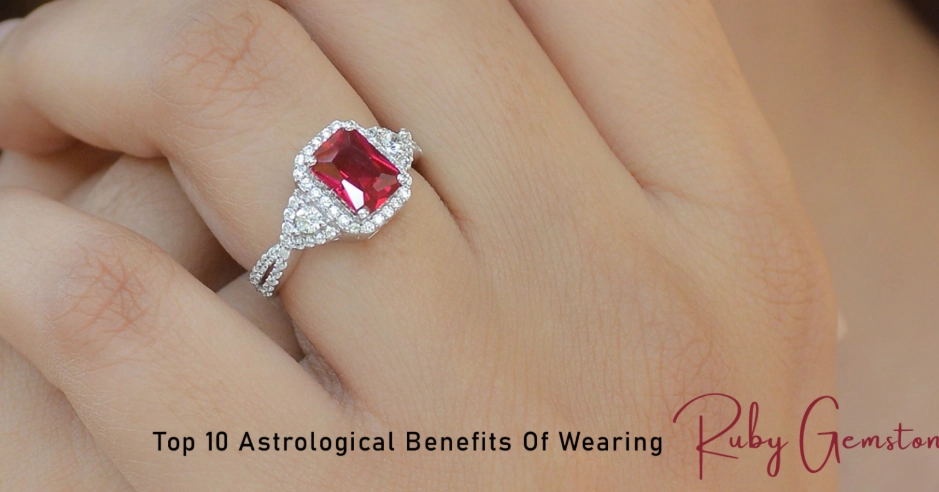
First, identify your primary intent. Are you marking an unshakeable love? Seeking courage for a new venture? Or wanting a protective heirloom for a child? Your intention should guide your choice more than any generic advice.
For Love & Passion: Prioritize color. Look for that strong, saturated red. The cut should be excellent to maximize the stone's inner fire. A classic oval or cushion cut in a simple pendant or ring setting lets the color speak for itself.
For Power & Confidence: Consider a slightly larger stone or a bold setting. A ruby signet ring or a substantial pair of cufflinks carries that traditional "authority" weight. The color should be rich, not necessarily the absolute top grade, but confident and clear.
For Protection & Grounding: Here, origin and natural characteristics can add to the feeling. A ruby from a historic source like Myanmar (Burma) carries legendary status. Some prefer a cabochon cut (smooth, rounded) for talismanic jewelry, as it feels more ancient and organic than a faceted stone.
My non-consensus tip? Don't get hypnotized by certificate grades alone. A gem lab report from GIA or AGTA is crucial for verifying authenticity and quality, but the stone's symbolism speaks to you. Hold it. See how the light plays in it. Does it feel "right"? That intangible connection often matters more for a symbolic piece than a minor difference in clarity grade.
Beyond the Basics: Uncommon Symbolic Connections
We've covered the classics. But ruby symbolism has some fascinating, less-traveled paths.
In metaphysical circles, ruby is linked to the root chakra, the energy center associated with survival, security, and feeling grounded. A ruby placed or visualized here is believed to stimulate vitality and a sense of being firmly planted in life. It's not just airy-fairy stuff; think of it as a focus tool for manifesting stability.
Alchemists prized the ruby, associating its red with the final, elusive stage of the Great Work—the creation of the Philosopher's Stone, which could transmute base metals into gold and grant immortality. For them, the ruby symbolized perfection, the culmination of immense effort and transformation.
Even in modern pop culture, the symbolism holds. Think of Dorothy's ruby slippers in *The Wizard of Oz*. Their magic wasn't just to look pretty; they were her ultimate protection and the key to getting home—a direct line to the ruby's ancient role as a guardian and guide.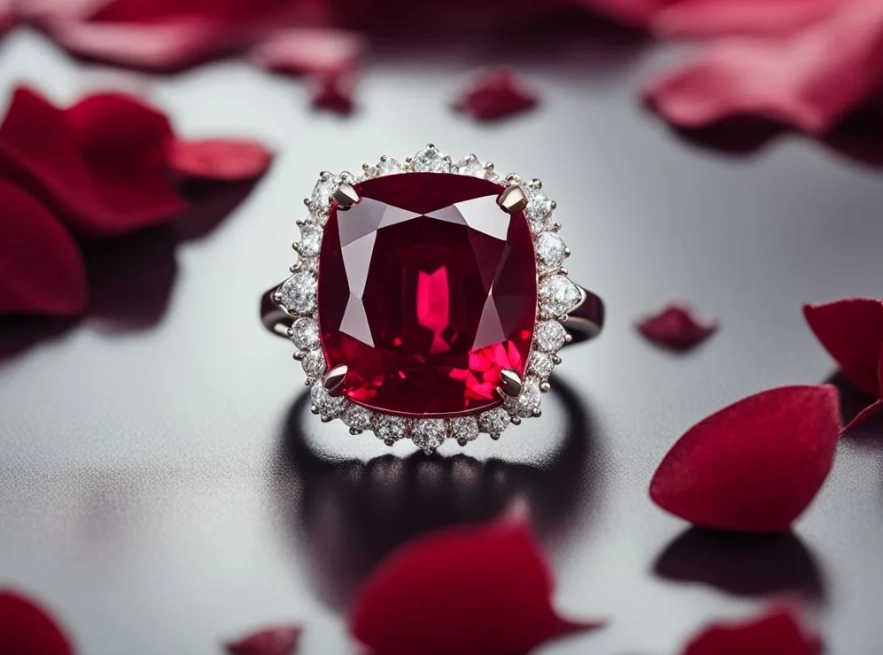
Your Ruby Symbolism Questions, Answered
Does a ruby's origin (like Burma vs. Mozambique) change its symbolic meaning?
Historically, yes. Burmese rubies, especially from the Mogok Valley, have been legendary for centuries, surrounded by tales of mystery and supreme quality. This heritage adds a layer of "legendary" or "classic" symbolism. A modern Mozambican ruby can be equally beautiful, but its symbolic weight comes more from its personal meaning to you and its visual properties, rather than centuries of lore. For purists seeking a connection to history, origin matters. For most, the stone's color and character matter more.
I want a ruby for protection. Is a small stone enough, or do I need a large one?
This is a great question. Symbolism isn't about carat weight. A small, vibrant ruby set in a piece you wear daily (like a simple ring or a pendant that touches your skin) is far more powerful as a personal talisman than a large stone sitting in a safe. Consistency matters more than size. The act of wearing it regularly reinforces its symbolic role in your life.
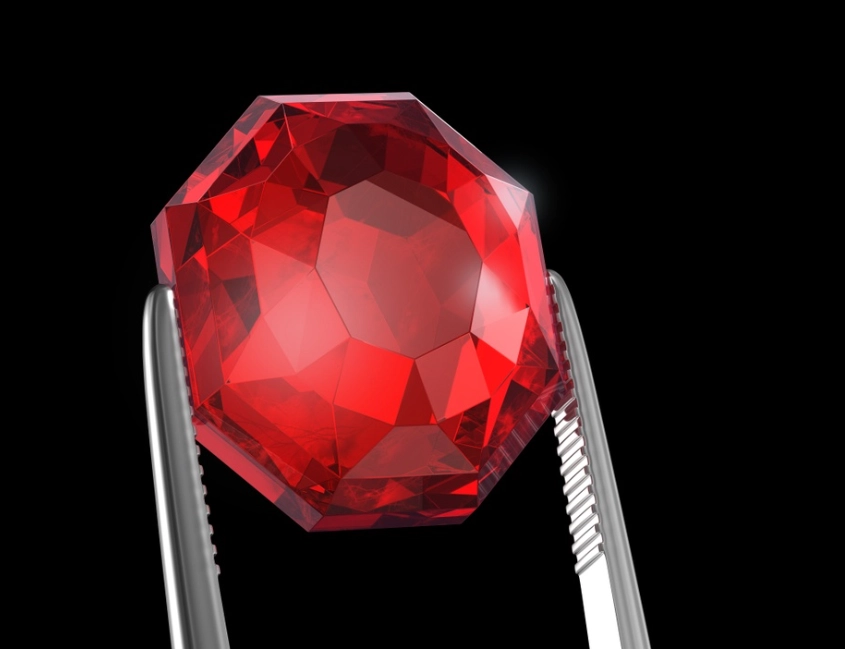 Can a lab-created ruby carry the same symbolism as a natural one?
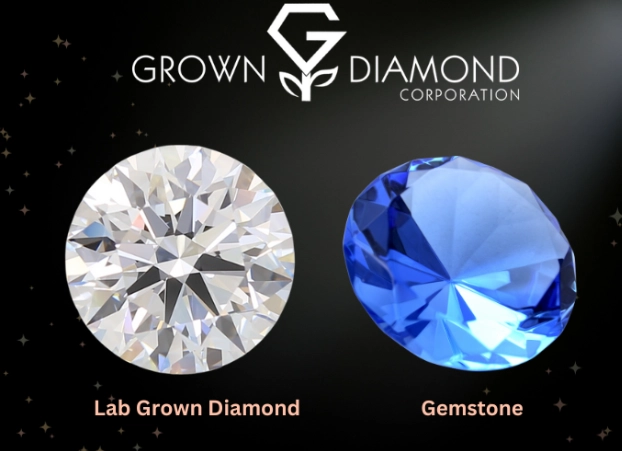
This is the biggest symbolic debate today. Physically and chemically, they are identical. For the symbolism of color energy (passion, vitality), a lab ruby can absolutely serve that purpose. However, part of the traditional symbolism of ruby is its rarity and its journey through geological time—the "king of gems" status. A lab-grown stone intentionally lacks that ancient, natural history. If your symbolism is purely about the color and its associated ideas, a lab stone works. If the symbolism is tied to the stone's natural origin, antiquity, and rarity, then only a natural ruby will fulfill that meaning for you.
Is ruby only a symbol for romantic love? What about self-love or familial love?
Absolutely not. This is a common oversimplification. Ruby's passion is for life itself. A ruby can magnificently symbolize profound self-respect, the fiery love for a child, or deep familial bonds. I've seen mothers pass down ruby earrings as a symbol of their fierce, protective love for their daughters. The key is the intensity and endurance of the love, not its romantic nature.
I've heard rubies can be treated. Does treatment affect the stone's symbolic value?
Most rubies on the market are heat-treated to improve color and clarity—a practice accepted for centuries. From a symbolic standpoint, this is generally seen as an enhancement of the stone's natural potential, not a dilution. However, treatments like lead-glass filling to hide fractures are more controversial. Symbolically, such a stone might be seen as "weakened" or "artificially supported," which could conflict with meanings of inherent strength and protection. Always ask for a reputable gem lab report that discloses all treatments so your symbolic choice is an informed one.